
It’s important to know how our bodies get rid of waste and extra fluids. This keeps us healthy. At Liv Hospital, we believe that teaching patients and using advanced medical care are key to better health.
Gain insights into thekidneys’ function in blood filtration and waste removal. Understand the nephrons and the 3-step filtration process that keeps us healthy.
The excretory system needs these organs to work right. They filter blood, removing waste and extra stuff. This waste is then turned into urine. Did you know they filter enough blood to fill a swimming pool many times a day? This shows how important they are to our health.
Key Takeaways
- The kidneys play a vital role in maintaining overall health by filtering waste and excess fluids from the blood.
- They process approximately 180 liters of blood daily to produce urine.
- Understanding kidney function is essential for appreciating the complex processes that keep us healthy.
- The excretory system relies heavily on the proper functioning of the kidneys.
- At Liv Hospital, we are committed to helping patients understand their health and treatment options.
The Vital Role of Kidneys in the Human Body
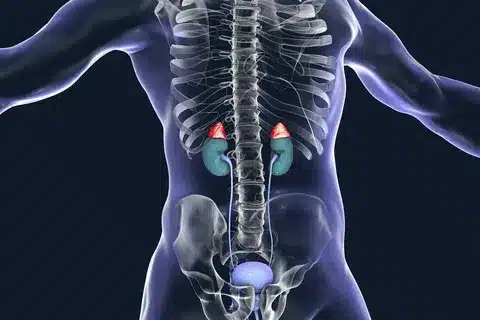
Our kidneys are vital organs that keep us healthy. They filter waste, excess water, and impurities from the blood. These tasks are key to our overall health and well-being.
Location and Physical Characteristics of Kidneys
The kidneys sit on either side of the spine, below the rib cage. They are bean-shaped, about the size of a fist. Knowing where and what they look like helps us understand their role in the excretory system.
Kidneys do more than filter blood. They also regulate electrolytes, maintain acid-base balance, and produce hormones. These hormones support our body’s functions.
Overview of Kidney Functions
The kidneys have several important roles:
- They filter waste and excess substances from the blood.
- They help regulate blood pressure through the renin-angiotensin-aldosterone system.
- They maintain electrolyte balance by adjusting sodium, potassium, and other electrolyte levels.
- They support red blood cell production by making erythropoietin.
- They regulate acid-base balance by adjusting bicarbonate and other buffering agents.
The kidneys filter about 25% of the blood, or 1.2 to 1.3 liters per minute. This is vital for removing waste and keeping our body’s environment balanced.
| Kidney Function | Description |
|---|---|
| Waste Removal | Filtering waste products from the blood |
| Electrolyte Balance | Regulating levels of sodium, potassium, and other electrolytes |
| Blood Pressure Regulation | Producing hormones that help regulate blood pressure |
Understanding Kidneys Function and Blood Processing
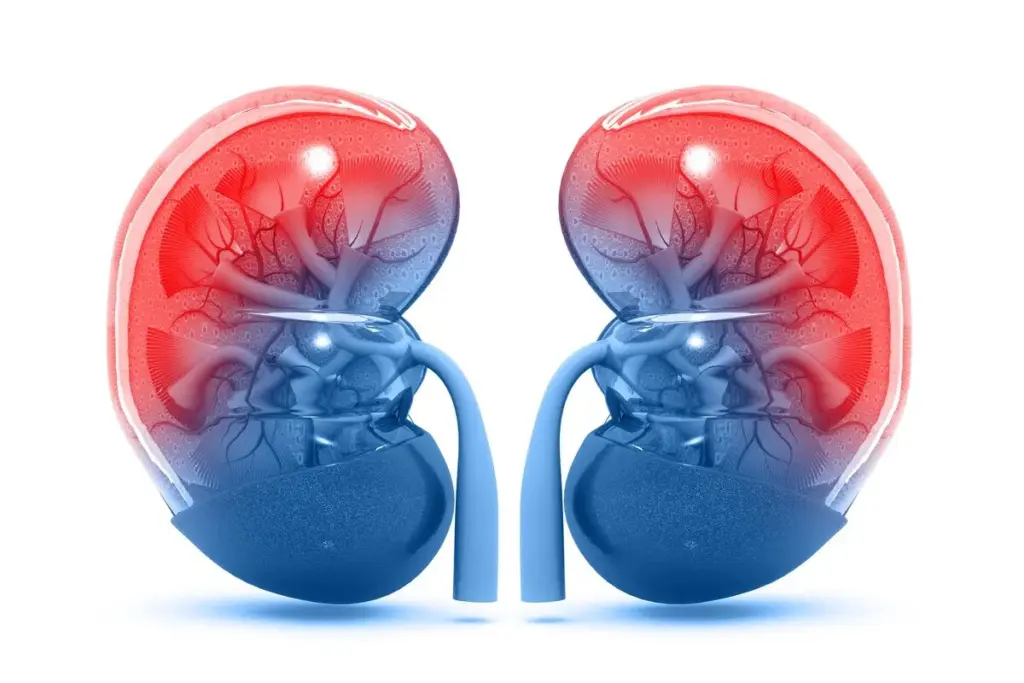
The kidneys are amazing organs that filter a lot of blood every day. We’ll explore how they work and process blood.
Blood Flow Through the Kidneys
The kidneys get blood from the renal arteries, which split off from the aorta. This blood then goes through the glomeruli, tiny blood vessels in the nephrons. Nephrons are the kidneys’ main working units.
The blood flow through the kidneys involves several important steps:
- Blood enters the kidneys through the renal arteries.
- It then goes to the nephrons for filtration.
- The filtered blood is collected and sent back to the body through the renal veins.
Daily Filtration Capacity
The kidneys filter about 180 liters of blood every day. They remove waste and extra stuff. This shows how vital the kidneys are for our health.
| Organ | Daily Blood Flow (Liters) | Primary Function |
|---|---|---|
| Kidneys | 180 | Filtration of waste and excess substances |
| Liver | 1.5 (via hepatic artery and portal vein) | Detoxification and metabolism |
| Heart | 7,200 (total cardiac output) | Pumping blood throughout the body |
This table shows how much blood the kidneys filter daily. It highlights their key role in our body’s functions.
The Nephron: The Kidney’s Filtration Unit
Each kidney has about 1 to 1.5 million nephrons. These tiny units filter blood. Knowing about nephrons helps us understand how kidneys work.
Structure and Quantity of Nephrons
Nephrons are tiny but vital parts of the kidneys. They have several parts, like the renal corpuscle and tubules. The renal corpuscle filters blood first, and the tubules handle reabsorption and secretion.
Each kidney has 1 to 1.5 million nephrons. This number is key for efficient blood filtration. It helps remove waste while keeping important nutrients.
The Three-Step Filtration Process
Nephrons filter blood in a three-step process: glomerular filtration, tubular reabsorption, and tubular secretion. For more info, check out the National Institute of Diabetes and Digestive and Kidney.
Glomerular filtration filters water, ions, and small molecules into the nephron. It’s key for removing waste.
The second step, tubular reabsorption, brings back essential nutrients into the bloodstream. This keeps vital components from being lost.
The final step, tubular secretion, adds more waste products to the filtrate for excretion. This helps remove waste from the body.
In summary, nephrons are essential for kidney function. Their complex structure and three-step process make kidneys efficient at filtering blood.
Conclusion: Maintaining Healthy Kidney Function
It’s key to understand how our kidneys work to stay healthy. They filter out waste and extra fluids from our blood. This is vital for our health. So, we need to take care of our kidneys.
To keep our kidneys healthy, we should make smart choices. Eating foods like fruits, veggies, and whole grains is good for them. Drinking enough water is also important for our kidneys to work right. Plus, exercising regularly helps manage diseases that can harm our kidneys.
By focusing on these habits, we help our kidneys do their job well. They keep our blood clean by removing waste and extra fluids. This boosts our health and improves our life quality. We can all take steps to protect our kidneys and keep them working at their best.
FAQ
What is the primary function of the kidneys?
The kidneys filter the blood. They remove waste and excess substances. These are then excreted as urine.
Where are the kidneys located in the human body?
The kidneys are in the lower back. They are on each side of the spine. They are protected by the rib cage.
What is the structure responsible for filtering the blood within the kidneys?
The nephrons filter the blood. Each kidney has millions of these units.
How does blood flow through the kidneys?
Blood comes to the kidneys from the renal arteries. These are branches of the aorta. The blood is then filtered through the glomeruli, tiny blood vessels in the nephrons.
What is the daily filtration capacity of the kidneys?
The kidneys can filter a lot of blood daily. They remove waste and excess fluids from the blood effectively.
What are the three steps involved in the filtration process within the nephrons?
The three steps are glomerular filtration, tubular reabsorption, and tubular secretion. Glomerular filtration filters water, ions, and small molecules into the nephron. Tubular reabsorption reabsorbs essential nutrients and substances into the bloodstream. Tubular secretion secretes waste products into the filtrate for excretion.
How can we maintain healthy kidney function?
To keep kidneys healthy, follow dietary recommendations. Stay hydrated and engage in regular physical activity. This helps the kidneys function properly.
What is the role of the kidneys in the excretory system?
The kidneys remove waste and excess substances from the blood. They excrete these as urine.
How do the kidneys regulate electrolyte balance?
The kidneys adjust the amount of electrolytes reabsorbed into the bloodstream or excreted in the urine. This regulates electrolyte balance.
What is the importance of understanding kidney function?
Knowing how kidneys work is key to staying healthy. It helps us protect our kidneys.
Reference:
Evidence-Based Medical Insight https://www.ncbi.nlm.nih.gov/books/NBK482248