
Aplastic anemia is a serious condition where the bone marrow fails to make blood cells. This leads to pancytopenia. A Complete Blood Count (CBC) is key for diagnosing this. It shows the levels of red blood cells, white blood cells, and platelets.
A CBC test shows clear signs of aplastic anemia. It shows low blood cell counts. To diagnose, at least two of the following must be true: RBC count below 40,000 cells/μL, WBC count under 500 cells/μL, and platelet count less than 20,000 cells/μL. At Liv Hospital, we offer top-notch care and follow ethical standards for this rare condition.
Key Takeaways
- A CBC test is crucial for accurately diagnosing aplastic anemia.
- Pancytopenia is a hallmark of aplastic anemia.
- Reduced blood cell counts are indicative of bone marrow failure.
- Liv Hospital offers complete care for aplastic anemia.
- Early diagnosis through CBC is critical for effective management.
Understanding Complete Blood Count (CBC) Tests
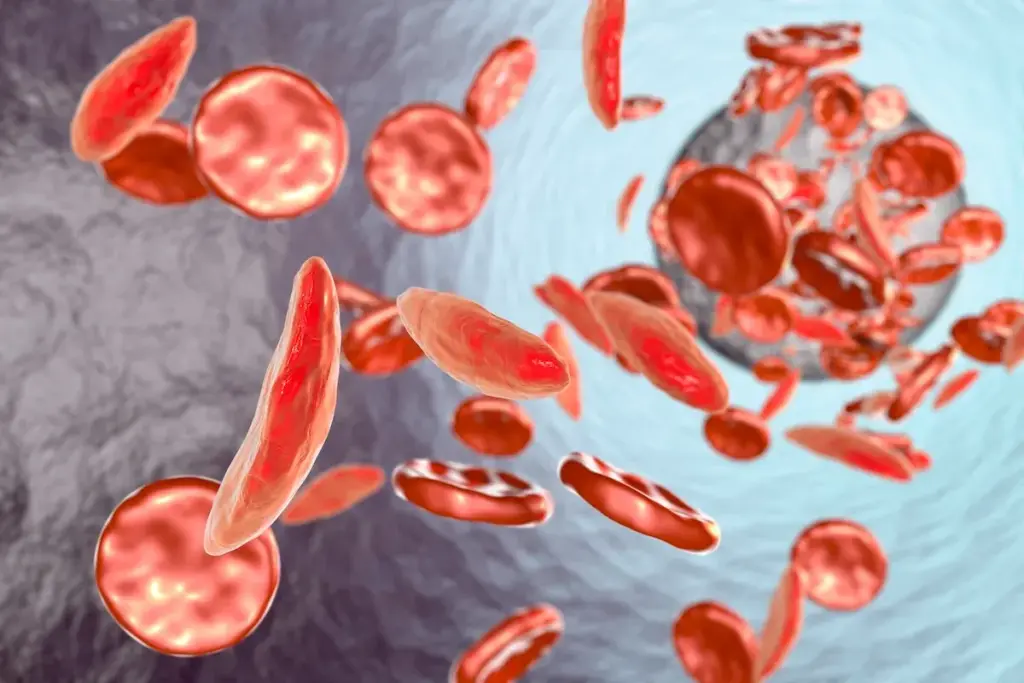
The CBC test checks many parts of the blood. It’s a key tool for doctors to see how well someone is doing. It helps find problems like aplastic anemia.
Definition and Purpose of CBC Tests
A CBC test looks at red, white blood cells, and platelets. It shows how the bone marrow is working. Doctors use it to find issues like infections, anemia, and leukemia.
Healthline says a CBC test can spot problems in blood cell counts. This can mean there’s something wrong with your health.
Components Measured in a CBC
A CBC test checks a few important things:
- Red Blood Cell (RBC) count: Counts the red blood cells in your blood.
- White Blood Cell (WBC) count: Checks the white blood cells, which fight infections.
- Platelet count: Looks at the platelets, which help your blood clot.
- Hemoglobin (Hb) level: Measures the hemoglobin in red blood cells, which carries oxygen.
- Hematocrit (Hct) level: Shows the red blood cells’ part in your blood.
Doctors use these to understand your health better. They can spot problems early this way.
“A CBC test is a valuable diagnostic tool that provides insights into the health of the bone marrow and the production of blood cells.”
What Does a CBC Test For? Common Conditions Detected

CBC testing is key in medical diagnosis. It gives insights into health conditions. Healthcare professionals use it to spot blood-related disorders like anemia, infection, and leukemia.
Range of Conditions Identified Through CBC Testing
A CBC test looks at different parts of the blood. It checks red blood cell (RBC) count, white blood cell (WBC) count, and platelet count. If these counts are off, it can mean several things, like:
- Anemia: low RBC count or hemoglobin level
- Infection: high WBC count
- Leukemia: cancer in the blood and bone marrow
- Bone marrow failure: seen in aplastic anemia, where the bone marrow can’t make blood cells
It can also find bleeding disorders and blood clotting problems.
Limitations of CBC Testing
Even though a CBC test is useful, it has its limits. It might not give a clear diagnosis for some conditions. More tests, like a bone marrow biopsy, might be needed. Also, it might miss some blood disorders, even in the early stages.
|
Condition |
CBC Findings |
|---|---|
|
Anemia |
Low RBC count or hemoglobin level |
|
Infection |
Elevated WBC count |
|
Leukemia |
Abnormal WBC count and morphology |
|
Aplastic Anemia |
Pancytopenia (low RBC, WBC, and platelet counts) |
In summary, a CBC test is very important for diagnosing blood-related disorders. It has its limits but offers valuable information. It can spot conditions like anemia, infection, and leukemia.
Aplastic Anemia: An Overview
Aplastic anemia is a rare and serious condition. It happens when the bone marrow can’t make enough blood cells. This leads to a lack of red blood cells, white blood cells, and platelets. Knowing about aplastic anemia is key to diagnosing and treating it.
Definition and Causes
Aplastic anemia means the bone marrow can’t make enough blood cells. It can be caused by toxins, certain medicines, viruses, and autoimmune diseases. Sometimes, the exact cause is not known. For more information, check out the .
Prevalence and Incidence
Aplastic anemia is rare, with about 0.7–4.1 cases per million people worldwide. The number of cases varies by location. Knowing how common aplastic anemia is helps with planning and resources for public health.
|
Characteristics |
Description |
Incidence/Prevalence |
|---|---|---|
|
Causes |
Toxins, medications, viral infections, autoimmune disorders |
Varies |
|
Incidence |
Cases per million worldwide |
0.7–4.1 |
|
Diagnostic Method |
Bone marrow biopsy, CBC test |
N/A |
How Aplastic Anemia Manifests in CBC Results
Aplastic anemia shows up in CBC results as a key sign. A CBC test checks how well the bone marrow makes blood cells. In aplastic anemia, the CBC shows a big drop in blood cell production.
Characteristic CBC Findings in Aplastic Anemia
Aplastic anemia is marked by pancytopenia. This means fewer red, white blood cells, and platelets. These low counts are a big sign of aplastic anemia in CBC results.
Looking at CBC results for aplastic anemia, we see:
- Lower red blood cell count (anemia)
- Fewer white blood cells (leukopenia)
- Lower platelet count (thrombocytopenia)
Pancytopenia as a Key Indicator
Pancytopenia is a big clue for aplastic anemia. It means the bone marrow isn’t making enough blood cells. This can cause anemia, infections, and bleeding problems.
|
CBC Parameter |
Normal Range |
Aplastic Anemia |
|---|---|---|
|
Red Blood Cell Count |
4.32-5.72 million cells/μL |
Decreased |
|
White Blood Cell Count |
3,500-10,500 cells/μL |
Decreased |
|
Platelet Count |
150,000-450,000/μL |
Decreased |
Understanding CBC results is key to diagnosing aplastic anemia. They help doctors decide on more tests and treatment. Knowing these results is vital for good care.
Diagnostic Criteria for Aplastic Anemia on CBC
It’s key for doctors to know how to spot aplastic anemia through CBC tests. This condition makes it hard for the body to make blood cells. This leads to fewer red blood cells, white blood cells, and platelets.
Red Blood Cell Parameters in Aplastic Anemia
The CBC test looks at hemoglobin (Hb) levels, hematocrit (Hct), and red blood cell count (RBC). In aplastic anemia, these numbers are often low. This shows the body has anemia.
White Blood Cell Parameters in Aplastic Anemia
The CBC also checks the white blood cell count (WBC). People with aplastic anemia often have leukopenia, or low WBC. This makes them more likely to get sick.
Platelet Parameters in Aplastic Anemia
Platelet count is another important part of the CBC. Those with aplastic anemia usually have thrombocytopenia, or low platelets. This can cause bleeding problems.
To diagnose aplastic anemia, doctors look at how low the blood counts are. The table below shows what these counts usually look like in aplastic anemia:
|
CBC Parameter |
Typical Finding in Aplastic Anemia |
|---|---|
|
Hemoglobin (Hb) |
Decreased |
|
White Blood Cell Count (WBC) |
Decreased (Leukopenia) |
|
Platelet Count |
Decreased (Thrombocytopenia) |
Doctors use these CBC results to figure out if someone has aplastic anemia. They can then decide how to treat it.
Differentiating Severe vs. Non-Severe Aplastic Anemia Through CBC
CBC tests help tell the difference between severe and non-severe aplastic anemia. They guide doctors in making the right treatment choices. Understanding CBC results is key to knowing how serious the condition is.
Classification Criteria Based on Blood Counts
Doctors use CBC to sort aplastic anemia into severe or non-severe types. They look at the absolute neutrophil count (ANC), platelet count, and reticulocyte count. These numbers show how bad the bone marrow failure is.
Research says severe aplastic anemia has very low ANC, platelet count, and reticulocyte count. This means the bone marrow is failing a lot.
“The severity of aplastic anemia is a critical factor in determining the prognosis and treatment plan for patients.”Hematologist
Sensitivity and Specificity of CBC in Severity Assessment
CBC is very good at telling if aplastic anemia is severe or not. Studies show it’s highly sensitive and specific. This is important for treating the condition well and helping patients get better.
Doctors use CBC to find out who needs stronger treatments like immunosuppressive therapy or stem cell transplant. The accuracy of CBC in severity assessment is very important for managing aplastic anemia.
CBC Interpretation: Normal Values vs. Aplastic Anemia Values
It’s important to know the difference between normal CBC values and those seen in aplastic anemia. A Complete Blood Count (CBC) test helps doctors understand blood components like red and white blood cells, and platelets.
Normal CBC Reference Ranges
Normal CBC ranges are based on what’s typical in healthy people. These ranges can change a bit between labs. But they usually include:
- White Blood Cell (WBC) count: 4,500 to 11,000 cells per microliter
- Red Blood Cell (RBC) count: 4.32 to 5.72 million cells per microliter for men and 3.90 to 5.03 million cells per microliter for women
- Platelet count: 150,000 to 450,000 platelets per microliter
- Hemoglobin (Hb): 13.5 to 17.5 grams per deciliter for men and 12.0 to 16.0 grams per deciliter for women
Typical CBC Values in Aplastic Anemia Patients
Patients with aplastic anemia have CBC values that are far from normal. Aplastic anemia is marked by pancytopenia, a drop in red, white blood cells, and platelets. Their CBC results often show:
- Decreased WBC count (leukopenia)
- Decreased RBC count (anemia)
- Decreased platelet count (thrombocytopenia)
The extent of these drops can show how severe the condition is.
Doctors compare normal CBC ranges with aplastic anemia values to diagnose and understand the condition’s severity. This comparison helps guide further tests and treatment plans.
Statistical Differences in CBC Parameters Between Healthy Individuals and Aplastic Anemia Patients
CBC tests show big differences in blood counts between healthy people and those with aplastic anemia. Knowing these differences is key for correct diagnosis and treatment.
Research Findings on CBC Differentials
Studies have shown that CBC values are very different in healthy people and those with aplastic anemia. For example, a study found aplastic anemia patients have fewer red, white blood cells, and platelets than healthy people.
|
CBC Parameter |
Healthy Individuals (Mean ± SD) |
Aplastic Anemia Patients (Mean ± SD) |
|---|---|---|
|
RBC Count (x10^6/μL) |
4.5 ± 0.5 |
2.1 ± 0.8 |
|
WBC Count (x10^3/μL) |
7.5 ± 2.0 |
2.8 ± 1.5 |
|
Platelet Count (x10^3/μL) |
250 ± 75 |
20 ± 10 |
These findings show how important CBC is in diagnosing aplastic anemia. The big differences in CBC values between healthy people and those with aplastic anemia make this test very useful in medical practice.
Clinical Significance of These Differences
The differences in CBC values are very important in a clinical setting. They help doctors diagnose aplastic anemia and see how severe it is. CBC results also help decide on treatments and check how well they work.
Understanding the meaning of CBC differences is critical for doctors. By correctly reading CBC results, doctors can make better decisions for their patients. This can lead to better care and outcomes for people with aplastic anemia.
Beyond CBC: Additional Tests for Confirming Aplastic Anemia
After the CBC, more tests are needed to confirm aplastic anemia. CBC shows blood cell counts, but more tests help find the cause and how bad the bone marrow failure is.
Bone Marrow Biopsy and Aspiration
A bone marrow biopsy and aspiration are key for diagnosing aplastic anemia. These tests take a bone marrow sample for study. “Bone marrow biopsy is essential for assessing the cellularity and morphology of the marrow,” which is vital for diagnosing aplastic anemia.
The biopsy checks for cell count and any odd cells. In aplastic anemia, the marrow has fewer cells than usual. This is key to tell aplastic anemia apart from other pancytopenia causes.
Genetic and Specialized Testing
Genetic and specialized tests are also used. They help find the cause or related conditions. These tests look for genetic links to aplastic anemia or specific genetic issues.
Genetic tests include chromosomal breakage and telomere length analysis. “Genetic testing can provide insights into the underlying pathology and help guide treatment decisions,” making it a valuable tool in the diagnostic arsenal.
Specialized tests, like flow cytometry, check the immune system’s response and bone marrow cells. These tests, along with clinical findings and CBC results, give a full picture of the patient’s health.
Conditions That Can Mimic Aplastic Anemia on CBC
When looking at CBC results, it’s important to know about conditions that look like aplastic anemia. Aplastic anemia is when all blood cell types are low. But, other conditions can also show low numbers of these cells, making it hard to tell them apart.
We need to look closely at CBC results to tell if someone has aplastic anemia or something else. It’s about knowing what aplastic anemia looks like on a CBC and being aware of other conditions that might look similar.
Aplastic Anemia vs. Aplastic Crisis
An aplastic crisis, caused by parvovirus B19, can look like aplastic anemia on a CBC. An aplastic crisis is when the bone marrow stops making red blood cells, causing severe anemia. Even though the CBC might look the same, other signs can help tell them apart.
Key differences between aplastic anemia and aplastic crisis:
|
Characteristics |
Aplastic Anemia |
Aplastic Crisis |
|---|---|---|
|
Bone Marrow Involvement |
Permanent bone marrow failure |
Temporary bone marrow suppression |
|
CBC Findings |
Pancytopenia |
Severe anemia, variable impact on WBC and platelets |
|
Clinical Context |
Often associated with autoimmune disorders or exposure to toxins |
Typically occurs in the context of parvovirus B19 infection |
Other Conditions With Similar CBC Presentations
Other than aplastic crisis, some conditions can also show similar CBC results to aplastic anemia. These include myelodysplastic syndromes (MDS) and some types of leukemia. It’s important to look at the CBC results carefully and do other tests like a bone marrow biopsy to make the right diagnosis.
Myelodysplastic syndromes can look like aplastic anemia on a CBC because they also have low blood cell counts. But, MDS has specific features that can be seen in blood smears and bone marrow samples.
It’s key to understand the details of CBC results and know about conditions that can look like aplastic anemia. By carefully looking at CBC results and other tests, doctors can make the best decisions for their patients.
When to Suspect Aplastic Anemia From CBC Results
Diagnosing aplastic anemia starts with looking closely at CBC results. We look for certain signs that might point to this condition.
Red Flags in CBC Reports
Severe pancytopenia, or a big drop in all blood cells, is a key sign of aplastic anemia. We check for these signs in CBC results:
- Low Hemoglobin Levels: This shows anemia, a key sign of aplastic anemia.
- Reduced White Blood Cell Count: Leukopenia means a higher risk of infections.
- Low Platelet Count: Thrombocytopenia can cause bleeding problems.
|
CBC Parameter |
Normal Range |
Aplastic Anemia Indication |
|---|---|---|
|
Hemoglobin (g/dL) |
13.5 – 17.5 |
Below 8 |
|
White Blood Cell Count (x10^9/L) |
4 – 11 |
Below 2 |
|
Platelet Count (x10^9/L) |
150 – 450 |
Below 20 |
Clinical Correlation With CBC Findings
It’s important to match CBC results with the patient’s symptoms and medical history. This helps us suspect aplastic anemia.
A patient with fatigue, infections, and bleeding gums, and severe pancytopenia in CBC results, is likely to have aplastic anemia.
Healthcare professionals analyze CBC results and match them with clinical findings. This helps identify patients at risk of aplastic anemia for further testing.
The Role of Serial CBC Testing in Monitoring Aplastic Anemia
Serial CBC testing is key in managing aplastic anemia. It helps doctors track how the disease is doing and how well treatments are working. By checking blood cell counts often, we learn a lot about the disease’s status and can adjust treatments as needed.
Tracking Disease Progression
Serial CBC testing is mainly used to watch how aplastic anemia is progressing. Changes in blood cell counts tell us if the disease is getting worse, staying the same, or getting better. For example, if blood cell counts go down, it might mean the disease is getting worse. But if they stay the same or go up, it could mean the treatment is working or the disease is in remission.
Key CBC Parameters to Monitor:
- Absolute Neutrophil Count (ANC): It’s very important for knowing the risk of getting infections.
- Hemoglobin (Hb) Levels: It helps us see if someone has anemia and if they need blood transfusions.
- Platelet Count: It’s key for figuring out the risk of bleeding.
Evaluating Treatment Response
Serial CBC testing is also important for checking how well treatments are working. By looking at changes in blood cell counts, we can see if the current treatment is effective. For instance, if blood cell counts go up after treatments like immunosuppressive therapy or stem cell transplantation, it’s a good sign that the treatment is working.
|
Treatment Modality |
Expected CBC Change |
Clinical Implication |
|---|---|---|
|
Immunosuppressive Therapy |
Increase in blood cell counts |
Positive response to treatment |
|
Stem Cell Transplantation |
Gradual normalization of blood cell counts |
Successful engraftment |
In conclusion, serial CBC testing is very important in managing aplastic anemia. It helps doctors keep track of the disease’s progress and see how treatments are working. By using what we learn from CBC tests, we can make treatment plans that are just right for each patient. This helps improve their chances of getting better.
Treatment Approaches for Aplastic Anemia and Their Effect on CBC Parameters
It’s important to know how treatments for aplastic anemia affect CBC parameters. Different treatments, like immunosuppressive therapy and stem cell transplantation, can change blood counts a lot.
Immunosuppressive Therapy and CBC Changes
Immunosuppressive therapy helps by reducing the immune system’s attack on the bone marrow. This can improve blood counts in aplastic anemia patients. Research shows it can increase white blood cell, red blood cell, and platelet counts. But, how well it works can differ for each patient, so close monitoring is key.
Patients on immunosuppressive therapy often see their CBC values get better over time. This is because the therapy helps the bone marrow recover, allowing for more stem cells.
Stem Cell Transplantation Outcomes on Blood Counts
Stem cell transplantation is another treatment for aplastic anemia. It aims to replace bad bone marrow with healthy stem cells. It can significantly improve CBC parameters, often making them normal. This can lead to better blood counts and lower risks of complications.
The success of stem cell transplantation depends on several factors. These include the donor match, the conditioning regimen, and the patient’s health. It’s vital to keep an eye on CBC parameters after the transplant to see how well the graft is working.
Case Studies: CBC Findings in Aplastic Anemia Patients
We look at how CBC results help diagnose aplastic anemia. This shows how it affects people of different ages. Understanding these results is key to knowing how severe the condition is in each patient.
Pediatric Aplastic Anemia Cases
In kids, aplastic anemia shows up differently than in adults. A 10-year-old with fatigue and bruises had a CBC showing pancytopenia. This means very low absolute neutrophil count (ANC).
Their CBC showed a hemoglobin of 6 g/dL, a white blood cell count of 1.5 x 10^9/L, and a platelet count of 20 x 10^9/L. These numbers are vital for diagnosing and understanding the severity of aplastic anemia.
Adult Aplastic Anemia Cases
In adults, aplastic anemia can show up in many ways. A 35-year-old woman had aplastic anemia due to heavy periods and infections. Her CBC showed severe thrombocytopenia and leukopenia.
Her platelet count was 10 x 10^9/L, and her white blood cell count was 2 x 10^9/L. These CBC results were key in diagnosing her condition and planning her treatment.
Special Considerations: Low RBC and WBC but Normal Platelets
When we look at CBC results, a pattern of low RBC and WBC counts with normal platelets can be tricky. We’ll dive into the possible causes and their importance in healthcare.
Differential Diagnosis When Not All Cell Lines Are Affected
When CBC shows low RBC and WBC counts but normal platelets, several conditions come to mind. Aplastic anemia is one, but it usually affects all cell lines. Other causes include myelodysplastic syndromes, bone marrow issues, and nutritional deficiencies.
Clinical Significance and Follow-up Testing
The importance of low RBC and WBC counts with normal platelets is finding the root cause. We suggest more tests, like bone marrow biopsies, to figure out what’s going on. Genetic and specialized tests might also be needed.
It’s key to understand the nuances of CBC results for correct diagnosis and treatment. In these complex cases, a team effort is often the best approach.
Conclusion: The Diagnostic Value of CBC in Aplastic Anemia
A Complete Blood Count (CBC) is key in diagnosing aplastic anemia. It gives vital info on blood cell counts and bone marrow health. This test is essential for checking how severe pancytopenia is, a main sign of aplastic anemia.
Studies show aplastic anemia patients have much lower counts of white blood cells, neutrophils, and platelets than healthy people. The CBC helps spot these issues, helping doctors diagnose aplastic anemia. For more details, check out studies on .
Knowing what a CBC test does is important for doctors. It helps them decide on further tests and treatments. The CBC’s role goes beyond just diagnosing; it also tracks how well treatments are working and if the disease is getting worse.
In short, the CBC is vital in diagnosing and managing aplastic anemia. It shows how important it is in medical care.
FAQ
What is a CBC test, and what does it measure?
A CBC test checks the different parts of blood. It looks at red blood cells, hemoglobin, hematocrit, white blood cells, and platelets. This test helps understand the health of the bone marrow and blood cell production.
What does a CBC test for?
A CBC test helps find many health issues. It can spot anemia, infections, and leukemia. It also finds problems with blood cell counts, like in aplastic anemia.
What are the characteristic CBC findings in aplastic anemia?
In aplastic anemia, a CBC shows low counts of all blood cells. This means the bone marrow isn’t making enough blood cells. You’ll see low red, white, and platelet counts.
How is aplastic anemia diagnosed on CBC?
To diagnose aplastic anemia, CBC looks at how low the blood counts are. It checks red, white, and platelet cells. This helps see if the bone marrow is working right.
What is the difference between aplastic anemia and aplastic crisis?
Aplastic anemia is when the bone marrow can’t make blood cells. Aplastic crisis is like this but caused by a virus. It’s usually temporary.
Can CBC alone diagnose aplastic anemia?
While CBC is key, more tests are needed to confirm aplastic anemia. A bone marrow biopsy gives more details about the bone marrow’s health.
How is the severity of aplastic anemia assessed through CBC?
CBC helps tell how severe aplastic anemia is. It looks at blood counts to decide if it’s mild or severe.
What is the role of serial CBC testing in managing aplastic anemia?
Regular CBC tests are important for managing aplastic anemia. They track the disease’s progress and treatment success. Changes in CBC values show how well treatment is working.
How do treatments for aplastic anemia affect CBC parameters?
Treatments like immunosuppressive therapy and stem cell transplants change CBC values. Immunosuppressive therapy helps by reducing the immune system’s attack. Stem cell transplants can cure by replacing the bone marrow.
What are the typical CBC values in aplastic anemia patients compared to normal values?
In aplastic anemia, CBC values are far from normal. They show pancytopenia. Comparing these values to normal ones helps understand the test’s role in diagnosis.
References
Merck Manuals: https://www.merckmanuals.com/professional/hematology-and-oncology/anemias-caused-by-deficient-erythropoiesis/aplastic-anemia
PubMed Central (NCBI): https://pmc.ncbi.nlm.nih.gov/articles/PMC11758088/
Healthline: https://www.healthline.com/health/anemia/cbc-aplastic-anemia
Wikipedia: https://en.wikipedia.org/wiki/Aplastic_anemia
National Center for Biotechnology Information (NCBI): https://www.ncbi.nlm.nih.gov/pmc/articles/PMC5198028/
National Center for Biotechnology Information. Evidence-Based Medical Insight. Retrieved from https://pmc.ncbi.nlm.nih.gov/articles/PMC8270669/