
Curious what does a cbc test for? Learn how your RBC count helps doctors diagnose aplastic anemia and monitor your bone marrow health accurately.
Aplastic anemia is a serious condition where the bone marrow can’t make enough blood cells. This includes red blood cells, white blood cells, and platelets. We will look at how this affects the RBC count, making it hard for blood to carry oxygen. A Complete Blood Count (CBC) is key in diagnosing . It shows blood cell levels.
In aplastic anemia, the bone marrow can’t make enough blood cells. This leads to a big drop in RBC count. It causes anemia, leukopenia, and thrombocytopenia. Symptoms include fatigue, pale skin, and shortness of breath.
Key Takeaways
- Aplastic anemia is a disorder where the bone marrow fails to produce enough blood cells.
- A CBC is used to diagnose aplastic anemia by measuring blood cell levels.
- Severe aplastic anemia cases often have hemoglobin levels below 8 g/dL.
- RBC counts in severe cases commonly fall below 3.5 million/μL.
- Aplastic anemia leads to anemia, leukopenia, and thrombocytopenia.
Understanding Aplastic Anemia and Blood Cell Production

Aplastic anemia is a rare and serious condition. It happens when the bone marrow can’t make enough blood cells. This affects red blood cells, white blood cells, and platelets, which are key for oxygen delivery, fighting infections, and stopping bleeding.
Definition and Pathophysiology of Aplastic Anemia
Aplastic anemia happens when the bone marrow can’t make enough blood cells. This can be due to damage or dysfunction. Often, it’s because the immune system mistakenly attacks the bone marrow. This leads to a big drop in red blood cells, white blood cells, and platelets, causing health problems.
The causes of aplastic anemia are complex. It can be triggered by toxins, some medicines, or viruses. Knowing these triggers is key for finding out what’s wrong and how to treat it.
The Role of Bone Marrow in Blood Cell Production
Bone marrow is vital for making blood cells. It’s the spongy tissue in bones like the hips and thighbones. A healthy bone marrow is crucial for keeping the right blood cell count. This ensures tissues and organs get the oxygen and nutrients they need.
- Red blood cells carry oxygen throughout the body.
- White blood cells are crucial for fighting infections.
- Platelets help prevent bleeding by forming clots.
Types of Aplastic Anemia
Aplastic anemia can be different based on its cause and how severe it is. The main types are:
- Acquired Aplastic Anemia: This is the most common type. It often comes from toxins, certain drugs, or viruses.
- Idiopathic Aplastic Anemia: When the cause is not known.
- Inherited Aplastic Anemia: Rare genetic conditions, like Fanconi anemia, can cause it.
Knowing the type of aplastic anemia is important for treatment. Each type needs a different approach to care and management.
Normal RBC Count Ranges and Function
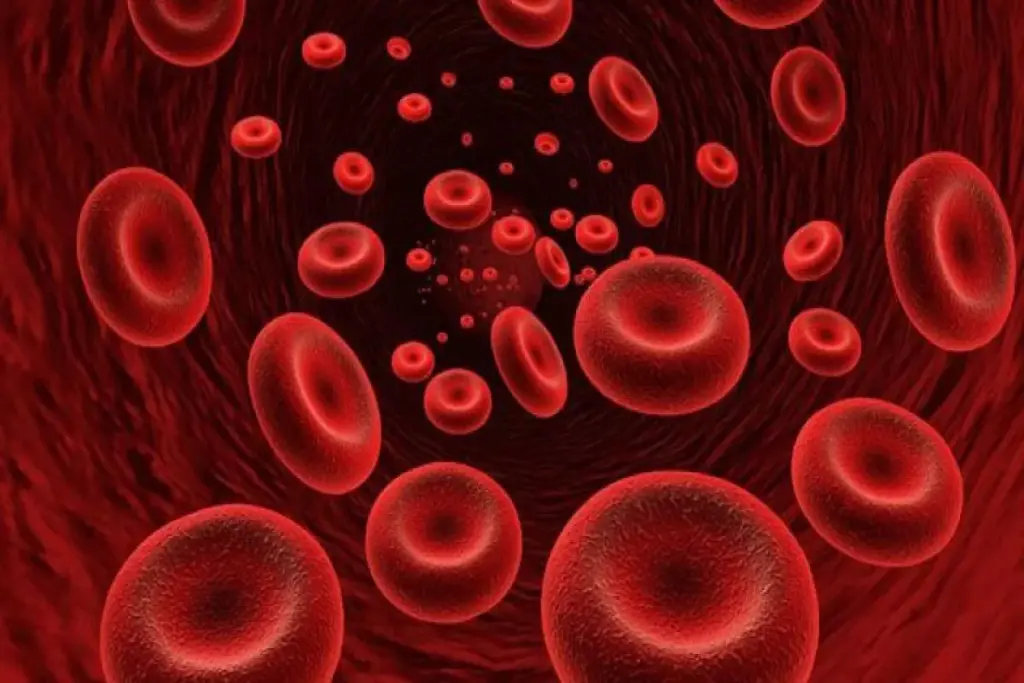
Knowing the normal ranges for Red Blood Cell (RBC) count is key for diagnosing blood disorders. Red blood cells are essential for carrying oxygen and removing carbon dioxide from the body.
Standard RBC Count Values for Adults
Adults have different RBC count ranges based on gender. Men usually have more RBCs than women. Men’s RBC count ranges from 4.7 to 6.1 million cells per microliter (μL) of blood. Women’s ranges are between 4.2 and 5.4 million cells/μL.
Gender and Age Differences in RBC Counts
Gender and age affect RBC counts. Men have higher counts due to sex hormones. Younger people tend to have higher counts, which decrease with age. Knowing these differences helps in understanding CBC results.
The Function of Red Blood Cells in the Body
Red Blood Cells carry oxygen and carbon dioxide. They do this with the help of hemoglobin. Hemoglobin picks up oxygen in the lungs and releases it in the tissues. It also carries carbon dioxide back to the lungs.
In summary, knowing RBC count ranges and their function is crucial for diagnosing and managing conditions like aplastic anemia. A CBC test gives vital information about RBC counts. This helps doctors assess anemia severity and treatment success.
RBC Count Abnormalities in Aplastic Anemia
In aplastic anemia, the bone marrow can’t make enough red blood cells. This leads to very low RBC counts. The bone marrow fails to produce enough blood cells, including red, white, and platelets.
Typical RBC Count Ranges in Aplastic Anemia Patients
People with aplastic anemia have much lower RBC counts than normal. Normal counts are between 4.32 to 5.72 million cells per microliter (μL) for men and 3.90 to 5.03 million cells/μL for women. But, aplastic anemia patients often have counts below 3.5 million/μL, sometimes even lower.
The says aplastic anemia’s severity is based on how low the blood counts are. This includes red, white, and platelet counts.
Severity Classification Based on RBC Counts
The severity of aplastic anemia is based on how low the blood counts are. It can be mild or severe, with severe being life-threatening. RBC counts are key in determining the severity.
For example, severe aplastic anemia is defined by very low counts of certain cells. This includes neutrophils, platelets, and anemia levels.
Comparison with Other Anemic Conditions
Aplastic anemia is different from other anemias. It’s not just about a lack of red blood cells. It’s about the bone marrow’s failure to make any blood cells.
Understanding these differences is key for correct diagnosis and treatment. A Complete Blood Count (CBC) test is crucial. It shows detailed counts of different blood cells.
To understand CBC test results, you need to know what each part means. In aplastic anemia, the CBC shows low counts of all blood cell types.
What Does a CBC Test For in Aplastic Anemia Diagnosis
A Complete Blood Count (CBC) is key in diagnosing aplastic anemia. It checks the levels of red, white blood cells, and platelets.
Components of a Complete Blood Count
A CBC looks at different parts of the blood. It helps us see how well the body makes blood cells. The main parts are:
- RBC Count: Counts red blood cells, which carry oxygen.
- WBC Count: Counts white blood cells, important for fighting infections.
- Platelet Count: Counts platelets, needed for blood to clot.
- Hemoglobin: Checks the amount of hemoglobin in red blood cells, key for oxygen transport.
- Hematocrit: Measures the red blood cells in the blood.
Specific CBC Markers for Aplastic Anemia
In aplastic anemia, CBCs show fewer of all blood cell types, known as pancytopenia. Signs of aplastic anemia include:
- Low RBC count, meaning anemia.
- Reduced WBC count, making infections more likely.
- Low platelet count, causing bleeding issues.
A study in shows CBCs are vital in diagnosing aplastic anemia and tracking treatment.
Interpreting CBC Results in Suspected Aplastic Anemia
When we look at CBC results, we consider the whole picture. We search for signs of aplastic anemia, like pancytopenia. A CBC alone can’t confirm aplastic anemia but is a key step. It often leads to more tests, like a bone marrow biopsy, to confirm the diagnosis.
Understanding what a CBC test does helps us better diagnose and treat aplastic anemia. This improves patient care.
Other Blood Cell Abnormalities in Aplastic Anemia
Aplastic anemia greatly reduces blood cell production. It affects red blood cells (RBCs), white blood cells (WBCs), and platelets. This condition makes it hard for the bone marrow to make these important cells.
White Blood Cell Count Reductions
White blood cells are key in fighting infections. In aplastic anemia, their count drops, leading to leukopenia. This makes patients more likely to get serious infections.
Low WBC counts are a big worry in aplastic anemia. Patients need antibiotics and other treatments to avoid infections.
Platelet Count Abnormalities
Platelet production is also affected in aplastic anemia, causing thrombocytopenia. Platelets help blood clot. Without enough, patients may bruise easily and bleed a lot.
How bad thrombocytopenia is can vary. Sometimes, patients need platelet transfusions to stop bleeding.
Pancytopenia: The Hallmark of Aplastic Anemia
Pancytopenia means all blood cell types are low. It shows how severe aplastic anemia is. It affects the bone marrow’s ability to make blood cells.
Pancytopenia is a key sign of aplastic anemia. It means patients need treatments that help make all blood cells. A CBC test is important for diagnosing and tracking the disease.
Diagnostic Process for Aplastic Anemia
To diagnose aplastic anemia, doctors start with blood tests. Then, they do a bone marrow biopsy. This process is key to finding the right diagnosis and to rule out other possible causes.
Initial Blood Tests and Findings
The first step is a Complete Blood Count (CBC) test. This test checks the levels of red, white blood cells, and platelets. In aplastic anemia, all these counts are usually low.
CBC Test Results Interpretation: A CBC test gives important info about blood cell counts. In aplastic anemia, we see low counts of all blood cell types.
|
Blood Cell Type |
Normal Range |
Aplastic Anemia |
|---|---|---|
|
RBC Count |
4.32-5.72 million cells/μL |
Decreased |
|
WBC Count |
3,500-12,000 cells/μL |
Decreased |
|
Platelet Count |
150,000-450,000 cells/μL |
Decreased |
Bone Marrow Biopsy and Aspiration
After the CBC, a bone marrow biopsy and aspiration are done. These tests check the bone marrow’s cell count and shape. A sample is taken from the hipbone or sternum.
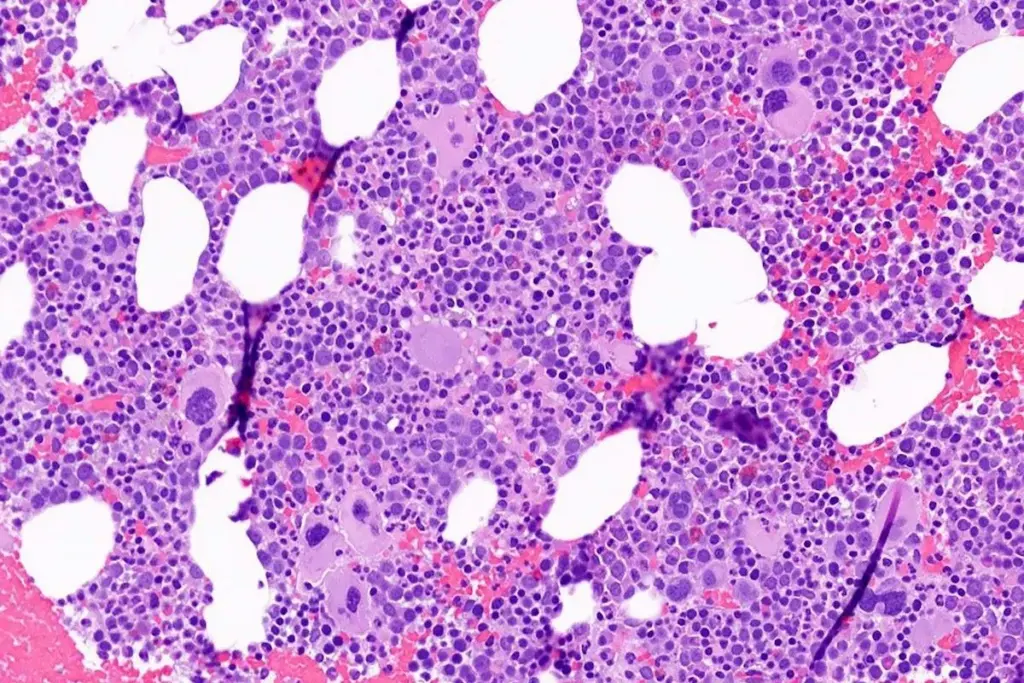
Bone Marrow Test Findings: In aplastic anemia, the bone marrow looks very low in cells. The aspiration shows fewer blood-making cells and more fat cells.
Differential Diagnosis Considerations
It’s important to tell aplastic anemia apart from other conditions with similar blood cell issues. These include myelodysplastic syndromes, acute leukemia, and bone marrow failure syndromes.
Differential Diagnosis: To confirm aplastic anemia, we must rule out other causes of low blood cell counts. This is done through clinical evaluation, lab tests, and bone marrow exams.
Causes and Risk Factors for Low RBC Count in Aplastic Anemia
Aplastic anemia is marked by a low RBC count. This often comes from a mix of genetic and environmental factors. Knowing these causes is key for proper diagnosis and treatment.
Idiopathic Causes
Many aplastic anemia cases are idiopathic, meaning we don’t know the cause. Studies show that a big part of these cases might be linked to problems with the immune system.
Genetic Factors
Genetics also play a big role in some aplastic anemia cases. For example, Fanconi anemia can raise the risk of getting aplastic anemia.
Environmental Triggers
Some environmental toxins, chemicals, and drugs can cause aplastic anemia. Common ones include:
- Pesticides
- Benzene
- Certain medications like NSAIDs and antibiotics
Knowing these risk factors is vital for diagnosing and managing aplastic anemia. By finding the root causes, doctors can create better treatment plans.
Clinical Manifestations of Low RBC Count
It’s important to know the symptoms and complications of low RBC count. Aplastic anemia happens when the bone marrow can’t make enough blood cells, including RBCs. This leads to different symptoms.
Symptoms of Anemia in Aplastic Anemia
People with aplastic anemia often feel tired, weak, and pale. They might also get dizzy and have trouble breathing. These signs happen because their bodies don’t get enough oxygen, which RBCs usually carry.
A doctor said, “Fatigue is a big problem for those with aplastic anemia. It affects their daily life and happiness.”
“The fatigue from aplastic anemia makes simple tasks hard.”
Complications of Severe RBC Reduction
When RBC count drops too low, serious problems can arise. One big issue is heart failure. The heart has to work too hard without enough RBCs, which can cause heart failure.
|
Complication |
Description |
|---|---|
|
Heart Failure |
Increased workload on the heart due to insufficient RBCs, potentially leading to failure. |
|
Increased Risk of Infections |
While more directly related to low white blood cell count, overall bone marrow failure contributes to increased susceptibility. |
|
Bleeding Complications |
Low platelet count, often associated with aplastic anemia, can lead to bleeding complications. |
Quality of Life Impact
The symptoms and complications of low RBC count in aplastic anemia really affect life quality. Patients often feel less able physically, emotionally upset, and may pull back from social activities.
Managing aplastic anemia well means treating the low RBC count and improving life quality. This includes giving blood transfusions and offering psychological support.
Treatment Approaches for Improving RBC Count
Treating aplastic anemia aims to boost RBC count. The main goal is to help the bone marrow make healthy blood cells again.
Blood Transfusion Therapy
Blood transfusions are a key treatment for aplastic anemia. They increase red blood cells and improve oxygen delivery to the body.
These transfusions can reduce symptoms like fatigue and shortness of breath. But, they can also cause iron overload. This means patients might need iron chelation therapy.
Immunosuppressive Treatment
Immunosuppressive therapy (IST) is another strategy. It aims to calm the immune system’s attack on the bone marrow. This is especially helpful for those not suited for bone marrow transplants.
IST uses medicines like antithymocyte globulin (ATG) and cyclosporine. It can improve blood cell counts, including RBCs, in some patients.
Hematopoietic Stem Cell Transplantation
Hematopoietic stem cell transplantation (HSCT) is a possible cure for aplastic anemia. It replaces damaged bone marrow with healthy stem cells from a donor.
HSCT can help restore normal blood cell production, including RBCs. But, it comes with risks like graft-versus-host disease (GVHD) and needs careful donor matching.
|
Treatment Approach |
Primary Benefit |
Potential Risks |
|---|---|---|
|
Blood Transfusion Therapy |
Quickly improves RBC count and alleviates anemia symptoms |
Iron overload, transfusion reactions |
|
Immunosuppressive Treatment |
Can improve blood cell counts without transplantation |
Immune suppression, potential for relapse |
|
Hematopoietic Stem Cell Transplantation |
Potentially curative, restores normal blood cell production |
Graft-versus-host disease, transplant-related mortality |
We’ve looked at treatments for improving RBC count in aplastic anemia. These include blood transfusions, immunosuppressive treatment, and stem cell transplantation. Each has its benefits and risks.
Monitoring RBC Counts During Treatment
Managing aplastic anemia well means keeping a close eye on RBC counts. This is key to seeing if the treatment is working. It also helps make changes to help the patient get better.
Frequency of CBC Testing
Getting regular Complete Blood Count (CBC) tests is very important. How often you get these tests can change. It depends on how far along you are in treatment and your health.
Usually, you get CBC tests:
- More often at the start, like every week or two
- Less often once you’re doing well, maybe every month or three months
- When your health or treatment changes
It’s best if your doctor and you work together to set a testing schedule. This way, you get checked often enough but not too often.
Markers of Treatment Response
We look at several important things in CBC tests to see how treatment is going. These include:
|
Marker |
Description |
Significance |
|---|---|---|
|
RBC Count |
Absolute red blood cell count |
Tells us how bad the anemia is and if treatment is working |
|
Hemoglobin (Hb) Levels |
Amount of hemoglobin in the blood |
Shows how well your blood can carry oxygen and if you have anemia |
|
Reticulocyte Count |
Number of immature red blood cells |
Tells us if your bone marrow is working well and responding to treatment |
These signs give us a full picture of how you’re doing with treatment. They help us decide what to do next.
Long-term Monitoring Protocols
Watching over patients with aplastic anemia for a long time is important. We look at more than just RBC counts. We also watch for possible problems from treatment, like:
- Secondary cancers
- Damage to organs like the liver or kidneys
- Problems with hormones
Every patient’s long-term plan should be made just for them. It depends on their risks and what treatments they’ve had.
By keeping a close eye on RBC counts and other important signs, we can give the best care to patients with aplastic anemia. This helps them do better in the long run.
Epidemiology of Aplastic Anemia
The global spread of aplastic anemia shows a complex pattern. This pattern changes with age, gender, and where you are in the world. Knowing these patterns helps plan for public health and how to use resources.
Global Incidence and Prevalence
Aplastic anemia is rare, with 0.7 to 4.1 cases per million people worldwide. The number of people affected varies in studies. This is because of different ways to diagnose and the types of people studied.
Age and Gender Distribution
The number of people getting aplastic anemia peaks in the young and old. It also varies by gender, with some studies showing more men are affected.
Geographic Variations
There are differences in how often aplastic anemia happens around the world. Some parts of Asia have higher rates than Western countries. This could be due to environment and genetics.
To get a clearer picture of aplastic anemia’s spread, let’s look at the data:
|
Region |
Incidence (per million) |
Age Distribution |
|---|---|---|
|
Western Countries |
0.7-2.0 |
Bimodal |
|
Asian Countries |
1.5-4.1 |
Bimodal, with a higher peak in younger ages |
The spread of aplastic anemia changes a lot depending on who you are and where you are. It’s key to understand these patterns for better public health plans.
Prognosis and Survival Rates
The outlook for aplastic anemia depends on several important factors. Knowing these factors helps both patients and doctors make better treatment plans.
Factors Affecting Prognosis
Many things can change how well someone with aplastic anemia will do. These include how bad the disease is when first found, the patient’s age, and how well they respond to treatment. Getting a diagnosis early and starting treatment right away is key to better survival chances.
The disease’s severity is often judged by blood counts and symptoms. Those with more severe cases usually face a tougher road ahead. Older adults also might have a harder time due to more risks.
Spontaneous Remission Rates
Some people with aplastic anemia might get better on their own, but this is rare. Most need treatment to get better. Those with milder cases are more likely to see spontaneous remission.
Without treatment, the outlook for aplastic anemia patients is usually not good. So, starting treatment quickly is very important for better survival.
Long-term Survival Statistics
Thanks to new treatments, more people with aplastic anemia are living longer. Immunosuppressive therapy and hematopoietic stem cell transplantation have been big helps in this area.
Research shows that with the right treatment, many patients can live a long time. Their health, how bad their condition is, and how well they respond to treatment all matter a lot.
By knowing what affects prognosis and using effective treatments, doctors can greatly improve survival and quality of life for aplastic anemia patients.
Aplastic Anemia vs. Aplastic Crisis
It’s important to know the difference between aplastic anemia and aplastic crisis for the right treatment. Both affect blood cell production but in different ways. This affects how we care for patients.
Differentiating Conditions
Aplastic anemia means the bone marrow can’t make blood cells. This leads to a lack of all blood cell types. An aplastic crisis, however, is a short-term problem with making red blood cells. It often happens when someone gets sick, especially with parvovirus B19.
Understanding how these conditions work and how they show up in patients is key. Aplastic anemia is a long-term issue that affects all blood cell types. An aplastic crisis is a short-term problem mainly with red blood cells.
RBC Count Patterns in Each Condition
In aplastic anemia, the bone marrow can’t make enough red blood cells. This leads to a low RBC count. It also affects white blood cells and platelets, showing it’s a pancytopenic condition.
An aplastic crisis mainly affects red blood cell production. This causes a sudden drop in RBC count. But, it usually gets better on its own, especially in people without bone marrow failure.
Treatment Approach Differences
Treatment for aplastic anemia and aplastic crisis is different. Aplastic anemia might need treatments like immunosuppressants or stem cell transplants. These help the bone marrow work again.
An aplastic crisis is often treated by helping symptoms and watching for problems. Sometimes, treatments for the cause, like antivirals for parvovirus B19, are used.
Knowing these differences helps doctors give better care. This improves how well patients do.
Recent Advances in Aplastic Anemia Research
Aplastic anemia research has made big strides, offering new hope for patients and doctors. We now understand this complex condition better. This is thanks to new diagnostic methods, treatments, and insights into its genetic and molecular roots.
Novel Diagnostic Approaches
Diagnosing aplastic anemia has become more advanced. We can now use advanced genetic testing and molecular diagnostics. This helps us understand the causes of the condition in each patient.
Next-generation sequencing (NGS) is a key advancement. It helps identify genetic mutations linked to aplastic anemia. This technology leads to more precise diagnoses and tailored treatments for each patient.
Emerging Treatment Options
Treatment options for aplastic anemia are changing fast. New therapies are showing promise. These changes are driven by a deeper understanding of the disease.
New treatments include immunosuppressive therapies and hematopoietic growth factors. These help stimulate blood cell production. Also, advancements in hematopoietic stem cell transplantation offer hope for severe cases.
|
Treatment Option |
Description |
Potential Benefits |
|---|---|---|
|
Novel Immunosuppressive Therapies |
Targeted therapies to modulate the immune system’s attack on bone marrow |
Improved response rates, reduced toxicity |
|
Hematopoietic Growth Factors |
Stimulate the production of blood cells |
Rapid recovery of blood counts, reduced need for transfusions |
|
Advanced HSCT Techniques |
Improved methods for hematopoietic stem cell transplantation |
Better outcomes, reduced risk of complications |
Genetic and Molecular Insights
Our understanding of aplastic anemia’s genetic and molecular mechanisms has grown. We know it’s linked to specific genetic mutations and molecular pathways.
These insights improve our diagnostic tools and guide new treatments. By knowing the disease’s molecular drivers, we can create treatments that target its root causes in each patient.
Conclusion: Managing Life with Aplastic Anemia
Managing aplastic anemia well needs a mix of treatments, regular checks, and teaching patients. People with this condition often have low hemoglobin, usually less than 10 g/dL. They might feel tired or weak because their body makes fewer red blood cells.
Research shows that hemoglobin levels can change a lot, from 4.4 g/dL to 10.8 g/dL. This means each patient needs a treatment plan that fits them. For more details, check out studies in top hematology journals, like the one at .
Dealing with aplastic anemia can be tough, but with good care, patients can live better lives. It’s important to have regular blood tests to keep an eye on the condition. Knowing about the disease and how to manage it helps patients make smart choices about their treatment.
FAQ
What is a CBC, and how is it used in diagnosing aplastic anemia?
A Complete Blood Count (CBC) is a blood test. It checks the levels of red blood cells, white blood cells, and platelets. It’s key in spotting aplastic anemia because it shows if blood cell counts are off.
What are the normal RBC count ranges for adults, and how do they differ between men and women?
Adults have different RBC count ranges. Men usually have more RBCs than women. Knowing these ranges helps doctors diagnose and treat aplastic anemia.
How does aplastic anemia affect RBC count, and what are the typical RBC count abnormalities in patients?
Aplastic anemia lowers RBC count because the bone marrow can’t make enough blood cells. Patients often have RBC counts below 3.5 million/μL.
What is pancytopenia, and why is it a hallmark of aplastic anemia?
Pancytopenia means all blood cell types are low. This is a key sign of aplastic anemia. It shows the bone marrow can’t make enough blood cells.
What are the causes and risk factors for low RBC count in aplastic anemia?
Low RBC count in aplastic anemia can come from many sources. It might be genetic, caused by the environment, or have no known cause. Knowing the causes helps doctors find the right treatment.
How is aplastic anemia diagnosed, and what is the role of bone marrow biopsy?
To diagnose aplastic anemia, doctors start with blood tests like CBC. Then, they do a bone marrow biopsy and aspiration. These tests confirm the diagnosis and rule out other conditions.
What are the treatment approaches for improving RBC count in aplastic anemia?
Treatments include blood transfusions, drugs to suppress the immune system, and stem cell transplants. The best treatment depends on how severe the condition is and what the patient needs.
How often should CBC testing be performed during treatment, and what are the markers of treatment response?
How often to test with CBC depends on the treatment plan. Good signs of treatment working include better RBC, WBC, and platelet counts.
What is the difference between aplastic anemia and aplastic crisis?
Aplastic anemia is when the bone marrow can’t make enough blood cells. Aplastic crisis is a short-term problem often linked to other diseases. Knowing the difference is key for correct diagnosis and treatment.
What are the recent advances in aplastic anemia research, and how are they improving patient outcomes?
New research brings better tests, treatments, and understanding of the disease. These advances help doctors treat aplastic anemia more effectively.
References
National Center for Biotechnology Information. Evidence-Based Medical Insight. Retrieved from https://www.ncbi.nlm.nih.gov/books/NBK534212/



 Departments
 Related Videos
 Our Doctors
 News
News