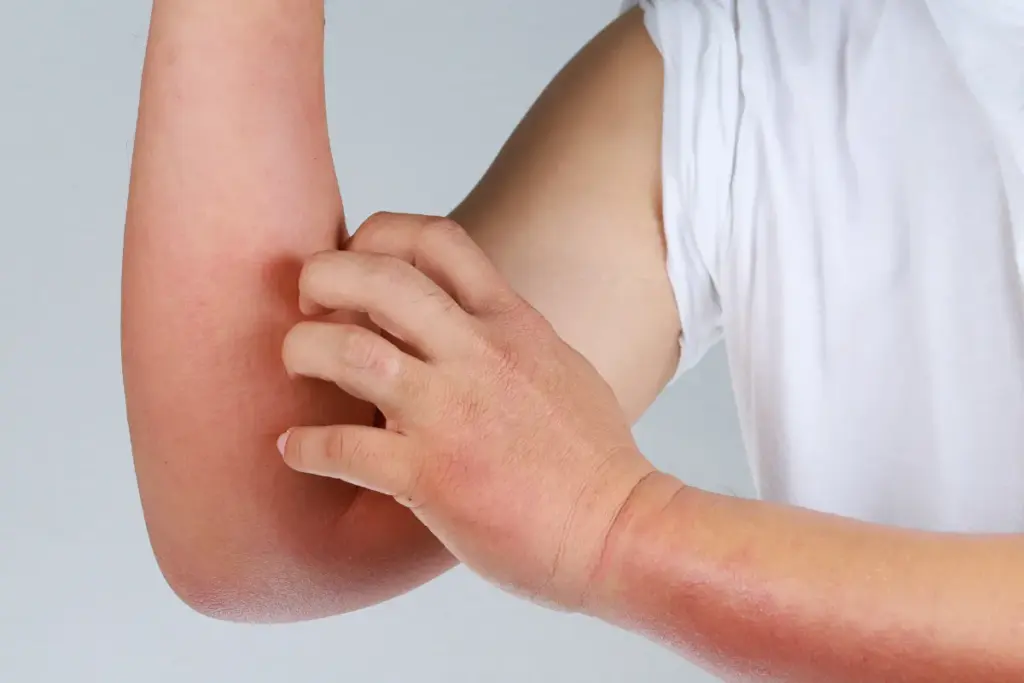
Hepatitis C does more than harm your liver. It can also leave marks on your skin. If you see rashes, hives, itching, or unusual sores, it might be a sign of hepatitis C. You should see a doctor right away.
Knowing what a hepatitis C rash looks like is key. It helps in catching liver disease early. Studies show that up to 17 percent of those with HCV have skin changes. About 75% of people with hepatitis C will get a rash.
At Liv Hospital, our team of experts is ready to help. We use the latest methods to find and treat hepatitis C rashes. We aim to give top-notch care to everyone, including international patients.
Key Takeaways
- Hepatitis C can cause visible skin symptoms, including rashes and hives.
- Approximately 75% of people with hepatitis C will develop a related rash.
- Early recognition of hepatitis C rashes is key for timely treatment.
- Liv Hospital’s specialists use advanced diagnostic protocols for hepatitis C.
- Comprehensive care is available for international patients at Liv Hospital.
Understanding Hepatitis C Skin Manifestations

Hepatitis C can cause different skin symptoms, affecting skin health. These symptoms can range from mild to severe. They can greatly impact the quality of life for those infected.
Prevalence of Skin Changes in HCV Patients
Research shows that up to 17 percent of HCV patients have skin changes. Up to one-third of those with chronic hepatitis C develop visible rashes. These changes can vary in appearance and severity.
More than half of hepatitis C patients will develop chronic liver disease. This can lead to skin problems. The liver’s role in detoxification and metabolism is key. Its dysfunction can cause various skin issues.
| Skin Manifestation | Prevalence in HCV Patients | Description |
| Urticaria and Hives | Common | Red bumps and welts that can cause significant discomfort and itching. |
| Purpura | Moderate | Red or purple blotches on the skin, often associated with blood vessel inflammation. |
| Spider Angiomas | Less Common | Dilated blood vessels visible on the skin surface, often appearing as spider-like formations. |
Connection Between Liver Function and Skin Health
The liver is vital for overall health. Its dysfunction due to hepatitis C can cause skin issues. Liver dysfunction can result in the accumulation of toxins, leading to skin problems.
Hepatitis C can cause chronic liver inflammation. This inflammation can lead to various skin symptoms. Understanding this connection is key for effective patient care.
Recognizing hepatitis C skin symptoms is important. Healthcare providers can then offer better treatment and support. Early diagnosis and management of HCV are vital to prevent long-term damage to the skin and liver.
Identifying HCV Rash Types and Appearances

It’s important to know the different rashes linked to hepatitis C for correct diagnosis and treatment. Hepatitis C virus (HCV) can cause various skin problems. Knowing the look of each rash is key.
Urticaria and Hives: Red Bumps and Welts
Urticaria, or hives, is a common rash from hepatitis C. Urticaria shows up as itchy, red welts on the body. These welts can come and go in different spots.
Purpura: Red or Purple Blotches
Purpura is a skin sign of HCV, showing as red or purple spots. These spots come from bleeding under the skin. They might mean there’s a problem with blood vessels due to hepatitis C.
Spider Angiomas: Dilated Blood Vessels
Spider angiomas look like a spider’s web on the skin. They are red spots with lines that look like a spider’s legs. These are often seen in people with liver disease, like hepatitis C.
Distinguishing HCV Rashes From Other Skin Conditions
Telling HCV rashes apart from other skin issues can be hard. A doctor needs to do tests and sometimes take a skin sample to figure out the rash’s cause.
| Rash Type | Characteristics | Associated Symptoms |
| Urticaria/Hives | Raised, red, itchy welts | Itching, redness |
| Purpura | Red or purple blotches | Bleeding under the skin |
| Spider Angiomas | Red spot with radiating vessels | Liver disease symptoms |
Conclusion: When to Seek Medical Attention for Hepatitis C Skin Symptoms
We’ve talked about skin issues linked to Hepatitis C, like hives and rashes. If you notice itching, red bumps, or purpura, get medical help right away.
Getting treated for hepatitis C can help clear up a rash. Doctors might give you oral antihistamines or hydrocortisone cream for itching and hives. Knowing what a hep C rash looks like is key to knowing when to see a doctor.
If you have hepatitis C and notice skin problems, see your doctor without delay. Early action can prevent serious issues and improve your life. Getting medical help means you’ll get the right treatment and relief from itching and discomfort.
FAQ
What does a hepatitis C rash look like?
A hepatitis C rash can look different. It might be red bumps, welts, or blotches on your skin. You might also feel itching or other symptoms.
Can hepatitis C cause a rash?
Yes, hepatitis C can cause skin problems like rashes. The infection can damage your skin, leading to different types of rashes.
What are the symptoms of a hepatitis C skin rash?
Symptoms of a hepatitis C rash vary. You might feel itching, see redness, or have inflammation. Some rashes can also cause fatigue, fever, or joint pain.
How is a hepatitis C rash diagnosed?
Diagnosing a rash from hepatitis C involves a few steps. A doctor will examine you, ask about your health history, and run tests. They might also do a skin biopsy to check for other conditions.
What is the connection between liver function and skin health?
The liver is key for detox and metabolism. When it’s not working right, it can affect your skin. Hepatitis C can damage the liver, causing skin issues like rashes.
Can hepatitis C rashes be treated?
Yes, you can treat hepatitis C rashes. Doctors might use antiviral meds to fight the infection. They might also use creams or ointments to help with symptoms. Sometimes, they’ll prescribe corticosteroids or antihistamines for itching and inflammation.
How can I distinguish a hepatitis C rash from other skin conditions?
It’s hard to tell if a rash is from hepatitis C or not. A doctor will examine you, ask about your health, and might run tests. They’ll try to find the cause of the rash.
Are hepatitis C rashes contagious?
No, hepatitis C rashes are not contagious. The rash is a sign of the infection, not something you can catch. Hepatitis C spreads through blood contact, not through touch.
What should I do if I suspect I have a hepatitis C rash?
If you think you have a hepatitis C rash, see a doctor right away. They’ll check your symptoms, run tests, and tell you about treatment options.
. Prevention of spread of hepatitis C. Hepatology, 36(5 Suppl 1), S93–S98. https://doi.org/10.1053/jhep.2002.36389