Understand the science: what does bone marrow do? Learn why finding a 100% match is vital for a successful transplant and long life.
Finding a perfect bone marrow match is key for a transplant’s success. A 100% match means having an identical human leukocyte antigen (HLA) profile.
A 10-year-old, donated stem cells to his dad. This shows how important matching is in bone marrow transplantation. Siblings are usually the best match because they share similar genes.
A 100% HLA match greatly boosts the transplant’s success rate. It also lowers the risk of complications. We’ll look into HLA matching and the role of siblings as donors next.
Key Takeaways
- A 100% match for a bone marrow transplant is defined by an identical HLA profile.
- Siblings are often the best candidates to be a 100% match due to their genetic similarity.
- A 100% HLA match improves the chances of a successful transplant and reduces complications.
- HLA matching is critical for the success of bone marrow transplantation.
- Donating stem cells from a matched sibling can be a life-saving decision.
Understanding Bone Marrow and Its Life-Saving Role

Bone marrow is a spongy tissue inside our bones. It’s key for making blood cells that keep us alive. Its role is vital for our health and survival.
The Composition of Bone Marrow
Bone marrow has a complex mix of blood vessels, nerves, and cells. It comes in two types: red marrow and yellow marrow. Red marrow makes blood cells, a process called hematopoiesis. It’s found in bones like hips, spine, and ribs.
Yellow marrow, on the other hand, is mostly fat cells. It’s in the long bones’ hollow shafts.
How Bone Marrow Produces Blood Cells
Blood cell production, or hematopoiesis, is complex. It starts with stem cells turning into different blood cells. Stem cells can become red blood cells, white blood cells, and platelets.
Red blood cells carry oxygen, white blood cells fight infections, and platelets help blood clot. Bone marrow’s role in making these cells is critical.
A doctor and his son show bone marrow’s life-saving power. Their story emphasizes the need for bone marrow donation.
What Does Bone Marrow Do in the Human Body?
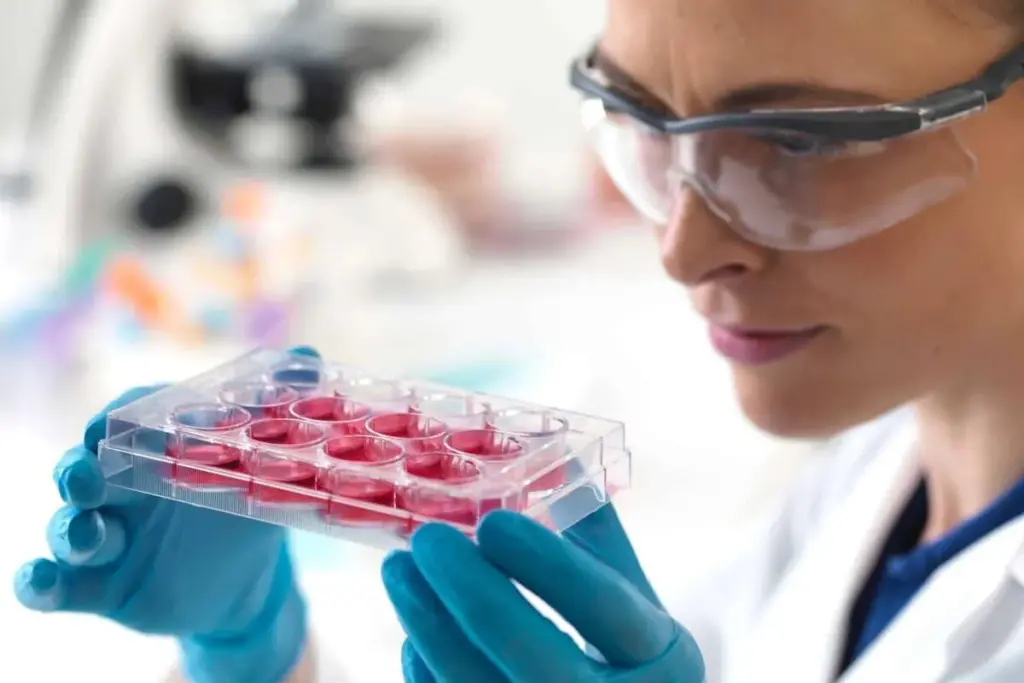
Bone marrow is a spongy tissue inside our bones. It’s key for making blood cells and boosting our immune system. Its role is vital for our health.
Blood Cell Production Functions
Bone marrow makes blood cells like red, white, and platelets. Red blood cells carry oxygen, white blood cells fight infections, and platelets help blood clot. It makes billions of these cells every day to replace old or damaged ones.
The making of blood cells in bone marrow is complex. It involves many cell types and growth factors. This ensures we always have healthy blood cells, keeping us healthy and preventing diseases.
Immune System Support
Bone marrow also supports our immune system. It’s where immune cells mature to fight off pathogens. These immune cells, like B lymphocytes, are key to our defense.
Also, bone marrow has stem cells that can turn into different cell types. This helps repair and grow tissues. It’s vital for keeping our body’s systems working well and healing from injuries or diseases.
In short, bone marrow is essential for our health. It’s a factory for blood cells and a key part of our immune system. Medical science keeps showing how important bone marrow is for health and treating diseases. We need to keep studying it.
When Is a Bone Marrow Transplant Necessary?
Bone marrow transplants are needed when other treatments don’t work. They save lives for people with serious diseases.
Medical Conditions Requiring Transplantation
Patients with certain blood cancers and disorders need bone marrow transplants. These include:
- Leukemia
- Lymphoma
- Multiple myeloma
- Aplastic anemia
- Sickle cell disease
A doctor story with acute myeloid leukemia shows why bone marrow transplants are key. They offer a cure or help manage the disease when other treatments don’t work.
|
Medical Condition |
Description |
Treatment Involving BMT |
|---|---|---|
|
Leukemia |
A cancer of the blood and bone marrow |
Often treated with BMT after chemotherapy |
|
Lymphoma |
Cancer of the lymphatic system |
BMT used for certain types, specially after relapse |
|
Multiple Myeloma |
Cancer of plasma cells in the bone marrow |
BMT can be part of the treatment plan |
When Other Treatments Fail
A bone marrow transplant is considered when other treatments don’t work. This choice depends on the patient’s health, the disease, and its stage.
To be a BMT donor, one must meet certain bone marrow donor criteria. It’s important to know the differences between stem cell transplant vs bone marrow transplant and stem cell vs bone marrow transplant. This helps decide the best treatment.
The Science Behind Bone Marrow Matching
The success of a bone marrow transplant depends on how well the donor and recipient match. This matching is based on Human Leukocyte Antigens (HLA) and genetics.
Human Leukocyte Antigens (HLA) Explained
HLA proteins are on the surface of white blood cells and other body tissues. They help the immune system tell self-proteins from foreign ones. HLA typing is key for matching donors and recipients for transplants.
The HLA system is complex, with many genes involved. Genes like HLA-A, HLA-B, and HLA-Medical Expert. The closer the HLA types match, the lower the risk of complications.
The Genetic Basis of Matching
Matching for bone marrow transplants involves finding the right HLA alleles. This is done through HLA typing in labs. The goal is to find a donor with a close HLA match to the recipient.
Here’s a table showing the importance of HLA typing in bone marrow transplants:
|
HLA Gene |
Function |
Importance in Bone Marrow Transplant |
|---|---|---|
|
HLA-A |
Recognizes and binds to specific peptides |
Critical for determining compatibility |
|
HLA-B |
Similar to HLA-A, involved in peptide recognition |
Essential for reducing the risk of GVHD |
|
HLA-DR |
Plays a key role in the immune response |
Significant for matching and reducing complications |
Understanding HLA matching helps healthcare providers find the best donors. This reduces the risks of bone marrow transplant complications.
What Makes a 100% Match for Bone Marrow Donation?
A 100% match in bone marrow donation is the best, as it lowers the risk of serious side effects. This perfect match comes from a detailed process. It involves checking Human Leukocyte Antigen (HLA) typing and genetic markers.
HLA Typing and Perfect Matches
HLA typing is key in finding bone marrow donors. HLA genes help the immune system tell self from foreign. A perfect match means the donor and recipient’s HLA genes are very similar.
The HLA typing process looks at genetic markers to find a donor’s HLA type. This type is then compared to the recipient’s. The closer the match, the less risk of problems after the transplant.
The Importance of Genetic Markers
Genetic markers are vital for matching bone marrow donors. They are DNA sequences that show an individual’s HLA type. By analyzing these markers, we can find the best match, lowering the risk of complications.
The table below shows the role of HLA genes in matching bone marrow:
|
HLA Gene |
Function |
Importance in Bone Marrow Matching |
|---|---|---|
|
HLA-A |
Recognizes and binds to specific peptides |
Critical for determining compatibility |
|
HLA-B |
Plays a key role in the immune response |
Essential for matching donors and recipients |
|
HLA-C |
Involved in the regulation of immune cells |
Important for reducing the risk of GVHD |
|
HLA-DRB1 |
Activates immune cells to respond to pathogens |
Crucial for determining compatibility and reducing transplant complications |
While a 100% match is the goal, it’s not always achievable. But, thanks to medical progress and a larger donor registry, finding a good match is getting easier. Even a half-match can be beneficial in some cases. This shows how complex and nuanced bone marrow matching can be.
Sibling Donors: Your Best Chance for a Perfect Match
Looking for a bone marrow match often starts with siblings. They have a better chance of being compatible because of their genetic similarities. This makes finding a perfect match more likely.
When someone needs a bone marrow transplant, family members, like siblings, are usually tested first. This is because they share half of their genes from each parent. This makes them great candidates to be donors.
The 25% Sibling Match Probability
Siblings have a 25% chance of being a perfect match for bone marrow donation. This chance comes from their genetic inheritance from their parents. If siblings get the same HLA genes from their parents, they’re more likely to match.
The HLA system is key in the immune system. Matching these antigens is essential for a successful transplant. Studies show that siblings with the same HLA genes are better donors.
- Siblings are more likely to be a match due to shared genetic material.
- The probability of being a match is around 25% among siblings.
- HLA matching is critical for reducing the risk of graft-versus-host disease.
Testing Process for Family Members
When a sibling is seen as a possible donor, tests are done to check if they’re compatible. These tests include HLA typing, which looks at the genes for HLA antigens. The testing involves:
- Blood tests to find out HLA types.
- Reviewing medical history to check overall health.
- A physical exam to make sure the donor is healthy enough.
a well-known hematologist, says,
“The testing for family members is detailed. It helps us find the best match for the patient. It’s a key part of the transplant process.”
By testing siblings and other family members, we can find the best donor. This increases the chances of a successful transplant.
Beyond Family: Finding Unrelated Donors
Many patients need help from unrelated donors for bone marrow transplants. This is when a family match isn’t possible. The search for an unrelated donor involves several steps. It relies on registries like the National Marrow Donor Program (NMDP).
The Search Process for Unrelated Donors
The search starts with Human Leukocyte Antigen (HLA) typing. This identifies possible matches. Then, donor registries are searched using this information.
Registries like the NMDP have big databases of donors. When a match is found, the donor is contacted. They then do more tests to check if they’re a good match.
Success Rates with Unrelated Donors
The success of a bone marrow transplant from an unrelated donor depends on a few things. These include the HLA match and the recipient’s health.
Research shows that transplants from unrelated donors can work well. This is true when there’s a good HLA match.
|
HLA Match Level |
Success Rate |
|---|---|
|
8/8 Match |
70% |
|
7/8 Match |
50% |
|
Less than 7/8 Match |
30% |
Using unrelated donors has opened up more possibilities for bone marrow transplants. It gives hope to patients without a matching family member.
Ethnic Disparities in Bone Marrow Matching
Finding a perfect bone marrow match is tough because of ethnic differences. It’s key for a bone marrow transplant to work well. But, the chance of finding a match varies by ethnicity because of genetic differences.
Match Rates Across Different Ethnicities
People from different ethnic backgrounds often struggle to find a matched donor. For example, African Americans, Asian Americans, and Hispanic Americans face lower match rates. This is because of genetic diversity and fewer minority donors in registries.
Key statistics highlighting these disparities include:
- A significantly lower match rate for patients from minority ethnic groups.
- The underrepresentation of these groups in the National Marrow Donor Program (NMDP) registry.
- The importance of genetic diversity in improving match rates for all patients.
Efforts to Diversify Donor Registries
There’s a big push to make donor registries more diverse. This includes special recruitment in underrepresented communities and new tech to find donors. The NMDP registry is working hard to add more diverse donors.
Some strategies include:
- Community outreach and education programs.
- Partnerships with groups serving diverse ethnic communities.
- Streamlined registration to make it easier for donors to join.
By making the donor pool more diverse, we can help more patients find a match. This could save more lives through bone marrow transplants.
Advances in Transplantation: When 100% Isn’t Possible
Medical technology has changed bone marrow transplantation a lot. Now, patients can get transplants even without a 100% match. Before, finding a fully matched donor was key for a transplant to work. But now, new options have opened up, making more donors possible.
Haploidentical Transplants
Haploidentical, or half-matched, transplants are now a good choice for many. They use a family member who shares half of the patient’s genes. For example, a parent, child, or sibling can be a donor. The story shows how these transplants can save lives.
One big plus of haploidentical transplants is they’re often available. Family members are usually a good match. Thanks to haploidentical transplant techniques, these transplants are working better for patients.
Mismatched Unrelated Donor Transplants
For those without a family match, mismatched unrelated donor transplants are an option. These come from registries like the National Marrow Donor Program (NMDP). While they’re not as common, better treatments and techniques have made them more successful.
Finding an unrelated donor can take a long time. But, global registries help find suitable donors. The success of these transplants depends on careful management and advanced matching technologies.
The world of bone marrow transplantation is changing fast. Advances in transplantation technology are helping more patients get the transplants they need. As science keeps improving, we’ll see even better transplant results, even without a 100% match.
The Role of Donor Registries in Finding Matches
Donor registries are key in finding bone marrow donors for patients. They are databases that hold donor information. This makes it easier to find matches for those in need.
We count on these registries to match patients with donors. The National Marrow Donor Program (NMDP) is a big help in this area. It connects donors and patients all over the world.
National Marrow Donor Program (NMDP)
The NMDP leads in bone marrow donation. It has a huge registry of donors. The NMDP helps match donors with patients and supports them through the donation process.
The NMDP is key in making sure patients have many donors to choose from. This is important for patients from diverse backgrounds. It helps increase their chances of finding a match.
Gift of Life and Other International Registries
Organizations like Gift of Life also play a big role. They add to the global donor database. This helps patients find matches worldwide.
These registries work together to build a global network of donors. This teamwork is essential. It ensures patients have the best chance of finding a match, no matter where they are.
|
Registry |
Description |
Donor Base |
|---|---|---|
|
NMDP |
Leading organization in bone marrow donation |
Millions of possible donors |
|
Gift of Life |
International registry adding to the global donor database |
Diverse pool of donors |
|
Other International Registries |
Various registries worldwide facilitating bone marrow donations |
Global network of donors |
The work of these registries shows the need for a global effort in bone marrow donation. Together, they improve the chances of patients needing a transplant.
The Bone Marrow Donation Process
It’s important to know about the bone marrow donation process. This is true for both donors and those who need a transplant. The process changes based on the type of donation. This can be either peripheral blood stem cell donation or traditional bone marrow harvesting.
Peripheral Blood Stem Cell Donation
Peripheral blood stem cell (PBSC) donation is the most common type. It makes the donor’s bone marrow produce more stem cells. Then, these stem cells are collected from the blood.
Process Overview:
- Donors get shots to make their bone marrow release more stem cells into their blood.
- The blood, now full of stem cells, is drawn through a needle. It goes through a machine that separates the stem cells.
- The rest of the blood is put back into the donor.
- This whole process is called apheresis and can take hours.
Stephen Mondek’s story shows how easy and quick PBSC donation can be. Donors usually get better fast. Their body makes more stem cells.
Traditional Bone Marrow Harvesting
Traditional bone marrow harvesting takes bone marrow from the hipbone. It’s also known as bone marrow aspiration.
Key Steps:
- The donor gets anesthesia to feel less pain.
- A needle is put into the hipbone to get the bone marrow.
- This procedure is done in an operating room. It might need a short hospital stay.
This method is more invasive than PBSC donation. But, medical advancements have made recovery times shorter. They’ve also lowered the risk of problems.
|
Donation Method |
Procedure |
Recovery Time |
|---|---|---|
|
Peripheral Blood Stem Cell Donation |
Apheresis after stem cell stimulation |
Short, typically a few days |
|
Traditional Bone Marrow Harvesting |
Surgical aspiration under anesthesia |
Longer, may require several weeks |
Both methods have their benefits. They are chosen based on the recipient’s needs and health. Knowing about these processes helps donors make good choices.
Becoming a Bone Marrow Donor: Requirements and Process
Starting your journey as a bone marrow donor requires several steps. First, you need to meet health and age requirements. We’ll guide you through each step to help you understand what’s needed.
Age and Health Requirements
To qualify, you must be between 18 and 44 years old. Some registries may accept donors up to 60. You also need to be in good health. This means you can’t have certain medical conditions or diseases.
Age Criteria
- Minimum Age: 18 years
- Maximum Age: Typically 44, but up to 60 for some registries
Health Criteria
- Free from chronic diseases like diabetes or heart disease
- Not having infectious diseases such as HIV or hepatitis
- Overall good health
Registration and Testing Procedures
After meeting the criteria, you’ll start the registration process. This includes HLA typing, which is a simple cheek swab or blood test. It determines your tissue type.
Steps in Registration and Testing
- Initial Registration: Signing up through a donor registry.
- HLA Typing: Undergoing the test to determine your HLA type.
- Donor Profile Creation: Creating a detailed profile that includes medical history and contact information.
Detailed Registration Process
After HLA typing, you’re listed in the registry. When a patient needs a transplant, the registry searches for a match. If a match is found, you’ll be contacted for further testing to confirm the match.
|
Step |
Description |
Purpose |
|---|---|---|
|
Initial Registration |
Signing up and providing basic information |
To create a donor profile |
|
HLA Typing |
Cheek swab or blood test to determine tissue type |
To identify possible matches |
|
Donor Listing |
Listing in the donor registry |
To be searchable for patients |
|
Match Notification |
Being contacted when a match is found |
To proceed with further testing |
|
Confirmatory Testing |
Additional tests to confirm the match |
To ensure compatibility |
To become a bone marrow donor, you need to meet health and age criteria. You also need to go through a registration process that includes HLA typing. Understanding these steps helps you know what’s involved.
Diseases Treated with Bone Marrow Transplants
For patients with severe diseases, bone marrow transplants can be a lifesaver. They treat a range of serious conditions, from blood cancers to non-cancerous disorders.
Blood Cancers: Leukemia, Lymphoma, and Myeloma
Blood cancers are a main focus for bone marrow transplants. These include:
- Leukemia: A cancer of the blood or bone marrow, with too many white blood cells.
- Lymphoma: Blood cell tumors from lymphocytes, a white blood cell type.
- Myeloma: A cancer of plasma cells in the bone marrow, causing anemia, bone pain, and infections.
Fight with leukemia shows the power of bone marrow transplants. His journey emphasizes the need for a matching donor and the chance for recovery.
Non-Cancer Conditions: Sickle Cell, Aplastic Anemia, and Others
Beyond blood cancers, bone marrow transplants also treat non-cancerous conditions. These include:
- Sickle Cell Disease: A genetic disorder affecting hemoglobin, causing abnormal red blood cells.
- Aplastic Anemia: A condition where the bone marrow doesn’t make blood cells, leading to infections and bleeding.
- Other Conditions: Such as thalassemia major and certain immune deficiencies.
|
Disease |
Description |
Treatment Role of Bone Marrow Transplant |
|---|---|---|
|
Leukemia |
Cancer of the blood or bone marrow |
Replaces cancerous cells with healthy ones |
|
Lymphoma |
Cancer of lymphocytes |
Provides a potentially curative treatment option |
|
Myeloma |
Cancer of plasma cells |
Supports high-dose chemotherapy and immune system reset |
|
Sickle Cell Disease |
Genetic disorder affecting hemoglobin |
Replaces defective stem cells with healthy ones |
|
Aplastic Anemia |
Bone marrow failure |
Restores bone marrow function |
Medical research keeps growing, making bone marrow transplants treat more diseases. The success of these treatments highlights the value of donor registries and the kindness of donors.
“The gift of a bone marrow transplant is a gift of life. It’s a remarkable process that can offer hope to patients with dire prognoses.”
— A bone marrow transplant recipient
The Future of Bone Marrow Matching Technology
The future of bone marrow matching is changing fast. New technologies are making bone marrow transplants better. These changes come from better HLA typing and new ways to match donors.
Advances in HLA Typing
HLA typing is key for finding the right donor for bone marrow transplants. New methods have made matching faster and more accurate. Next-generation sequencing (NGS) is a big help, giving detailed HLA profiles.
Artificial intelligence (AI) and machine learning (ML) are also being used. They help find matches by analyzing data. This makes finding donors quicker.
|
Technology |
Description |
Benefits |
|---|---|---|
|
Next-Generation Sequencing (NGS) |
High-resolution typing of HLA genes |
Improved accuracy in matching donors |
|
Artificial Intelligence (AI) |
Analysis of complex data patterns for predicting matches |
Reduced time in identifying suitable donors |
|
Machine Learning (ML) |
Streamlining the search process for donor matches |
Enhanced efficiency in the matching process |
Emerging Alternatives to Traditional Matching
New ways to match donors are being explored. Haploidentical transplantation uses partially matched donors, like family members. This has opened up more options for patients.
Induced pluripotent stem cells (iPSCs) are another area of research. They can be made from a patient’s own cells, making donor matching unnecessary. This is a big step forward for regenerative medicine.
There’s also a push to get more diverse donors. This increases the chances of finding a match for patients from different backgrounds. With more donors and new tech, bone marrow transplants will save more lives.
Real-Life Success Stories: When Matches Save Lives
The power of bone marrow donation is best seen through real-life stories. These stories inspire donors and give hope to patients waiting for a transplant.
Patient Testimonials
For many, a bone marrow transplant is a second chance at life. Here are some testimonials from patients who have gone through the procedure.
A leukemia patient, received a life-saving transplant. I was overwhelmed with gratitude when I found out. His selflessness gave me a new lease on life.”
Sarah, another patient, received a transplant from an unrelated donor. “The transplant was a success, and I am now cancer-free,” Sarah said. “I am forever grateful to my donor and the medical team who made it possible.”
“The transplant was a success, and I am now cancer-free. I am forever grateful to my donor and the medical team who made it possible.”
Sarah, bone marrow transplant recipient
Donor Experiences
Donating bone marrow is a generous act that can profoundly impact a recipient’s life. Here are some experiences from donors.
I was happy to be a match for Stephen, and I felt a sense of pride knowing that I could help someone in need.
Rachel, another donor, donated to a patient she had never met. “I was a bit nervous at first, but the process was straightforward, and I felt a sense of relief and happiness knowing that I had helped someone,” Rachel said.
Conclusion: The Ongoing Need for Bone Marrow Donors
Even with new medical tech and transplant methods, we need more bone marrow donors. Bone marrow transplants can save lives for those with blood cancers and disorders. But finding a matching donor is often hard.
The National Marrow Donor Program (NMDP) and other registries help match patients with donors. They need a wide range of donors to find matches, but it’s harder for patients from minority groups.
Becoming a bone marrow donor is easy, and it can change lives. We urge readers to sign up as donors. This way, they help in saving lives through transplants.
By joining a bone marrow registry, people can greatly help patients waiting for transplants. We must keep talking about the need for donors. We also need to work on making donor lists more diverse.
FAQ
What is bone marrow, and what does it do?
Bone marrow is the spongy tissue inside some bones like the hips and thighbones. It makes blood cells. This is key for the immune system and for making red and white blood cells and platelets.
What is a 100% match for bone marrow donation?
A 100% match means the donor and recipient have the same Human Leukocyte Antigens (HLA). This is important for a successful transplant. It lowers the risk of complications like graft-versus-host disease (GVHD).
Why are siblings considered the best possible donors for bone marrow transplants?
Siblings have a 25% chance of being a match because they share genetic traits. This is because HLA genes come from parents, and siblings often share these genes.
What is the role of the NMDP registry in bone marrow transplantation?
The National Marrow Donor Program (NMDP) registry is a database of donors. It helps match patients with donors. The NMDP is key in finding compatible donors for transplants.
What are the different types of bone marrow transplants?
There are autologous, allogeneic, and syngeneic transplants. Each type has its own benefits and drawbacks. They differ in who the donor is.
How is HLA typing used to find compatible donors?
HLA typing identifies an individual’s HLA genes. It compares these genes between donor and recipient. A closer match means less risk of complications.
What are the medical conditions that require bone marrow transplantation?
Transplants treat blood cancers like leukemia and lymphoma. They also help with non-cancerous conditions like sickle cell disease and aplastic anemia.
What is the difference between peripheral blood stem cell donation and traditional bone marrow harvesting?
Peripheral blood stem cell donation collects stem cells from the bloodstream. Traditional bone marrow harvesting removes marrow from the hipbone. Each method has its own benefits and drawbacks.
How can I become a bone marrow donor?
Register with a donor registry like the NMDP or Gift of Life. You’ll need to give a saliva or blood sample and fill out a health questionnaire.
What are the age and health requirements for becoming a bone marrow donor?
Donors must be 18 to 60 years old and in good health. These requirements vary by registry.
What is the future of bone marrow matching technology?
New HLA typing and matching technologies are improving transplant success. These advancements aim to find compatible donors more accurately and quickly.
References
National Center for Biotechnology Information. Evidence-Based Medical Insight. Retrieved from https://pmc.ncbi.nlm.nih.gov/articles/PMC3890239/