

High calcium in urine, known as hypercalciuria, means your body is losing too much calcium. This is a serious issue that needs careful attention from doctors. It can lead to kidney stones and other problems, affecting many people around the world.
At Liv Hospital, we use the latest tests and create treatment plans just for you. We aim to control urinary calcium levels. Knowing why and how to diagnose hypercalciuria is key to keeping your kidneys and bones healthy.
Key Takeaways
- Hypercalciuria is a condition characterized by high levels of calcium in the urine.
- It is a risk factor for developing kidney stones and other health complications.
- Liv Hospital offers advanced diagnostic testing for urinary calcium levels.
- Personalized treatment plans are designed to manage hypercalciuria effectively.
- Understanding the causes and diagnosis is critical for maintaining kidney and bone health.
Understanding What Calcium in Urine Means
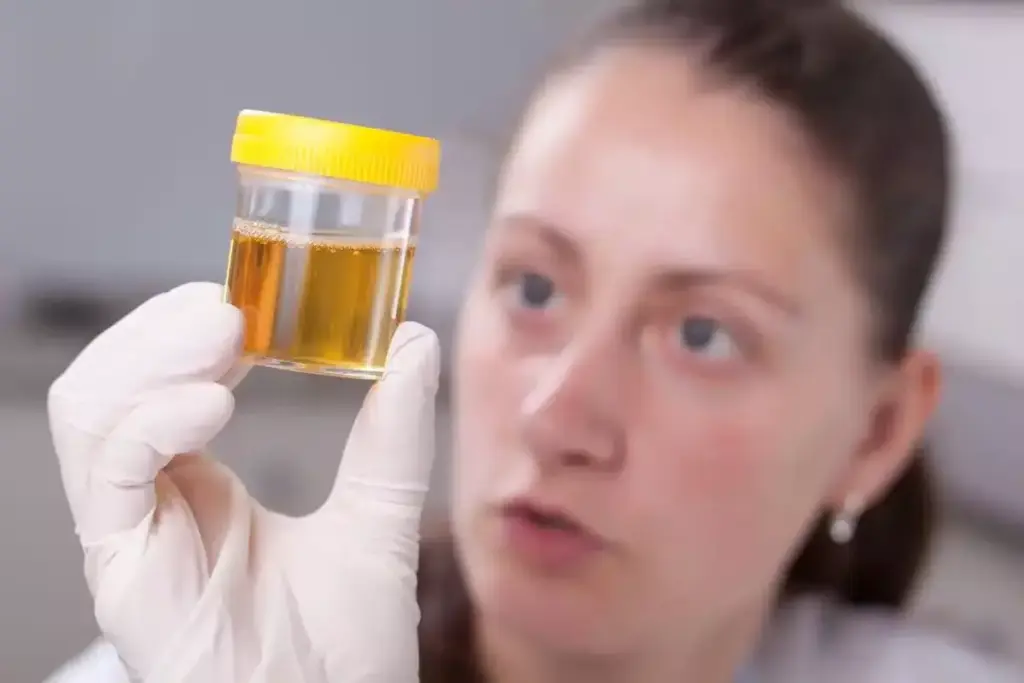
It’s important to know what calcium in urine means for your health. We’ll explore what hypercalciuria is, normal vs. high calcium levels, and who’s at risk. This knowledge helps in diagnosing and treating related health problems.
Definition of Hypercalciuria
Hypercalciuria is when you lose more than 250 mg of calcium in your urine daily. It’s a sign of possible health issues, like kidney stones. Doctors use a 24-hour urine test to check for it.
Normal urine calcium levels are between 100 to 250 mg per day. If you’re above this, it might mean you have hypercalciuria. This calls for a closer look by a doctor.
Normal vs. Elevated Calcium Levels
Urine calcium levels show how well you’re doing health-wise. Normal levels are 100 to 250 mg per day. But, if they’re too high, it could mean you have a problem that needs fixing.
Things like what you eat, your genes, and some health conditions can raise your calcium levels. Knowing this helps in managing your health better.
Prevalence and Risk Factors
Hypercalciuria affects about 5-10% of people, more in those with calcium kidney stones. It’s found in one-third of those who get calcium stones. Your genes, diet, and health can increase your risk.
Hypercalciuria is a condition that needs careful attention. Knowing the causes and risks helps doctors create better treatment plans. This way, they can lessen its effects on your health.
Causes and Types of High Calcium in Urine

Hypercalciuria, or high calcium in urine, comes from many sources. This includes what we eat and our health. Knowing why it happens helps us treat it better.
Absorptive Hypercalciuria
Absorptive hypercalciuria is the most common type. It happens when we absorb too much calcium from food. This leads to too much calcium in our urine. Increased intestinal absorption is key here. What we eat plays a big role in managing this.
Renal Calcium Leak
Renal calcium leak is another big reason for high calcium in urine. It happens when our kidneys can’t reabsorb calcium well. This shows how important renal function is for keeping calcium levels right. We must look at renal calcium leak in patients with high urinary calcium.
Resorptive Hypercalciuria
Resorptive hypercalciuria is linked to hyperparathyroidism. This is when our parathyroid glands work too hard. They make too much parathyroid hormone, raising blood and urine calcium. Knowing this link is key for treating the condition.
Dietary Influences on Calcium Excretion
What we eat affects how much calcium we lose in urine. Eating too much calcium, sodium, and animal protein can raise urine calcium. A balanced diet helps manage hypercalciuria. Drinking enough water also helps prevent kidney stones from high calcium levels.
Understanding hypercalciuria’s causes and types helps us manage it. We must look at both health issues and diet when dealing with high calcium in urine.
Conclusion
It’s important to know why calcium levels in urine are high and what it means. A 24-hour urine test for calcium helps figure this out. This test is key in spotting problems with blood calcium or bones.
This test shows if someone might get kidney stones or bone issues. It’s a big help for doctors to make the right treatment plans.
Getting a 24 hour calcium urine test is a big step in managing high calcium in urine. It helps avoid serious health problems later on.
Knowing why calcium levels are high and how to manage it is key. The calcium in urine test is a big part of this. It helps doctors give the best care and support.
FAQ
What is hypercalciuria?
Hypercalciuria is the condition of having abnormally high calcium excretion in the urine.
What are the normal calcium levels in urine?
Normal calcium excretion is generally 100–250 mg/day in women and 100–300 mg/day in men.
What causes high calcium levels in urine?
Causes include increased intestinal absorption, renal tubular defects, high bone resorption, hyperparathyroidism, and certain medications.
What is the difference between absorptive, renal, and resorptive hypercalciuria?
Absorptive is due to increased gut calcium absorption, renal (renal leak) is due to impaired kidney reabsorption, and resorptive is due to excessive bone calcium release.
How is hypercalciuria diagnosed?
Diagnosis is made via 24-hour urine calcium measurement or spot urine calcium-to-creatinine ratio, alongside clinical assessment.
What is the significance of a 24-hour urine calcium test?
It accurately quantifies total urinary calcium excretion and helps classify the type of hypercalciuria.
Can dietary factors influence calcium excretion in urine?
Yes, high dietary sodium, protein, or calcium intake can increase urinary calcium levels.
What are the risks associated with hypercalciuria?
Risks include kidney stones, nephrocalcinosis, bone loss, and increased risk of osteoporosis.
How can hypercalciuria be managed?
Management includes hydration, dietary modifications, thiazide diuretics, and treating underlying causes.