
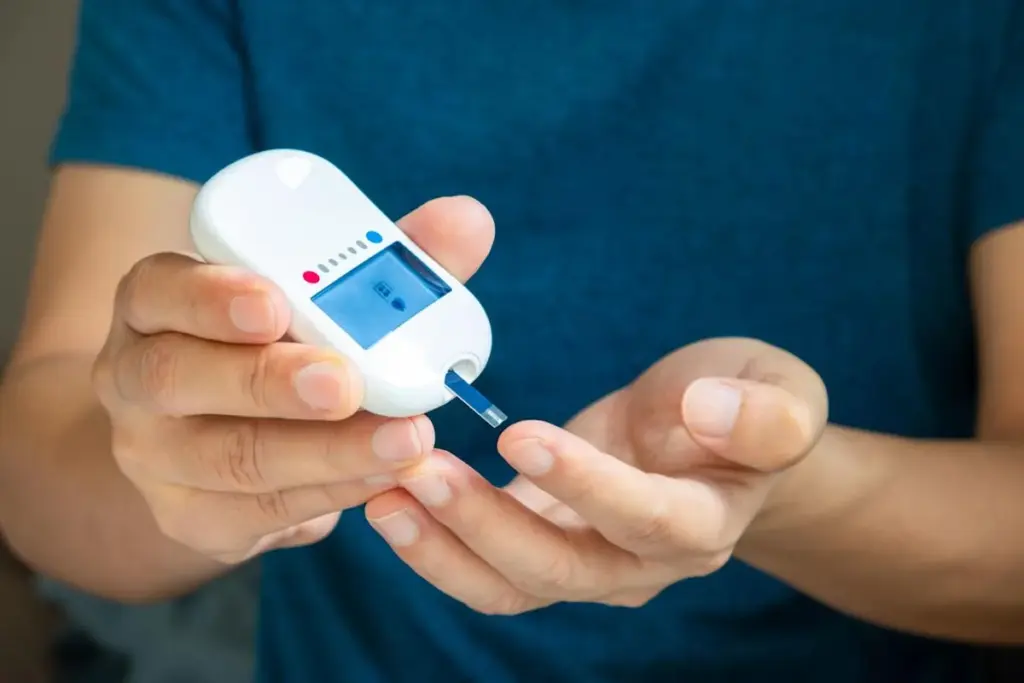
Knowing your blood glucose levels is key to staying healthy and avoiding serious diseases. A fasting blood glucose test checks your blood sugar after you haven’t eaten for at least 8 hours.
This test is simple and shows if your body handles blood sugar well. It helps find out if you might have diabetes or prediabetes. At Liv Hospital, we use the latest tests and teach you how to manage your health.
Key Takeaways
- A fasting blood glucose test measures glucose levels after an overnight fast.
- It’s a key tool for spotting diabetes and prediabetes.
- The test checks how well your body controls blood sugar.
- Early treatment of diabetes can greatly improve your health.
- Liv Hospital offers full care and education for metabolic health.
What Is a Fasting Blood Glucose Test
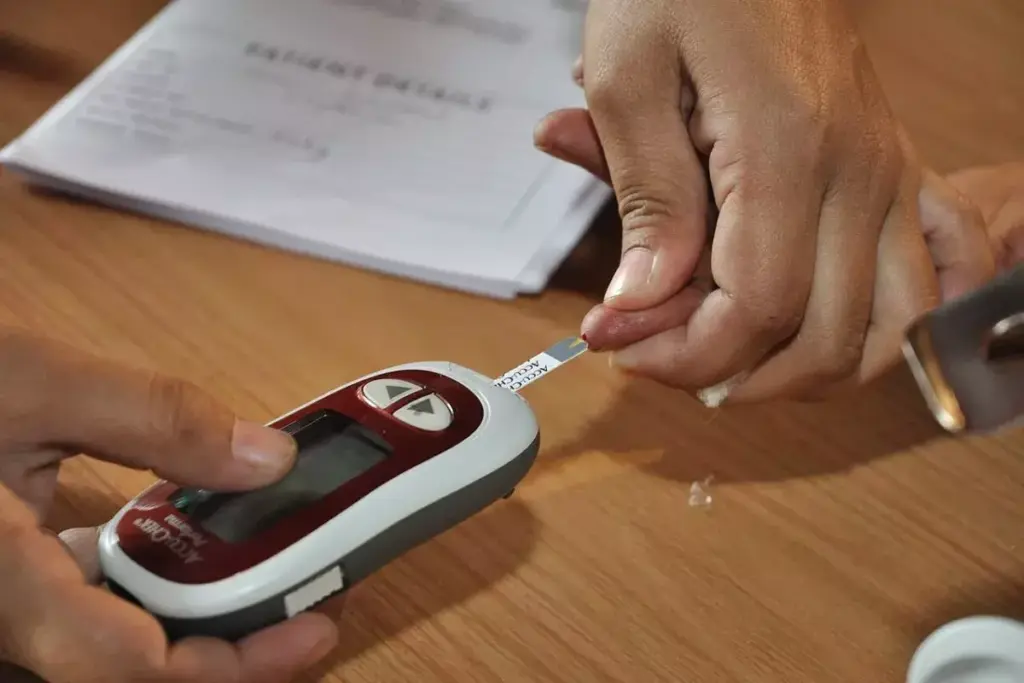
A fasting blood glucose test measures glucose in your blood after you’ve fasted overnight. It’s a key medical test.
Definition and Medical Terminology
This test, also known as the fasting plasma glucose test, checks how well your body handles glucose. Glucose is the main energy source for your body. It measures glucose levels in your blood, usually in milligrams per deciliter (mg/dL).
This test is called a “glucose laboratory test” because it involves a blood sample for lab analysis. Knowing the medical terms helps you understand its importance and what the results mean.
How the Blood Glucose Test Works
Getting a fasting blood glucose test is simple. You must fast for 8 to 12 hours before the test. This means no food or drinks, except water. The test is usually done in the morning after an overnight fast.
A healthcare professional will take a blood sample from your arm. The blood is then analyzed in a lab to measure glucose levels. It’s important to follow your healthcare provider’s instructions for accurate results.
When and Where the Test Is Performed
This test is often done in hospitals, clinics, or labs. It’s typically done in the morning. This allows for the fasting period to be completed overnight, making it easier for patients.
It’s vital to follow your healthcare provider’s instructions for the test. This includes any fasting requirements or other preparations. Doing so ensures accurate test results, giving a clear view of your blood glucose levels.
Why You Need This Test
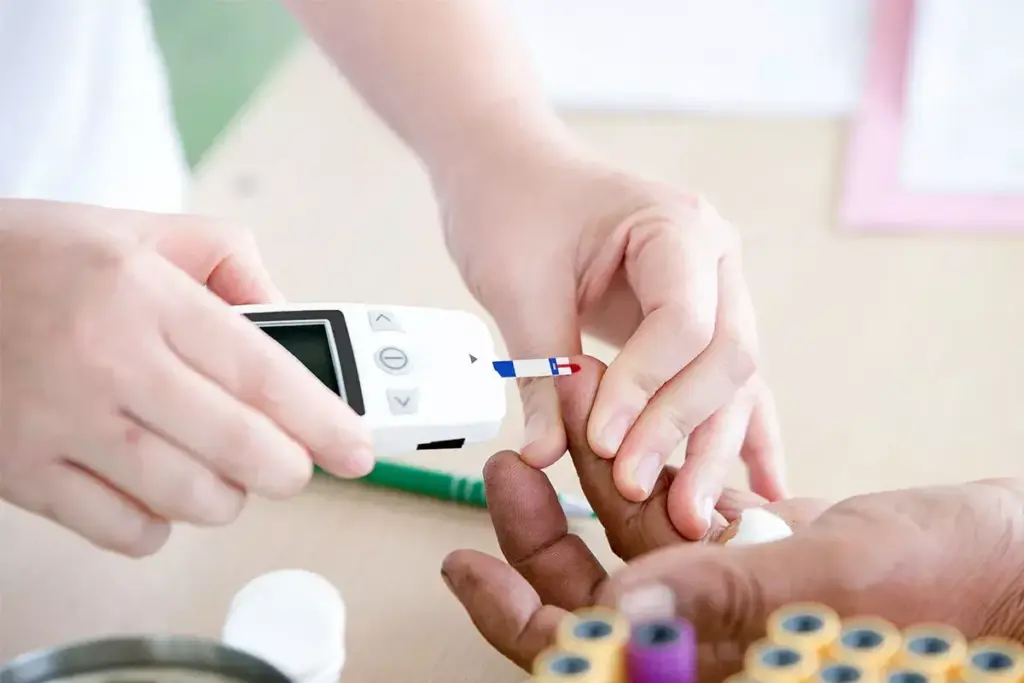
The fasting blood glucose test is key in healthcare. It helps find prediabetes and diabetes early. Knowing its role is important for your health.
Purpose of Glucose Test in Disease Screening
The main purpose of the glucose test is to find and diagnose diabetes and prediabetes. It checks your blood sugar after fasting overnight. This gives vital info on how well your body handles sugar.
Spotting these conditions early can stop serious problems. This test is a simple but powerful way to keep you healthy.
Who Should Get Tested
If you show signs of high blood sugar or have diabetes risk factors, your doctor might suggest a test. Being overweight, having a family history of diabetes, or being inactive are some risks. Also, having a big baby or being over 45 can mean you need a test.
Some groups are more at risk, like certain ethnicities. Age, high blood pressure, or high cholesterol also mean you might need a test.
| Risk Factors | Description |
| Family History | Having a first-degree relative with diabetes |
| Age | Being 45 years or older |
| Physical Inactivity | Leading a sedentary lifestyle |
How Often You Should Be Tested
How often you need a bg test depends on your risk and past results. If you’re healthy and have no risks, you might only need a test every three years.
If you have risks or prediabetes, your doctor might want you to get tested more often, like every year. If you have diabetes, how often you get tested will depend on your diabetes type, treatment, and health.
Understanding the fasting blood glucose test helps us stay healthy. It’s a step towards avoiding diabetes problems.
Understanding Your Test Results
Knowing your fasting blood glucose test results is key to understanding your diabetes risk. Your results can show normal, prediabetes, or diabetes. We’ll explain what each means and how it affects your health.
Normal Fasting Blood Glucose Levels
A normal fasting blood glucose level is between 70 to 99 mg/dL (3.9 to 5.5 mmol/L). This range means your body is handling blood glucose well.
Prediabetes Range and What It Means
If your fasting blood glucose is 100 to 125 mg/dL (5.6 to 6.9 mmol/L), you might have prediabetes. This means your blood glucose is higher than normal but not high enough for diabetes. Prediabetes raises your risk of type 2 diabetes and heart disease.
Key factors that contribute to prediabetes include:
- Insulin resistance
- Genetic predisposition
- Obesity
- Physical inactivity
Diabetes Diagnosis Criteria
A fasting blood glucose level of 126 mg/dL (7.0 mmol/L) or higher on two tests is a diabetes diagnosis. Diabetes needs careful management to avoid serious health issues like heart disease and nerve damage.
Conclusion
We’ve looked into the fasting blood glucose test’s importance. It’s a key tool for doctors to check if someone might have diabetes or prediabetes. This test is simple but very effective in spotting and managing diabetes.
Results from a glucometer test or a lab blood glucose test show if someone has prediabetes or diabetes. They help doctors decide on treatment and see if it’s working. Knowing what these test results mean is key for patients to help manage their health.
Understanding the fasting blood glucose test and its results is important. It helps us work with doctors to create good care plans. This test is a big step in keeping healthy and avoiding diabetes-related problems.
FAQ
What is a fasting blood glucose test?
A fasting blood glucose test measures blood sugar after not eating for at least 8 hours. It helps detect high or low blood sugar and assess diabetes risk.
Why do I need to fast before the glucose test?
Fasting ensures that recent meals do not affect blood sugar levels, providing an accurate baseline measurement for assessing glucose regulation.
What is the purpose of a glucose test in disease screening?
Glucose tests screen for diabetes, prediabetes, and other metabolic disorders. Early detection allows timely lifestyle changes or treatment to prevent complications.
Who should undergo glucose testing?
People at risk for diabetes, including those with obesity, family history, high blood pressure, or symptoms like frequent urination and excessive thirst, should undergo testing.
How often should I be tested for glucose?
Testing is usually recommended every 3 years for adults at average risk, but those with risk factors or prediabetes may need annual or more frequent testing.
What are normal fasting blood glucose levels?
Normal fasting blood glucose is below 100 mg/dL. Levels between 100–125 mg/dL indicate prediabetes, and 126 mg/dL or higher suggests diabetes.
What does a prediabetes diagnosis mean?
Prediabetes means your blood sugar is elevated but not yet in the diabetic range. It signals a higher risk of developing Type 2 diabetes and heart disease if lifestyle changes are not made.
How is diabetes diagnosed based on glucose test results?
Diabetes is diagnosed with fasting glucose ≥126 mg/dL, random glucose ≥200 mg/dL with symptoms, or abnormal results on an oral glucose tolerance test or A1C test.
What should I do if I receive abnormal glucose test results?
If results are abnormal, follow up with your healthcare provider for confirmation, additional testing, and guidance on lifestyle changes or treatment to manage blood sugar.
What is the medical term for a blood sugar test?
The medical term for a blood sugar test is a glucose test or plasma glucose test.
Do I need to avoid certain activities before the glucose test?
You should avoid eating, drinking (except water), smoking, and strenuous exercise before a fasting glucose test to ensure accurate results.
Where is the glucose test typically performed?
Glucose tests are usually performed in a clinic, hospital, or laboratory, where blood is drawn from a vein or finger for analysis.
References
National Center for Biotechnology Information. Evidence-Based Medical Insight. Retrieved from https://www.ncbi.nlm.nih.gov/books/NBK555976/