

For patients with end-stage renal disease, a dialysis fistula is more than a device. It’s a lifeline for life-saving hemodialysis treatment.
Facing kidney failure can be tough, but a fistula for dialysis offers hope. It’s a durable and infection-resistant access method. This surgical connection between an artery and vein, usually in the arm, is strong for hemodialysis treatment.
Before dialysis fistula surgery, your surgeon will explain everything. They’ll also get your consent. A physical exam will check if you’re healthy enough for surgery.
Key Takeaways
- A dialysis fistula is a surgically created connection between an artery and vein.
- It provides a robust access point for hemodialysis treatment.
- The fistula is typically created in the arm.
- This access method is durable and infection-resistant.
- A physical exam is necessary before undergoing dialysis fistula surgery.
Understanding Dialysis Fistulas in the Arm
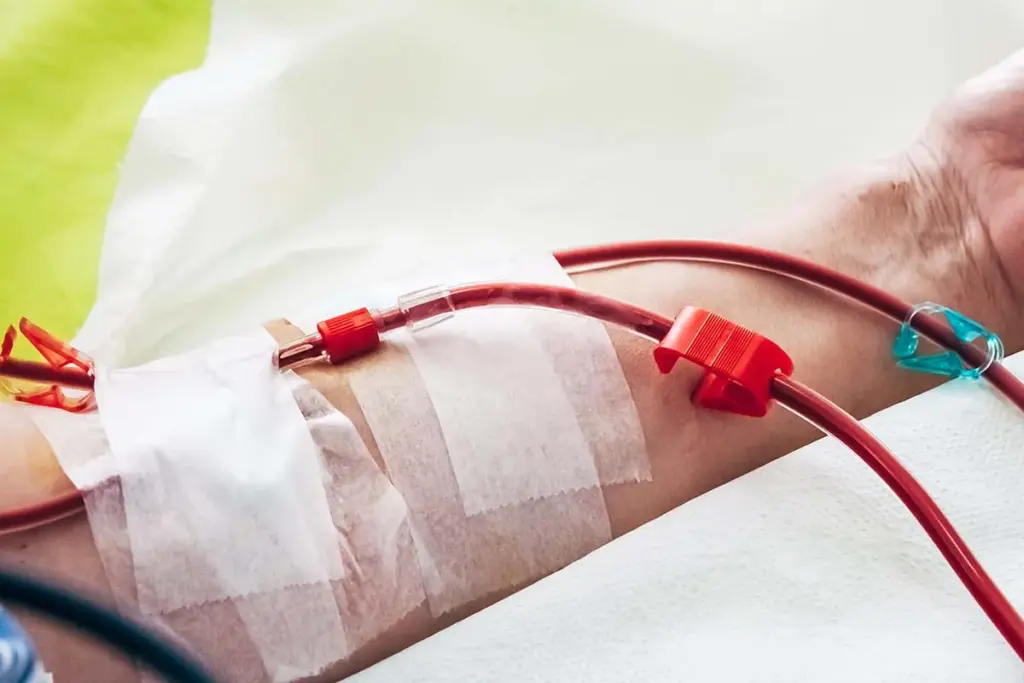
An arm fistula is a special connection made by surgery. It links an artery to a vein. This is key for dialysis, helping when kidneys fail.
Definition and Purpose of a Dialysis Fistula
A dialysis fistula, or AVF, is made in a hospital. It’s for dialysis, letting blood flow well for treatment. It connects an artery to a vein in the arm for dialysis.
Before making a fistula, an ultrasound checks the arm’s blood vessels. This pre-procedure evaluation helps pick the best spot for the fistula.
Statistics on Hemodialysis Patients in the United States
In the U.S., many patients get hemodialysis. Over 400,000 get this treatment each year. The cost is high, about $90,000 per patient yearly.
| Category | Number of Patients | Average Annual Cost |
|---|---|---|
| Hemodialysis Patients | 400,000+ | $90,000 |
| Pre-dialysis Patients | Estimated 100,000 | $50,000 (avg. pre-dialysis care) |
The numbers show how vital a good dialysis access is. A well-working fistula in the arm is key for these patients. Knowing about dialysis fistulas helps doctors care for those needing hemodialysis.
The Creation and Maturation Process
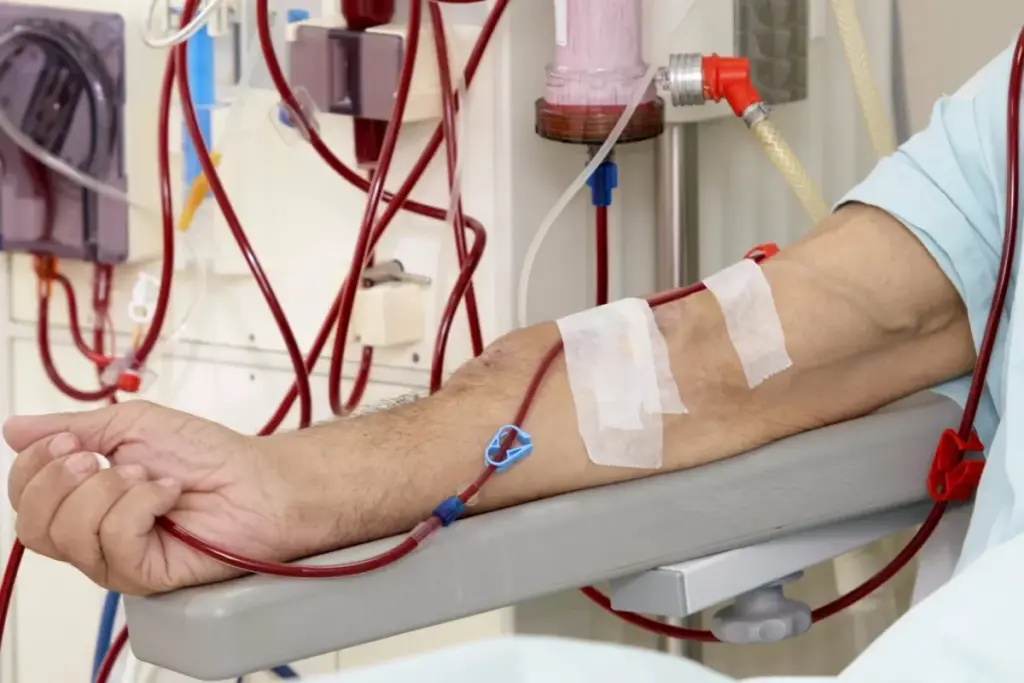
Creating and maturing a dialysis fistula is key for effective hemodialysis treatment. We’ll explain the surgical methods for making arteriovenous fistulas. We’ll also talk about why the maturation process is so important.
Surgical Techniques for Creating Arteriovenous Fistulas
There are different ways to make arteriovenous fistulas, like radiocephalic, brachiocephalic, and brachiobasilic fistulas. The right method depends on the patient’s blood vessels and other factors. The National Center for Biotechnology Information says picking the right technique is key for a successful fistula.
The fistula works by moving high-pressure blood into the vein. This makes a strong spot for dialysis. Moving blood this way is key for dialysis to work well.
The Maturation Timeline and Process
After the fistula is made, it starts to mature. This can take 6 weeks to several months. During this time, the vein gets bigger and stronger to handle blood flow of at least 600 ml per minute.
To help the fistula mature, patients do exercises. These can be squeezing a rubber ball or other hand exercises. These help improve blood flow.
| Fistula Type | Maturation Time | Success Rate |
|---|---|---|
| Radiocephalic | 6-8 weeks | High |
| Brachiocephalic | 8-12 weeks | Very High |
| Brachiobasilic | 12-16 weeks | High |
It’s important to take good care of the fistula during maturation. This ensures it develops correctly and is ready for hemodialysis.
How a Fistula Arm Functions During Dialysis
A mature fistula is the best choice for dialysis access. It offers many benefits for those on hemodialysis. When ready, it provides a reliable way to access the bloodstream for treatment.
Blood Flow Mechanics in a Mature Fistula
In a mature fistula, blood flow is greatly improved. This makes hemodialysis more efficient. A healthcare professional inserts two needles into the vein for dialysis.
One needle, the “arterial” needle, takes blood to the dialysis machine. The other, the “venous” needle, returns cleaned blood to the body. The fistula’s design allows for a high flow rate. This is key for effective dialysis, removing waste from the blood. It’s vital for patients with kidney disease to stay healthy.
Advantages Compared to Alternative Access Methods
Using a fistula for dialysis has many advantages. It has a lower risk of infection and clotting compared to other methods. This is a big plus.
- A fistula provides a more natural and efficient means of accessing the bloodstream.
- It has a lower risk of infection compared to catheters.
- Fistulas are less prone to clotting issues than grafts.
- They offer superior longevity, reducing the need for frequent interventions.
To care for a fistula during dialysis, patients should watch for swelling or infection. Regular monitoring and proper care can help avoid these issues. Understanding how a fistula works during dialysis helps patients appreciate its importance and take steps to keep it healthy.
Conclusion: Benefits and Importance of Fistulas for Dialysis Patients
A fistula for dialysis is a lifeline for patients undergoing hemodialysis. It provides a safe and efficient way to access the bloodstream. A fistula in the arm is made through surgery, connecting an artery and a vein. This setup allows for the high blood flow needed for dialysis.
The benefits of a fistula for dialysis patients are many. It makes dialysis more efficient and lowers the risk of complications. With the right care, a fistula can last for years, making it a good choice for long-term treatment.
Understanding how a fistula works helps patients see its importance in their treatment. We suggest that patients work closely with their healthcare providers. This ensures the fistula stays healthy and improves their dialysis experience.
FAQ
What is a dialysis fistula and why is it necessary for hemodialysis treatment?
A dialysis fistula is a special connection made between an artery and a vein, usually in the arm. It’s needed for hemodialysis because it makes treatment safer and more effective. This reduces the chance of problems that can happen with other methods.
Where is a fistula typically located for dialysis patients?
A fistula is usually in the arm. This makes it easy to access for dialysis. The exact spot depends on the patient’s body and vein health.
What are the benefits of using a fistula for dialysis compared to other access methods?
Using a fistula for dialysis has many advantages. It lowers the risk of infections and blood clots. It also lasts longer and improves health more than other options. Plus, it’s less likely to have problems and needs fewer treatments.
How is a dialysis fistula created, and what are the different types of fistulas?
A dialysis fistula is made by surgery that links an artery and vein. There are three main types: radiocephalic, brachiocephalic, and brachiobasilic. Each has its own benefits and is chosen based on the patient’s needs.
How long does it take for a fistula to mature before it can be used for hemodialysis?
The maturation process for a fistula takes weeks to months. This time lets the fistula heal and get stronger. The exact time depends on the patient and the fistula type.
How can I care for my fistula during the maturation process and during dialysis?
To care for your fistula, avoid heavy lifting and keep the area clean. Do exercises to strengthen it. During dialysis, watch for swelling or bleeding and tell your doctor if you see any.
What are the signs of a dialysis fistula issue, and how can they be addressed?
Signs of a fistula problem include swelling, pain, or trouble accessing it. If you notice these, call your doctor right away. They can help fix the issue and prevent bigger problems.
Can a fistula be used immediately after creation, or is there a waiting period?
A fistula can’t be used right after it’s made. It needs time to mature, which can take several weeks to months. Using it too soon can cause problems and shorten its life.



 Departments
 Related Videos
 Our Doctors
 News
News