
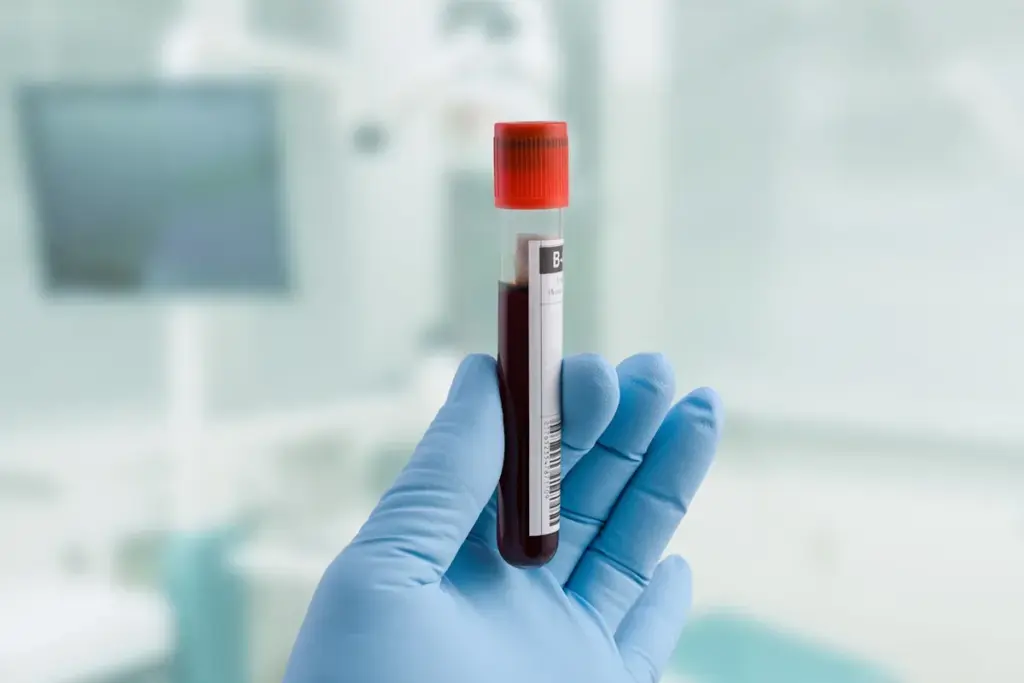
Knowing your albumin level is key to checking your health. It helps spot liver or kidney issues early.
At Liv Hospital, we focus on accurate blood tests. Albumin is a vital liver-made protein. It’s about 60% of your plasma proteins. It helps keep fluids balanced and moves hormones and vitamins.
A normal albumin count is between 3.4 to 5.5 grams per deciliter (g/dL). But, this can change a bit between labs. We’ll look into why albumin function in blood matters for your health.
Key Takeaways
- Albumin is a protein made by the liver, making up about 60% of total plasma proteins.
- A normal albumin count is usually between 3.4 to 5.5 g/dL.
- Knowing your albumin levels is important for checking your health.
- Albumin is key for keeping fluids balanced and moving hormones and vitamins.
- Odd albumin levels might show liver or kidney issues.
Understanding Albumin and Its Functions

Albumin is a protein that is vital for our health. It is made by the liver and helps with many important functions in the body.
What Is Albumin?
Albumin is a protein made by the liver and found in blood. It makes up about 60% of blood plasma. The liver produces 10-15 grams of albumin every day.
Albumin keeps fluids balanced in the body. It also carries hormones, vitamins, and medicines. It helps keep the body’s pH levels stable.
Key Functions of Albumin in the Body
Albumin has several key roles in the body. Here are some of them:
| Function | Description |
|---|---|
| Maintaining Fluid Balance | Albumin keeps fluid in your bloodstream so it doesn’t leak into other tissues. |
| Transporting Substances | It carries hormones, vitamins, enzymes, and medications to various parts of the body. |
| Regulating pH Levels | Albumin helps maintain the body’s acid-base balance by buffering pH changes. |
Albumin is key to keeping the body balanced and healthy. Knowing its roles helps us understand its importance for our well-being.
What Is a Normal Albumin Count?

Knowing what a normal albumin count is key to understanding blood test results. Albumin levels show how well your liver and kidneys are working. They also tell about your nutrition.
Standard Reference Ranges for Adults
For healthy adults, albumin levels should be between 3.5 to 5.0 grams per deciliter (g/dL). But, some labs might use slightly different numbers. For example, some say it’s okay if it’s between 3.4 to 5.5 g/dL. Knowing where your albumin level is can give you important health insights.
Here are the typical ranges for adults:
- Normal range: 3.5-5.0 g/dL
- Alternative range: 3.4-5.5 g/dL
Talking to your doctor is important. They can tell you the exact range used by your lab.
Factors Affecting Normal Ranges
Many things can change albumin levels. It’s important to think about these when looking at your test results. Some of these factors include:
- Nutritional status: Not eating well can lower albumin levels.
- Liver function: Liver problems can affect albumin production.
- Kidney function: Kidney diseases, like nephrotic syndrome, can change albumin levels.
- Hydration status: Being too dry or too wet can also affect albumin levels.
For more info on albumin and its role, check out the University of Rochester Medical Center’s Encyclopedia.
The Albumin Blood Test Process
The albumin blood test is simple. It involves taking a blood sample from your arm. Here’s what happens:
- Preparation: You might need to fast before the test.
- Blood draw: A healthcare professional will take your blood.
- Laboratory analysis: Your blood is then analyzed in a lab.
Knowing about the albumin medical term and the test process helps you understand your results better. It can also help you see how it affects your health.
Interpreting Abnormal Albumin Levels
Abnormal albumin levels can signal various health issues. It’s important to understand their causes and implications. Levels outside the normal range can indicate dehydration or serious liver or kidney diseases.
Causes and Implications of High Albumin Levels
High albumin levels, or hyperalbuminemia, are less common but can indicate health issues. They are often linked to dehydration from severe diarrhea, acute infections, or fluid loss. Understanding albumin blood tests helps in diagnosing the cause.
It’s key to find and treat dehydration to avoid further problems. High albumin levels might not always mean a disease. They could be due to intense physical activity or certain medications.
Causes and Implications of Low Albumin Levels
Low albumin levels, or hypoalbuminemia, can be due to decreased production, increased loss, or dilution. Common causes include liver disease, kidney disorders, malnutrition, inflammatory conditions, and digestive disorders affecting protein absorption.
Liver cirrhosis can reduce albumin production, while nephrotic syndrome can lead to significant albumin loss through urine. Malnutrition and chronic diseases also contribute to low albumin levels.
| Cause | Description | Potential Health Impact |
|---|---|---|
| Liver Disease | Reduced albumin production due to liver damage | Edema, malnutrition |
| Kidney Disease | Loss of albumin through urine | Swelling, increased risk of infections |
| Malnutrition | Insufficient dietary protein | Weakness, poor wound healing |
Understanding the causes of abnormal albumin levels is key for treatment. By identifying the underlying health issue, healthcare providers can offer targeted interventions. This helps improve patient outcomes.
Conclusion
Knowing about albumin levels is key to checking on your liver and overall health. Albumin levels give us clues about liver function, nutrition, and kidney health.
We talked about the need to know what a normal albumin count is. It’s important to understand what albumin levels in blood tests mean. This knowledge helps spot health problems early.
Grasping the link between albumin and liver health helps us see our health better. Regular health checks and blood tests are vital. They let us catch and manage health issues early.
FAQ
What is albumin, and what does it do in the body?
Albumin is a protein made by the liver. It helps keep fluids balanced, carries hormones and vitamins, and controls pH levels.
What is a normal albumin count in adults?
For adults, albumin levels should be between 3.4 and 5.4 grams per deciliter (g/dL). But, this can change based on the lab and testing methods.
What does a high albumin level mean?
High albumin can come from dehydration, severe diarrhea, or some health issues. Always talk to a doctor to find out why.
What does a low albumin level indicate?
Low albumin might mean liver or kidney problems, malnutrition, or other health issues. More tests are needed to figure out the cause.
What is the albumin blood test used for?
The albumin blood test checks liver and kidney health, nutrition, and overall health. It helps spot health problems early.
How is the albumin blood test performed?
The test is a simple blood draw at a clinic. The blood is then analyzed in a lab.
Can albumin levels be affected by other factors?
Yes, many things can change albumin levels, like age, sex, and health conditions. These factors are important when looking at test results.
What does albumin level tell you about overall health?
Albumin levels show a lot about liver and kidney health, nutrition, and overall health. If levels are off, it might mean there’s a health issue that needs attention.
References
https://my.clevelandclinic.org/health/diagnostics/22390-albumin-blood-test