
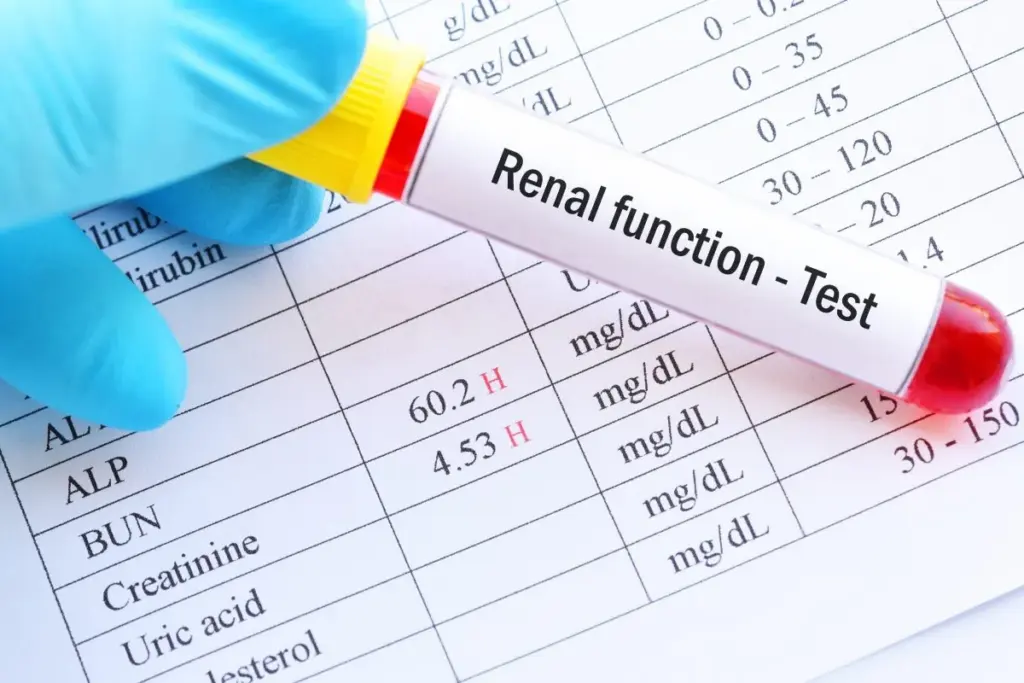
A renal function panel, also known as a kidney function panel or renal panel lab test, is a detailed blood test. It checks how well your kidneys are working.
Chronic kidney disease affects about 14 percent of the world’s population. Hypertension and diabetes are the top causes. At Liv Hospital, we understand the importance of early detection in managing kidney health. A renal function panel is your first defense in spotting kidney issues. It gives you and your healthcare provider key insights into your kidney function.
Key Takeaways
- A renal function panel is a key tool for checking kidney health.
- Chronic kidney disease is a big global health problem, affecting about 14 percent of people.
- Hypertension and diabetes are the main causes of kidney disease.
- Early detection is key in managing kidney health.
- A renal function panel offers important insights into kidney function.
Understanding the Kidney Function Panel and Its Components

Knowing your kidney health starts with a renal panel lab test. It shows how well your kidneys are working. The renal function panel test checks different blood markers to see how your kidneys are doing.
Key Markers Measured in a Renal Function Panel
A renal panel test looks at several important markers. These markers help doctors see how well your kidneys are working. They are key for finding and tracking kidney disease.
- Creatinine: A waste product from muscle wear and tear.
- BUN (Blood Urea Nitrogen): Shows how much urea is in your blood. Urea is a waste product from the liver and kidneys.
- Electrolytes: Includes sodium, potassium, and chloride. They are vital for many body functions.
- Calcium and Phosphorus: Important for bone health and body functions.
- Glucose: Checks for diabetes, a big risk for kidney disease.
- Albumin: A protein that helps check for kidney damage.
- eGFR (estimated Glomerular Filtration Rate): Shows how well your kidneys filter waste from your blood.
| Marker | Normal Range | Significance |
| Creatinine | 0.6-1.2 mg/dL | Indicates muscle waste product; high levels may suggest kidney disease. |
| BUN | 7-20 mg/dL | Measures urea in the blood; elevated levels can indicate kidney issues. |
| eGFR | 90+ mL/min/1.73m | Measures kidney function; lower values indicate poorer kidney function. |
Interpreting Your Renal Panel Results
Understanding your renal panel test results is important. Abnormal results can mean kidney disease or other health problems that need doctor’s care.
An elevated creatinine level might mean your kidneys are not working right. A low eGFR value also shows poor kidney function. We will work with your doctor to understand your results and plan how to address any issues.
Why You Might Need a Renal Function Panel Test
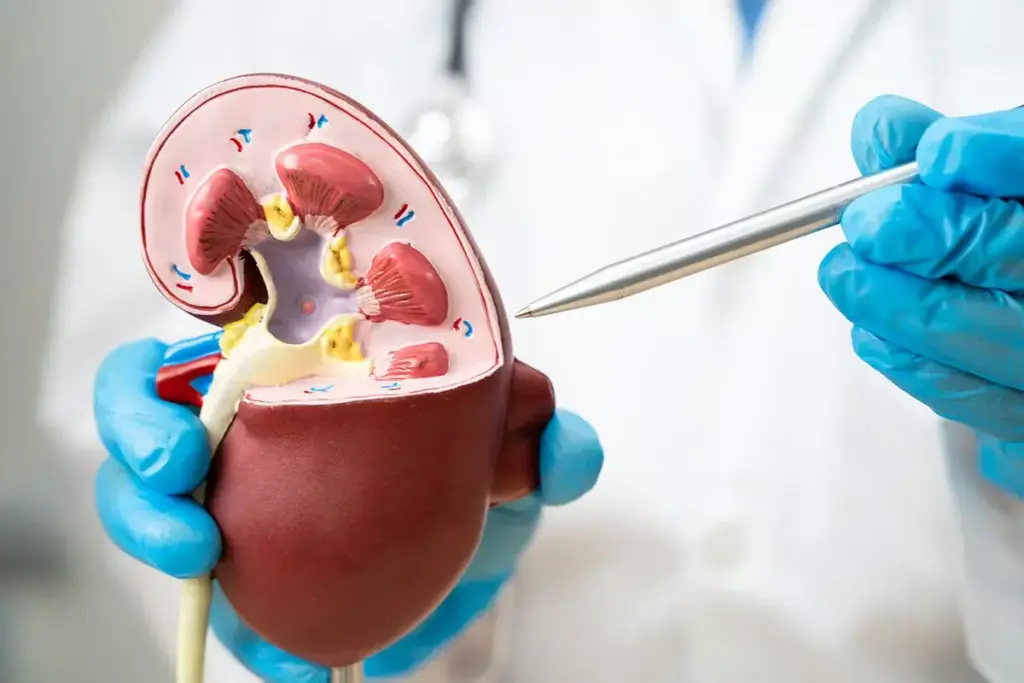
Knowing about renal function panel tests is key for catching kidney disease early. Many people don’t know they have kidney disease until it’s too late. This is because the disease often doesn’t show symptoms until the kidneys are badly damaged.
Kidney disease can sneak up on you, and some people are at higher risk. High blood pressure, diabetes, obesity, heart disease, and a family history of kidney disease are common risk factors. If you have any of these, talk to your doctor about your kidney health.
Common Risk Factors for Kidney Disease
Several things can up your chances of getting kidney disease. These include:
- High blood pressure
- Diabetes
- Obesity
- Cardiovascular disease
- Family history of kidney disease
If you have any of these risk factors, getting a renal function panel test is a good idea. This test can catch kidney disease early, helping to slow it down or stop it.
The Role of Renal Panels in Diagnosis and Monitoring
A renal function panel test does more than just diagnose kidney disease. It also helps keep an eye on your kidney health over time. This test looks at different markers to see how well your kidneys are working. The renal function panel CPT code helps with billing, making sure doctors can report the test correctly.
Worried about your kidney health? You can get a renal function panel test at a trusted lab. For example, Quest Diagnostics has the quest renal function panel, also known as the renal panel quest. It gives you accurate and reliable results. The pt code renal function panel is another name for this test.
By checking your renal health with a renal function panel test, you and your doctor can tackle any problems early. This could help stop kidney disease from getting worse.
Conclusion
We’ve looked into how important the renal function panel is for checking kidney health. It helps find problems early. The tests in the renal panel lab give key info about how well the kidneys are working.
A renal function panel is a blood test that checks for waste and electrolytes. Knowing what it measures helps people take care of their kidneys. This way, they can stay healthy.
Getting regular renal panel tests can spot kidney issues early. This means doctors can act fast. We suggest talking to your doctor about your kidney health. Find out if a renal function panel is needed for you.
FAQ
What is a renal function panel test?
A renal function panel is a blood test that evaluates kidney function and electrolyte balance.
What is included in a renal panel lab test?
It typically includes creatinine, blood urea nitrogen (BUN), electrolytes, and sometimes glomerular filtration rate (GFR).
What is the CPT code for a renal function panel?
The common CPT code for a basic renal function panel is 80069.
Is a renal function panel a blood test?
Yes, it is performed using a blood sample, sometimes combined with urine tests.
Why do I need a renal function panel test?
It helps detect kidney disease, monitor kidney function, and guide treatment decisions.
How is a renal panel used in diagnosis and monitoring?
It tracks kidney function over time, identifies abnormalities, and evaluates the effectiveness of treatment.
What are the common risk factors for kidney disease?
Risk factors include diabetes, high blood pressure, family history, obesity, and age over 60.
How do I prepare for a renal function panel test?
Generally, no special preparation is needed, but follow your doctor’s instructions regarding fasting or medications.