Acute Kidney Injury (AKI), once called acute renal failure (ARF), is a sudden drop in kidney function. It happens in hours to seven days. This serious issue can happen to patients in the hospital, needing quick medical help to avoid blood waste and serious health problems.
Knowing about AKI is key because it can be deadly and lead to long-term kidney disease. Spotting it early and treating it right is vital. Our team focuses on top-notch care for patients from around the world, with support every step of the way.
Key Takeaways
- AKI is a sudden drop in kidney function that can occur within hours or days.
- It is a common complication among hospitalized patients with high mortality rates.
- Early recognition and management of AKI are critical to prevent long-term consequences.
- AKI can lead to chronic kidney disease progression if not properly managed.
- Immediate medical attention is necessary to treat AKI effectively.
What Is AKI in Medical Terms: Definition and Overview
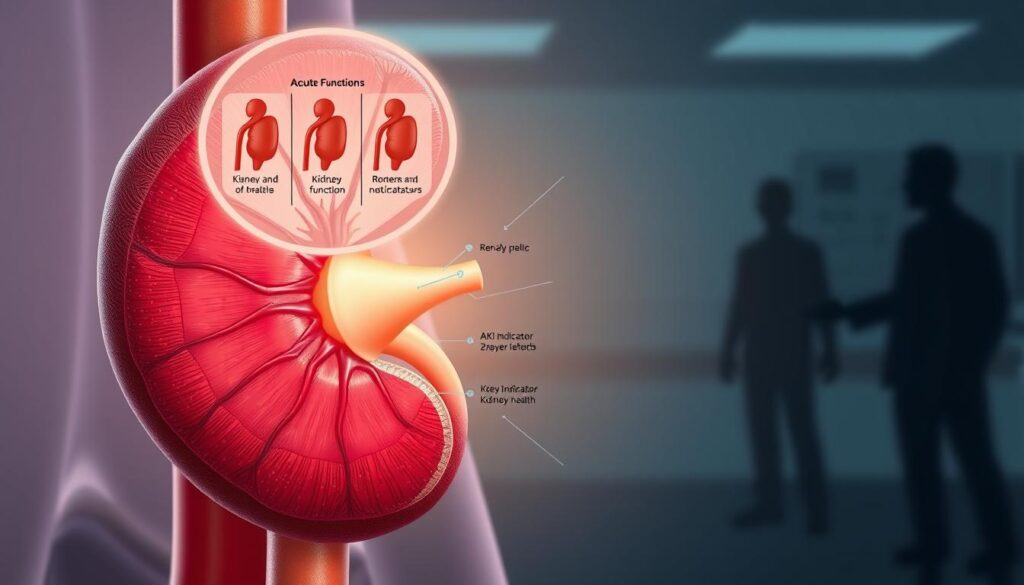
AKI, or Acute Kidney Injury, is a serious medical issue. It happens when the kidneys suddenly stop working right. This can be mild or severe, and it’s very important to treat it quickly to prevent long-term problems.
AKI is a complex condition that has changed from being called acute renal failure. The new name shows we understand it better now. It helps us see the condition’s effects and how to treat it.
From Acute Renal Failure to Acute Kidney Injury
The term Acute Kidney Injury (AKI) now replaces Acute Renal Failure (ARF). This change means we can catch and treat AKI sooner. AKI is when the kidneys suddenly can’t filter waste as well. This is shown by higher levels of serum creatinine or less urine.
This change in names helps us see AKI as a range of injuries. It tells doctors to spot and treat it early.
Prevalence and Mortality Statistics
AKI happens to about one in five adults in the hospital and one in three kids with acute illness. It leads to a lot of sickness and death, mostly in critical care.
Knowing how common AKI is and its effects is key. It helps us find ways to stop and manage it. We need to think about how AKI affects healthcare and the need for quick action.
Classification and Causes of Acute Kidney Injury
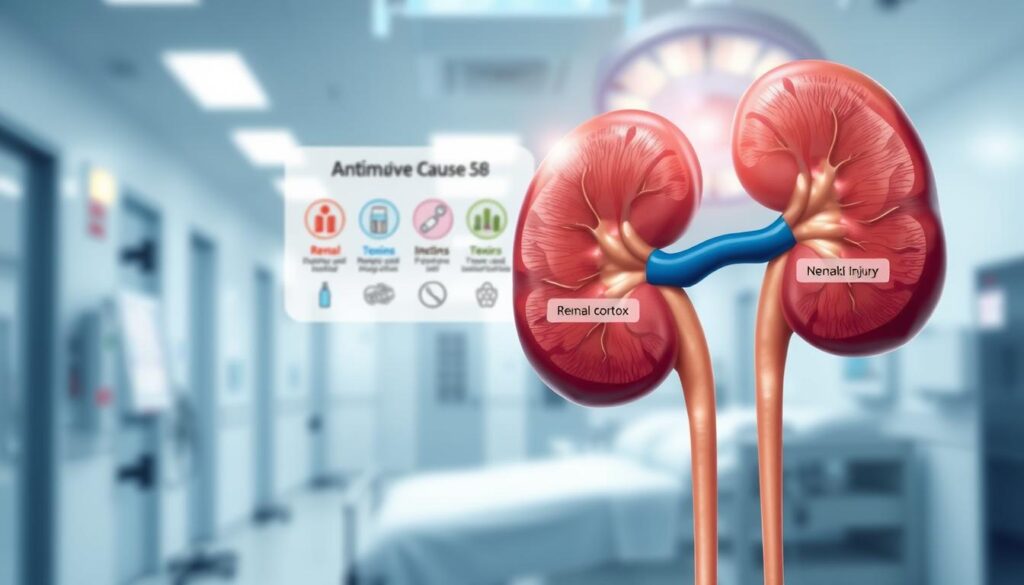
Knowing how to classify AKI is key to finding its causes and treating it. AKI falls into three main types: prerenal, intrinsic, and postrenal. Each type has its own causes and effects on health.
The Three Main Types of AKI
Prerenal AKI happens when the kidneys don’t get enough blood. This can be due to not enough fluids, low blood pressure, or severe dehydration. If we fix the cause, this type of AKI can often be reversed.
Intrinsic AKI damages the kidney itself. This can be from harmful substances, certain medicines, or conditions like acute tubular necrosis (ATN). Postrenal AKI is caused by blockages in the urinary tract. These can be from kidney stones, tumors, or enlarged prostate.
The National Institutes of Health says knowing why AKI happens is key to treating it. Here’s a quick look at the three main types:
| Type of AKI | Causes | Clinical Implications |
|---|---|---|
| Prerenal AKI | Hypovolemia, hypotension, severe dehydration | Reversible if cause is addressed promptly |
| Intrinsic AKI | Toxins, medications, acute tubular necrosis (ATN) | Direct damage to kidney tissues |
| Postrenal AKI | Obstruction in urinary tract (kidney stones, tumors, BPH) | Relief of obstruction is key for recovery |
Common Symptoms and Complications
People with AKI often have less urine, swelling, and imbalances in electrolytes. Severe cases can lead to high potassium levels, acid imbalance, and waste buildup. Spotting and treating AKI early is vital to avoid these problems and help patients get better.
In summary, knowing about AKI’s types and causes is essential for doctors to treat it well. By understanding each type and its reasons, we can give better care and help patients recover.
Diagnosis, Treatment, and Prevention
It’s important to know how to diagnose, treat, and prevent AKI. Early action can stop long-term kidney harm.
Diagnostic Criteria and Testing Methods
To spot AKI, doctors use several methods. They check serum creatinine levels and urine output. A top doctor says, “The diagnosis of AKI is mainly based on rising serum creatinine or falling urine output.”
Lab tests, like serum creatinine and urea, check kidney health. Ultrasound might find why AKI happened.
Treatment Approaches and Management
Treating AKI depends on the cause and how bad it is. First, doctors give fluids to help blood flow to the kidneys. Sometimes, medicine is needed for extra help.
For very bad AKI, dialysis might be needed. It cleans the blood of waste. A journal says, “Dialysis saves lives in severe AKI, managing fluid and electrolyte issues.”
Prevention Strategies and Risk Reduction
To stop AKI, avoid harmful meds and keep fluids balanced. Doctors can lower AKI risk by watching high-risk patients closely.
Being proactive in AKI care can lead to better patient results. Doctors stress, “Prevention and early action are vital to fight AKI.”
Conclusion
Acute kidney injury (AKI) is a serious condition that can be life-threatening. It needs quick attention and effective care. Knowing what AKI is and how to manage it helps healthcare providers give better care.
Being aware and catching AKI early is key to better patient outcomes. It also helps prevent long-term kidney damage. With the right treatment, many patients can recover and have normal kidney function again.
AKI is a complex issue that requires a detailed approach. This includes early diagnosis, treatment, and prevention. By focusing on these areas, we can improve care for AKI patients and help them recover better.
FAQ
What does AKI stand for in medical terms?
AKI stands for Acute Kidney Injury. It’s when the kidneys suddenly can’t filter waste from the blood.
What is the meaning of AKI?
AKI means a sudden kidney damage or failure. It can happen due to dehydration, certain medicines, or other health issues.
What are the causes of Acute Kidney Injury?
AKI can be caused by three main types: pre-renal, intrinsic, and post-renal. Pre-renal includes dehydration and shock. Intrinsic is damage to the kidney tissue. Post-renal is blockage of the urinary tract.
What are the symptoms of AKI?
Symptoms of AKI include low urine output and swelling. You might also feel tired and have imbalances in electrolytes. In severe cases, it can cause seizures and coma.
How is AKI diagnosed?
Doctors use clinical evaluation, lab tests, and imaging to diagnose AKI. They check serum creatinine levels and urine output to assess kidney function.
What is the treatment for AKI?
Treatment for AKI varies based on the cause and severity. It might include fluids, medicines, and dialysis. In some cases, treatment can reverse AKI.
Can AKI be prevented?
While not all AKI can be prevented, there are ways to lower the risk. Avoiding harmful medicines and managing fluids and health conditions are important.
What is the impact of AKI on public health?
AKI is a big public health issue, affecting millions globally. It leads to high rates of illness and death, and increases healthcare costs.
What is the difference between AKI and chronic kidney disease?
AKI is sudden kidney damage or failure. Chronic kidney disease is a long-term decline in kidney function.
Can AKI lead to chronic kidney disease?
Yes, AKI can increase the risk of chronic kidney disease. This is true if the cause is not treated.
What is severe AKI?
Severe AKI is a more serious stage of AKI. It involves significant kidney function loss, often needing dialysis or intensive treatments.
How is AKI on CKD managed?
Managing AKI on CKD requires careful monitoring and treatment. This includes watching kidney function, adjusting medicines, and slowing disease progression.