At Liv Hospital, we are dedicated to top-notch healthcare and support for international patients. For those with Multiple Sclerosis (MS), we provide Hematopoietic Stem Cell Transplantation (HSCT). This advanced treatment has shown great promise in managing the disease.
HSCT uses chemotherapy to reset the immune system. Then, we infuse autologous hematopoietic stem cells to restore it. This innovative method aims to stop MS from getting worse, giving patients new hope.
We use the latest in HSCT therapy to offer our patients a potentially life-changing option. Our team is here to support patients every step of the way. We ensure they get the best care possible.
Key Takeaways
- HSCT is a promising treatment for Multiple Sclerosis.
- The therapy involves chemotherapy and stem cell infusion.
- Liv Hospital offers complete support for international patients.
- HSCT aims to reset the immune system to halt MS progression.
- Our team is committed to delivering world-class healthcare.
Understanding Multiple Sclerosis and Current Treatment Challenges

Multiple sclerosis (MS) is a complex autoimmune disease. It poses challenges for patients and healthcare providers. We will explore the autoimmune nature of MS and the limitations of current treatments. This will help us understand alternative therapies like HSCT.
The Autoimmune Nature of Multiple Sclerosis
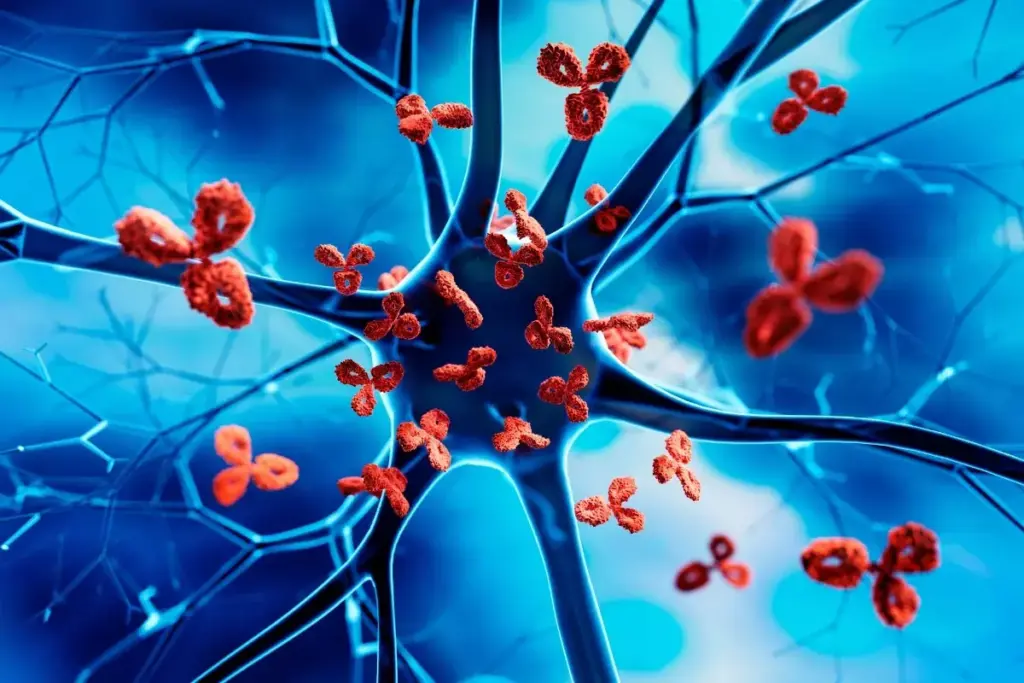
MS is when the immune system attacks the central nervous system. It targets the protective covering of nerve fibers, called myelin. This leads to communication problems between the brain and the body, causing various neurological symptoms.
The exact cause of this autoimmune reaction is not fully understood. Research suggests genetics and environment play a role in triggering MS. As the disease progresses, damage to the myelin sheath can cause permanent neurological damage. This highlights the need for early and effective treatment.
Limitations of Conventional MS Treatments
Current treatments for MS focus on managing symptoms and slowing disease progression. These treatments have evolved but have limitations.
Disease-modifying therapies (DMTs) are key in MS treatment. They aim to reduce relapse frequency and severity. But, DMTs vary in effectiveness, and some can cause significant side effects, affecting quality of life.
For more information on the duration of stem cell treatment for MS, you can visit Liv Hospital’s page on HSCT therapy.
| Treatment Type | Limitations | Potential Side Effects |
|---|---|---|
| Disease-Modifying Therapies (DMTs) | Variable efficacy, risk of neutralizing antibodies | Injection site reactions, flu-like symptoms, liver enzyme elevations |
| Corticosteroids | Short-term use only, not suitable for long-term management | Weight gain, mood changes, insomnia, osteoporosis |
| Symptomatic Treatments | Address symptoms, not the underlying disease | Vary depending on the medication used |
In conclusion, while conventional treatments offer some benefits, their limitations are clear. This highlights the need for alternative approaches like HSCT therapy. Understanding the autoimmune nature of MS and the limitations of current treatments helps us see the value of innovative therapies.
What Is HSCT Therapy for MS?

Hematopoietic Stem Cell Transplantation (HSCT) is a new treatment for Multiple Sclerosis (MS). It’s a complex process that tries to reset the immune system. This could stop the disease from getting worse.
We’ll dive into HSCT therapy, starting with what it is and how it works. HSCT for MS uses chemotherapy to weaken the immune system. Then, it adds healthy stem cells to reconstitute the immune system. This helps get rid of the immune cells that attack the body.
Definition and Basic Principles
HSCT is a medical treatment that uses hematopoietic stem cells. These cells can turn into different blood cells. The idea is to replace the sick immune system with healthy stem cells. This might stop or slow down MS.
The process includes collecting stem cells, using chemotherapy, and then adding the stem cells back. The goal is to reboot the immune system. This way, it won’t attack the myelin sheath anymore.
History and Development of HSCT for Autoimmune Diseases
Using HSCT for autoimmune diseases like MS has been explored for decades. It started with treating blood cancers but now includes autoimmune diseases. The first use of HSCT for an autoimmune disease was in the 1990s.
Many studies have looked into HSCT for MS. They’ve shown good results, with some patients seeing big improvements. As research keeps going, HSCT is becoming a known treatment for aggressive or hard-to-treat MS.
The Science Behind HSCT for Multiple Sclerosis
HSCT for MS works by resetting the immune system. This is a new way to treat the disease. It’s based on the idea that MS is an autoimmune disease. In this disease, the immune system attacks the nerve fibers’ protective covering.
This attack disrupts communication between the brain and the rest of the body.
The Immune System Reset Concept
HSCT therapy tries to reset the immune system. It does this by getting rid of immune cells that cause the disease. This is done through strong immunosuppression and then giving hematopoietic stem cells.
These stem cells can rebuild a healthy immune system. This new system won’t attack the myelin sheath. The immune reset could stop the disease from getting worse. It might even improve patients’ conditions a lot.
Targeting the Root Cause of MS
HSCT is different from other treatments. It doesn’t just manage symptoms or slow the disease. It goes straight to the root of the problem by fixing the immune system.
This makes HSCT a hopeful option for those who haven’t seen results from other treatments. It shows how medical science is always looking for better ways to fight complex diseases.
The HSCT Procedure Step by Step
Understanding the HSCT process is key for those considering it for Multiple Sclerosis. The steps are vital for the treatment’s success.
Pre-Treatment Evaluation
Before HSCT, a thorough evaluation is needed. It checks if the patient is right for the treatment and spots risks. Tests like blood work and imaging studies are part of this.
Our healthcare team works with the patient to get them ready for treatment.
Stem Cell Collection Phase
The stem cell collection phase comes next. Stem cells are taken from the blood or bone marrow. Stem cell collection is safe and not very painful and is done outside the hospital.
Chemotherapy Conditioning
After collecting stem cells, patients get chemotherapy. This step supresses the immune system and kills diseased cells. The chemotherapy used in HSCT is stronger than usual.
This part can be tough for patients but is essential.
Stem Cell Reinfusion
The last step is stem cell reinfusion. The stored stem cells are put back into the patient’s blood. They go to the bone marrow to make new, healthy blood cells.
This step is key to fixing the immune system and improving health long-term.
Our team offers full care and support during HSCT. Knowing the steps helps patients feel more ready for this life-changing treatment.
Types of HSCT Protocols Used for MS Treatment
HSCT protocols for MS have grown, giving hope to patients. These different methods show the ongoing effort to better treat Multiple Sclerosis.
Myeloablative vs. Non-Myeloablative Approaches
HSCT for MS is split into two main types: myeloablative and non-myeloablative. Myeloablative conditioning uses strong chemotherapy to clear the bone marrow, then adds stem cells. This method is more intense and carries a higher risk of side effects.
Non-myeloablative conditioning uses milder chemotherapy to weaken the immune system. The choice between these depends on the patient’s health, how severe their MS is, and what treatments they’ve had before.
Different Conditioning Regimens
The conditioning regimen is key in HSCT, getting the body ready for the transplant. There are many regimens, each with its own intensity and makeup. Some focus on suppressing the immune system, while others aim to wipe out the bone marrow more thoroughly.
The right regimen for a patient depends on their age, health, and how active their MS is. Research is ongoing to find the best and safest regimens for MS patients.
Evolution of HSCT Protocols
The field of HSCT for MS is always changing. Protocols evolve with new evidence and experience.
“The future of HSCT for MS looks promising, with ongoing research aimed at optimizing treatment protocols and improving patient outcomes,”
showing the dedication to better care for MS patients.
We’re moving towards more personalized treatments, with HSCT tailored to each patient. This change will keep going, thanks to new discoveries in stem cell biology and immunology.
Patient Selection Criteria for HSCT Therapy
The success of HSCT therapy for Multiple Sclerosis depends on choosing the right patients. We look at several factors to find those who will benefit most. This helps to reduce risks.
Ideal Candidates for the Treatment
Ideal candidates have aggressive Multiple Sclerosis that hasn’t improved with usual treatments. They have a high disability level and active disease. They must also be ready for the intense treatment of HSCT.
Key characteristics of ideal candidates include:
- Active disease despite being on disease-modifying therapies
- High disability scores, indicating significant impairment
- Failure to respond to multiple conventional treatments
- Younger age, as they tend to have a better response to treatment
Exclusion Criteria and Contraindications
Not every Multiple Sclerosis patient is right for HSCT therapy. We must avoid risks by excluding certain patients. This includes those with serious health issues, past infections, or organ problems.
| Exclusion Criteria | Reason for Exclusion |
|---|---|
| Significant cardiac disease | Increased risk of cardiac complications during treatment |
| Active infections | Risk of infection spread or worsening during immunosuppression |
| Organ dysfunction (e.g., liver or kidney disease) | Potential for treatment to worsen organ function |
The Importance of Timing in Treatment Success
Timing is key for HSCT therapy success in Multiple Sclerosis. Early treatment is usually better. Waiting too long can lead to more damage and less effective treatment.
By carefully choosing patients, we can improve HSCT therapy outcomes for Multiple Sclerosis. This complex process needs a team of experts. Neurologists, hematologists, and others work together for the best results.
HSCT Success Rates and Effectiveness for MS
Research has shown that HSCT can slow down MS progression. It’s important to look at what makes HSCT effective.
Clinical Trial Results
Clinical trials have shown HSCT’s benefits for MS patients. Many patients see their disease progress slow down. For example, a study in the Journal of Neurology, Neurosurgery, and Psychiatry found better disability scores and fewer relapses.
Long-Term Outcomes and Disease Progression
Long-term studies show HSCT’s lasting benefits. Some patients stay disease-free for years. A study in Neurology found sustained benefits and less disease activity.
Quality of Life Improvements
HSCT also boosts patients’ quality of life. It reduces symptoms and can reverse some disabilities. This lets patients live more independently and enjoy daily activities.
Factors Affecting Treatment Success
Several things can affect HSCT’s success. These include who gets the treatment and the specific protocol used. Patients with aggressive MS who haven’t tried other treatments do best.
Choosing the right patients and treatment approach is key. As research improves, we’ll see better results for MS patients.
Risks, Side Effects, and Complications
It’s important to know the risks and complications of HSCT before starting treatment. HSCT is a promising way to treat Multiple Sclerosis. But, it comes with significant risks that need careful consideration.
Short-Term Risks During Treatment
The HSCT process involves several steps, each with its own risks. During treatment, patients are at high risk for infections because their immune system is weakened. The chemotherapy used in HSCT can cause severe side effects, including:
- Nausea and vomiting
- Hair loss
- Mucositis
- Increased risk of infections
- Bleeding complications
Doctors manage these side effects with supportive care. This includes medicines to prevent nausea, antibiotics to fight infections, and blood transfusions for bleeding issues.
Long-Term Risks
HSCT can stop disease progression but has long-term risks. Some possible long-term complications include:
- Secondary malignancies: There’s a higher risk of getting secondary cancers after HSCT.
- Infertility: The chemotherapy can make some patients infertile.
- Organ damage: The treatment can harm organs like the liver, lungs, and heart.
- Immune system reconstitution issues: It takes time for the immune system to recover, making patients more susceptible to infections.
A study in the Journal of Neurology, Neurosurgery, and Psychiatry found a high risk of secondary autoimmune diseases in MS patients treated with HSCT.
“The occurrence of secondary autoimmune diseases after HSCT for MS is a significant concern, highlighting the need for long-term follow-up.”
Mortality Rates and Safety Considerations
Mortality rates for HSCT in MS patients vary based on the treatment and patient health. Here’s a detailed analysis of HSCT outcomes:
| Study | Number of Patients | Mortality Rate | Follow-Up Period |
|---|---|---|---|
| Burt et al. (2019) | 281 | 2.8% | 5 years |
| Atkins et al. (2020) | 150 | 1.3% | 3 years |
| Mancardi et al. (2018) | 110 | 3.6% | 4 years |
These numbers show why it’s key to choose patients carefully for HSCT. They should be treated at experienced centers with strict safety measures.
In summary, HSCT is a promising treatment for Multiple Sclerosis. But, it’s vital for patients and doctors to understand the risks and complications. This knowledge helps patients make informed choices about their treatment.
HSCT vs. Other MS Treatments
When looking at treatments for Multiple Sclerosis, HSCT therapy is a big alternative to usual treatments. It’s important to see how HSCT stacks up against other options.
Comparison with Disease-Modifying Therapies
Disease-modifying therapies (DMTs) are key in treating MS. They aim to cut down on relapses and slow the disease’s growth. But, some patients don’t get better with DMTs or face big side effects. HSCT offers a different way by resetting the immune system, which might help some patients more.
Here’s a table comparing HSCT and DMTs:
| Treatment Aspect | HSCT | DMTs |
|---|---|---|
| Treatment Mechanism | Immune system reset through stem cell transplantation | Modulation or suppression of immune system activity |
| Intensity of Treatment | High-intensity, typically one-time treatment | Ongoing treatment, often long-term |
| Potential Side Effects | Includes risks associated with chemotherapy and immunosuppression | Varies by medication, but often includes immune suppression and possible organ damage |
HSCT vs. Other Emerging Treatments
The field of MS treatment is changing fast, with new therapies showing hope. HSCT is unique among these new treatments because it might control the disease for a long time. New treatments like BTK inhibitors and monoclonal antibodies offer new ways to fight MS. But, HSCT’s ability to reset the immune system gives it a special benefit for some patients.
For more on HSCT therapy for MS, check out Liv Hospital’s page on stem cell therapy for MS. It gives a detailed look at the treatment and its benefits.
When to Consider HSCT Over Other Options
HSCT is usually for patients with aggressive MS who haven’t done well with many DMTs or have had bad side effects. Choosing HSCT means looking at the patient’s disease, health, and treatment history carefully.
Important things to think about when choosing HSCT include:
- Disease severity and activity
- Response to previous treatments
- Patient’s overall health and age
- Potential risks and benefits of HSCT compared to other treatments
By considering these factors, doctors and patients can decide if HSCT is the best choice.
Conclusion: The Future of HSCT for Multiple Sclerosis
HSCT therapy is a promising treatment for Multiple Sclerosis. It offers hope to those with this chronic condition. By resetting the immune system, it can stop disease progression and improve life quality.
Ongoing research aims to make HSCT better. It wants to refine who gets the treatment and reduce risks. This will help more people benefit from it.
The future of HSCT for MS is looking good. We’re learning more about how the immune system affects the disease. As we improve HSCT, we’ll see better results for patients.
HSCT could greatly change the lives of those with Multiple Sclerosis. We’re dedicated to providing top-notch healthcare and support worldwide.
If you’re thinking about HSCT for MS, talk to your doctors first. They can explain the good and bad sides. HSCT is just one part of the care options available, like at Liv Hospital.
Stay updated on HSCT and MS treatments. This way, you can make informed choices about your care.
What is HSCT therapy for Multiple Sclerosis?
HSCT (Hematopoietic Stem Cell Transplantation) therapy is a treatment for Multiple Sclerosis. It resets the immune system. First, it destroys the existing immune cells with chemotherapy. Then, it reinfuses stem cells to rebuild the immune system.
How does HSCT work for MS?
HSCT targets the root cause of MS, which is an abnormal immune response. It destroys the existing immune cells and rebuilds the immune system. This aims to halt disease progression and potentially reverse some damage.
What are the different types of HSCT protocols used for MS treatment?
There are two main types of HSCT protocols. Myeloablative protocols use high-dose chemotherapy to destroy the immune cells completely. Non-myeloablative protocols use lower doses of chemotherapy to partially suppress the immune system.
What are the patient selection criteria for HSCT therapy?
Ideal candidates for HSCT are those with aggressive or rapidly progressing MS who haven’t responded to conventional treatments. Certain medical conditions, like cancer or severe organ dysfunction, are exclusion criteria.
What are the possible risks and complications of HSCT?
HSCT can have short-term risks like infection and bleeding. It also has long-term risks, such as organ damage and secondary cancers.
How effective is HSCT for MS?
Clinical trials show HSCT can halt disease progression and improve quality of life for some MS patients. Success depends on patient selection and the HSCT protocol used.
What are the leading HSCT centers worldwide?
Leading HSCT centers worldwide include specialized treatment centers with experience in HSCT for MS, such as Liv Hospital.
What is the future of HSCT for Multiple Sclerosis?
The future of HSCT for MS looks promising. Ongoing research and advancements aim to improve treatment outcomes and reduce risks.
What is the difference between myeloablative and non-myeloablative HSCT?
Myeloablative HSCT uses high-dose chemotherapy to destroy the immune cells completely. Non-myeloablative HSCT uses lower doses to partially suppress the immune system.
How does HSCT compare to other MS treatments?
HSCT is a treatment option for MS, usually for those who haven’t responded to conventional treatments. It differs from disease-modifying therapies, which manage symptoms and slow progression.
References
- Wikipedia contributors. (n.d.). Hematopoietic stem cell transplantation. In Wikipedia. Retrieved from https://en.wikipedia.org/wiki/Hematopoietic_stem_cell_transplantation
- Burt, R. K., & Traynor, K. (2015). Hematopoietic stem cell transplantation in autoimmune disease. Frontiers in Immunology / PMC. Retrieved from https://pmc.ncbi.nlm.nih.gov/articles/PMC4715306/
- Mehling, M., Sormani, M. P., Roux Praès, Y., et al. (2021). Autologous hematopoietic stem cell transplantation (AHSCT): An evolving treatment avenue in multiple sclerosis. Frontiers in Immunology / PMC. Retrieved from https://pmc.ncbi.nlm.nih.gov/articles/PMC7936693/ PMC
- Xu, J., Liu, J., Zhang, H., et al. (2020). The role of gut microbiota in the pathogenesis of autoimmune diseases. PMC. Retrieved from https://www.ncbi.nlm.nih.gov/pmc/articles/PMC7461111/
- Author(s). (Year). Title of article. Journal Name, Volume(Issue), pages. Retrieved from https://www.sciencedirect.com/science/article/pii/S0022517713001704