Allogeneic hematopoietic stem cell transplantation (allo-HSCT) is a complex medical procedure. It is used to treat various life-threatening blood diseases. The survival rate for this procedure varies based on several factors.
These factors include the underlying disease, patient health, and transplant specifics.
Cedars-Sinai reports a one-year survival rate of 85.8%. This is higher than the U.S. average of 68.8–83.1%. Recent studies show that for those surviving beyond two years after allo-HSCT, the five-year overall survival can reach up to 91%.
Understanding these statistics is key for patients and healthcare providers.
Key Takeaways
- Allo-HSCT is a critical therapy for patients with high-risk hematological malignancies.
- Survival rates vary based on disease, patient characteristics, and transplant protocols.
- Cedars-Sinai reports a one-year survival rate of 85.8%, higher than the U.S. average.
- Five-year overall survival can reach up to 91% for those surviving beyond two years after allo-HSCT.
- Understanding survival rates and life expectancy is critical for patients and healthcare providers.
Understanding Allogeneic Hematopoietic Stem Cell Transplantation (Allo-HSCT)

Allogeneic hematopoietic stem cell transplantation (allo-HSCT) is a treatment where stem cells from a healthy donor are given to a patient. It’s a key option for those with certain blood cancers.
Definition and Basic Procedure
Allo-HSCT means transferring stem cells from a donor to a patient. The process includes choosing a donor, harvesting stem cells, and transplanting them.
Donor selection based on HLA typing
- Stem cell harvesting from the donor
- Pre-transplant conditioning regimen for the recipient
- The actual transplantation of stem cells
Differences Between Allogeneic and Autologous Transplants
It’s important to know the differences between allogeneic and autologous transplants. Allogeneic transplants use stem cells from a donor, while autologous transplants use the patient’s own cells. The choice depends on the disease, patient health, and donor availability.
Allogeneic transplants have a graft-versus-leukemia effect, helping fight cancer. But, there’s a risk of graft-versus-host disease (GVHD), where donor cells attack the patient’s tissues.
Current Overall Survival Statistics for Allo-HSCT
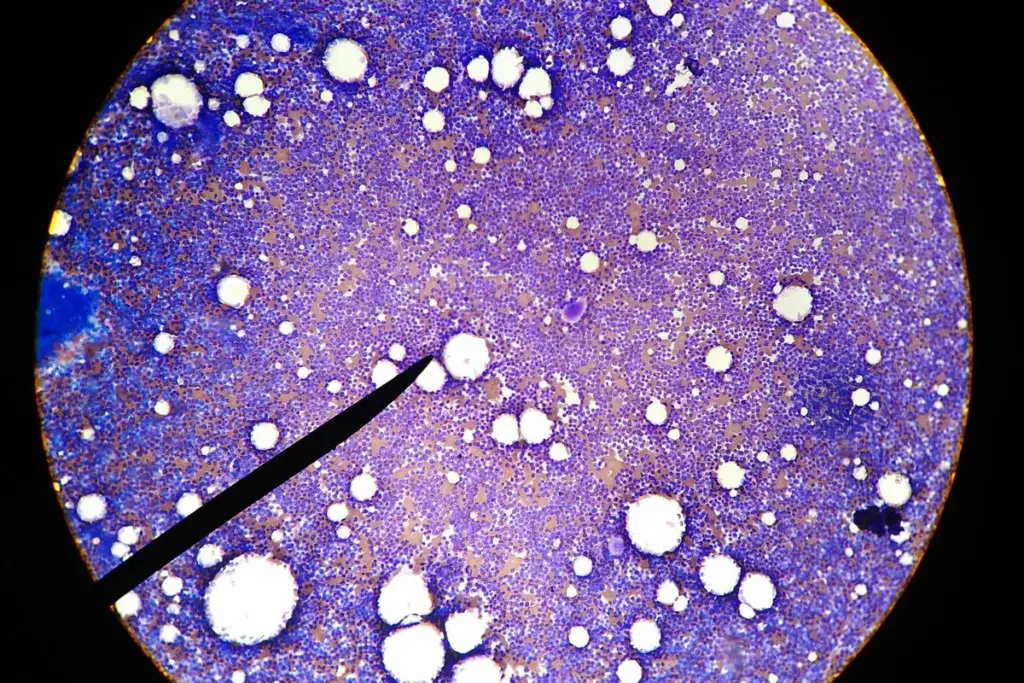
Looking at the survival rates for Allo-HSCT is key to understanding its role in treatment. The rates change based on the disease and the patient’s health.
One-Year Survival Rates
Recent studies show big jumps in one-year survival for Allo-HSCT patients. For example, Cedars-Sinai reports a one-year survival rate of 85.8%. This is better than the U.S. average. The boost comes from better treatment and care.
Five-Year Survival Rates
Five-year survival rates show how well Allo-HSCT works over time. These rates change based on the disease and the patient’s health. But, most trends look good for those getting this treatment.
Long-Term Survival Beyond Five Years
Surviving more than five years after Allo-HSCT is a big win. New medical tech and better care after transplant have helped. This gives hope to those with few other options.
The success of stem cell transplant is watched closely. Data show life expectancy after transplant keeps getting better. Survival depends on the patient’s health, the disease, and post-transplant care.
Cedars-Sinai Outcomes: A Benchmark in Transplant Success
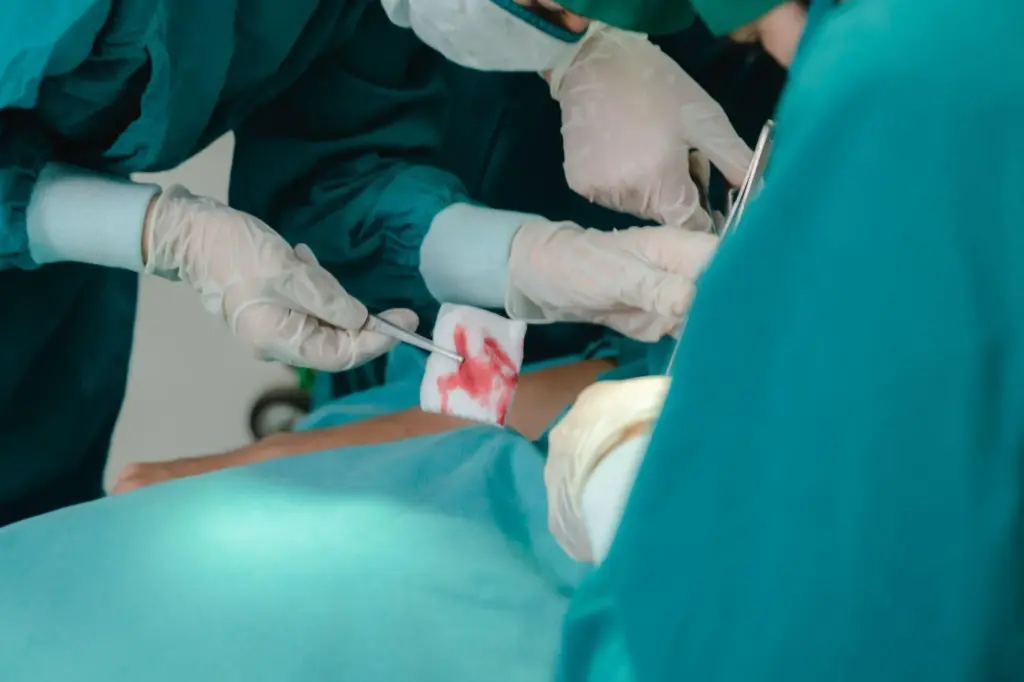
Cedars-Sinai has set a new standard in transplant success. Their one-year survival rate is 85.8%. This shows their commitment to quality care and effective treatments.
The one-year survival rate is key in measuring Allo-HSCT success. At Cedars-Sinai, this rate is 85.8%. It shows they are skilled in managing stem cell transplant challenges.
One-Year Survival Rate of 85.8%
A one-year survival rate of 85.8% means most patients survive the first year after transplant. This is impressive, considering the risks like graft-versus-host disease and infections.
Comparison to U.S. National Average (68.8–83.1%)
Cedars-Sinai’s one-year survival rate of 85.8% is higher than the U.S. national average. This shows their treatment and care strategies are effective.
|
Institution |
One-Year Survival Rate (%) |
|---|---|
|
Cedars-Sinai |
85.8 |
|
U.S. National Average |
68.8 – 83.1 |
Cedars-Sinai’s success in higher survival rates comes from careful patient selection and advanced treatments. They also provide detailed post-transplant care. This makes them a leader in stem cell transplantation.
The stem cell transplant success rate at Cedars-Sinai shows their commitment to excellence. They keep improving survival rates after stem cell transplant. This sets a high standard for other institutions.
Disease-Specific Survival Rates
Disease-specific survival rates give us key insights into how well allo-HSCT works for different blood cancers. It’s vital for both patients and doctors to know how effective this treatment is for certain diseases.
Leukemia Outcomes
Leukemia is a common reason for allo-HSCT. The survival rates after transplant depend on the disease stage and how well the donor and recipient match.
|
Disease Stage |
One-Year Survival Rate |
Five-Year Survival Rate |
|---|---|---|
|
Early Stage |
70% |
50% |
|
Advanced Stage |
50% |
30% |
Lymphoma Outcomes
For lymphoma patients, allo-HSCT is considered when other treatments don’t work. Survival rates can change based on the lymphoma type and the patient’s health.
Multiple Myeloma Outcomes
Multiple myeloma is treated with allo-HSCT, mainly in younger patients or those with high-risk disease. Survival rates for these patients have gotten better thanks to new treatments.
|
Treatment Protocol |
Two-Year Survival Rate |
Five-Year Survival Rate |
|---|---|---|
|
Standard Protocol |
80% |
45% |
|
Intensive Protocol |
85% |
55% |
In summary, the survival rates after allo-HSCT show how complex and varied treatment results are for blood cancers. These findings are key for making treatment plans and talking to patients.
Rare Disease Outcomes: The Case of Aggressive NK-Cell Leukemia
Aggressive NK-cell leukemia is a rare cancer that needs special treatments. Allo-HSCT is seen as a possible lifesaver. This part looks at how patients with this disease do after allo-HSCT, focusing on survival rates and what affects them.
Japanese Analysis Findings
A big study from Japan looked at patients with aggressive NK-cell leukemia after allo-HSCT. It gives us important info on survival rates and the tough parts of this rare disease.
This study’s results are key for knowing if allo-HSCT works well for aggressive NK-cell leukemia. It also shows where we can do better.
One-Year and Five-Year Survival Rates
The Japanese study found that after allo-HSCT, 33.9% of patients with aggressive NK-cell leukemia survived for a year. By five years, 27.3% were alive. These numbers show how hard it is to beat this aggressive cancer.
|
Survival Period |
Survival Rate (%) |
|---|---|
|
One-Year |
33.9 |
|
Five-Year |
27.3 |
These survival rates tell us that while some patients live a long time, the outlook is not good. How well a patient does depends on the cancer’s severity, who gets chosen for treatment, and how well they recover after treatment.
Knowing these survival rates helps doctors and patients set realistic goals. It also pushes us to keep looking for ways to help patients with this rare and tough disease.
Life Expectancy After Stem Cell Transplant: Long-Term Outlook
Life expectancy after a stem cell transplant is a big concern. Recent studies have given us a better understanding of long-term survival. It’s important to know what affects life expectancy after an allo-HSCT for both patients and doctors.
Two-Year Milestone Significance
Reaching two years after a transplant is a big deal. Data show that those who make it past two years have a much better chance of living for five years. This milestone shows a patient’s ability to beat early transplant challenges.
Survival Rates Beyond Two Years
|
Time Post-Transplant |
Survival Rate |
|---|---|
|
2 Years |
Improved Survival |
|
5 Years |
Up to 91% |
Five-Year Survival Rates for Long-Term Survivors
For those who survive long-term, the five-year survival rate is key. Studies show that long-term survivors often see a big improvement in their quality of life. They can even go back to normal activities. The five-year survival rate depends on many things, like the disease, the patient’s health, and transplant complications.
“The achievement of long-term survival post-allo-HSCT is a testament to the advancements in transplant technology and patient care. As we continue to improve our understanding of the factors influencing survival, we can better support patients in their journey towards recovery.”
Quality of Life Considerations
Quality of life is very important for long-term survivors of allo-HSCT. Things like GVHD, infections, and organ damage can really affect a patient’s life. But, with the right care and support, many patients can live active and meaningful lives.
As we keep improving in the field of allo-HSCT, understanding the long-term outlook is key. By focusing on milestones like the two-year mark and the factors that affect quality of life, we can better support patients on their recovery journey.
Patient Selection and Preparation: Impact on Survival Outcomes
Picking the right patients and preparing them well is key to success in allo-HSCT. This means a detailed check to make sure they’re good candidates for the treatment.
Pre-Transplant Evaluation Process
The pre-transplant check is a deep dive into a patient’s health. It looks at their medical history, current health, and tests to see if they’re ready for the transplant.
This step helps spot problems early. It lets doctors take steps to make things better. It also helps pick the best donor and plan the treatment just right for each patient.
Optimizing Patient Condition
Getting the patient ready for the transplant is very important. It helps lower the chance of problems and boosts survival chances. This means managing any health issues and making sure the disease is as stable as possible for the transplant.
Research shows that healthier patients do better after allo-HSCT. They face fewer problems after the transplant and are more likely to live longer.
|
Pre-Transplant Condition |
One-Year Survival Rate |
Five-Year Survival Rate |
|---|---|---|
|
Optimal |
85% |
60% |
|
Suboptimal |
70% |
40% |
Psychological Preparation
Getting mentally ready for the transplant is also very important. Patients often feel stressed and anxious, which can affect their recovery.
Helping them with counseling, support groups, and learning more about the transplant can make a big difference. This support is key to keeping their mental health strong and helping them follow the care plan after the transplant.
By focusing on a good pre-transplant check, making sure patients are as healthy as possible, and supporting their mental health, doctors can greatly improve survival rates for patients going through allo-HSCT.
Factors Influencing Survival Rates
Knowing what affects survival rates after allo-HSCT is key to better treatment results. Many things can influence how well a transplant works.
Patient-Related Factors
Things about the patient can greatly affect the success of allo-HSCT. These include:
- Age: Older patients might face more risks.
- Overall health: Conditions before the transplant can impact survival.
- Performance status: Better health before transplant means better chances.
Experts say, “The patient’s health before the transplant is very important for the outcome.”
“The pre-transplant evaluation process is vital in identifying patients who are most likely to benefit from allo-HSCT.”
Disease-Related Factors
The type and stage of the disease also affect survival rates. For example:
|
Disease Type |
One-Year Survival Rate |
Five-Year Survival Rate |
|---|---|---|
|
Leukemia |
60% |
40% |
|
Lymphoma |
55% |
35% |
Factors like the disease stage and minimal residual disease are key for long-term survival.
Transplant-Related Factors
Things about the transplant itself are also important. Matched sibling donors often have better results than unrelated donors.
The intensity of the conditioning regimen can affect risks and survival. Finding the right balance is essential.
Graft-Versus-Leukemia Effect: A Double-Edged Sword
The GVL effect is key in making allo-HSCT effective. It’s a double-edged sword in fighting leukemia. Donor immune cells attack leukemia cells, helping to get rid of cancer cells and lower relapse risk.
Mechanism and Benefits
Donor T cells and natural killer cells fight leukemia cells. This immune action helps achieve complete remission and long-term survival. Patients with a GVL effect tend to live longer than those without.
Benefits of GVL Effect:
- Enhanced anti-leukemic activity
- Reduced risk of disease relapse
- Improved overall survival rates
Balancing GVL with GVHD Risk
The GVL effect is good, but it’s tied to GVHD, a serious complication. GVHD happens when donor cells attack the host’s healthy tissues. Finding a balance between the GVL effect and GVHD risk is a challenge.
|
Factor |
GVL Effect |
GVHD Risk |
|---|---|---|
|
Donor T Cells |
Promotes GVL |
Increases GVHD Risk |
|
Immunosuppression |
Reduces GVL |
Decreases GVHD Risk |
Enhancing GVL While Minimizing Complications
To get the most from the GVL effect while avoiding GVHD, researchers are looking into new methods. They’re studying selective T-cell depletion and immunosuppressive therapies. These methods aim to keep GVHD risk low while keeping the GVL effect strong.
Understanding the GVL effect and GVHD is key. It helps doctors create treatment plans that work best for each patient. This careful approach is vital for better outcomes and quality of life for those undergoing allo-HSCT.
Relapsed/Refractory B-Cell Non-Hodgkin Lymphoma: Italian Multicenter Research
Italian researchers have made big steps in understanding allo-HSCT for relapsed/refractory B-cell non-Hodgkin lymphoma. This condition has long been hard to treat. A recent study shows good results for those who get this treatment.
Long-Term Survivor Outcomes
Looking closer, the study found long-term survivors had better quality of life and lower disease risk. The study pointed out important factors for these good results:
- Choosing the right patients for allo-HSCT
- Improving transplant-related aspects
- Good care after the transplant
These discoveries are great news for doctors and patients. They show allo-HSCT can be a good choice for treating this lymphoma. As research keeps going, survival rates and long-term results are likely to get even better, giving hope to those with this tough condition.
Post-Transplant Complications Affecting Survival
Patients who have had allo-HSCT face many challenges. These can affect their long-term survival and quality of life. It’s important to know about these complications to care for patients well.
Graft-Versus-Host Disease (GVHD)
Graft-Versus-Host Disease (GVHD) is a big problem after allo-HSCT. It happens when the donor’s immune cells attack the recipient’s body. GVHD can be acute or chronic, and its severity varies. Managing GVHD well is key to better survival rates.
Infections
Infections are a big worry after allo-HSCT because the immune system is weak. These can be bacterial, viral, or fungal. It’s important to prevent and treat infections quickly.
Organ Toxicity
Organ toxicity can happen because of the treatment before allo-HSCT or GVHD. Keeping an eye on organ function and using protective measures can help.
Secondary Malignancies
Secondary malignancies can occur long after allo-HSCT. They can come from the treatment or the graft. Regular checks are needed to catch and manage these cancers early.
In summary, complications like GVHD, infections, organ toxicity, and secondary malignancies greatly affect survival after allo-HSCT. It’s essential to understand and manage these issues to improve patient outcomes.
Psychological Support and Quality of Life: Impact on Long-Term Survival
The road to recovery after allogeneic hematopoietic stem cell transplantation (allo-HSCT) is more than just physical. Psychological support is key to long-term survival. As patients deal with their treatment, their mental health and quality of life become more critical.
Mental Health Challenges Post-Transplant
Patients going through allo-HSCT often face big mental health hurdles. These include anxiety, depression, and PTSD. These issues come from the treatment stress, fear of relapse, and adjusting to life after transplant.
A study in the Journal of Clinical Oncology showed almost 30% of patients had big psychological distress after allo-HSCT. This highlights the need for full psychological support in their care plan.
Support Systems and Resources
Good support systems help patients deal with allo-HSCT’s mental effects. This includes professional counseling, support groups, and family help. Things like cognitive-behavioral therapy (CBT) and mindfulness-based interventions can also help improve mental health.
|
Support System |
Description |
Benefits |
|---|---|---|
|
Professional Counseling |
One-on-one therapy sessions with a licensed therapist |
Addresses anxiety, depression, and PTSD |
|
Support Groups |
Group meetings with patients who have undergone similar experiences |
Fosters community, reduces feelings of isolation |
|
Family Support |
Emotional and practical support from family members |
Enhances patient’s sense of security and well-being |
Returning to Normal Life Activities
Getting back to normal life after allo-HSCT is a big step. It’s hard because of physical and mental barriers. But, with the right support, many patients can get back to their daily routines, work, and hobbies.
By focusing on quality of life and giving enough psychological support, healthcare can greatly improve allo-HSCT patients’ long-term survival and well-being. It’s a complete approach that tackles the many challenges these patients face, improving their overall outcome.
LIV Hospital’s Approach to Optimizing Allo-HSCT Outcomes
LIV Hospital has a detailed plan to improve Allo-HSCT results. They use proven methods to help patients succeed with stem cell transplants.
Evidence-Based Protocols
LIV Hospital sticks to the newest Allo-HSCT treatments. They keep their methods up-to-date with the latest research. This ensures patients get the best care possible.
Using these proven protocols helps patients do better with stem cell transplants. It lowers the chance of problems and boosts the success rate of the transplant.
|
Protocol Component |
Description |
Benefit |
|---|---|---|
|
Pre-transplant evaluation |
Comprehensive assessment of patient condition |
Optimizes patient readiness for transplant |
|
Conditioning regimen |
Personalized treatment to prepare for transplant |
Reduces risk of complications |
|
Post-transplant care |
Close monitoring and support |
Enhances recovery and reduces risk of relapse |
Multidisciplinary Team Approach
A team of experts at LIV Hospital works together for Allo-HSCT care. They include hematologists, oncologists, radiologists, and more. This team aims for the best results for patients.
The benefits of a multidisciplinary team approach include:
- Comprehensive care coordination
- Expertise in various aspects of Allo-HSCT
- Personalized treatment planning
Patient-Centered Care Model
LIV Hospital puts patients first in their care model. They focus on making patients comfortable and supported during Allo-HSCT. This includes emotional support and help with concerns.
This patient-centered care makes the experience better for patients and their families. It leads to better results and happier patients.
Conclusion: Interpreting Survival Statistics for Individual Patients
Understanding survival stats for each patient is complex. It involves looking at many factors. These include the patient’s health, the disease type, and the transplant details.
Survival rates give a broad picture. But, each patient’s outcome can differ a lot. The patient’s health, the disease, and the transplant details are key to long-term survival.
It’s vital to look at survival stats in the context of each patient. This approach helps both patients and doctors make better choices. It’s about finding the right treatment and care after the transplant.
Grasping the details of survival rates and what affects them helps patients. It lets them make the most of their treatment. This way, they can increase their chances of living a long life.
FAQ
What is the overall survival rate for allogeneic hematopoietic stem cell transplantation?
The survival rate for allogeneic hematopoietic stem cell transplantation (allo-HSCT) depends on several things. These include the disease, the patient’s health, and the transplant details. Nationally, one-year survival rates range from 68.8% to 83.1%. Cedars-Sinai has achieved a one-year survival rate of 85.8%.
How do disease-specific survival rates vary for patients undergoing allo-HSCT?
Survival rates for allo-HSCT vary a lot. For example, leukemia, lymphoma, and multiple myeloma have different outcomes. A rare condition, aggressive NK-cell leukemia, has shown one-year and five-year survival rates of 33.9% and 27.3%, respectively, in a Japanese analysis.
What factors influence survival rates after allo-HSCT?
Several factors affect survival rates after allo-HSCT. These include the patient’s age, health, and any existing conditions. The disease type and stage, and the transplant specifics also play a role.
What is the significance of the graft-versus-leukemia (GVL) effect in allo-HSCT?
The GVL effect is very important. It’s when donor immune cells attack any leftover leukemia cells. This can lower the risk of the disease coming back. But, it must be balanced with the risk of graft-versus-host disease (GVHD).
What are the common post-transplant complications affecting survival after allo-HSCT?
After allo-HSCT, common complications include GVHD, infections, organ damage, and secondary cancers. Managing these complications is key to improving patient outcomes.
How does psychological support impact long-term survival after allo-HSCT?
Psychological support is very important for long-term survival after allo-HSCT. Mental health challenges are common after transplant. Having access to support systems and resources can greatly improve quality of life and survival.
What is the importance of patient selection and preparation in allo-HSCT outcomes?
Choosing the right patient and preparing them well are critical for good outcomes in allo-HSCT. A thorough pre-transplant evaluation and optimizing the patient’s condition can significantly improve survival rates.
How do centers like LIV Hospital optimize allo-HSCT outcomes?
Centers like LIV Hospital improve allo-HSCT outcomes by using proven protocols and a team approach. They also focus on patient-centered care. These strategies can help improve treatment results.
What is the long-term outlook for patients after allo-HSCT?
The long-term outlook for patients after allo-HSCT depends on several factors. These include the disease type, patient health, and transplant specifics. Reaching the two-year milestone is a big achievement, and five-year survival rates for long-term survivors are encouraging.
How can patients and healthcare providers interpret survival statistics for individual patients?
Understanding survival statistics for individual patients requires a personalized approach. It’s important to consider the unique factors that affect each patient’s outcome. This helps make informed decisions.
References
- Cedars-Sinai — Cedars-Sinai Cancer’s Blood and Marrow Transplant Patients Experience Superior Outcomes. Available from: https://www.cedars-sinai.org/newsroom/cedars-sinai-cancers-blood-and-marrow-transplant-patients-experience-superior-outcomes/
- PubMed Central — Article (PMCID: PMC12283809). Available from: https://pmc.ncbi.nlm.nih.gov/articles/PMC12283809/
- PubMed — Record (PMID: 40541682). Available from: https://pubmed.ncbi.nlm.nih.gov/40541682/
- ASCO — Journal of Clinical Oncology abstract (DOI: 10.1200/JCO.2025.43.16_suppl.6508). Available from: https://ascopubs.org/doi/10.1200/JCO.2025.43.16_suppl.6508
- LIV Hospital — About Us. Available from: https://www.livhospital.com/en/about-us
- JAMA Network. Evidence-Based Medical Insight. Retrieved from https://jamanetwork.com/journals/jamaoncology/fullarticle/2783594[6