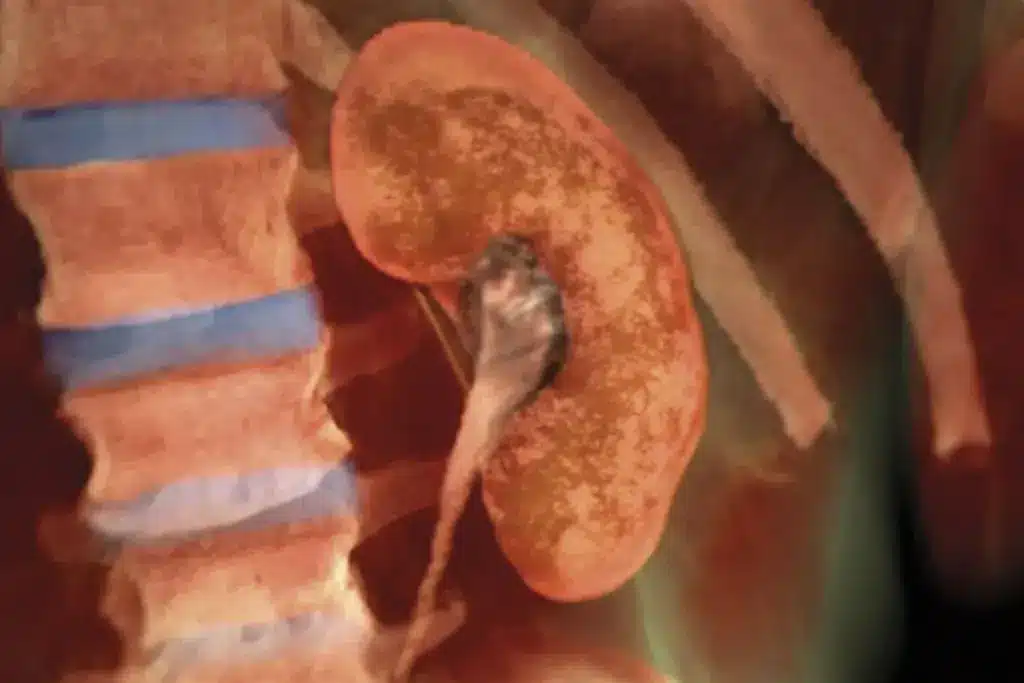
Nephropathy is a term for diseases or damage to the kidneys. It can lead to kidney failure. Merriam-Webster defines it as an abnormal state of the kidney, often linked to another disease. Kidney disease is complex and worrying, so knowing about nephropathy is key to good care.
Understand the medical term “nephropathy” and its impact on kidney health. Learn about the causes, symptoms, and treatment options for this abnormal condition of the kidney.
At Liv Hospital, we focus on top-notch care for kidney diseases. Our team aims to help patients grasp their condition. We offer tailored treatments to slow down disease and keep kidneys working.
Key Takeaways
- Nephropathy is a general term for kidney disease or damage.
- Kidney disease can lead to kidney failure if left untreated.
- Understanding the various forms of nephropathy is critical for proper care.
- Liv Hospital provides top-notch, evidence-based care for kidney diseases.
- Personalized treatment options can help slow disease progression.
Abnormal Condition of the Kidney Medical Term: Defining Nephropathy
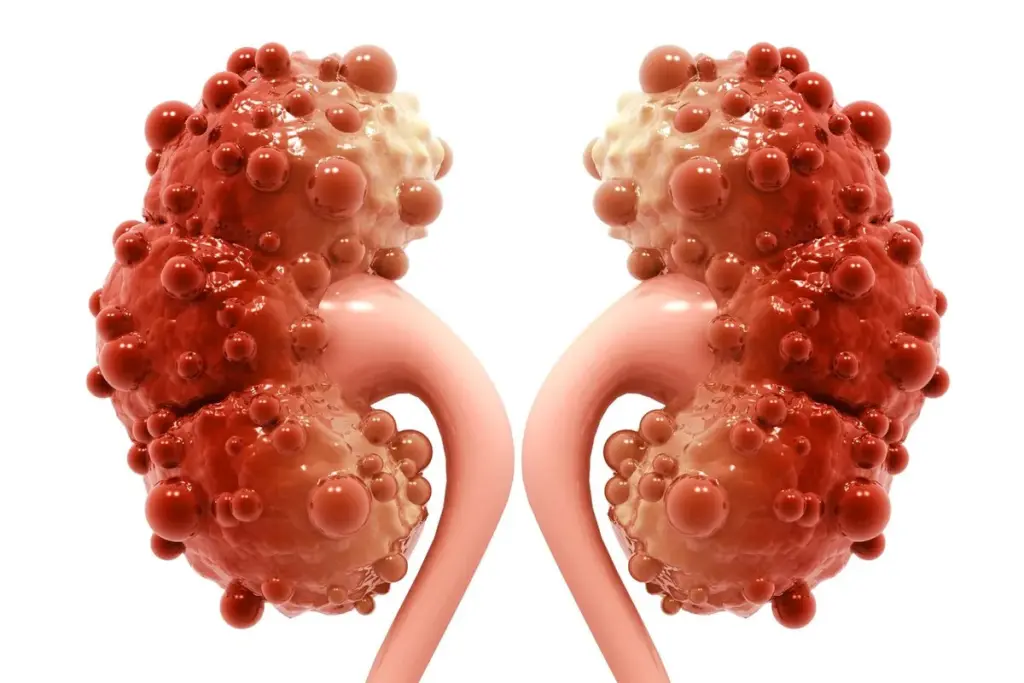
It’s important to know about nephropathy, or kidney disease. This term comes from ‘nephro-‘ and means any kidney disease. It often leads to a loss of kidney function, which can be serious if not treated.
Etymology and Origin of Kidney Disease Terminology
The word nephropathy comes from Greek. ‘Nephros’ means kidney and ‘pathos’ means disease. Knowing this helps us understand the wide range of kidney diseases, like diabetic nephropathy.
Diabetic nephropathy is a big cause of kidney disease worldwide, says the NCBI Bookshelf. It’s caused by complex interactions between metabolic and hemodynamic factors.
How Nephropathy Affects Normal Kidney Function
Nephropathy can harm kidney function a lot. The kidneys filter waste, control blood pressure, and keep electrolytes balanced. When nephropathy happens, these functions can get messed up.
This can lead to toxin buildup, high blood pressure, and electrolyte imbalances. The damage from nephropathy depends on the cause and how severe it is. For example, diabetic nephropathy can damage the glomeruli, causing proteinuria and kidney function decline.
It’s key to catch and manage nephropathy early. This can stop kidney disease from getting worse and lower the risk of serious problems. Knowing about kidney disease helps doctors give better care to patients.
Types and Classifications of Nephropathy

It’s important to know the different types of nephropathy to treat kidney diseases well. Nephropathy, the term meaning any disease of the kidney, includes many kidney disorders. These conditions have different causes, symptoms, and effects.
Inflammatory (Nephritis) vs. Non-Inflammatory (Nephrosis) Conditions
Nephropathy can be divided into two main types: inflammatory and non-inflammatory. Nephritis is when the kidneys get inflamed, often due to infections or autoimmune diseases. Nephrosis is when the kidneys are damaged but not inflamed, affecting their filtering ability.
Acute vs. Chronic Kidney Disease
Kidney disease can also be classified by how long it lasts. Acute kidney injury (AKI) is a sudden loss of kidney function that can be reversed. Chronic kidney disease (CKD) is a gradual loss of function over time, leading to serious problems if not treated.
End-Stage Renal Disease (ESRD)
The most severe stage of CKD is End-Stage Renal Disease (ESRD). At this stage, the kidneys almost completely lose their function. People with ESRD need dialysis or a kidney transplant to live.
| Classification | Description | Examples/Treatment |
|---|---|---|
| Nephritis | Inflammatory kidney disease | Infections, autoimmune diseases |
| Nephrosis | Non-inflammatory kidney disease | Diabetic nephropathy, minimal change disease |
| Acute Kidney Injury (AKI) | Sudden loss of kidney function | Reversible with treatment, supportive care |
| Chronic Kidney Disease (CKD) | Gradual loss of kidney function | Management of underlying causes, slowing progression |
| End-Stage Renal Disease (ESRD) | Advanced stage of CKD with significant loss of kidney function | Dialysis, kidney transplant |
In conclusion, knowing the different types of nephropathy is key to good care for kidney disease patients. By identifying the specific type and stage, doctors can give better treatment plans to help patients.
Primary Causes and Risk Factors for Kidney Disease
It’s important to know the main causes and risk factors for kidney disease. This knowledge helps in preventing and managing the condition. Kidney disease includes various conditions that affect the kidneys. Finding the root cause is key to effective care.
Diabetic Nephropathy: The Leading Cause
Diabetic nephropathy is the top cause of kidney disease globally. It’s a diabetes complication that harms the kidneys’ filters, called glomeruli. The Centers for Disease Control and Prevention (CDC) says diabetes causes about 40% of severe kidney disease in developed countries.
Diabetic nephropathy happens over time due to high blood sugar damaging kidney blood vessels. This makes it hard for the kidneys to filter waste. Managing diabetes well is key to preventing or slowing this disease.
Hypertension and Its Impact on Kidney Health
Hypertension, or high blood pressure, is a big risk factor for kidney disease. High blood pressure can harm the kidneys’ blood vessels, making them less effective. If not managed, this can lead to kidney disease and failure.
Lowering blood pressure through lifestyle changes and medication helps protect kidney health. It’s important to regularly check blood pressure and kidney function for those at risk.
Statistics and Prevalence in the United States
The CDC says 14% of adults over 20 have Chronic Kidney Disease (CKD), with 30% also having diabetes. This shows the need for awareness and management of risk factors.
| Condition | Prevalence | Risk Factor for CKD |
|---|---|---|
| Diabetes | 30% of adults with CKD also have diabetes | High |
| Hypertension | High blood pressure affects kidney health | High |
| CKD | 14% of individuals aged 20 or older | N/A |
Knowing these statistics and the causes of kidney disease is vital for prevention and treatment. By managing diabetes and hypertension, people can lower their risk of kidney disease.
Conclusion: Recognizing and Managing Kidney Disease
Understanding nephropathy, the term meaning an abnormal condition of the kidney, is key. Recent studies have updated treatment guidelines for diabetic nephropathy. This shows how important early detection and management are.
We’ve looked at nephropathy’s definition, types, and main causes. The term covers many kidney function issues. Knowing the signs and risk factors is critical for early action.
Managing kidney disease requires a team effort. Healthcare professionals like nephrologists, dietitians, nurses, and pharmacists play a big role. Together, they can slow disease progress and better patient outcomes. Strategies include adjusting meds, planning for renal replacement, and fixing reversible causes.
Early detection and management of kidney disease greatly improve outcomes. By grasping nephropathy’s complexities and using a team approach, we can enhance life quality for those with kidney disease.
FAQ
What is the term meaning an abnormal condition of the kidney?
Nephropathy is the term for kidney disease or damage. It’s a general term.
What is the medical term for abnormal condition of the kidney?
Nephropathy is the medical term for kidney issues. It covers many kidney diseases and damage.
What is the term meaning any disease of the kidney?
Nephropathy is the term for any kidney disease. It includes many conditions, from inflammation to chronic damage.
What are the primary causes of nephropathy?
Diabetic nephropathy and hypertension are the main causes. They are big risks for kidney disease.
What is diabetic nephropathy?
Diabetic nephropathy is kidney disease from diabetes. It damages blood vessels and hampers waste removal.
How does hypertension affect kidney health?
Hypertension harms the kidneys’ blood vessels. It reduces function and raises disease risk.
What is End-Stage Renal Disease (ESRD)?
ESRD means kidneys almost fail. It needs dialysis or a transplant to keep someone alive.
What are the implications of having ESRD?
ESRD means big lifestyle changes. It includes dialysis or transplant and managing health issues.
Reference:
Evidence-Based Medical Insight https://www.ncbi.nlm.nih.gov/books/NBK534200