Nephrotoxicity, or kidney toxicity, is when certain substances harm the kidneys. This can make them work less well. At Liv Hospital, we focus on keeping the kidneys healthy and preventing damage.
Some medicines and chemicals can harm the kidneys. This can lead to mild problems or even serious kidney failure. It’s important to know what causes it and to watch for signs.
Understanding nephrotoxicity meaning helps us see how it affects the kidneys. We aim to give top-notch care and new solutions for those with this condition.
Key Takeaways
- Nephrotoxicity refers to the harmful effects of substances on the kidneys.
- Certain medications and chemicals can cause kidney damage.
- Understanding nephrotoxicity is key to keeping the kidneys healthy.
- Spotting warning signs is vital for managing and treating it.
- Liv Hospital offers full care for patients with nephrotoxicity.
Understanding Nephrotoxicity
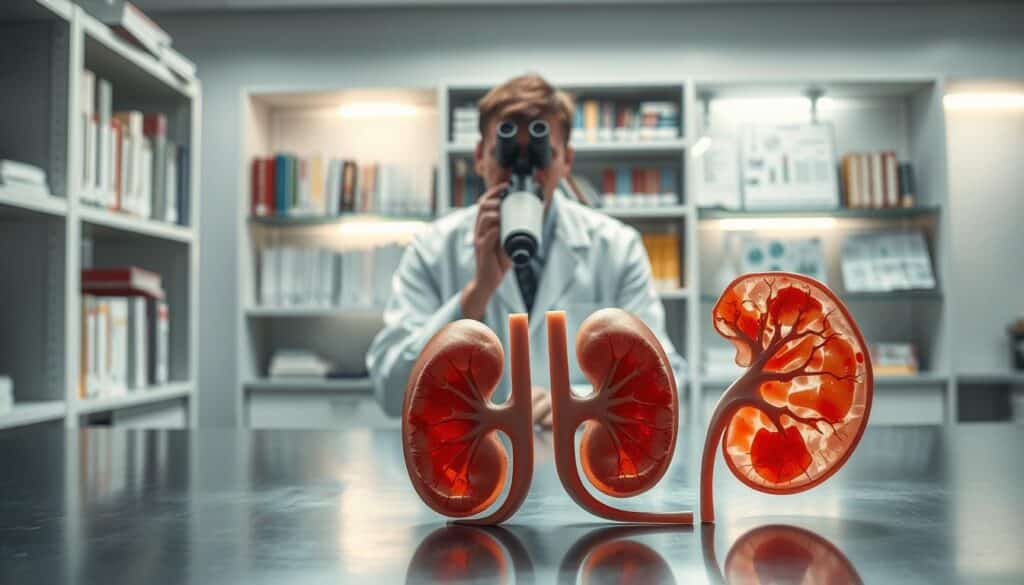
It’s key to know about nephrotoxicity to spot and handle kidney harm from harmful substances. Nephrotoxicity is when certain things harm the kidneys, which can lead to kidney failure. The kidneys filter waste, keep electrolyte balance, and control blood pressure.
Definition and Types of Renal Toxicity
Renal toxicity, or nephrotoxicity, happens when the kidneys face harm from substances. These can be medicines, chemicals, or toxins. There are different kinds of renal toxicity, like:
- Crystal nephropathy: This is when crystals in the renal tubules cause damage, often from certain medicines.
- Glomerular damage: This is when the kidneys can’t filter well, leading to glomerulonephritis.
- Tubular cell toxicity: This is from damage to the kidney’s tubular cells due to oxidative stress and direct toxicity.
- Inflammation and fibrosis: Long-term inflammation can cause scarring, which harms kidney function over time.
Some medicines can harm these important organs, affecting their function. Knowing how these substances harm is key to preventing and managing nephrotoxicity well.
How Nephrotoxicity Damages Kidney Function
Nephrotoxicity harms the kidney’s nephrons through several ways. The process includes:
- Direct harm to the renal tubular cells.
- Oxidative stress causing cell damage.
- Inflammation leading to scarring and fibrosis.
- Crystal formation in the renal tubules.
These actions can lower kidney function, showing as acute kidney injury (AKI) or chronic kidney disease (CKD).
Exploring nephrotoxicity shows why knowing its causes, signs, and treatments is important. By spotting risks and taking steps to prevent them, we can lessen nephrotoxicity’s effect on kidneys.
Nephrotoxicity Symptoms and Signs
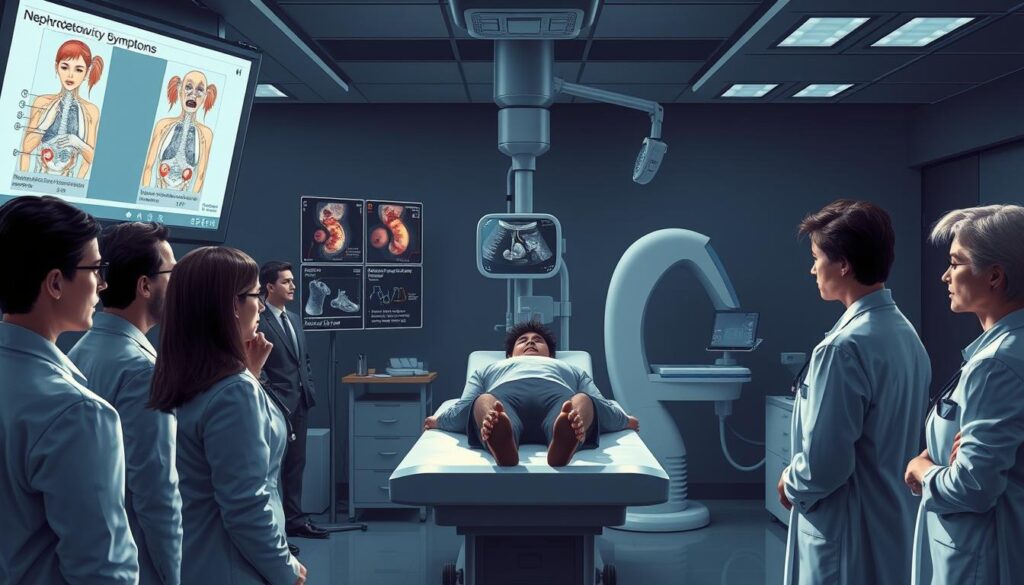
Spotting nephrotoxicity symptoms early is key to better treatment and care. Kidney toxicity, or nephrotoxicity, shows up in different ways. These symptoms can really hurt your kidneys.
Early and Mild Symptoms
In the beginning, symptoms of nephrotoxicity might be mild and hard to notice. But as kidney damage gets worse, you might see swelling in your hands, ankles, or feet. This is because your body is holding onto too much fluid.
High blood pressure is another sign, as your kidneys help control it. You might also notice changes in how much you pee, or even see blood in your urine. These signs of nephrotoxicity are warning signs of kidney damage.
Severe Manifestations
When nephrotoxicity gets worse, symptoms get more serious. You might see a lot of swelling in your legs and feet. You could also feel short of breath because of fluid in your lungs.
“If left untreated, severe nephrotoxicity can lead to acute kidney injury, requiring immediate medical attention.”
Other signs include feeling confused or having changes in your mental state. This is because your kidneys can’t filter out toxins like they should.
When to Seek Medical Attention
If you notice any big changes, like not peeing as much, severe swelling, high blood pressure, or changes in how you think, get help right away. Early treatment can make a big difference for people with nephrotoxicity.
If you think you might be at risk for kidney toxicity or are showing symptoms of nephrotoxicity, talk to your doctor fast. They can tell you what to do next and what treatments are available.
Common Causes and Risk Factors
It’s important to know what causes nephrotoxicity to prevent and manage it well. Nephrotoxicity comes from many sources. Knowing these can help lower the risk.
Medication-Induced Nephrotoxicity
About 20 percent of nephrotoxicity cases are caused by drugs. This is more common in older people because they take more medicines. Some antibiotics, like aminoglycosides, can harm the kidneys.
NSAIDs can also damage the kidneys, mainly if used for a long time or in large amounts. Lithium needs careful watching to avoid kidney harm. Contrast dyes used in imaging tests are risky, too, for those with kidney problems.
Chemical and Environmental Toxins
Some chemicals and environmental toxins can cause nephrotoxicity. Knowing the risks helps us take steps to prevent it. For more on kidney disease, visit Mayo Clinic’s page on chronic kidney.
High-Risk Populations
Some groups are more likely to get nephrotoxicity. Older people are at risk because they take more medicines and their kidneys get weaker with age. Those with kidney problems already are also at higher risk. We need to focus on these groups to help them more.
By knowing the common causes and risks of nephrotoxicity, we can protect our kidneys. It’s key to manage and prevent nephrotoxicity to keep our kidneys healthy.
Diagnosis, Treatment, and Prevention
It’s important to know about the dangers of nephrotoxic drugs for our kidneys. We should keep an eye on our kidney function, mainly if we’re on certain meds. Kidney toxicity can be checked with blood tests like serum creatinine and GFR.
For nephrotoxicity treatment, doctors might change how much medicine we take or switch to safer options. Using non-contrast MRIs or ultrasounds can also help avoid harmful contrast dyes. Knowing what makes a drug define nephrotoxic helps doctors prevent problems.
To keep our kidneys healthy, we should eat less sodium, control our blood pressure, and stay away from harmful substances. If we’re at risk, getting regular tests is vital. It helps catch any kidney issues early.
FAQ
What is nephrotoxicity?
Nephrotoxicity is when certain substances harm the kidneys. This can lead to a decrease in kidney function. It can be caused by medications, environmental toxins, and other substances.
What are the symptoms of nephrotoxicity?
Symptoms can range from mild to severe. They include less urine, fluid buildup, high blood pressure, and changes in mental state. It’s important to notice these signs early to prevent more damage.
How does nephrotoxicity damage kidney function?
It damages the nephrons, the kidneys’ functional units. This can happen through several ways, like crystal formation, glomerular damage, and inflammation. It can also lead to scar tissue buildup.
What are the common causes of nephrotoxicity?
Common causes include certain medications and environmental toxins. Knowing these causes helps in preventing kidney damage.
Who is at higher risk for nephrotoxicity?
The elderly and those with kidney problems are at higher risk. They should be watched closely, mainly when taking medications that can harm the kidneys.
How is nephrotoxicity diagnosed?
It’s diagnosed by checking kidney function through blood tests. These tests measure waste products like creatinine. Early detection is key for effective treatment.
What are the treatment options for nephrotoxicity?
Treatment includes adjusting medication and using safer imaging techniques. The goal is to reduce further damage and manage symptoms.
How can nephrotoxicity be prevented?
Preventing it involves regular kidney checks, mainly for those on harmful medications. Also, avoiding toxins is important.
What is the significance of understanding nephrotoxicity?
Knowing about nephrotoxicity helps protect kidney health. Recognizing causes, symptoms, and risks allows for proactive steps to safeguard kidneys.
Can nephrotoxicity be reversed?
In some cases, it can be reversed by removing the harmful substance or adjusting treatment. The success depends on the severity and duration of exposure.
What is the role of medication in nephrotoxicity?
Some medications can harm the kidneys. Their use should be closely monitored, and safer alternatives should be considered, if possible.