Learning about the connective tissue stroma helps us see how organs are supported and fixed. At Liv Hospital, we focus on our patients and use the latest medical techniques. This shows how important stromal tissue is for our bodies.
Stromal tissue is the backbone of organs, giving them support and keeping them in place. We’ll look at how it keeps organs working well. We mix medical knowledge with care to explain its role.
Key Takeaways
- The stroma plays a key role in supporting and protecting organs.
- Stromal tissue is found all over the body, holding the functional parts in place.
- Knowing about stroma is key to understanding how our bodies work.
- Liv Hospital’s patient-focused approach offers full care.
- Using the latest medical methods is vital for fixing and keeping organs working.
The Fundamental Nature of Connective Tissue Stroma
Exploring connective tissue stroma shows its key role in medical science. The word “stroma” comes from Ancient Greek στρῶμα (strôma), meaning “layer, bed, bed covering.” This background helps us see stroma as a supportive layer in tissues and organs.
Basic Definition and Origin
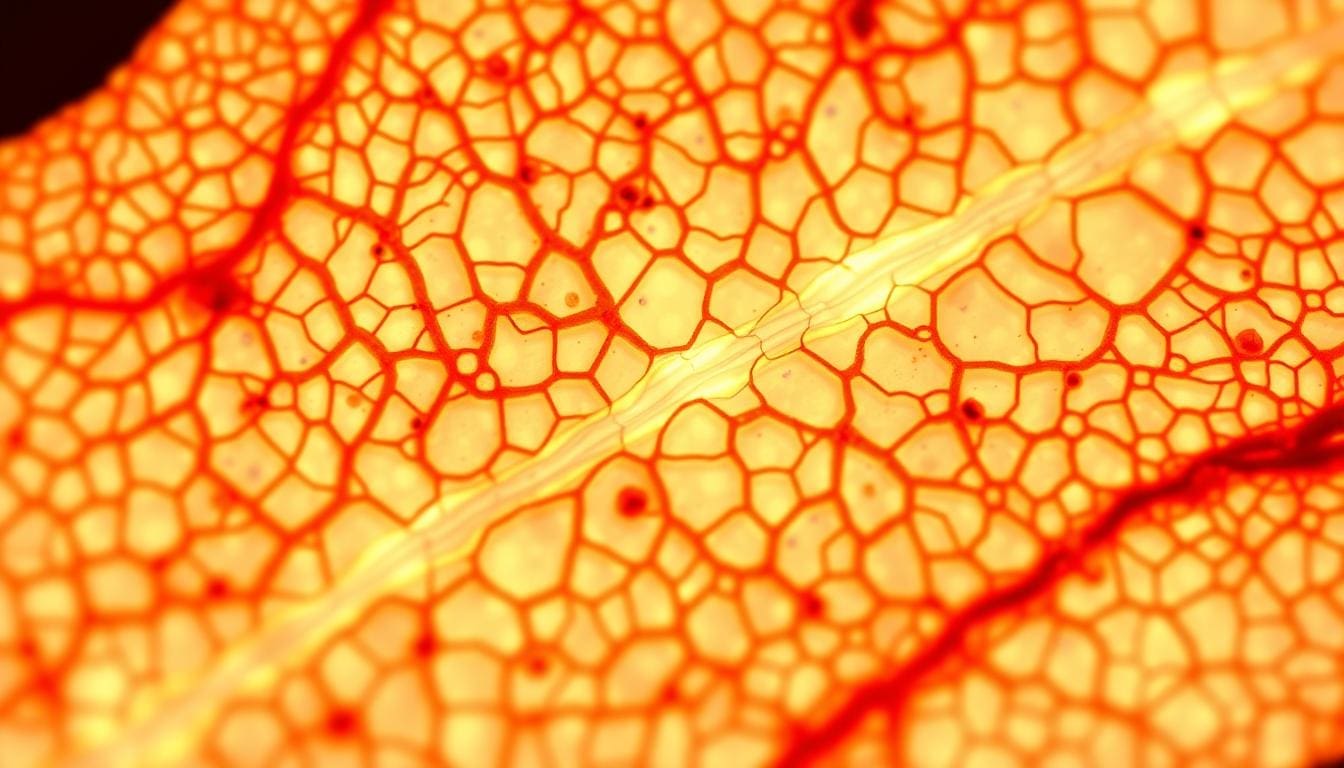
Connective tissue stroma is the supportive tissue around and under organs and structures in our body. It has different cell types and an extracellular matrix for support. The stroma’s development is tied to how organs form during embryogenesis.
The stroma is vital for keeping organs’ shape and function. Its makeup and structure change based on each organ’s needs. This shows its flexibility and importance.
| Characteristics | Description |
|---|---|
| Cell Types | Fibroblasts, immune cells, and other cell types |
| Extracellular Matrix | Collagen, elastic fibers, and ground substance |
| Function | Structural support, mechanical strength, and organ architecture maintenance |
Historical Understanding of Stromal Tissue
Our understanding of stromal tissue has grown a lot over time. At first, it was seen as just a passive support. But now, we know it plays an active role in many processes.
Evolution of Understanding: We’ve moved from seeing stroma as just a structure to seeing it as a key player in organ function and disease.
Today, we see stroma as more than just a framework. It’s a vital part that works with other tissues to keep organs healthy.
Components and Structure of Connective Tissue Stroma
Connective tissue stroma is made up of different cells and a rich matrix. It’s key to organ shape and function. Its complex makeup supports and structures various organs.
Stromal Cells: Fibroblasts and Other Cell Types
Stromal cells, like fibroblasts, are vital in the stroma. Fibroblasts mainly make the matrix and keep tissue shape. Other cells, like immune cells and fat cells, also play a role.
These cells keep tissues balanced and heal injuries. Their variety lets the stroma adjust to different situations.
Extracellular Matrix Composition
The matrix is a network of proteins and sugars. It supports cells and has different parts like collagens and elastin. Each tissue has its own matrix mix, fitting its needs.
Collagen and Elastic Fibers in Stroma
Collagen and elastic fibers are key in the matrix. Collagen fibers give strength, and elastic fibers let tissues snap back. The right mix keeps tissues working well.
| Fiber Type | Function | Tissue Distribution |
|---|---|---|
| Collagen | Provides tensile strength | Widely distributed in connective tissue |
| Elastic | Enables tissue recoil | Found in skin, lungs, and blood vessels |
In summary, the stroma’s parts and structure are linked to its role. Knowing about stromal cells and the matrix, including collagen and elastic fibers, shows the stroma’s importance in our bodies.
The Critical Distinction Between Stroma and Parenchyma
In organ anatomy, stroma and parenchyma are two key tissue types. They work together to make organs function well. Knowing their roles helps us understand how organs are structured and work.
Defining Characteristics of Each Tissue Type
Parenchyma is the main cell part of an organ, doing its main job. For example, in the liver, hepatocytes are the parenchymal cells that detoxify and metabolize. Stroma, on the other hand, is the connective tissue that supports the organ. It has cells like fibroblasts and the extracellular matrix, which hold the parenchymal cells in place.
These two tissue types are not just different in structure; they also have different functions. Parenchymal cells do the organ’s main tasks. Stromal tissue supports these cells by providing a structure, helping with nutrient and waste exchange, and aiding in the immune response.
Functional Interdependence in Organs
Stroma and parenchyma work together for organs to function well. Stromal tissue helps parenchymal cells by creating a good environment for them. For instance, in connective tissue, stroma gives the needed structure for parenchymal cells to do their jobs.
Here’s a table showing how stroma and parenchyma depend on each other:
| Characteristics | Stroma | Parenchyma |
|---|---|---|
| Function | Provides structural support and facilitates nutrient/waste exchange | Performs the organ’s primary function |
| Cell Types | Fibroblasts, immune cells, etc. | Organ-specific cells (e.g., hepatocytes in the liver) |
| Examples | Connective tissue in organs | Hepatocytes in the liver, nephrons in the kidney |
The teamwork of stroma and parenchyma is key to organ health. Any problem in this partnership can cause organ dysfunction.
Where Is Stromal Tissue Found in the Human Body?
Stromal tissue is found all over the human body. It helps many organs work right. This tissue is key for the body’s structure and function.
Bone Marrow Stromal Environment
Bone marrow is where you find a lot of stromal tissue. It has cells and a matrix that help blood cells grow. This tissue is important for the immune system.
Lymphatic Stromal Networks
Lymph nodes and the spleen have lots of stromal tissue. This tissue helps lymphocytes move and work together. It’s vital for starting immune responses.
Ovarian Stromal Tissue
The ovaries have a lot of stromal tissue. It’s around the follicles and helps make sex hormones. Changes in this tissue can cause reproductive problems.
Corneal Stroma Structure
The cornea, the eye’s outer layer, is mostly stromal tissue. It has collagen fibers and keratocytes. This keeps the cornea clear and helps with vision.
To show where stromal tissue is and what it does, let’s look at a table:
| Location | Function | Key Components |
|---|---|---|
| Bone Marrow | Supports hematopoiesis | Fibroblasts, extracellular matrix |
| Lymphatic Organs | Facilitates immune responses | Fibroblastic reticular cells, lymphocytes |
| Ovaries | Produces sex hormones, supports follicles | Stromal cells, collagen |
| Cornea | Maintains transparency and refractive power | Collagen fibers, keratocytes |
In summary, stromal tissue is in many important places in the body. It’s in bone marrow, lymphatic systems, ovaries, and the cornea. Each place shows how stromal tissue helps organs work and keeps us healthy.
Structural and Mechanical Functions of Connective Tissue Stroma
Connective tissue stroma is key for keeping organs working right. It has structural and mechanical roles. The stroma acts as a framework for organs, helping them do their jobs well.
Physical Support and Anchoring Mechanisms
The stroma gives physical support and holds cells in place. It does this with a network of cells and matrix around the cells.
Doctors say, “The stromal tissue acts as a scaffold. It provides mechanical support and keeps cells in place in an organ.” This is important for organs to handle stress and keep their shape.
Resistance to Mechanical Stress
The stroma also fights off mechanical stress. It has collagen and elastic fibers in its matrix. These help it handle and spread out forces.
Maintenance of Organ Architecture
The stroma is key in keeping organs’ shapes. It gives a framework for all parts of an organ to be in the right spot. This helps the organ work well.
- The stroma supports the organization of parenchymal cells.
- It maintains the spatial relationships between different cell types within an organ.
- The stromal framework is essential for the proper functioning of organs.
In short, the connective tissue stroma is vital for organs’ structure and function. It offers support, fights stress, and keeps organs’ shapes. All these are key for our bodies to work right.
The Role of Stroma in Vascular and Neural Support
Stroma plays a key role in supporting blood vessels and neural networks. It helps in exchanging nutrients and waste products. This is vital for tissue health.
Stromal Scaffolding for Blood Vessels
Stroma supports blood vessels’ growth and upkeep. Stromal cells, like fibroblasts, make the extracellular matrix. This matrix gives blood vessels the strength they need.
The matrix also aids in making new blood vessels. Stromal cells release factors that help endothelial cells grow. These cells line the blood vessels.
| Function | Description | Key Components Involved |
|---|---|---|
| Structural Support | Provides framework for blood vessels | Extracellular matrix, collagen |
| Angiogenesis | Promotes formation of new blood vessels | Angiogenic factors, endothelial cells |
Neural Network Support Functions
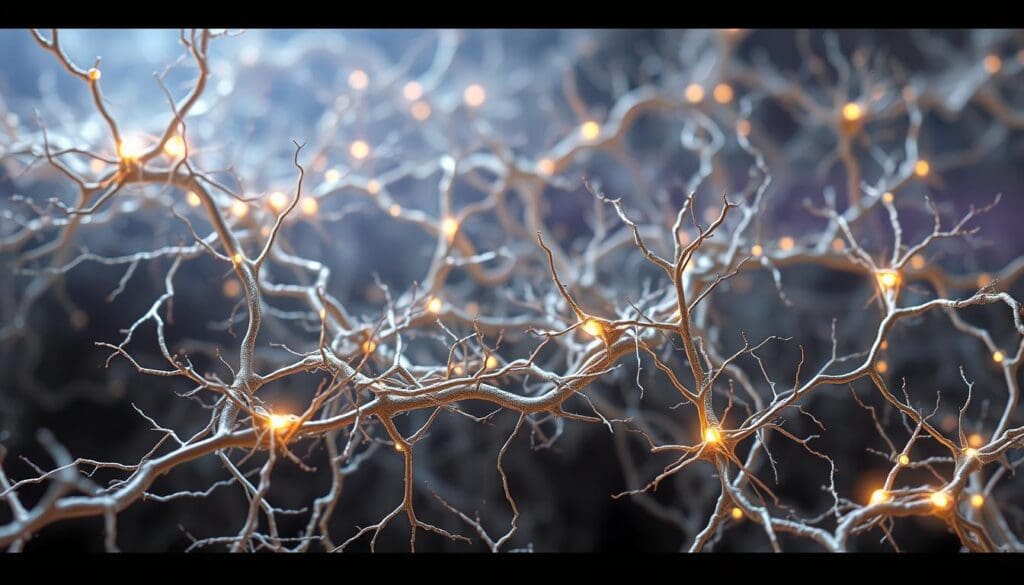
Stroma also aids in the growth and upkeep of neural networks. Stromal cells release factors that help neurons grow. This keeps neural networks strong.
The matrix also helps guide neurons during growth and repair. This is important for the development and fixing of neural connections.
Nutrient and Waste Exchange Facilitation
Stroma is key in exchanging nutrients and waste between blood vessels and tissues. The matrix’s porous nature lets nutrients and waste pass through. This ensures cells get what they need and waste is removed.
This process is vital for keeping tissues healthy and balanced. It supports overall tissue health.
Immune Regulation and Inflammatory Processes in Stromal Tissue
Stromal tissue is key in controlling immune responses and inflammation in our bodies. It shows that stromal cells are not just structural parts but also play an active role in immune regulation.
Stromal Cells in Immune Response Modulation
Stromal cells, like fibroblasts, are vital in shaping immune responses. They do this by releasing cytokines and chemokines. These substances help in bringing and activating immune cells. Stromal cells can either boost or calm down immune reactions, based on the situation and signals.
Inflammation Regulation Mechanisms
Stromal tissue is also important in controlling inflammation. It produces anti-inflammatory cytokines and other factors to help stop inflammation. It also controls the actions of immune cells like macrophages and T lymphocytes to avoid too much inflammation. This is key to keeping tissues healthy and preventing damage from long-term inflammation.
Stromal-Immune Cell Interactions
The relationship between stromal cells and immune cells is complex and goes both ways. Stromal cells can change how immune cells work through direct contact and by releasing substances. On the other hand, immune cells can change how stromal cells function. This back-and-forth is essential for a well-working immune system and keeping tissues in good shape.
In summary, stromal tissue is vital for managing immune responses and inflammation. By understanding how stromal cells work with immune cells, we can learn more about immune-related diseases. This knowledge can help us find new ways to treat these conditions.
Regenerative Capabilities of Stromal Tissue
Stromal tissue plays a key role in our body’s ability to heal. It helps damaged tissues recover. This section will explore how stromal tissue aids in regeneration, focusing on wound healing and the role of fibroblasts.
Wound Healing and Tissue Repair Processes
Wound healing involves many cell types and growth factors. Stromal tissue acts as a scaffold for cell migration and tissue regeneration. The healing process has three phases: inflammation, proliferation, and remodeling.
In the proliferative phase, fibroblasts in the stromal tissue multiply and create new extracellular matrix. This is vital for closing wounds and increasing tissue strength.
Fibroblast Activity in Regeneration
Fibroblasts are essential for tissue repair. They produce the extracellular matrix and growth factors needed for healing. After an injury, these cells move to the wound site and start producing new collagen and matrix components.
Their activity is controlled by various signals. This ensures the healing process is both efficient and effective.
Stromal Remodeling Following Injury
After an injury, the stromal tissue remodels to restore tissue architecture and function. This involves breaking down damaged tissue and adding new extracellular matrix. Stromal remodeling is key for restoring tissue strength and elasticity, as well as for normal tissue function.
Any issues with this process can lead to problems like fibrosis or impaired wound healing.
Pathological Alterations in Connective Tissue Stroma
Understanding changes in connective tissue stroma is key to understanding diseases and finding treatments. The stroma is a vital part of connective tissue. It helps keep organs structured and working right. But, it can change a lot when diseases strike.
Stromal Changes in Chronic Inflammation
Chronic inflammation can change the stroma a lot. It makes the stroma’s makeup and function different. This happens because of immune cells always being active. They release substances that change the stroma.
This can cause the stroma to get thicker and stiffer. This is called fibrosis.
The Tumor Microenvironment and Stromal Influence
The tumor microenvironment is a complex place. Stromal cells are key in how tumors grow and spread. This environment has many cell types, like cancer cells and immune cells.
Stromal cells help cancer cells grow by making substances that help them live longer.
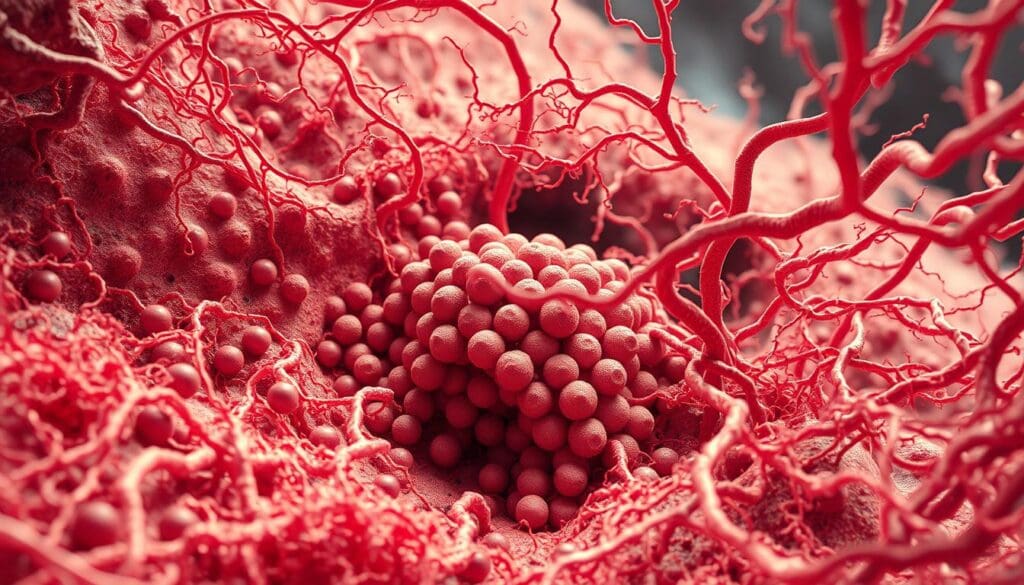
Fibrotic Disorders and Stromal Dysfunction
Fibrotic disorders happen when there’s too much of the stroma. This makes tissues stiff and organs not work right. Diseases like idiopathic pulmonary fibrosis and liver cirrhosis are examples.
This can damage the tissue and lead to organ failure.
| Pathological Condition | Stromal Changes | Clinical Impact |
|---|---|---|
| Chronic Inflammation | Deposition of extracellular matrix, fibrosis | Tissue stiffening, organ dysfunction |
| Tumor Microenvironment | Interaction with cancer cells, secretion of growth factors | Tumor progression, metastasis |
| Fibrotic Disorders | Excessive extracellular matrix deposition | Organ failure, tissue destruction |
In conclusion, changes in the stroma are important in many diseases. Knowing about these changes helps us find better treatments. For more on this, check out research on stromal tissue and disease at this link.
Conclusion: The Indispensable Role of Stromal Tissue in Human Physiology
Stromal tissue is key to keeping organs working right. It helps control the immune system and keeps tissues strong. It also helps move nutrients and waste around.
Stromal tissue is very important for our health. It helps our bodies fight off infections and supports blood and nerve systems. Knowing more about it can help us find new ways to treat diseases.
Understanding stromal tissue helps us see how it affects our health. As scientists learn more, we’ll find out even more about its role. This could lead to new treatments and ways to keep us healthy.
What is the connective tissue stroma?
The connective tissue stroma is a type of tissue. It supports and structures various organs and tissues in the body. It’s key to keeping them working right.
Where is stromal tissue found in the human body?
You can find stromal tissue in many places. This includes bone marrow, lymphatic networks, ovarian tissue, and the cornea. It shows how important it is everywhere.
What is the difference between stroma and parenchyma?
Stroma and parenchyma are two types of tissue. Stroma is the supportive framework. Parenchyma has the cells that do the organ’s work.
What are the main components of connective tissue stroma?
Connective tissue stroma has stromal cells like fibroblasts. It also has an extracellular matrix. This matrix is made of collagen, elastic fibers, and more. It gives structural support.
How does stromal tissue contribute to immune regulation?
Stromal tissue helps regulate the immune system. It controls immune responses and inflammation. It also helps cells talk to each other, keeping the immune system balanced.
What is the role of stroma in tissue repair and regeneration?
Stromal tissue is vital for fixing and growing tissues. It acts as a scaffold for cells to move and rebuild. Fibroblasts are key in this process, and stromal remodeling happens after injuries.
How does pathological alteration in connective tissue stroma affect the body?
Changes in connective tissue stroma can harm organs and health. This includes issues with chronic inflammation, tumors, and fibrosis. It’s why we need to understand these changes.
What is the significance of understanding stromal tissue?
Knowing about stromal tissue is key for medical progress. It helps keep organs working, the immune system balanced, and overall health good. Its problems are linked to many diseases.
What is the role of stroma in vascular and neural support?
Stromal tissue supports blood vessels and neural networks. It helps with nutrient and waste exchange. This is why it’s important for tissue health and organ function.
What is estroma or stromă?
Estroma or stromă is the connective tissue stroma. It’s a supportive tissue around organ cells. It gives structural and mechanical support.
What are the functions of the extracellular matrix in stroma?
The extracellular matrix in stroma gives structural support. It helps cells move and regulates processes like immune responses and repair. It’s key for tissue balance.
Reference Links
- https://www.ncbi.nlm.nih.gov/books/NBK459455/
- https://www.frontiersin.org/articles/10.3389/fimmu.2019.00770/full
- https://www.ncbi.nlm.nih.gov/pmc/articles/PMC5790939/



 Departments
 Related Videos
 Our Doctors
 News
News