

For those fighting oral cancer, eating well is key. They often struggle with weight loss, mouth sores, and a lack of appetite. A good oral cancer diet can help ease these issues and aid in recovery. Stay strong. Learn what kills tongue cancer patients and discover the best diet for oral cancer patients to ensure a successful recovery.
A high-calorie, high-protein diet is often suggested for oral cancer patients. It helps keep them strong and meets their body’s needs during treatment. Eating foods rich in nutrients and having small meals often can help manage side effects.
Key Takeaways
- A well-planned diet is vital for oral cancer patients undergoing treatment.
- A high-calorie, high-protein diet can help alleviate treatment side effects.
- Nutrient-rich foods and frequent small meals are recommended.
- Maintaining a healthy weight and strength is vital during treatment.
- Patients should avoid certain foods that can worsen treatment side effects.
Understanding Nutritional Challenges in Oral Cancer

Oral cancer treatment comes with many nutritional challenges. These challenges can greatly affect how well the treatment works and the patient’s quality of life.
Common Side Effects Affecting Nutrition
Oral cancer treatment can cause several side effects that make it hard to eat. Common issues include:
- Mucositis: Inflammation of the mucous membranes, making eating painful.
- Dry Mouth: Reduced saliva production, complicating the chewing and swallowing process.
- Changes in Taste: Altered taste perception, affecting food preferences.
These side effects can lead to malnutrition if not managed well. It’s important for patients to work closely with their healthcare team to reduce these effects.
Why Proper Nutrition Matters During Treatment
Proper nutrition is key during oral cancer treatment for several reasons:
- Maintaining Weight and Muscle Mass: Adequate nutrition helps patients maintain their weight and muscle mass, supporting overall health.
- Supporting Immune Function: A well-nourished body is better equipped to fight infections and recover from treatment.
- Promoting Healing: Nutrients play a critical role in the healing process, supporting the repair of tissues damaged during treatment.
The ST diet, a specialized nutritional approach, can be very helpful for oral cancer patients. It provides the necessary nutrients to support treatment and recovery.
Nutritional Goals for Oral Cancer Recovery
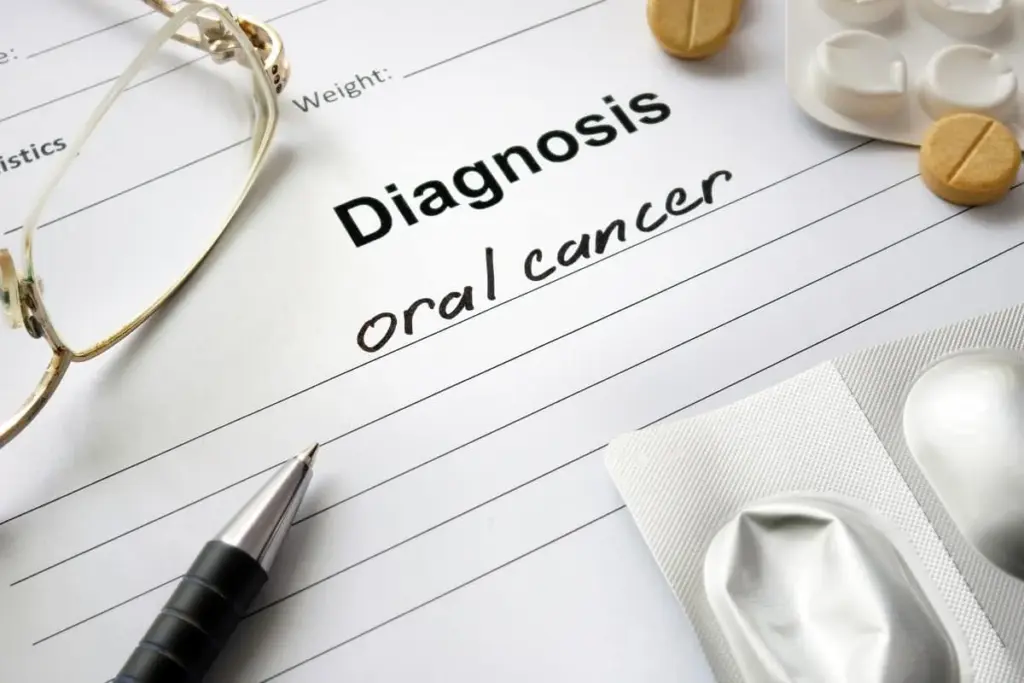
Recovering from oral cancer requires the right nutrition. It’s important to keep your weight and muscle mass up. This helps your immune system and aids in healing.
Maintaining Weight and Muscle Mass
Keeping your weight and muscle mass is key for oral cancer patients. A high-protein diet is recommended. Foods like lean meats, fish, eggs, and dairy are great for muscle repair.
We suggest eating protein-rich foods at every meal. If needed, consider supplements. Drinking lots of fluids is also important.
Supporting Immune Function and Healing
Boosting your immune system is vital during recovery. Eating foods rich in antioxidants, vitamins, and minerals helps. Fruits, vegetables, and nuts are good choices.
We advise eating a variety of colorful fruits and vegetables. This ensures you get many nutrients. Staying hydrated and managing stress also help your immune system.
By following these nutritional goals, oral cancer patients can improve their recovery. A well-planned diet, along with medical care, greatly impacts recovery outcomes.
High-Calorie, High-Protein Diet Fundamentals
For oral cancer patients, a diet rich in calories and protein is key. It helps keep strength up and aids in recovery. This diet meets nutritional needs during treatment, boosting health and possibly improving treatment results.
Protein Requirements and Best Sources
Oral cancer patients need more protein for their treatment and to repair tissues. 1.2 to 1.5 grams of protein per kilogram of body weight daily is advised. Good protein sources include lean meats, fish, eggs, dairy, and plant-based foods like beans, lentils, and tofu.
Healthy Calorie-Dense Foods
A diet high in calories is also vital for keeping weight and energy up. Foods like avocados, nuts, and full-fat dairy products are great. They help meet calorie needs without needing to eat a lot.
|
Food Category |
Examples |
Calories per Serving |
Protein per Serving |
|---|---|---|---|
|
Lean Meats |
Chicken Breast |
165 |
31g |
|
Fish |
Salmon |
210 |
22g |
|
Dairy |
Greek Yogurt |
100 |
10g |
|
Nuts/Seeds |
Almonds |
161 |
6g |
|
Legumes |
Lentils |
230 |
18g |
Meal Planning Strategies for Oral Cancer Patients
Oral cancer patients can greatly benefit from meal plans tailored to their needs. These plans help them get the nutrients they need and manage side effects of treatment.
Oral cancer and its treatment can make eating hard. It’s important to plan meals that meet their specific needs.
Frequent Small Meals Approach
One key strategy is eating small meals often. Instead of big meals, eat smaller ones throughout the day. This helps with nausea and fatigue, common during treatment.
Benefits of Frequent Small Meals:
- Eases digestion and reduces discomfort
- Helps maintain energy levels throughout the day
- Ensures consistent nutrient intake despite reduced appetite
Texture Modifications for Easier Consumption
Changing food textures is also important for oral cancer patients. It helps with mouth sores, dry mouth, and swallowing issues. Making food easier to eat can reduce pain and make meals more manageable.
|
Texture Modification |
Description |
Examples |
|---|---|---|
|
Soft Foods |
Foods that are easy to chew and swallow |
Mashed potatoes, yogurt, scrambled eggs |
|
Liquid or Pureed Foods |
Foods blended to a smooth consistency |
Soups, smoothies, pureed fruits and vegetables |
Using these meal planning strategies, oral cancer patients can manage their nutrition better. It helps them face the challenges of eating during treatment. It’s about making choices that support their health and recovery.
What Kills Tongue Cancer Patients: Nutritional Deficiencies to Avoid
Nutritional deficiencies are key in the health and recovery of tongue cancer patients. Good cancer treatment isn’t just about medicine. It also means making sure patients get the right nutrients to help them get better.
Critical Nutrients for Cancer Recovery
When fighting cancer, patients need good food to keep their immune system strong. They also need to stay at a healthy weight and heal well. Protein is very important because it helps fix tissues and keep muscles strong.
- Protein-rich foods: Eat lean meats, fish, eggs, dairy, and legumes.
- Vitamins and minerals: Make sure you get enough vitamins A, C, D, E, and minerals like zinc and iron.
Talking to a healthcare provider or nutritionist is a good idea. They can help make a diet plan just for you.
Signs of Malnutrition During Treatment
It’s important to know the signs of malnutrition early. Common signs include:
|
Signs |
Symptoms |
Actions |
|---|---|---|
|
Weight Loss |
Unintended weight loss, loss of appetite |
Increase calorie intake with nutrient-dense foods |
|
Fatigue |
Feeling weak, tired |
Ensure adequate rest, consume protein-rich foods |
|
Poor Wound Healing |
Wounds heal slowly |
Increase intake of vitamins C and E, zinc |
Tongue cancer patients need to watch for these signs. They should work with their healthcare team to manage nutritional issues and support their recovery.
Evidence-Based Nutritional Supplements for Oral Cancer
Nutritional supplements are a promising support for oral cancer patients. They help during treatment and recovery. It’s important to know how these supplements can improve patient outcomes.
Oral Nutritional Supplements (ONS) Benefits
Oral Nutritional Supplements (ONS) provide essential nutrients. They are great for oral cancer patients who struggle to eat and digest food.
Key Benefits of ONS:
- High protein content to support muscle mass
- Enriched with vitamins and minerals for overall health
- Easy to consume, even for patients with oral or digestive issues
Research shows ONS with high protein can help cancer patients. They can reduce complications and shorten hospital stays. Studies found a 10% reduction in complications and a 0.26 day reduction in hospital stays.
“Nutritional support is a critical component of cancer care, and ONS can play a vital role in ensuring patients receive the necessary nutrients for recovery.”
Omega-3 Enriched Supplements and Their Impact
Omega-3 fatty acids have anti-inflammatory properties. They support health during cancer treatment. Omega-3 supplements are great for oral cancer patients.
|
Benefit |
Description |
|---|---|
|
Anti-inflammatory Effects |
Reduces inflammation, potentially easing treatment side effects |
|
Improved Recovery |
Supports the body’s healing process during and after treatment |
|
Enhanced Nutritional Profile |
Complements the diet with essential fatty acids |
Adding omega-3 supplements to their diet can help oral cancer patients. They may see better outcomes and a higher quality of life during treatment.
The ST Diet: Specialized Nutrition for Oral Cancer
The ST diet is made for oral cancer patients. It gives the right calories, proteins, and nutrients. This helps them during treatment and recovery.
Core Principles of the ST Diet Approach
The ST diet has key principles for oral cancer patients. These include:
- High-Calorie Intake: To keep weight and energy up.
- High-Protein Consumption: Helps with muscle recovery.
- Nutrient-Dense Foods: Focuses on foods full of vitamins and antioxidants.
- Frequent Meals: Encourages eating small meals often to handle side effects.
Following these principles helps patients meet their nutritional needs during treatment.
Implementing ST Diet Guidelines During Treatment
Using the ST diet guidelines needs careful planning. It’s important to think about the patient’s needs and side effects. Here are some strategies:
- Meal Planning: Make a meal plan with high-calorie, high-protein foods and nutrient-rich options.
- Texture Modification: Change food textures to make eating easier for those with mouth sores or swallowing issues.
- Supplementation: Use oral nutritional supplements (ONS) to cover any nutritional gaps.
These strategies help oral cancer patients get the most from the ST diet. They support their health and recovery.
Fruits and Vegetables: Optimal Choices and Preparation
Oral cancer patients can greatly benefit from eating a wide variety of fruits and vegetables. These foods are packed with vitamins, minerals, and antioxidants. They help keep the body healthy and support recovery.
Nutrient-Dense Produce Selection
It’s important to pick nutrient-dense options when choosing fruits and vegetables. Look for a variety of colorful produce like:
- Leafy greens like spinach and kale
- Berries, including blueberries and strawberries
- Citrus fruits like oranges and grapefruits
- Cruciferous vegetables such as broccoli and cauliflower
A study in the Journal of Nutrition found that eating colorful fruits and vegetables is very beneficial for cancer patients.
“Eating a rainbow” of fruits and vegetables ensures a broad intake of vital nutrients.
Preparation Methods for Easier Consumption
For oral cancer patients, how you prepare fruits and vegetables is just as key as what you choose. Here are some tips to make them easier to eat:
- Blending fruits and vegetables into smoothies or soups
- Steaming or cooking vegetables to soften them
- Pureeing fruits and vegetables to remove texture issues
Using these preparation methods helps patients get the nutrients they need. It also makes mealtime easier, improving nutrition and overall well-being during cancer treatment.
Protein Sources: Animal and Plant-Based Options
Oral cancer patients need a variety of protein sources to help with treatment and recovery. Protein is key for keeping muscles strong, boosting the immune system, and healing. We’ll look at different protein sources, like lean meats, dairy, and plant-based options, to guide patients in their diet choices.
Lean Meats and Dairy Products
Lean meats and dairy are top protein sources. Lean meats like chicken, turkey, and fish are full of amino acids but low in fat. Dairy, including milk, yogurt, and cheese, is rich in protein and also gives you calcium and other nutrients.
- Choose lean cuts of meat and poultry.
- Incorporate fish into your diet at least twice a week.
- Opt for low-fat or fat-free dairy products.
Plant-Based Protein Alternatives
For those who prefer or need plant-based options, there are many plant-based protein sources. Legumes like beans, lentils, and peas are high in protein and fiber. Nuts and seeds, such as almonds and chia seeds, also have a lot of protein. Soy products like tofu and tempeh are nutritious and versatile.
- Experiment with different types of beans and lentils in soups and stews.
- Use nuts and seeds as snacks or add them to meals for extra protein.
- Incorporate tofu and tempeh into stir-fries and other dishes.
By eating a variety of these protein sources, oral cancer patients can meet their nutritional needs during treatment. It’s important to talk to a healthcare provider or nutritionist to create a diet plan that’s right for you.
Foods and Beverages to Avoid During Treatment
Knowing which foods to avoid during oral cancer treatment is key. Some foods and drinks can make side effects worse. It’s important for patients to choose their diet wisely.
Throat Cancer Foods Not to Eat
Patients with throat cancer should avoid foods hard to swallow. These foods can irritate the throat. Here are some examples:
- Spicy foods: Can irritate the throat and make it uncomfortable.
- Sharp or crunchy foods: Foods like crackers or chips can cause irritation.
- Hot beverages: Very hot drinks can make the throat uncomfortable.
Foods to Avoid with Squamous Cell Carcinoma
Patients with squamous cell carcinoma should watch their diet. Some foods can make treatment harder. Here are foods to limit or avoid:
- Processed meats: High in preservatives that can be harmful.
- High-sugar foods: Can lead to weight gain and metabolic problems.
- Foods high in saturated fats: Can affect health and treatment success.
It’s good to know how different foods affect oral cancer patients. The table below shows some foods and their effects.
|
Food Category |
Potential Impact |
Recommendation |
|---|---|---|
|
Spicy Foods |
Can irritate the throat |
Avoid or limit |
|
Processed Meats |
High in harmful preservatives |
Limit consumption |
|
High-Sugar Foods |
Can lead to weight gain and metabolic issues |
Consume in moderation |
By paying attention to these dietary tips, patients can manage side effects better. This can improve their quality of life during treatment.
Managing Treatment Side Effects Through Diet
A well-planned diet can help oral cancer patients manage treatment side effects more effectively. Oral cancer treatment can cause various side effects. These can affect a patient’s nutrition and quality of life. Making dietary changes is key to easing these side effects.
Dietary Solutions for Mucositis and Mouth Sores
Mucositis and mouth sores are common side effects of oral cancer treatment. A diet of soft, bland foods can help. Avoiding spicy, acidic, or sharp foods can also reduce discomfort.
- Soft foods like yogurt, scrambled eggs, and mashed potatoes are recommended.
- Avoiding irritants such as citrus fruits, tomatoes, and spicy dishes can help alleviate symptoms.
- Using a straw to drink liquids can help minimize contact with sensitive areas.
Addressing Dry Mouth and Taste Changes
Dry mouth and taste changes are common side effects. Drinking plenty of water and using saliva substitutes can help with dry mouth. For taste changes, trying different flavors and seasonings can make food more enjoyable.
- Drinking plenty of water throughout the day can help keep the mouth moist.
- Using saliva substitutes or mouthwashes designed for dry mouth can provide relief.
- Experimenting with flavors and seasonings can help improve the taste of food.
By making these dietary adjustments, oral cancer patients can better manage treatment side effects. This can improve their overall quality of life during treatment.
Food Fortification Techniques and Liquid Nutrition
It’s key to get enough nutrients for oral cancer patients. Food fortification and liquid nutrition help a lot. Oral cancer treatment can make eating and digesting food hard. This can lead to malnutrition and other problems.
Nutrient-Dense Smoothie and Shake Recipes
Nutrient-dense smoothies and shakes are great for more calories and protein. They can be made to taste good and fit your diet. Try adding Greek yogurt, nuts, seeds, and fruit for a healthy drink.
Here are some tasty smoothie recipes:
- Protein Power Smoothie: Greek yogurt, almond butter, banana, and spinach
- Fruit and Nut Delight: Mixed berries, almond milk, chia seeds, and walnuts
- Calorie-Boosting Shake: Whole milk, peanut butter, banana, and honey
Fortifying Everyday Foods for Maximum Nutrition
Adding nutrients to everyday foods is smart. You can do this by using calorie-rich ingredients. For instance, olive oil or avocado oil in soups and sauces boosts calories. Nuts or seeds on salads and veggies add nutrition and crunch.
Here are easy ways to make foods more nutritious:
- Adding full-fat dairy products to cereals and soups
- Mixing nut butters into oatmeal or yogurt
- Incorporating healthy oils into cooking and salad dressings
Using these methods, oral cancer patients can get the nutrients they need. It’s important to talk to a healthcare provider or dietitian. They can help make a nutrition plan that’s right for you.
Conclusion
Creating a sustainable nutrition plan is key for oral cancer patients. It helps them recover during and after treatment. We stress the need to make this plan fit each person’s needs, promoting health and well-being. At Liv Hospital, we offer top-notch healthcare and support for international patients. This includes nutrition plans backed by evidence. A good nutrition plan helps patients deal with treatment side effects and stay strong. Patients can make a nutrition plan that suits them by following our guidelines. A good plan includes lots of calories, protein, and nutrients from fruits and veggies. It’s also important to avoid nutritional gaps and manage side effects with food. We urge patients to team up with healthcare pros. Together, they can craft a nutrition plan that aids in recovery and boosts overall health.
FAQ
What is the best diet for oral cancer patients?
A high-calorie, high-protein diet is best. It helps keep weight and muscle up. It also boosts the immune system and aids in healing.
What are the common side effects of oral cancer treatment that affect nutrition?
Side effects include mucositis, dry mouth, and taste changes. These make eating hard and affect nutrition.
Why is proper nutrition important during oral cancer treatment?
Good nutrition keeps weight and muscle up. It also boosts the immune system and aids in healing. This reduces complications and improves treatment results.
What are the nutritional goals for oral cancer recovery?
The goals are to keep weight and muscle up. Also, support the immune system and aid in healing. A high-protein diet helps achieve these goals.
What foods should be avoided during oral cancer treatment?
Avoid spicy, acidic, or sharp foods like citrus fruits and tomatoes. Crunchy snacks also cause problems. Foods hard to swallow or uncomfortable should also be avoided.
What are the benefits of the ST diet for oral cancer patients?
The ST diet helps meet nutritional needs and supports recovery. It’s a specialized nutrition approach for oral cancer patients.
How can oral cancer patients manage treatment side effects through diet?
Dietary solutions like avoiding irritating foods help. Texture modifications and nutrient-dense foods also alleviate symptoms like mucositis and dry mouth.
What are some healthy calorie-dense foods that oral cancer patients can consume?
Healthy options include nuts, dried fruits, avocados, and full-fat dairy. These foods help meet nutritional needs.
Can nutritional supplements help oral cancer patients?
Yes, nutritional supplements like oral nutritional supplements (ONS) and omega-3 enriched supplements support recovery. They help meet nutritional needs.
What are some protein sources that oral cancer patients can include in their diet?
Protein sources include lean meats, dairy, and plant-based options like beans and tofu. These help maintain muscle and support the immune system.
How can oral cancer patients fortify their everyday foods for maximum nutrition?
Patients can add nutrient-dense ingredients like nuts and seeds. Liquid nutrition strategies, such as smoothies, also help.
What foods should be avoided with squamous cell carcinoma?
Avoid spicy, acidic, or sharp foods. They can worsen side effects and cause discomfort.
Nutrition During Treatment (Oral Cancer Foundation) — Highlights the importance of getting enough calories and nutrients to support repair of damaged tissues, reduce side effects, and prevent weight loss. Recommends plenty of fruits & vegetables, lean protein, whole grains, and avoiding excess sugar, salt, fat and alcohol. Also covers strategies when eating is hard (small meals, cold/soft foods, fluids).Oral Cancer Foundation
References
- Nutrition Screening & Management (NCI / U.S. Cancer.gov) — Discusses how cancer treatments can affect eating (mouth sores, nausea, taste changes) and why maintaining protein and calorie intake is essential. Suggests working with dietitians; strategies include meal planning, using soft or liquid foods, and adaptations for swallowing difficulties. Cancer.gov
- Integrative Oncology – Nutrition During Cancer Treatment (University of Arizona Cancer Center) — Emphasizes holistic care: choosing foods that help reduce treatment side effects, support immune system and maintain muscle; gives tips for managing appetite loss, mouth sores, preparing soft/bland foods, avoiding spicy or acidic items. Cancer Center
- Nutrition Plans & Food Safety for Cancer Patients (UCSF Health) — Offers guidance on managing side effects via diet: controlling nausea, avoiding foods that are too spicy, hot, or strong smelling; using small, frequent meals; safe food handling to avoid infection; choosing nutrient-dense foods when appetite is low. UCSF Health
- Diet & Nutrition During Cancer Treatment (Cancer Support Community) — Covers how to deal with changes in appetite, diarrhea, constipation, taste, smell, and fatigue; recommends tracking food intake, using high-protein snacks, liquids, soft foods, and gradually reintroducing variety as tolerated. cancersupportcommunity.org
National Center for Biotechnology Information. Evidence-Based Medical Insight. Retrieved from https://pubmed.ncbi.nlm.nih.gov/28063968/



 Departments
 Related Videos
 Our Doctors
 News
News