after stem cell injection
Nearly 1 in 5 people who get stem cell therapy might not see the best results. This is because they don’t take care of themselves right after treatment. It’s really important to know what to avoid after treatment to have a good recovery.
After stem cell treatment, your body is very sensitive. It’s in the middle of fixing and growing itself. Doing or not doing certain things can mess up this process. Knowing what to avoid is key to getting the most out of stem cell therapy.
Key Takeaways
- Understanding post-procedure care is key for good stem cell treatment results.
- Some actions can hurt your body’s healing after stem cell therapy.
- Staying away from common mistakes helps get the most from stem cell treatment.
- Following the doctor’s instructions after treatment is very important for a good recovery.
- Knowing what to do and what not to do can really improve your treatment results.
Understanding Stem Cell Treatment Basics
Stem cell treatment uses healthy stem cells to fix damaged cells in the body. It’s a promising way to treat many health issues.
How Stem Cell Therapy Works
Stem cell therapy introduces stem cells into the body. These cells can turn into different types to replace damaged ones. This helps restore function to tissues and organs.
Experts say, “Stem cells can regenerate and repair damaged tissues. This offers hope for patients with hard-to-treat conditions.”
The therapy can use stem cells from the patient (autologous) or a donor (allogeneic). The choice depends on the patient’s condition and the treatment goals.
Common Types of Stem Cell Treatments
There are several stem cell treatments, each with its own use and benefits. These include:
- Autologous Stem Cell Therapy: Uses the patient’s own stem cells, reducing rejection risk.
- Allogeneic Stem Cell Therapy: Uses donor stem cells, good for patients without their own.
- Mesenchymal Stem Cell Therapy: Uses mesenchymal stem cells, which can become many cell types.
A leading researcher notes, “
The versatility of stem cells allows for a wide range of therapeutic applications, from orthopedic repairs to treatments for complex diseases
.”
Knowing these basics is key for patients thinking about stem cell therapy. It helps them understand what to expect and make informed decisions.
The Critical Recovery Period After Stem Cell Injection
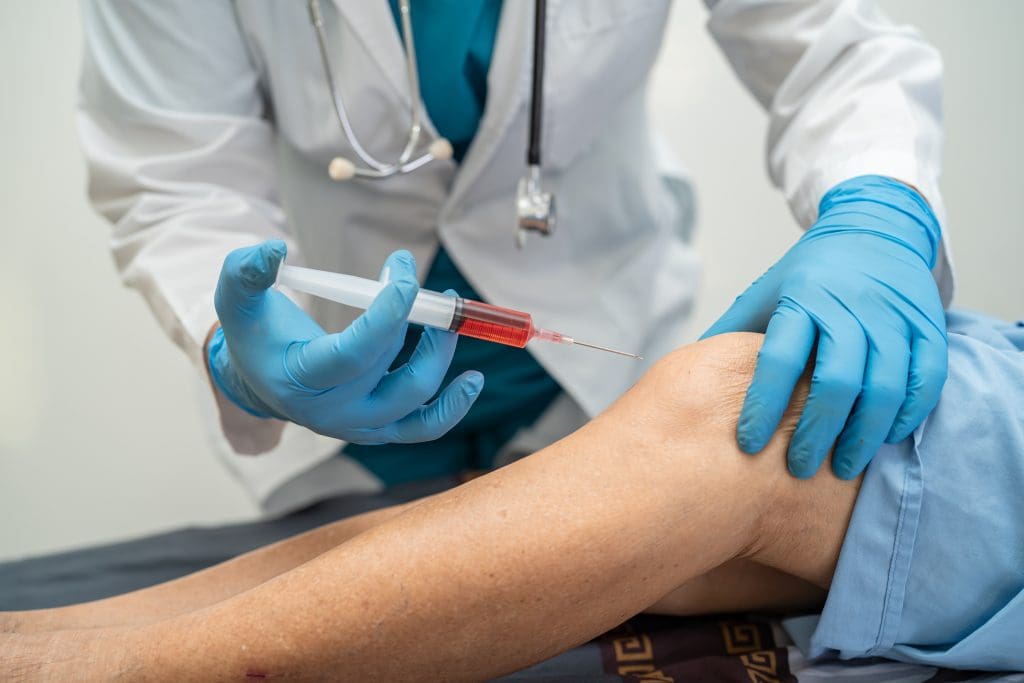
The recovery after stem cell treatment is very important. It needs careful management and patience. During this time, the body heals and regenerates damaged tissues. Taking certain precautions can greatly affect the outcome.
Why the First 48 Hours Matter
The first 48 hours after the injection are very important. Patients should rest and avoid hard activities. This helps prevent problems and helps healing.
Following specific guidelines from healthcare professionals is also key. These include medication, diet, and post-procedure care. Sticking to these can greatly improve the effectiveness of the stem cell therapy.
The First Two Weeks of Recovery
After the first 48 hours, the next two weeks are about slowly getting back to normal. Patients should gradually increase their physical activity. They should avoid heavy lifting, bending, or hard exercises that could harm the healing process.
It’s important to watch how the body reacts to the stem cell therapy during this time. Patients should notice any unusual symptoms or side effects. Reporting them to their healthcare provider quickly is important. This helps address any issues early on, supporting a smooth and successful stem cell recovery.
Understanding the recovery period’s importance and following guidelines can help patients get the most from their stem cell treatment. This careful approach is essential for the best results.
Physical Activities to Avoid After Treatment
After stem cell treatment, it’s key to know which physical activities to avoid. This helps ensure a smooth recovery. The post-treatment period is just as important as the treatment itself. It directly affects the success of the stem cell therapy.
Exercise Restrictions
Patients should avoid strenuous activities, heavy lifting, and bending after stem cell injections. The exact restrictions depend on the treatment area and the patient’s health. For example, those treated for joint or back pain might need to limit their activities to avoid straining the treated area.
Key activities to avoid include:
- High-impact exercises like running or jumping
- Heavy weightlifting or resistance training
- Bending or twisting motions that could strain the treated area
- Contact sports or activities that risk injury
Can You Exercise After Stem Cell Injections?
While avoiding strenuous activities is important, not moving at all is not recommended. Gentle exercises, as advised by a healthcare provider, can be beneficial. The goal is to gradually increase physical activity based on the doctor’s recommendations. This ensures the body heals properly and the stem cells integrate effectively.
Start with low-intensity activities and watch your body’s response. If you experience discomfort or pain, stop the activity and talk to your healthcare provider.
Daily Movement Limitations
Daily movements should be limited to prevent stress on the treated areas. Avoiding or minimizing activities like lifting groceries or doing vigorous household chores is advised. Patients should follow a balanced routine that includes rest and gentle movement. This promotes healing without overexertion.
By following these guidelines, patients can optimize their recovery and improve the outcomes of their stem cell treatment.
Dietary Restrictions Following Stem Cell Therapy
Changing your diet is key after stem cell therapy. It helps your body heal better. Eating right can make your treatment more effective.
Foods That May Interfere With Healing
Some foods can slow down healing by causing inflammation. It’s best to limit or avoid:
- Processed foods high in sugar and unhealthy fats
- Foods with artificial additives and preservatives
- High-sodium foods that can lead to inflammation
Staying away from these foods helps your body heal better. Instead, eat foods rich in:
- Nutrients-dense fruits and vegetables
- Lean proteins that support tissue repair
- Whole grains that provide sustained energy
| Food Category | Recommended Foods | Foods to Avoid |
| Fruits & Vegetables | Berries, leafy greens, citrus fruits | Fruits high in sugar, starchy vegetables |
| Proteins | Lean meats, fish, eggs, legumes | Processed meats, high-fat dairy |
| Grains | Whole grains, oats, quinoa | Refined grains, sugary cereals |
Can You Drink Alcohol After Stem Cell Treatment?
Drinking alcohol after stem cell therapy is not recommended. It can slow down healing. Alcohol may:
- Impair the body’s natural healing mechanisms
- Interact with medications prescribed post-treatment
- Dehydrate the body, potentially affecting the treated area
Doctors usually advise avoiding alcohol until you’ve fully recovered. This is usually after the initial healing phase.
Fasting for Cell Repair and Regeneration
Fasting might help with cell repair and regeneration. Some research shows fasting can:
- Stimulate cellular renewal processes
- Enhance the body’s natural autophagy mechanisms
- Support the immune system’s function
But fasting should be done carefully. It’s best to do it under a doctor’s guidance, after stem cell therapy. This ensures it helps your treatment and health.
Medication and Supplement Precautions
Some medications and supplements can affect how well stem cell treatment works. After getting stem cell therapy, it’s important to be careful about what you eat. This helps you recover better.
Anti-inflammatory Medications to Avoid
Some anti-inflammatory drugs can slow down healing after stem cell treatment. Nonsteroidal anti-inflammatory drugs (NSAIDs) like ibuprofen and naproxen should be avoided. They can block the natural healing process.
It’s important to talk to your doctor before stopping any medication. NSAIDs might not only reduce pain but also slow down tissue repair. Corticosteroids are another type of anti-inflammatory drug that might not be good for healing.
Supplements That May Help or Hinder Recovery
Supplements can help with recovery, but you need to choose them carefully. Some supplements can enhance the healing process, while others might harm it. For example, omega-3 fatty acids are good because they fight inflammation. But, some herbal supplements could be harmful.
- Good supplements include those with antioxidants, vitamins, and minerals that boost health.
- Be careful with supplements that change your body’s chemistry, like high vitamin E or herbal remedies that thin blood or interact with other drugs.
Talking to your healthcare provider about your supplements is key. They can help figure out the best ones for you.
Managing Pain and Discomfort After Stem Cell Injection
After getting stem cell treatment, many wonder how to handle the pain that comes with it. Stem cell therapy is promising but can cause different levels of pain during recovery. Knowing how to manage this pain is key to a good recovery.
Understanding Worse Pain After Stem Cell Injection
Some people might feel more pain after getting stem cells. This can be scary, but it’s not rare. It often happens because of how the body reacts to the stem cells and the injection itself. Usually, this pain goes away as the body heals.
Managing expectations is important. Patients should know that some pain is normal and there are ways to deal with it.
Is Stem Cell Treatment Painful During Recovery?
The pain level after stem cell treatment varies a lot. It depends on where the treatment was, how sensitive you are to pain, and the injection method. Some might feel little pain, while others might find it harder to recover.
Following the post-treatment guidelines from doctors is key. It helps reduce discomfort and ensures the best results.
Approved Pain Management Techniques
Managing pain well is important for recovery. Options include pain meds, physical therapy, and things like acupuncture or massage. The right choice depends on your health, the treatment, and what your doctor suggests.
- Approved pain medications can help manage discomfort.
- Physical therapy can aid in recovery and reduce pain.
- Alternative therapies may offer additional relief.
By knowing about pain after stem cell injection and using approved ways to manage it, patients can improve their recovery. This helps get the best results from their treatment.
Potential Side Effects of Stem Cell Therapy
It’s important for patients to know about the side effects of stem cell therapy. This treatment can help with many medical conditions. But, it’s key to understand the possible bad effects it can have.
Common Side Effects and Their Duration
Most people who get stem cell therapy have mild to moderate side effects. These usually go away in a few days to weeks. Common issues include pain, swelling, or redness at the injection site, fatigue, or headaches.
In some cases, people might have allergic reactions to the treatment materials.
Side Effects of Stem Cell Therapy for Arthritis
Those getting stem cell therapy for arthritis might face specific side effects. They could see increased joint pain or swelling in the treated joint. This usually goes away in a few days.
It’s also possible for a temporary flare-up of arthritis symptoms.
IV Stem Cell Therapy Side Effects
IV stem cell therapy has its own side effects. Patients might feel fever, chills, or flu-like symptoms after treatment. Rarely, serious side effects like infections or allergic reactions to the IV stem cells can happen.
When Side Effects Require Medical Attention
While most side effects are mild and short-lived, some need medical help. Seek immediate care if you have severe pain, significant swelling, or signs of infection like redness, warmth, or pus at the injection site.
Also, report any unusual or severe side effects to your healthcare provider.
What Not to Do After Stem Cell Treatment: A Complete Guide
To get the best results from stem cell therapy, patients need to stay away from certain things. This guide will help you understand what to do after treatment.
Avoiding Heat and Cold Therapy
After getting stem cell treatment, it’s important to stay away from extreme temperatures. Avoid using saunas, hot tubs, or taking very hot showers for a few days. Also, stay away from cold temperatures that could make you feel too cold or uncomfortable.
Preventing Infection at Injection Sites
It’s key to prevent infections after stem cell injections. Keep the injection site clean and dry, and follow any wound care advice from your doctor. Watch for signs of infection, like redness, swelling, or more pain than usual.
Travel Restrictions After Treatment
Think carefully about your travel plans after stem cell treatment. Avoid long trips for a few days to rest well and handle any immediate issues. If you must travel, pick places with good medical care nearby.
Environmental Factors to Avoid
Some environmental factors can affect your recovery. Stay away from pollutants and toxins, and don’t do too much strenuous outdoor activities. This helps avoid too much sun, dust, or other harmful things.
How Long Does It Take for Stem Cells to Work?
Many patients ask how long it takes for stem cells to work after treatment. The answer varies based on several factors. These include the type of treatment, the condition being treated, and the patient’s health.
Realistic Timeline for Improvement
Improvements from stem cell therapy can take anywhere from a few weeks to several months. Most patients see improvements in 6 to 8 weeks after treatment. But, it can take up to 6 months to see the full effects.
Factors Affecting Treatment Efficacy
Several factors can affect how well stem cell treatment works. These include:
- The severity of the condition being treated
- The overall health of the patient
- The type and quality of the stem cells used
- The method of stem cell administration
Knowing these factors is key to managing expectations and getting the best results from treatment.
How Long After Stem Cell Injections to Work?
The time it takes for stem cell injections to work varies by condition. For some, improvements are seen in a few weeks. For others, it may take longer.
| Condition | Typical Timeframe for Improvement |
| Orthopedic conditions (e.g., osteoarthritis) | 6-12 weeks |
| Autoimmune diseases | Several months |
| Chronic pain | 4-8 weeks |
This table gives a general idea, but results can vary for each person.
Stem Cell Treatment Before and After: What to Expect
Knowing what happens before and after stem cell treatment is key. This therapy is a new way to heal, helping those with many health issues.
Typical Patient Experiences
People getting stem cell treatment have different experiences. Before, they get checked to see if they can have the treatment. This step is important for making sure the treatment works well and is safe.
After the treatment, how well it works varies. It depends on the health issue and the person’s health. Some see improvements quickly, while others take longer.
Stem Cell IV Before and After Results
IV stem cell therapy means getting stem cells through a vein. Many patients see big improvements after this treatment. The results can differ, but often, people recover faster and feel less pain.
Research shows IV stem cell therapy can help with some health problems. Doctors look at how well the treatment works by checking patients and listening to what they say.
Measuring Treatment Success
Doctors check how well stem cell treatment works in different ways. They use special tools to see if it’s helping and what can be improved.
They look at:
- How symptoms and quality of life change
- Any improvements in how well someone can move
- Less pain and discomfort
- How happy patients are with the results
This helps doctors understand how well the treatment is working. They can then decide the best care for the future.
Special Considerations for Different Treatment Areas
Different parts of the body react differently to stem cell therapy. This means we need to tailor aftercare and precautions for each area. Stem cell treatment is used for many medical conditions and body parts.
Stem Cell Therapy for Back Pain Recovery Time
Stem cell therapy is a new hope for back pain. It might help you recover faster than old treatments. How long it takes to recover depends on how bad the pain is, your health, and the therapy type.
Most people see improvements in a few weeks. But, it can take months to fully recover. It’s key to stick to a personalized rehabilitation plan to get the most from stem cell therapy for back pain.
Joint and Extremity Treatment Aftercare
Aftercare for joint and extremity treatments includes rest, exercises, and sometimes physical therapy. It’s important to avoid heavy lifting or bending. Also, slowly getting back to normal activities is best to avoid problems.
- Watch the injection site for infection or reaction signs.
- Stick to a rehabilitation plan made for your area.
- Don’t do strenuous activities for the suggested time.
How Long Does Stem Cell Injections Last?
How long stem cell injections last varies a lot. It depends on the condition, your health, and the therapy method.
Studies show the effects can last from months to years. More research is needed to understand how to make the treatment last longer.
Conclusion: Maximizing Your Stem Cell Treatment Success
To get the most out of stem cell treatment, it’s important to follow the recovery steps closely. Knowing how stem cell treatment works and the recovery period is key. This helps patients get the best results.
After treatment, it’s important to avoid certain activities and follow a specific diet. Being careful with medications and supplements is also vital. Managing pain and knowing about possible side effects is important too.
By following these steps and being aware of what affects treatment success, patients can improve their chances of a good outcome. The main thing is to take a complete approach to recovery and care after treatment.
FAQ
How long does it take for stem cells to work?
Stem cell therapy can start showing results in a few weeks to months. It varies for each person.
Is stem cell treatment painful?
The treatment itself might not hurt. But, some people might feel pain or discomfort later.
What are the side effects of stem cell therapy for arthritis?
Side effects include pain, swelling, and redness at the injection site. You might also see a temporary increase in arthritis symptoms.
Can you exercise after stem cell injections?
It’s best to avoid hard exercise after getting injections. But, gentle stretching and yoga might be okay. Always listen to your doctor’s advice.
How long does stem cell injections last?
How long the effects last can differ. Some people feel relief for months or years. Others might need more treatments.
Can you drink alcohol after stem cell treatment?
It’s wise to drink less or not at all after treatment. Too much alcohol can slow down healing.
What not to do after stem cell treatment?
Avoid hard exercise, heavy lifting, and bending. Also, stay away from too much heat or cold, and some medicines that could harm healing.
How long after stem cell injections to work?
Most people see improvements in a few weeks to months after treatment.
Are there any dietary restrictions following stem cell therapy?
There are no strict diet rules. But, eating healthy and balanced foods can help with healing.
What are the common side effects of stem cell therapy?
Side effects include pain, swelling, and redness at the site. You might also see a temporary increase in symptoms.
Is fasting beneficial for cell repair and regeneration?
Some studies suggest fasting can help with cell repair. But, talk to a doctor before trying it.
How long does it take for stem cells to work for back pain?
For back pain, most people see improvements in a few weeks to months after treatment.
What are the side effects of IV stem cell therapy?
Side effects include fatigue, headache, and nausea. There’s also a risk of allergic reactions to the treatment.