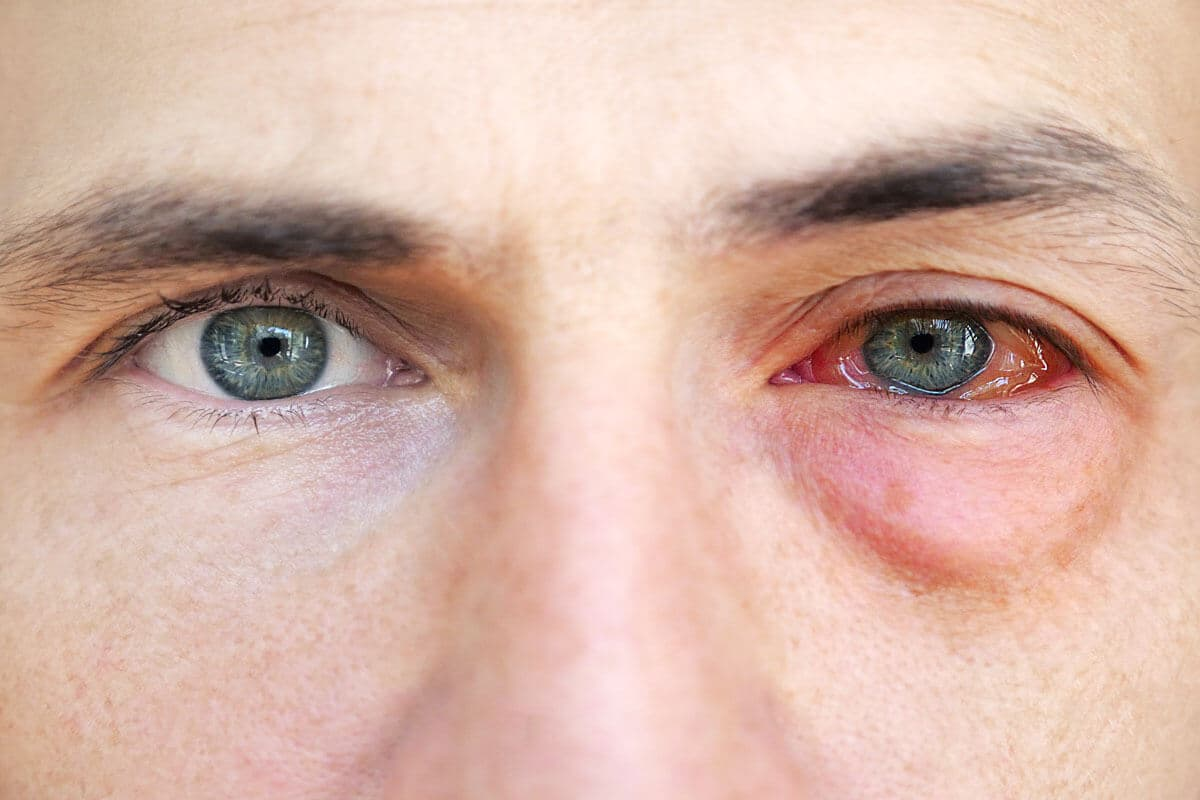
Eye allergies, also known as allergic conjunctivitis, affect about 20% of the global population. 40-60% of allergic individuals have eye symptoms. If your eyes itch, burn, water, and turn red, you’re not alone what to do if i have allergies in my eyes.
At Liv Hospital, we know how tough eye allergies can be. We offer patient-centered, evidence-based solutions. We’re here to help you find relief from itchy eyes allergies relief and improve your life.
Key Takeaways
- Eye allergies affect a significant portion of the global population.
- Allergic conjunctivitis can cause discomfort and impact daily life.
- Effective relief is available through evidence-based solutions.
- Liv Hospital provides patient-centered care for eye allergy sufferers.
- Proven solutions can help alleviate symptoms and improve quality of life.
Understanding Eye Allergies: Causes and Prevalence
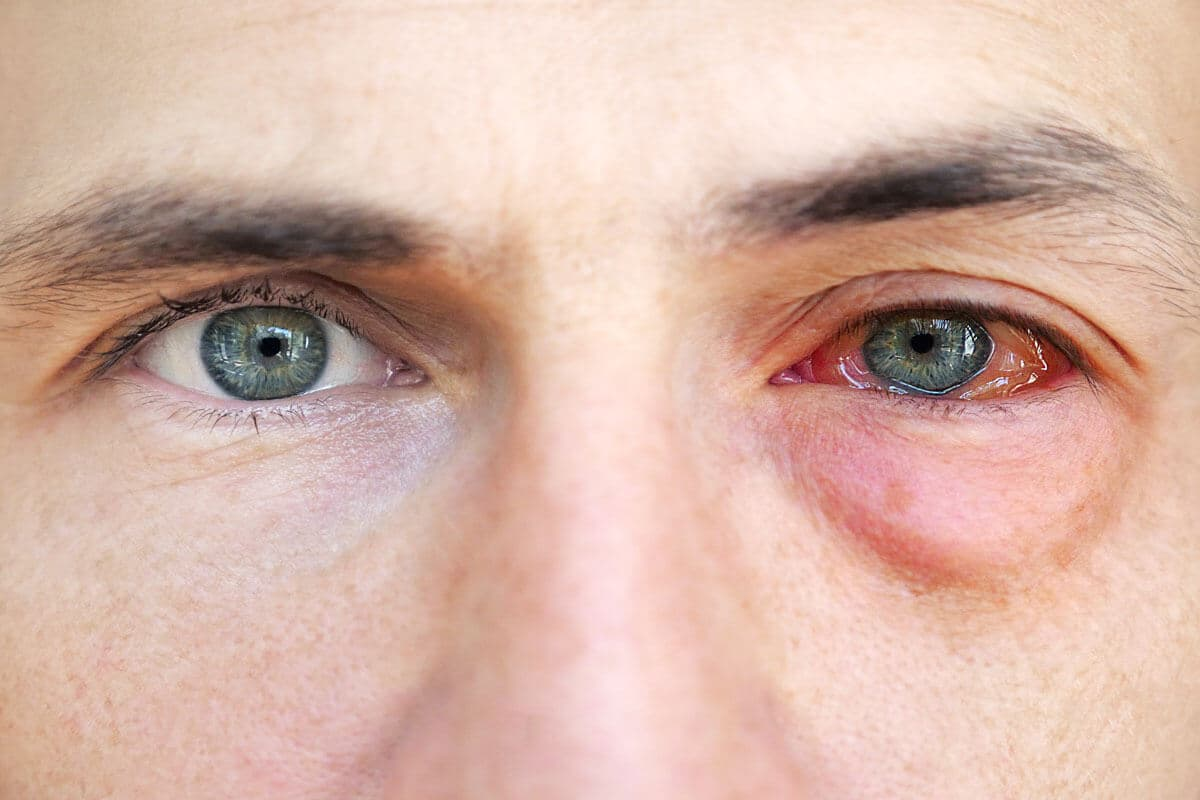
Eye allergies are becoming more common. It’s important to know what causes them and how to manage them. These allergies happen when the immune system reacts to things like pollen, dust mites, mold, or pet dander. This reaction leads to symptoms like redness, itching, and too much tearing.
What Are Eye Allergies?
Eye allergies, also known as allergic conjunctivitis, are an immune reaction. They affect the thin membrane covering the eye and eyelids. Symptoms include redness, itching, burning, and excessive tearing. These symptoms can be very uncomfortable and can affect daily life if not managed.
Global Prevalence and Statistics
Eye allergies have become more common over the last decade. About 10% to 30% of the global population has them. This range varies due to different allergen exposures and individual reactions.
- Pollen allergy is a major contributor, with peak seasons often exacerbating symptoms.
- Dust mites and mold are other common allergens that can cause eye allergies.
- Pet dander from household pets is also a significant allergen source.
Common Causes of Eye Allergies
Knowing what causes eye allergies is key to managing them. The main allergens include:
- Pollen: Trees, grasses, and weeds release pollen into the air, which can cause severe allergic reactions.
- Dust Mites: These tiny creatures live in household dust and are a common allergen source.
- Pet Dander: Proteins in the skin, saliva, and urine of pets can become airborne and trigger allergies.
- Mold: Fungal spores from mold can cause allergic reactions, specially in damp environments.
By knowing these causes, people can reduce their exposure and lessen symptoms.
How Eye Allergies Affect Your Vision

It’s important to know how eye allergies affect your vision. This knowledge helps you manage their impact on your daily life. When allergens trigger an allergic reaction in your eyes, you may experience uncomfortable symptoms.
The Mechanism Behind Allergic Reactions in Eyes
When your immune system finds an allergen, it releases histamine. This causes the blood vessels in the conjunctiva to widen. Your eyes then become red and itchy, leading to eyes burning from allergies and itchy eyes caused by allergies.
Distinguishing Eye Allergies from Infections
Eye allergies are different from infections like pink eye. They don’t usually harm your vision, except for temporary blurriness. It’s key to tell them apart to get the right treatment.
“Allergic conjunctivitis is often accompanied by other allergy symptoms such as sneezing and nasal congestion, which can help in diagnosing the condition.”
|
Symptom |
Eye Allergies |
Infectious Conjunctivitis |
|---|---|---|
|
Redness |
Common |
Common |
|
Itching |
Common |
Rare |
|
Discharge |
Watery |
Purulent |
Potential Impact on Daily Activities
Eye allergies can really disrupt your daily life. They cause discomfort and vision problems that affect things like reading, driving, or working on a computer. It’s important to manage allergies and eye pain to keep your quality of life high.
By understanding how allergies work and how to tell them from infections, you can better handle your symptoms. This helps reduce their impact on your daily activities.
Recognizing Eye Allergy Symptoms
It’s important to know the signs of eye allergies to manage them well. Eye allergies, or allergic conjunctivitis, can make life uncomfortable. They cause a variety of symptoms that can disrupt daily activities.
Common Symptoms and Their Frequency
Eye allergies often lead to redness, itching, watery and teary eyes, eye burning sensations, and swelling. Itching is the most common symptom, affecting about 51.1% of people. Watery eyes are seen in 38.6%, and red eyes in 6.6%.
“Allergic conjunctivitis can really affect someone’s life, making simple tasks hard,” notes an ophthalmology expert. The itching and burning can be very annoying. People often rub their eyes, which can make things worse.
Severity Levels of Eye Allergies
Eye allergies can vary from mild to severe. Mild cases might just itch and turn red sometimes. But severe cases can cause intense itching, a lot of redness, and swelling that can blur your vision.
- Mild: Occasional itching and redness
- Moderate: Noticeable itching, redness, and some swelling
- Severe: Intense itching, significant redness, and swelling that can affect vision
Seasonal vs. Perennial Eye Allergies
Eye allergies can be seasonal or perennial. Seasonal allergies happen when certain allergens are around, like pollen in spring or fall. Perennial allergies are present all year and are often caused by indoor allergens like dust mites, pet dander, or mold.
Knowing if your allergies are seasonal or perennial helps in choosing the right treatment. People with seasonal allergies might need to take steps before the season starts. Those with perennial allergies might need constant care.
By recognizing your allergy symptoms and understanding their type, you can start finding relief. This can greatly improve your life quality.
What To Do If I Have Allergies In My Eyes: First Response
Eye allergies can be really upsetting. But, knowing what to do first can help a lot. It’s important to act fast to feel better and stop things from getting worse.
Immediate Steps for Relief
There are quick ways to ease eye allergy discomfort. Applying a cold compress can help with swelling and itching. Just wet a cloth, wring it out, and place it on your eyes for a few minutes.
Using artificial tears is also helpful. They clean out allergens and keep your eyes moist. You can use them as much as you need during the day.
It’s also key to stay away from things that make allergies worse. If pollen is a problem, stay inside when pollen counts are high. Keep your windows closed. Cleaning your home regularly can also help get rid of allergens.
What to Avoid When Experiencing Eye Allergies
Knowing what not to do is just as important. Rubbing your eyes can make things worse and might even cause an infection. Don’t share makeup or makeup tools, as this can spread allergens and irritate your eyes more. If you wear contacts, consider wearing glasses during allergy season to avoid irritation.
Creating an Eye Allergy Emergency Kit
Being ready is essential for managing eye allergies. An emergency kit can help you quickly respond to allergy attacks. Your kit should have artificial tears, antihistamine eye drops, a cold compress, and any medicines your doctor prescribed. Having these items ready can help you feel better faster.
Knowing how to handle eye allergies from nature is important. By taking quick action, avoiding triggers, and having an emergency kit, you can manage eye allergies better. This can make a big difference in your daily life.
Solution 1: Over-the-Counter Eye Drops and Medications
OTC eye drops and medications are often the first choice for eye allergy symptoms. They offer quick relief for mild to moderate symptoms. This lets people go back to their daily activities without pain.
Antihistamine Eye Drops
Antihistamine eye drops are a top pick for relief from allergy itching eyes. They stop histamines from causing allergic reactions. This reduces itching, redness, and swelling.
Brands like Zaditor and Alaway are known for their fast and lasting relief.
Decongestant Eye Drops
Decongestant eye drops help by shrinking blood vessels in the eyes. They offer quick relief but should be used carefully. Prolonged use can cause rebound redness.
Visine and Clear Eyes are examples. Always follow the instructions and talk to a doctor if symptoms don’t go away.
Oral Antihistamines
Oral antihistamines can help with eye allergy symptoms, too. They lower histamine levels in the body. This can ease eye symptoms and other allergy issues like sneezing and nasal congestion.
Brands like Benadryl and Claritin are popular. But, they can make you sleepy. So, pick a non-drowsy version if you can.
In summary, OTC eye drops and medications are a good first step for eye allergy symptoms. Knowing the different types and their uses helps people find relief for allergy eyes.
Solution 2: Prescription Treatments for Severe Eye Allergies
When over-the-counter remedies don’t work, prescription treatments are key for severe eye allergies. These treatments can greatly help those with intense symptoms, improving their life quality.
Prescription-Strength Antihistamines
Prescription antihistamines are stronger than over-the-counter ones. They block histamine, a chemical causing allergic reactions. Examples include levocabastine and azelastine, which are eye drops.
Mast Cell Stabilizers
Mast cell stabilizers prevent histamine release from mast cells, reducing symptoms. Cromolyn sodium is a common one, available as eye drops.
Corticosteroid Eye Drops
Corticosteroid eye drops are for severe inflammation. They are strong anti-inflammatory agents. But, they have side effects, so use is limited and monitored by eye care professionals.
The following table summarizes the prescription treatments discussed:
|
Treatment |
Mechanism of Action |
Example Medications |
|---|---|---|
|
Prescription-Strength Antihistamines |
Block histamine release |
Levocabastine, Azelastine |
|
Mast Cell Stabilizers |
Prevent histamine release from mast cells |
Cromolyn sodium |
|
Corticosteroid Eye Drops |
Reduce inflammation |
Various (e.g., Prednisolone) |
It’s vital to talk to an eye care professional for the right prescription treatment. They can create a plan that fits your needs and watch for side effects.
Solution 3: Natural Remedies and Environmental Modifications
Eye allergies can be managed with more than just medicine. Natural remedies and environmental changes can help a lot. By adding these to your daily life, you can cut down on allergens and feel better.
Cold Compresses and Saline Washes
One simple yet effective way to fight eye allergies is cold compresses. They help by shrinking blood vessels in your eyes, reducing swelling and itching. To make one, wet a cloth with cold water, wring it out, and place it on your closed eyes for a few minutes. You can also use a cold pack wrapped in a towel.
Saline washes are also great for getting rid of allergens in your eyes. You can buy sterile saline solutions or make your own. Just mix salt with sterile water and gently rinse your eyes to remove pollen and other allergens.
Indoor Air Quality Improvements
Keeping your indoor air clean is key to avoiding allergens that make eye allergies worse. Using High-Efficiency Particulate Air (HEPA) filters is a great way to do this. These filters catch 99.97% of particles as small as 0.3 microns, including pollen, dust, and pet dander.
- Install HEPA filters in your air conditioning and heating systems.
- Use standalone HEPA air purifiers in rooms where you spend a lot of time, such as your bedroom and living room.
- Regularly clean and dust your home using a damp cloth to prevent allergens from becoming airborne.
Pollen and Allergen Avoidance Strategies
Avoiding pollen and other allergens is important for managing eye allergies. Here are some tips to help you stay away from them:
- Monitor Pollen Counts: Check local pollen forecasts to plan your activities. Stay indoors when pollen counts are high.
- Wear Protective Gear: Wear sunglasses when outdoors to protect your eyes from pollen. Consider wearing a mask if you’re doing outdoor activities during peak pollen times.
- Keep Windows Closed: Keep your windows and doors closed during pollen season to prevent pollen from entering your home.
- Shower and Change Clothes: After spending time outdoors, shower and change your clothes to remove pollen from your body and clothing.
By using these natural remedies and making environmental changes, you can reduce allergen exposure and ease symptoms. This approach, along with medical treatments, can offer complete relief and improve your life quality.
Solution 4: Lifestyle Adjustments for Eye Allergy Relief
We can make our eyes feel better by changing a few things in our daily lives. Simple habits can help us feel less allergy itching eyes and irritated eyes from allergies.
Proper Eye Hygiene Practices
Good eye hygiene is key for eye allergy management. Always wash your hands before touching your eyes. Avoid rubbing your eyes to prevent irritation.
Using a clean, damp cloth to wipe your eyelids can remove allergens. This helps prevent infections.
Regularly cleaning your eyeglasses or contact lenses can also help. Make sure to remove makeup before bed and use hypoallergenic products.
Contact Lens Care During Allergy Season
For those with contact lenses, proper care is essential during allergy season. Use a contact lens solution that removes allergens and proteins. Replace your lens case often and follow the manufacturer’s guidelines for lens replacement.
Some people prefer daily disposable lenses during peak allergy seasons. Avoiding contact lenses when pollen counts are high can also help.
Dietary Changes That May Help Reduce Symptoms
Changing what we eat can also help with eye allergies. Eating foods rich in omega-3 fatty acids, like salmon and flaxseeds, can reduce inflammation. Foods high in antioxidants, such as berries and leafy greens, support eye health.
Staying hydrated and eating a balanced diet can also help. Avoid foods that can trigger or worsen allergic reactions.
Solution 5: Immunotherapy and Advanced Treatment Options
For those with severe eye allergies, immunotherapy is a promising solution. It can offer long-term relief. Severe eye allergies can make everyday life hard, impacting quality of life. Immunotherapy and new treatments can help manage and lessen eye allergy reactions.
Allergy Shots (Subcutaneous Immunotherapy)
Allergy shots involve regular injections of small amounts of the allergen. This helps the immune system get used to the allergen, making reactions less severe. This treatment is great for those with severe eye allergies who haven’t found relief elsewhere.
- Regular injections help build tolerance to specific allergens.
- Can lead to long-term reduction in allergy symptoms.
- Effective for severe eye allergies unresponsive to other treatments.
Sublingual Immunotherapy
Sublingual immunotherapy is an alternative to shots. A tablet or liquid with a small amount of the allergen is placed under the tongue. It aims to desensitize the immune system, providing relief from severe eye allergy symptoms. It’s a convenient option for those who prefer not to receive injections.
- Easy to administer at home.
- Reduces the severity of eye allergy reactions over time.
- A viable alternative to subcutaneous immunotherapy.
Emerging Treatments for Eye Allergies
Research into eye allergies is ongoing, with new treatments showing promise. These include new medications and innovative immunotherapy approaches. We are committed to staying updated on these developments to provide the best care.
As we learn more about eye allergies, combining traditional treatments with new ones will offer the best relief. Whether through immunotherapy or other advanced treatments, there is hope for managing severe eye allergies and improving quality of life.
Conclusion: Living Comfortably with Eye Allergies
Understanding eye allergies helps us manage them better. We can find relief by avoiding allergens and using the right treatments. Making lifestyle changes also helps to ease itchy eyes.
We’ve looked at many ways to treat eye allergies. This includes over-the-counter drops, prescription meds, natural remedies, and lifestyle changes. These steps can greatly improve our life and reduce eye allergy discomfort.
To get relief from itchy eyes, we must be proactive. Avoiding allergens and using the right treatments is key. With the right approach, we can live more comfortably, even with eye allergies.
FAQ
What are the most common causes of eye allergies?
Eye allergies can be caused by many things. Pollen, dust mites, pet dander, and mold are common culprits. Knowing what triggers your allergies can help you manage them better.
How can I distinguish between eye allergies and an eye infection?
Eye allergies usually make your eyes itch, turn red, and swell. But they don’t usually cause discharge. Eye infections, on the other hand, can make your eyes hurt and produce discharge. If you’re not sure, it’s best to see a doctor.
What are the immediate steps I can take to relieve eye allergy symptoms?
To quickly ease eye allergy symptoms, try using cold compresses and artificial tears. Also, avoid rubbing your eyes. Putting together an eye allergy emergency kit with the right supplies is a good idea too.
Can over-the-counter medications help with eye allergy symptoms?
Yes, you can find relief with over-the-counter eye drops and oral antihistamines. These can help with mild to moderate symptoms.
When should I consider prescription treatments for my eye allergies?
If your symptoms are really bad or don’t go away, you might need stronger medicine. A doctor can help decide if you need prescription-strength treatments.
Are there any natural remedies that can help alleviate eye allergy symptoms?
Yes, there are natural ways to help. Cold compresses, saline washes, and improving indoor air quality can help. Avoiding pollen and other allergens is also key.
How can lifestyle adjustments help in relieving eye allergy symptoms?
Making some simple changes can help. Good eye hygiene, proper care for contact lenses, and dietary changes can all help reduce symptoms. These steps can also improve your eye health.
What is immunotherapy, and can it help with eye allergies?
Immunotherapy, like allergy shots or sublingual therapy, can offer long-term relief. It helps your body get used to specific allergens, reducing symptoms over time.
Can eye allergies affect my daily activities?
Yes, eye allergies can really disrupt your day. They can cause discomfort, blurry vision, and light sensitivity. Finding effective ways to manage them is important for your quality of life.
How can I manage severe eye allergy symptoms?
For severe symptoms, a combination of treatments might be needed. This could include prescription medicines, lifestyle changes, and immunotherapy. Working with a doctor to create a personalized plan is key.
Are there any emerging treatments for eye allergies?
Yes, new treatments are being researched. This includes new immunotherapies and medications. Keeping up with the latest through your doctor can help you find the best options.
References
What to Do If I Have Allergies in My Eyes https://www.ncbi.nlm.nih.gov/books/NBK448118/