What to Do the Night Before an MRI: Essential Preparation Tips 4
Comedian Pauly Shore recently shared his experience of undergoing a preventative scan. It revealed a benign tumor that was then removed. This shows how important it is to be ready for medical procedures like MRI scans. Learn what to do the night before an mri. Understand the preparation steps and things to avoid before the scan clearly.
Proper preparation is key for a smooth and successful MRI procedure. If you’re not ready, it can cause delays, rescheduling, or even affect the scan results.
MRI scans are critical for medical diagnosis. It’s vital to know how to prepare for the procedure. This includes what to wear, how to prepare the night before, and what to expect during the MRI appointment.
Key Takeaways
Understand the importance of proper preparation for an MRI scan.
Learn what to wear and how to prepare for the procedure.
Discover what to do the night before an MRI appointment.
Know what to expect during the MRI procedure.
Be aware of the possible consequences of not being prepared.
Understanding MRI: What It Is and How It Works
What to Do the Night Before an MRI: Essential Preparation Tips 5
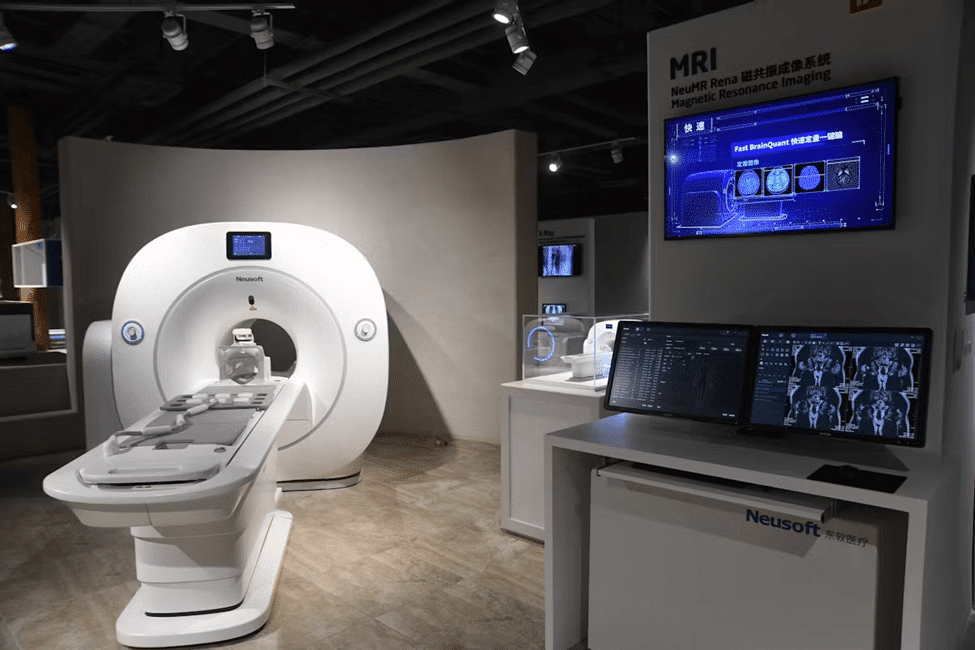
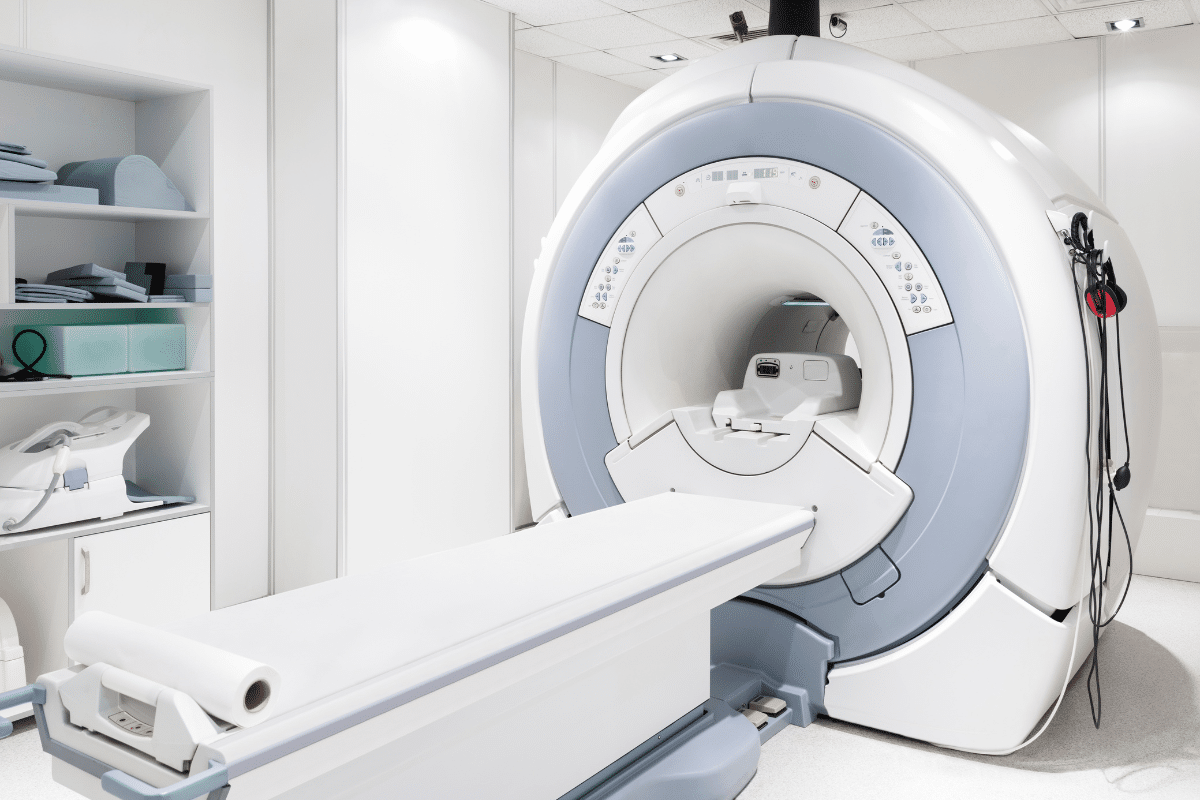
Magnetic Resonance Imaging (MRI) is a key tool in medicine. It uses strong magnetic fields and radio waves to show the body’s inside. This method is safe and helps doctors find and track many health issues.
The Science Behind Magnetic Resonance Imaging
The MRI machine aligns hydrogen atoms in the body with a strong magnetic field. Then, radio waves disturb these atoms, causing them to send signals. The MRI picks up these signals and makes detailed images.
Types of MRI Scans and Their Purposes
There are many MRI scans for different needs. Here are a few:
Functional MRI (fMRI): It watches brain activity by seeing blood flow changes.
Magnetic Resonance Angiography (MRA): It looks at blood vessels to find vascular diseases.
Cardiac MRI: It shows the heart and its blood vessels in detail.
These scans help find many health problems, from brain issues to heart diseases.
Why MRIs Are Different from Other Imaging Tests
MRI doesn’t use harmful radiation like X-rays or CT scans. This makes it safer for some patients, like pregnant women. MRI also shows soft tissues better than other tests, giving clearer images of organs and tissues.
Imaging Test
Radiation Used
Soft Tissue Contrast
MRI
No
Excellent
X-ray
Yes
Poor
CT Scan
Yes
Good
Why Proper Preparation Matters for Your MRI
Getting ready for an MRI is key for a good experience. It affects the quality of the images and how safe and comfortable you feel during the test.
Impact on Image Quality and Accuracy
Clear and accurate MRI images are vital for making the right diagnosis. Good preparation helps get these high-quality images. For example, removing metal items and following diet rules can make a big difference.
Key factors influencing image quality include:
Presence of metal objects
Adherence to dietary restrictions
Correct positioning within the scanner
Safety Considerations and Risk Reduction
Safety is the main focus during MRI tests. Getting ready right can lower risks, like allergic reactions or problems with metal implants. It’s important to tell your doctor about any health issues or implants you have.
Safety Consideration
Preparation Step
Metal Implants
Inform healthcare provider
Allergy to Contrast Agent
Disclose allergy history
Claustrophobia
Discuss anxiety management options
Ensuring Comfort During the Procedure
Being comfortable is key for a successful MRI scan. Getting ready can help lower anxiety and discomfort. This includes knowing what to expect, having someone you trust with you, and using relaxation methods.
Techniques for making MRI more comfortable include:
Deep breathing exercises
Listening to calming music
Using a mirror to see outside the scanner
Metal Objects and MRIs: A Dangerous Combination
Having metal objects during an MRI is risky. It’s important to prepare before the scan. MRI uses strong magnetic fields and radio waves to create detailed images of the body.
The strong magnetic field in MRI can be dangerous. Metal objects can be pulled towards the magnet. This can cause injury or mess up the scan.
Why Metal and MRIs Don’t Mix
The main worry is ferromagnetic attraction. These materials are drawn to the MRI’s magnetic field. This can lead to serious injuries and damage the MRI machine.
Common Metal Items to Remove Before Your Scan
To stay safe during an MRI, remove metal objects. This includes:
Jewelry (rings, necklaces, earrings, etc.)
Clothing with metal parts (zippers, buckles, etc.)
Hairpins and other hair accessories
Removable dental work
Piercings (if possible)
Medical Implants and Devices: What’s Safe and What’s Not
Not all metal is on the outside. Many have medical implants or devices. The safety of these during an MRI depends on their material and design.
Some implants are safe for MRI scans. But others might not be. This could cause heating, movement, or other problems during the scan.
Things like pacemakers, certain aneurysm clips, and some artificial joints are a concern. It’s key to tell your healthcare provider about any implants before an MRI. They can then check if it’s safe to proceed.
What to Do the Night Before an MRI
Knowing what to do the night before your MRI can ease your anxiety. It also makes sure the scan goes smoothly. Getting ready the right way is key.
Creating a Pre-MRI Checklist
Make a checklist the night before to be ready. It should have:
Confirming the appointment time and location
Gathering necessary documents, such as insurance cards and identification
Preparing comfortable clothing to wear after the scan
Notifying someone if you need a ride home after the procedure
A checklist helps lower stress. It makes sure you remember everything important.
Mental Preparation Techniques for Anxiety Reduction
Mental prep is as vital as physical prep. Deep breathing, meditation, or visualization can lessen anxiety.
“The mind is everything. What you think you become.” – Buddha
Try relaxation techniques the night before. They can soothe your nerves.
Items to Gather for Your Appointment
Collecting what you need the night before saves time. It also cuts down on stress for your MRI day. You’ll need:
Item
Description
Insurance Cards
Ensure you have all necessary insurance information
Identification
Bring a valid government-issued ID
Comfortable Clothing
Wear loose, comfortable clothing for after the scan
Getting Proper Rest Before Your Scan
Getting enough sleep before your MRI is essential. Not sleeping well can make you more anxious. It makes the experience harder.
Have a calming bedtime routine. This helps you rest well for your appointment.
Dietary Restrictions: What Not to Eat or Drink
What you eat and drink before an MRI can affect the scan’s quality. Some foods and drinks might make you uncomfortable or mess up the results. Knowing what to eat and avoid is key for a good MRI experience.
Fasting Before an MRI: Is It Necessary?
Whether you need to fast before an MRI varies by scan type. For scans of the abdomen or pelvis, fasting is often needed for clear images. Usually, you’re told not to eat or drink for 4 to 6 hours before. But, always check with your healthcare provider or the MRI center for specific rules.
Tip: Always confirm with your healthcare provider whether fasting is required for your specific MRI procedure.
Foods to Avoid Before Specific MRI Types
Different MRI scans need different diets. For example:
For an abdominal MRI, skip foods that cause gas like beans, cabbage, or broccoli. They can mess up the image.
For a pelvic MRI, eat a low-fiber diet the day before. This helps keep your bowel movements down during the scan.
Also, avoid heavy or rich meals that might be uncomfortable while you’re lying down for the MRI.
Hydration Guidelines and Restrictions
Drinking water is usually okay, but some MRI types have special rules. For certain scans, drinking water helps get clearer images. But, don’t drink too much water to avoid discomfort during the test.
MRI Type
Dietary Recommendations
Hydration Guidelines
Abdominal MRI
Avoid gas-producing foods; Fasting recommended
Limit fluids to avoid discomfort
Pelvic MRI
Low-fiber diet the day before; Possible fasting
Drink water as instructed to fill the bladder
Brain or Spine MRI
Normal diet unless specified
Stay hydrated; Avoid too much fluid
By following these dietary tips, you can make your MRI experience better. Always talk to your healthcare provider for advice tailored to you.
Medication Considerations Before Your Scan
It’s important to know how medicines work with MRI scans. Some medicines can change the scan’s results or be risky during the test.
Medications to Avoid or Adjust
Some medicines might need to be changed or skipped before an MRI. For example, some diuretics should be stopped to avoid dehydration. Also, tell your doctor about metformin because it might need to be stopped before an MRI with contrast to avoid lactic acidosis.
Medication Type
Action Required
Reason
Diuretics
Temporarily stop
Avoid dehydration
Metformin
Withhold before MRI with contrast
Risk of lactic acidosis
When to Take Regular Medications
It’s key to know when to take your regular medicines before an MRI. Usually, you should keep taking them as your doctor says. But, the timing of your medicines is important. For instance, if you need to fast before the scan, you might need to adjust your medicine timing.
“It’s vital to follow your doctor’s advice on when to take your medicines before an MRI. This ensures your safety and the success of the test.”
Informing Your Doctor About Your Medication Regimen
Telling your doctor about all your medicines is very important. This includes prescription drugs, over-the-counter medicines, and supplements. Your doctor needs this info to check for any risks and guide you on your medicines before the MRI.
By knowing which medicines to avoid or adjust, when to take your regular medicines, and the importance of telling your doctor, you can have a safe and successful MRI.
Clothing Guidelines for MRI Appointments
Knowing what to wear to an MRI is key for a comfortable visit. The right clothes can greatly improve your comfort during the scan.
What to Wear to an MRI
For an MRI, wear loose, comfortable clothes. Stay away from clothes with metal, like zippers or buttons. Choose clothes that let you move easily, as you’ll be lying down and changing positions.
Clothing Items to Leave at Home
Leave certain clothes at home for your MRI. This includes clothes with metal, jewelry, and anything that might be uncomfortable during the scan. Also, skip makeup and hair products with metal to avoid image artifacts.
Hospital Gowns: When They’re Required
You might need a hospital gown for your MRI. This is often the case for scans with contrast dye or if your clothes aren’t right. The facility will provide safe MRI-friendly gowns.
Accommodations for Comfort During Long Scans
Long MRI scans need extra comfort. The MRI table is made to be comfy, but you might feel some discomfort. Some places offer pillows or blankets for comfort. Talk to your doctor about any concerns before your scan.
Personal Care Products and MRIs
Before your MRI, it’s important to know how personal care products affect the scan. Some products can mess up the MRI images or even be unsafe. This guide will help you know which products to avoid or use carefully before your MRI.
Can You Wear Deodorant for an MRI?
Many people wonder if they can wear deodorant for an MRI. It depends on the type of deodorant. Deodorants with aluminum can cause problems on MRI scans. It’s best to not use deodorant, mainly if you’re getting a scan of your chest or upper body.
Tip: Always check with your MRI center about deodorant use before your scan.
Makeup and MRI Scans: What’s Safe and What’s Not
Makeup can also be a concern for MRI patients. Makeup with metallic ingredients can react to the MRI’s magnetic field. Metallic pigments in eyeshadows or glitter in lip products are examples of products that might cause issues.
To stay safe, remove all makeup before your MRI, if you’re getting a scan of your head or neck.
Lotions, Perfumes, and Hair Products to Avoid
Lotions, perfumes, and some hair products may not be safe for MRI technology. Some products might have metallic particles or other things that could irritate your skin during the scan.
Avoid applying lotions or creams on the day of your MRI.
Don’t use perfumes or fragrances that might cause discomfort during the scan.
Be careful with hair products, mainly those with metallic ingredients.
Being careful with personal care products before an MRI helps ensure a safe and successful scan. Always follow the specific guidelines from your healthcare provider or the MRI center.
Jewelry, Accessories, and Body Modifications
To have a safe MRI, patients need to think about their jewelry, accessories, and body changes. These things can be risky during the MRI. They might attract magnets or get too hot.
Piercings and MRI Safety
Body piercings can be a problem for MRI safety. Metal piercings might get too hot or fall out during the scan. This could hurt you.
Tell your doctor about any piercings. They might ask you to take them out before the scan. If you can’t remove them, they might wait or reschedule the MRI.
Watches, Belts, and Other Accessories
Some accessories, like watches and belts, have metal parts. These can be pulled towards the MRI’s strong magnetic field. You must take them off before going into the MRI room.
It’s best to leave jewelry at home. It’s not just for safety, but it can also mess up the MRI pictures.
Tattoos and Permanent Makeup Considerations
Tattoos and permanent makeup might have metal in them. This could cause skin problems or mess up the MRI pictures. Tell your MRI technician about any tattoos or permanent makeup.
They might watch you more closely or take special steps during the scan.
Safe Storage of Your Valuables
Most MRI places have lockers or safe spots for your things. Leave valuable items like jewelry, watches, and credit cards there. They can get damaged by the MRI machine.
Always check with your MRI place about what to do with your personal items.
Dental Work and Oral Considerations
Dental work and oral considerations are key for a safe MRI. Some dental materials and appliances can interact with the MRI machine. This might cause discomfort or affect the scan quality.
Can You Wear Dentures in an MRI?
It’s usually best to take out dentures before an MRI. The MRI’s strong magnetic field can move or heat up metal parts in dentures. But, this depends on the denture type and materials. Always tell your healthcare provider about your dentures and follow their advice.
If you wear dentures, remember to:
Tell your doctor or MRI technologist about your dentures before the scan.
Be ready to remove your dentures if told to do so.
Ask any questions or share concerns about your dentures and the MRI.
Dental Fillings, Crowns, and Braces
Most dental fillings, crowns, and restorations are safe for MRI scans. But, older fillings or certain dental work might have metals. These could cause artifacts on the MRI images or heat up during the scan.
Always tell your MRI technologist about your dental work, including fillings, crowns, bridges, or braces. They can give advice based on your situation and the MRI scan type.
Knowing how your dental work affects your MRI scan is important. It helps ensure a safe and effective procedure. Always follow your healthcare professionals’ advice on dental work and MRI preparation.
Special Considerations for Different Body Parts
Knowing what each body part needs for an MRI scan is key. It affects how clear the images will be. Each area has its own special needs to get the best results.
Brain MRI Preparation and Restrictions
For a brain MRI, you’ll need to take off any metal things like jewelry. Also, tell your doctor about any metal implants or past surgeries.
Key considerations for brain MRI include:
Removing all metal objects
Informing your doctor about any metal implants or previous surgeries
Following specific instructions regarding medications and eating before the scan
Abdominal and Pelvic MRI Guidelines
Before an abdominal or pelvic MRI, you’ll need to fast. This helps you stay calm and steady. You might also drink a special liquid to make certain areas show up better.
Preparation Step
Abdominal MRI
Pelvic MRI
Fasting
Required for 4-6 hours
Not always required
Contrast Agent
Oral contrast may be given
May involve IV contrast
Joint and Spine MRI Preparation
Joint and spine MRIs need you to stay very quiet and not move. Wear clothes without metal and take off any jewelry or metal items.
Specific considerations include:
Comfortable, metal-free clothing
Removing all jewelry and metal objects
Informing your doctor about any claustrophobia or discomfort
Chest and Cardiac MRI Special Instructions
Chest and cardiac MRIs need careful prep. This includes removing metal and possibly fasting or skipping some meds. For cardiac MRIs, your heart rate might be watched.
By following these special tips for each body part, you help make your MRI scan safe and effective. This ensures you get clear images for better diagnosis and treatment.
MRIs with Contrast: Additional Preparation Steps
When you’re getting ready for an MRI with contrast, knowing the extra steps is key. Contrast agents help make MRI scans clearer. They let doctors see more details and make better diagnoses.
Understanding Contrast Agents and Their Purpose
Contrast agents are used in MRI scans to make certain body parts stand out. They contain things like gadolinium, which changes how nearby hydrogen nuclei act. This makes the images clearer.
Key Benefits of Contrast Agents:
They make certain tissues or lesions more visible.
They help doctors find conditions like cancer and vascular diseases more accurately.
They help tell different types of tissues apart.
Pre-Contrast Dietary and Medication Restrictions
Before an MRI with contrast, you might need to follow some special rules. You might not have to fast, but you should avoid certain foods and meds. This is to keep you safe.
If you have kidney problems, you’ll need to be extra careful. Some contrast agents can be bad for your kidneys. Always tell your doctor about any health issues you have.
Condition
Precaution
Kidney Disease
Inform your doctor; possible alternative contrast agents or pre-MRI dialysis
Diabetes
Monitor blood sugar levels; adjust medications if necessary
Previous Allergic Reactions to Contrast
Notify your doctor; possible pre-medication to prevent allergic reactions
Potential Side Effects and Precautions
Contrast agents are usually safe, but they can cause side effects in some people. These side effects are usually mild. They might include:
Nausea or vomiting
Headache
Dizziness
Itching or rash
But serious side effects are rare. If you notice anything strange, tell your doctor right away.
“The safety profile of gadolinium-based contrast agents is generally excellent, but it’s not without risks, especially for patients with certain pre-existing conditions.” –
American College of Radiology
Post-Contrast Care Instructions
After the MRI, you’ll be watched for a bit to see if you have any bad reactions. Most people can go back to their usual activities pretty quickly.
To make sure you recover well:
Drink lots of water to help get rid of the contrast agent.
Watch for any late side effects, like skin issues or strange feelings.
Follow any special instructions from your doctor.
By understanding contrast agents, following the pre-contrast rules, knowing about side effects, and taking care after the MRI, you can get the most out of your scan. This way, you can avoid any problems.
Managing Claustrophobia and Anxiety
MRI machines can be scary for people with claustrophobia or anxiety. It’s important to find ways to make the experience better.
Relaxation Techniques for MRI Procedures
There are many ways to calm down during an MRI. Some include:
Deep breathing exercises
Progressive muscle relaxation
Visualization techniques
Meditation and mindfulness
A radiologist says, “Teaching patients relaxation techniques can really help them feel less anxious during the MRI.”
Medication Options for Anxiety
Some people might need medicine to help with their anxiety during an MRI. It’s important to talk to your doctor about this.
Medication Type
Purpose
Side Effects
Benzodiazepines
Short-term relief of anxiety
Drowsiness, dependency
Beta Blockers
Reduce physiological symptoms of anxiety
Fatigue, dizziness
Open MRI and Other Alternatives
If you really can’t handle the MRI machine, there are other options. Open MRI machines or other alternatives might be more comfortable for you.
Bringing Support Persons to Your Appointment
Having someone you trust with you during the MRI can make a big difference. Many places let you bring a friend or family member.
“Having my family member with me during the MRI made a huge difference. It was much less intimidating with them by my side.” – MRI patient
By using these strategies, people with claustrophobia or anxiety can have a better MRI experience.
The MRI Process: What to Expect
Learning about the MRI process can ease your worries and make the experience better. An MRI is a non-invasive test that uses strong magnetic fields and radio waves. It creates detailed images of your body’s inside.
Duration of an MRI Scan
The time needed for an MRI scan varies. It depends on the scan type and the body part being checked. Most MRI scans last from 15 to 90 minutes. Longer scans might be needed for complex or multi-sequence procedures.
Type of MRI
Typical Duration
Brain MRI
15-30 minutes
Spine MRI
30-60 minutes
Abdominal MRI
30-60 minutes
Joint MRI (e.g., knee, shoulder)
15-45 minutes
Positioning and Equipment You’ll Encounter
You’ll lie on a table that moves into the MRI machine, a big tube. The technologist will help you get comfortable. They might use restraints to keep you from moving.
The MRI machine has a strong magnetic field and radiofrequency coils. These help capture the images.
Communication During the Procedure
You can talk to the MRI technologist through an intercom system. They can hear you and respond. It’s important to stay quiet during the scan, but you can speak up if needed.
The Sounds and Sensations You’ll Experience
The MRI machine makes loud noises because of the magnetic field. You’ll get earplugs or headphones to block the sound. Some people might feel claustrophobic or uncomfortable, but open MRI machines are available for those who need them.
Key Points to Remember:
Arrive early to complete any necessary paperwork.
Remove all metal objects and follow specific instructions regarding clothing and personal items.
Inform your technologist about any anxiety or discomfort.
Stay as steady as possible during the scan.
Common Mistakes to Avoid on MRI Day
A successful MRI experience starts with avoiding common mistakes. These mistakes can delay or complicate your scan. Knowing these pitfalls can help your appointment go smoothly.
Arriving Unprepared or Late
Arriving late or unprepared can cause stress and delay your scan. Plan to arrive 15-20 minutes before your appointment. This gives time for check-in, paperwork, and settling before the scan.
Forgetting to Disclose Important Medical Information
Failing to disclose important medical information can be risky. Tell your healthcare provider about any medical implants, allergies, or conditions. This includes:
Medical Information
Importance
Pacemakers or other implanted devices
May be affected by the MRI’s magnetic field
Metal fragments or shrapnel
Can cause injury during the scan
Allergies to contrast agents
May require alternative contrast or pre-medication
Moving During the Scan
Movement during the MRI scan can affect image quality. It might need a scan repeat. To minimize movement:
Follow the technologist’s instructions carefully
Remain as steady as possible during the scan
Use relaxation techniques, such as deep breathing, to help you relax
Bringing Prohibited Items into the MRI Room
Bringing prohibited items into the MRI room is risky. Common items to avoid include:
Metal jewelry or accessories
Electronic devices (phones, watches, etc.)
Credit cards or other magnetic stripe cards
By avoiding these common mistakes, you can have a successful and stress-free MRI experience.
Conclusion: Ensuring a Successful MRI Experience
A successful MRI experience relies on good preparation and knowing what to expect. By following the tips in this article, you can make your MRI smooth and safe. Important steps include removing metal, following diet rules, and knowing what to wear.
It’s also key to know about MRI safety, like metal implant risks and sharing health info. Being informed and ready can lower risks and get better imaging results.
Being well-prepared makes your MRI experience better. Stick to the tips and safety rules to help your MRI go well. This way, your healthcare team gets the right info they need.
FAQ
.
What should I wear to an MRI?
Wear loose, comfy clothes without metal parts. You might need a hospital gown.
Can I wear deodorant for an MRI?
It’s best to skip deodorant. Some ingredients can mess with the scan.
Can I wear makeup during an MRI?
Makeup with metal can be a problem. Avoid it or check with your MRI place.
Should I eat before an MRI?
It depends on the MRI type. Some need fasting, others not. Ask your doctor or MRI place.
Can I wear jewelry during an MRI?
No, remove all jewelry. Metal can be dangerous during the scan.
How long does an MRI scan take?
Time varies by scan type and body part. It’s usually 15 to 90 minutes.
Can I wear dentures during an MRI?
It’s best to remove dentures. But, check with your MRI place for rules.
What are the risks associated with having metal objects during an MRI?
Metal can cause injury or mess with the scan. Remove jewelry, watches, and metal clothes.
How can I manage claustrophobia during an MRI?
Use relaxation, anxiety meds, or open MRI. Having someone with you helps too.
What happens if I bring prohibited items into the MRI room?
You’ll be asked to remove them. Bringing banned items can delay or risk safety.
Can I take my regular medications before an MRI?
Usually, yes. But tell your doctor about your meds. Some might need to change.
Are there any dietary restrictions before an MRI with contrast?
Yes, you might need to fast or avoid certain foods. Check with your doctor or MRI place.
What are the possible side effects of MRI contrast agents?
Mild side effects like nausea or itching are common. But severe reactions are rare.
How can I prepare for an MRI the night before?
Make a checklist, gather items, and rest well. Mental prep can also help with anxiety.
What should I do if I’m anxious about my MRI appointment?
Talk to your doctor about your worries. Try relaxation or anxiety meds