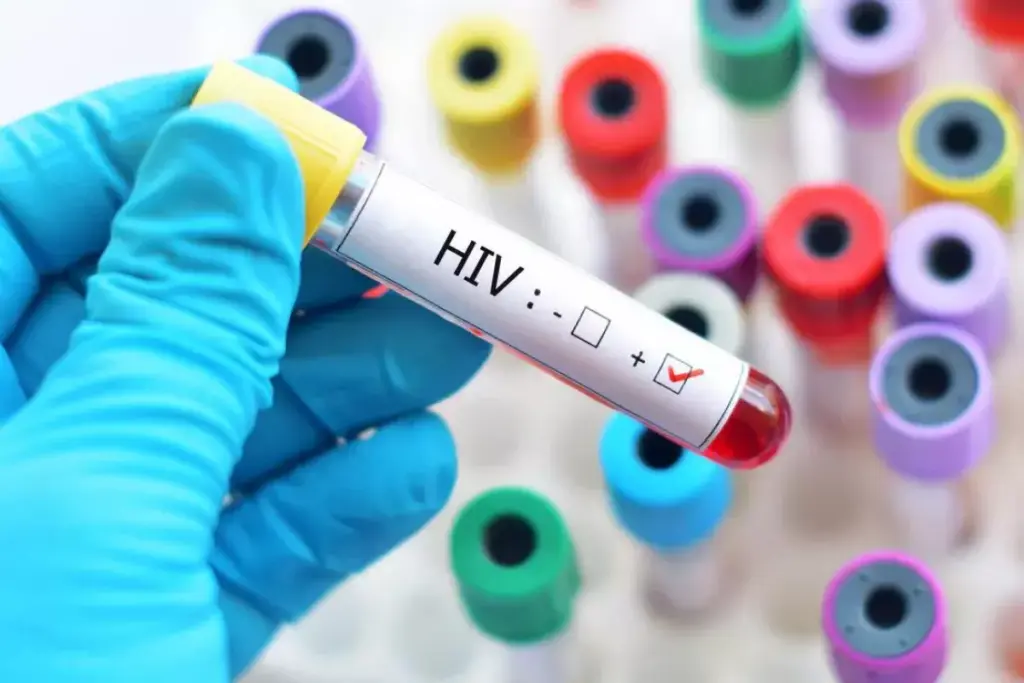
We often link fatigue and weakness to anemia. But could these signs point to a serious issue like cancer? At Liv Hospital, we dive into the link between low hemoglobin levels and different cancers.
Cancers like leukemia and lymphoma can lower hemoglobin, causing anemia. But is low hemoglobin always a cancer sign? We’ll look into how anemia and cancer are connected. We’ll also talk about why it’s key to know what causes low hemoglobin levels.
Key Takeaways
- Cancers affecting the bone marrow can cause low hemoglobin levels.
- Anemia is a common symptom of various cancers, including leukemia and lymphoma.
- Understanding the relationship between anemia and cancer is critical for diagnosis and treatment.
- Low hemoglobin levels can be a sign of an underlying cancer.
- Early detection and diagnosis are vital for effective cancer management.
Understanding Hemoglobin and Its Importance in the Body
Hemoglobin is a protein in red blood cells. It carries oxygen from the lungs to the body’s tissues. It also takes carbon dioxide back to the lungs. Knowing about hemoglobin helps us understand its role in our bodies.
What Is Hemoglobin and How Is It Measured?
Hemoglobin is made of heme and globin. It binds oxygen in the lungs and releases it in tissues. Doctors measure hemoglobin through a complete blood count (CBC) test.
This test is part of regular medical check-ups. “Hemoglobin testing is key for diagnosing and monitoring health conditions,” like anemia and other red blood cell disorders.
Hemoglobin levels are measured in grams per deciliter (g/dL). Knowing these levels helps diagnose conditions like anemia. Anemia can be a sign of health issues, including certain cancers.
Normal Hemoglobin Levels for Different Demographics
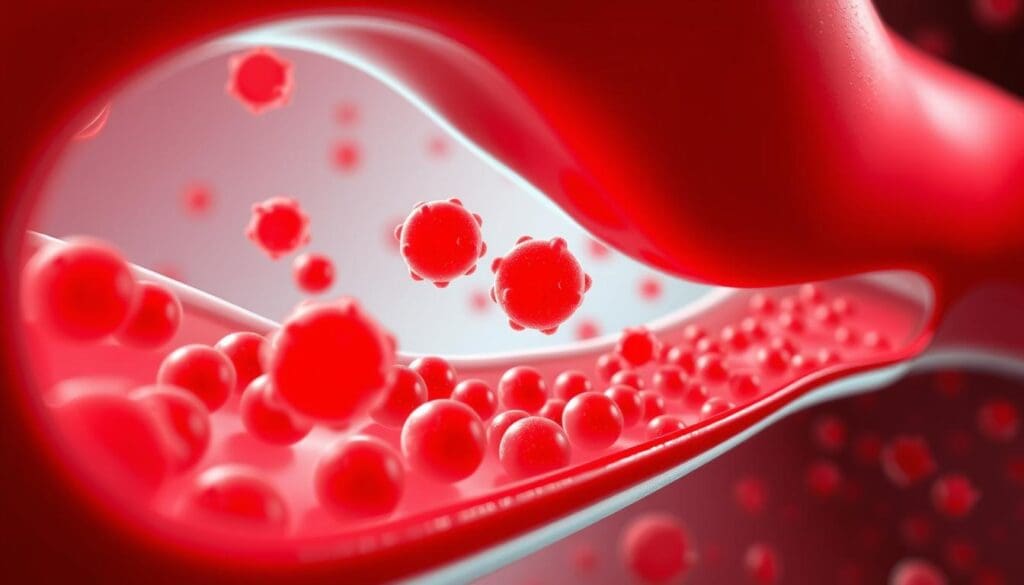
Normal hemoglobin levels change with age, sex, and other factors. Adult men usually have higher levels than women. For example, men’s levels are between 13.8 and 17.2 g/dL, while women’s are between 12.1 and 15.1 g/dL.
Pregnant women have different criteria because of blood volume changes. Knowing these differences helps doctors diagnose and treat conditions related to hemoglobin levels.
The Role of Hemoglobin in Oxygen Transport
Hemoglobin is key for oxygen transport. It ensures oxygen reaches tissues and organs. This is vital for energy production and body functions.
Without enough hemoglobin, tissues may not get enough oxygen. This can cause fatigue, weakness, and other symptoms of anemia.
Oxygen transport involves hemoglobin and the cardiovascular system. Hemoglobin’s ability to bind and release oxygen depends on pH levels and carbon dioxide concentration.
“The binding of oxygen to hemoglobin is a reversible process, allowing for the efficient transport of oxygen from the lungs to peripheral tissues.” This shows how important hemoglobin is for our body’s balance.
Recognizing Low Hemoglobin: Symptoms and Clinical Significance
It’s important to spot low hemoglobin early. This is because low hemoglobin, or anemia, can cause many symptoms. These symptoms can make daily life harder and affect your health.
What Constitutes Low Hemoglobin?
Low hemoglobin means your hemoglobin level is below what’s normal. For men, this is less than 13.5 g/dL. For women, it’s less than 12 g/dL. These numbers can change based on the lab and your age or if you’re pregnant.
Knowing these numbers helps doctors find and treat anemia. They use these values to check for low hemoglobin in patients.
Common Symptoms of Anemia
Anemia symptoms can differ based on how bad it is and your health. Some common signs include:
- Fatigue and weakness: Your body gets less oxygen, making you tired.
- Shortness of breath: Even sitting down, you might find it hard to breathe.
- Dizziness or lightheadedness: Less oxygen to the brain can make you feel dizzy.
- Pale skin: Fewer red blood cells can make your skin look paler.
- Cold hands and feet: Poor circulation and less oxygen can make them cold.
These symptoms can really lower your quality of life. If you keep feeling these, you should see a doctor.
How Low Hemoglobin Affects Daily Functioning
Low hemoglobin can really mess with your daily life. Even simple tasks can feel like a big challenge. For example, you might:
“I get tired just walking to the mailbox.” – A patient describing their experience with anemia.
Anemia can also hurt your brain, making it hard to focus and remember things. In serious cases, it can lead to heart problems and make you more likely to get sick.
It’s key to treat low hemoglobin to feel better and avoid serious problems. Treatment might include changing your diet, taking supplements, or getting medical help.
The Relationship Between Cancer and Low Hemoglobin Levels
It’s important to know how cancer affects blood cell production. This is key to managing anemia. Cancer can mess with the body’s blood cell making process in many ways.
How Cancer Affects Blood Cell Production
Cancer mainly harms blood cell production by taking over the bone marrow. This is where blood cells are made. When cancer cells fill the bone marrow, they push out healthy cells. This leads to less red blood cells and lower hemoglobin levels.
Cancer can also lower the production of erythropoietin. This hormone helps make red blood cells. Also, cancer can cause long-term inflammation. This makes it harder for the body to use iron, which is needed for hemoglobin.
Mechanisms of Cancer-Induced Anemia
The reasons for anemia in cancer patients are complex. Cytokines from the tumor can slow down red blood cell making. Treatments like chemotherapy and radiation can also hurt the bone marrow, making it harder to make blood cells.
Another big factor is how cancer affects nutrient use. Cancer patients often eat less or have trouble absorbing nutrients. This can lead to a lack of iron, vitamin B12, and folate, which are key for making hemoglobin.
Prevalence of Anemia in Cancer Patients
Anemia is a big problem for many cancer patients. It affects a lot of people with different cancers. The amount of anemia varies based on the cancer type, its stage, and the treatments used.
Cancers like leukemia and lymphoma, which affect the bone marrow, often cause more anemia. Knowing how common anemia is in cancer patients helps doctors give better care and improve results.
Low Hemoglobin Leukemia: How Blood Cancer Affects Red Blood Cells
Leukemia, a blood cancer, can harm red blood cell production, causing low hemoglobin levels. This happens when leukemia cells fill the bone marrow, stopping it from making blood cells. Patients often get anemia, which makes life harder.
Types of Leukemia and Their Effect on Bone Marrow
There are many types of leukemia, each affecting the bone marrow and red blood cell production differently. Acute lymphoblastic leukemia (ALL) and acute myeloid leukemia (AML) are aggressive and can quickly cause anemia. They harm the bone marrow fast.
Chronic lymphocytic leukemia (CLL) and chronic myeloid leukemia (CML) grow slower but can also disrupt blood cell production. The bone marrow can’t make healthy red blood cells as leukemia cells build up, leading to low hemoglobin.
Mechanisms of Hemoglobin Reduction in Leukemia
Leukemia reduces hemoglobin in several ways. Leukemia cells take up space in the bone marrow, stopping normal blood cell production. The disease also causes inflammation and releases cytokines that slow down red blood cell making.
- Direct suppression of red blood cell production by leukemia cells
- Induction of inflammation that affects erythropoiesis
- Release of cytokines that suppress normal hematopoiesis
Distinguishing Features of Leukemia-Related Anemia
Anemia in leukemia patients is severe and quick to develop. It’s usually normocytic, with normal-sized red blood cells but fewer of them.
Knowing about leukemia-related anemia helps doctors manage it better. They can target treatments for both the leukemia and anemia based on the type of leukemia.
Other Blood Cancers That Cause Low Hemoglobin
Leukemia isn’t the only blood cancer that affects hemoglobin levels. We’ll look at how lymphoma, multiple myeloma, and myelodysplastic syndromes impact hemoglobin production. This leads to anemia.
Lymphoma and Its Effect on Hemoglobin Levels
Lymphoma is a cancer of the lymphatic system. It can indirectly lower hemoglobin levels. This happens through bone marrow infiltration and chronic inflammation. Anemia in cancer patients is a common issue that affects quality of life.
Mechanisms of Anemia in Lymphoma:
- Direct bone marrow involvement
- Chronic inflammation
- Treatment-related effects
Multiple Myeloma and Anemia
Multiple myeloma, a plasma cell malignancy, often causes anemia. It affects hemoglobin levels by replacing bone marrow and producing cytokines that reduce red blood cell production.
| Aspect | Effect on Hemoglobin |
|---|---|
| Bone Marrow Replacement | Reduces red blood cell production |
| Cytokine Production | Inhibits erythropoiesis |
| Renal Impairment | Decreases erythropoietin production |
Myelodysplastic Syndromes and Hemoglobin Reduction
Myelodysplastic syndromes (MDS) are disorders with ineffective hematopoiesis. They can cause significant hemoglobin reductions due to impaired red blood cell production.
“Myelodysplastic syndromes are a heterogeneous group of myeloid neoplasms characterized by ineffective hematopoiesis and a variable risk of progression to acute myeloid leukemia.” – Source: World Health Organization classification.
Managing anemia in these conditions involves treating the underlying disease and supporting red blood cell production. Treatment options include blood transfusions, erythropoiesis-stimulating agents, and sometimes bone marrow transplantation.
Solid Tumors Associated with Low Hemoglobin
Many solid tumors can lower hemoglobin levels. It’s important to know how they do this. We’ll look at how different tumors cause anemia and the reasons behind it.
Gastrointestinal Cancers and Blood Loss Anemia
Gastrointestinal cancers like colorectal, gastric, and esophageal cancers often lead to anemia. This is because they can bleed, either openly or secretly. This bleeding can cause iron deficiency anemia.
For example, colorectal cancer can cause hidden bleeding. This might not be seen right away but can lead to iron deficiency over time. Managing anemia in these cases involves treating the cancer and giving iron supplements.
Kidney Cancer and Erythropoietin Production
Kidney cancer, like renal cell carcinoma, can affect hemoglobin levels in several ways. One key way is by affecting erythropoietin production. Erythropoietin is a hormone that helps make red blood cells. Kidney cancer can disrupt this, causing anemia.
Kidney cancer can also cause anemia through chronic disease or inflammation. The tumor can release substances that cause inflammation. This can lower red blood cell production and lead to low hemoglobin levels.
Other Solid Tumors That May Cause Anemia
Other solid tumors can also cause anemia. For instance, lung cancer can lead to anemia of chronic disease. Liver cancer can also cause anemia due to its effects on metabolism and bleeding risks.
It’s key to understand how different tumors cause anemia. By treating both the cancer and the anemia, we can improve patient outcomes and quality of life.
Diagnostic Approach: When to Suspect Cancer with Low Hemoglobin
Low hemoglobin can signal many health issues, including cancer. It’s key to find the cause with a detailed check-up. When we see low hemoglobin, we must think about cancer and follow a careful diagnosis plan.
Initial Evaluation of Unexplained Anemia
First, we review the patient’s medical history and do a physical check. We look for signs like tiredness, weakness, and breathing problems. These can point to anemia.
We also run a complete blood count (CBC) test. This test shows red blood cell count, hemoglobin levels, and more. It helps us figure out why the anemia is happening.
More tests might be needed. These include reticulocyte count and peripheral blood smear. They help find the cause of anemia.
Red Flags That May Indicate Underlying Malignancy
Some symptoms can hint at cancer in patients with low hemoglobin. These red flags are unexplained weight loss, constant tiredness, and bleeding. We also watch for swollen lymph nodes and big organs, signs of lymphoma or other cancers.
- Unexplained weight loss
- Persistent fatigue
- Bleeding or bruising
- Lymphadenopathy
- Organomegaly
Diagnostic Tests to Identify Cancer-Related Anemia
There are tests to spot anemia linked to cancer. A bone marrow biopsy is key to check for cancer in the bone marrow. CT scans and PET scans help find where the cancer started and how far it has spread.
| Diagnostic Test | Purpose |
|---|---|
| Complete Blood Count (CBC) | Diagnose anemia and assess its severity |
| Reticulocyte Count | Assess bone marrow response to anemia |
| Bone Marrow Biopsy | Diagnose bone marrow involvement by cancer |
| CT Scan/PET Scan | Identify primary site of cancer and assess extent of disease |
Non-Cancer Causes of Low Hemoglobin
Looking into low hemoglobin, we find more than just cancer. Many health issues can cause low hemoglobin levels. We’ll dive into these non-cancer causes to understand them better.
Nutritional Deficiencies: Iron, B12, and Folate
Nutritional deficiencies often lead to low hemoglobin. Iron, vitamin B12, and folate are key for making red blood cells. Without enough, you might get anemia, marked by low hemoglobin.
Iron deficiency anemia is common. It can happen from not eating enough iron, losing blood, or needing more iron when pregnant.
Vitamin B12 deficiency affects vegetarians and vegans more. It can also happen if your body can’t absorb it well, like in pernicious anemia. Folate deficiency, similar to B12, causes megaloblastic anemia, where red blood cells are too big.
Chronic Diseases and Inflammation
Chronic diseases and inflammation can lower hemoglobin. Conditions like chronic kidney disease, rheumatoid arthritis, and infections can cause anemia. This is because the body can’t use iron well, thanks to inflammation.
For example, chronic kidney disease lowers erythropoietin. This hormone helps make red blood cells, leading to anemia.
Bleeding Disorders and Blood Loss
Bleeding disorders and blood loss also lower hemoglobin. Issues like ulcers, menstrual problems, or injuries can cause blood loss. This loss depletes iron and leads to anemia. Bleeding disorders, like hemophilia, also cause blood loss.
Genetic Conditions Affecting Hemoglobin
Genetic conditions can mess with hemoglobin production or red blood cell function. Sickle cell disease and thalassemia are examples. Sickle cell disease makes red blood cells misshapen, reducing oxygen transport. Thalassemia affects globin chains, leading to anemia and other issues.
Knowing these non-cancer causes of low hemoglobin helps in diagnosis and treatment. Healthcare providers can then offer better care by understanding these factors.
Treatment and Management of Cancer-Related Low Hemoglobin
Managing cancer-related low hemoglobin needs a full plan. It must tackle the cancer and its impact on red blood cells. This approach boosts the patient’s life quality and helps them handle cancer treatments better.
Addressing the Underlying Cancer
First, we focus on treating the cancer. This helps the bone marrow work better and makes more red blood cells. Treatments like chemotherapy, targeted therapy, and immunotherapy are key in this fight.
Blood Transfusions and Their Role
Blood transfusions quickly raise hemoglobin levels in cancer patients. They give a quick fix for fatigue and shortness of breath. But, they’re mainly for those with severe anemia or bad symptoms.
Experts say, “Red blood cell transfusions are a mainstay in treating anemia in cancer patients, mainly in those with blood cancers or getting intense chemotherapy.” (
Red blood cell transfusion in cancer patients: A complete review.
)
Erythropoiesis-Stimulating Agents
Erythropoiesis-stimulating agents (ESAs) are another option for anemia in cancer patients. They make the bone marrow produce more red blood cells, raising hemoglobin levels. ESAs can cut down on blood transfusions and improve patient results.
- ESAs are given through injection, weekly or every three weeks.
- They work best in patients with anemia from chemotherapy.
- It’s important to check iron levels, as ESAs don’t work well with low iron.
Nutritional Support and Supplementation
Nutritional support is key in managing anemia in cancer patients. It’s vital to get enough iron, vitamin B12, and folate for red blood cell making. Diet advice and supplements can help fix nutritional gaps that lead to low hemoglobin.
By using a mix of treatments like cancer therapy, blood transfusions, ESAs, and nutrition, we can manage low hemoglobin in cancer patients. This approach improves their health and quality of life.
Conclusion: Understanding the Significance of Low Hemoglobin in Cancer
Low hemoglobin is a key sign in many cancers. It affects how doctors diagnose and treat the disease. It also changes how well patients do.
Knowing about low hemoglobin in cancer is vital for doctors. It helps them decide the best care for patients. Low hemoglobin can mean cancer is present, and treating it is important for better health.
By understanding low hemoglobin in cancer, we can improve care for patients. We can better manage anemia linked to cancer. This leads to better health and quality of life for patients. Managing low hemoglobin and cancer needs a team effort, using the latest research and treatments.
FAQ
Is low hemoglobin a sign of cancer?
Low hemoglobin can mean different things, including cancer. Some cancers, like leukemia and lymphoma, can lower hemoglobin levels. This happens due to blood loss, bone marrow issues, or chronic disease.
What types of cancer cause low hemoglobin?
Several cancers can lead to low hemoglobin. These include leukemia, lymphoma, and cancers in the gut. Kidney cancer can also cause it. These cancers affect red blood cell production in various ways.
Does low hemoglobin mean cancer?
Not always. Low hemoglobin can be linked to cancer, but it’s not the only cause. Nutritional issues, chronic diseases, and genetic conditions can also lower hemoglobin levels.
Can leukemia cause low hemoglobin?
Yes, leukemia can lower hemoglobin. It impacts the bone marrow, where red blood cells are made. The severity of anemia depends on the leukemia type and stage.
What are the symptoms of anemia in cancer patients?
Anemia symptoms in cancer patients include fatigue and weakness. They may also have pale skin, shortness of breath, and dizziness. These symptoms can affect daily life and quality of life.
How is cancer-related anemia diagnosed?
Diagnosing anemia in cancer patients involves several steps. Blood tests measure hemoglobin and other important factors. More tests might be needed to find the cause of anemia.
How is low hemoglobin treated in cancer patients?
Treating low hemoglobin in cancer patients focuses on the cancer itself and managing anemia. This includes blood transfusions, medications to boost red blood cell production, and nutritional support.
Can nutritional deficiencies cause low hemoglobin?
Yes, not getting enough iron, vitamin B12, or folate can lower hemoglobin. Eating a balanced diet is key to keeping hemoglobin levels healthy.
Are there non-cancer causes of low hemoglobin?
Yes, many non-cancer conditions can lower hemoglobin. These include chronic diseases, bleeding disorders, genetic conditions, and nutritional deficiencies. A detailed evaluation is needed to find the cause.
What is the role of erythropoiesis-stimulating agents in treating anemia?
Erythropoiesis-stimulating agents (ESAs) help make more red blood cells. They are used in cancer patients, mainly those getting chemotherapy. ESAs reduce the need for blood transfusions and improve life quality.
References Links:
- American Cancer Society – Is Anemia a Sign of Cancer?
https://www.cancer.org/cancer/diagnosis-staging/signs-and-symptoms-of-cancer/anemia.html Cancer Research UK - Healthline – Anemia and Cancer: What Do You Need to Know?
https://www.healthline.com/health/cancer/anemia-cancer Healthline - Verywell Health – What Type of Cancer Causes Low Hemoglobin?
https://www.verywellhealth.com/anemia-and-cancer-797397 Verywell Health - Journal of Experimental & Clinical Cancer Research – Iron and leukemia: new insights
https://jeccr.biomedcentral.com/articles/10.1186/s13046-019-1397-3 BioMed Central