
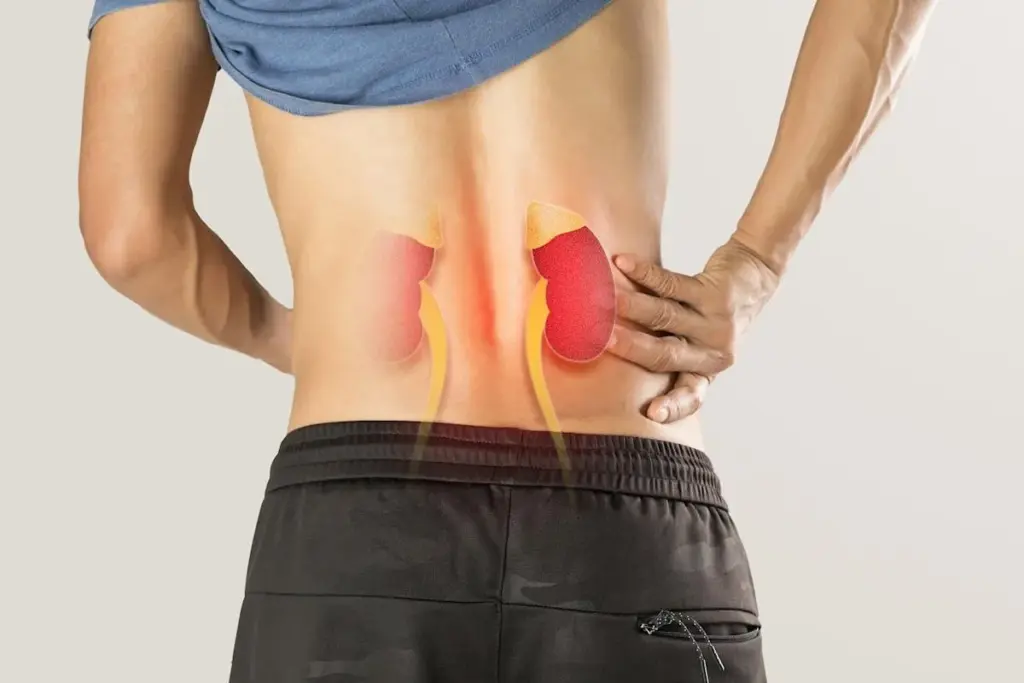
It’s important to know the difference between acute kidney injury and chronic kidney disease. This knowledge helps in treating and recovering from kidney issues. Kidney problems can happen suddenly or slowly over years, affecting millions globally.
Acute kidney injury comes on quickly, often from dehydration or blockages. It can get better with the right care. On the other hand, chronic kidney disease grows slowly, usually from long-term conditions like diabetes. It needs lifelong care.
At Liv Hospital, we help patients understand these complex kidney issues. Our team of experts offers detailed care and support to those with kidney disease.
Explore the key differences between acute and chronic kidney disease, two interconnected conditions affecting millions. Learn about the causes, symptoms, and treatment options for acute vs. chronic kidney failure.
Key Takeaways
- Acute kidney injury is a sudden condition that can often be reversed.
- Chronic kidney disease develops over time and typically requires ongoing management.
- The causes and outcomes of these two conditions differ significantly.
- Understanding the distinction between them is vital for effective treatment.
- Liv Hospital is dedicated to providing comprehensive care for patients with kidney disease.
Understanding Kidney Disease Fundamentals
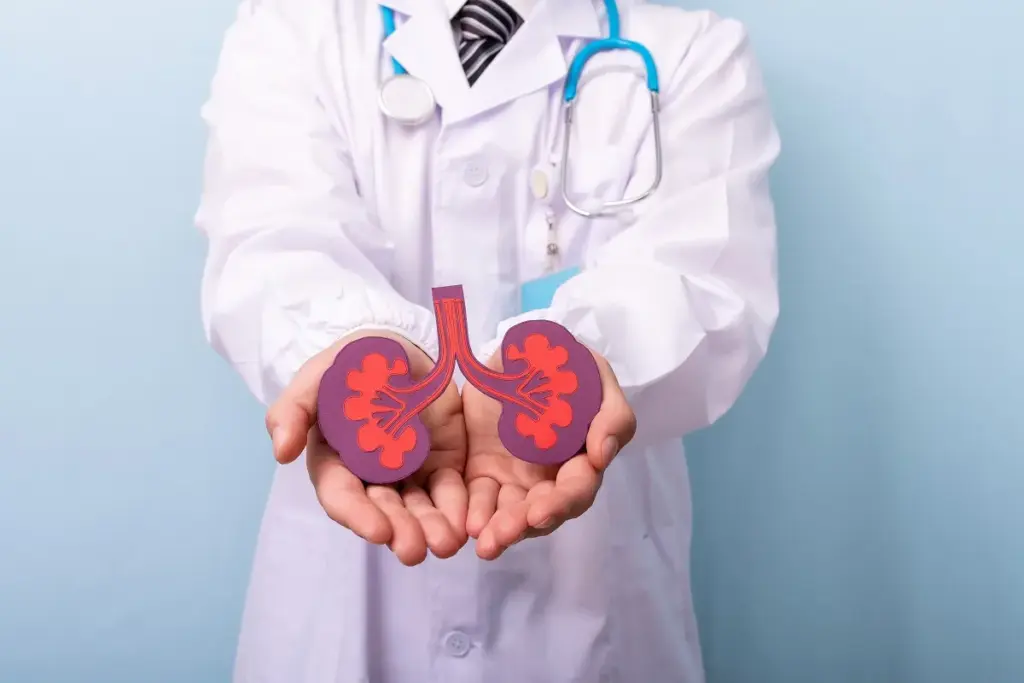
The kidneys are key to our health, and problems with them can cause big issues. It’s important to know how healthy kidneys work.
The Essential Functions of Healthy Kidneys
Healthy kidneys act as our body’s filter. They remove waste and extra fluids through urine. They also keep electrolyte levels balanced and help with acid-base balance. Plus, they make hormones for bone health and red blood cells.
The kidneys filter about 200 liters of blood every day. This keeps our body’s internal environment stable.
A study on kidney function highlights their importance. “The kidneys are vital for keeping the body balanced, and failing them can cause toxin buildup.”
“The kidneys are among the most vital organs in the human body, playing a central role in maintaining the body’s overall health.”
How Kidney Function Deteriorates
Kidney function gets worse in both acute kidney injury (AKI) and chronic kidney disease (CKD). But, AKI happens suddenly and CKD slowly. AKI can be fixed if treated quickly. CKD, caused by diabetes or high blood pressure, gets worse over time.
CKD makes the kidneys lose nephrons, the tiny units that filter waste. This loss makes it harder for the kidneys to filter waste and fluids. Eventually, it can lead to needing dialysis or a kidney transplant.
Knowing the difference between AKI and CKD is key. AKI needs quick action to avoid damage. CKD needs ongoing care to slow its progress.
Acute vs Chronic Kidney Failure: Critical Distinctions
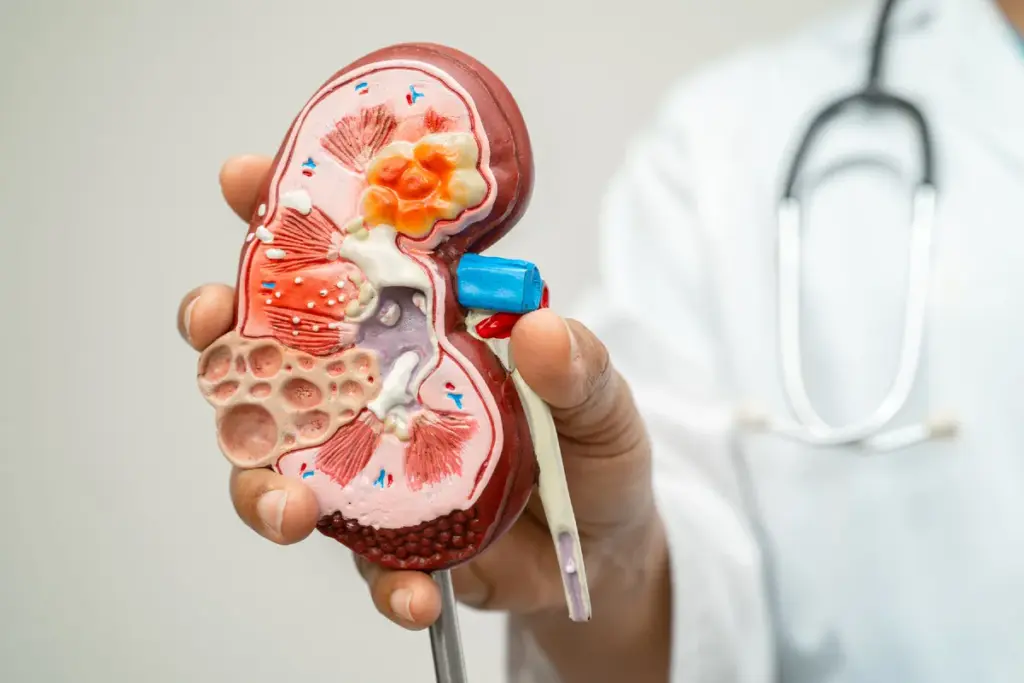
Acute and chronic kidney failure are two different conditions. They have different causes, progressions, and effects on patients. It’s important for doctors to know the differences to give the right care. Patients also need to understand these differences to manage their health.
Acute Kidney Injury: Sudden Onset and Reversibility
Acute kidney injury (AKI) happens suddenly. It can be caused by severe infections, dehydration, or harmful medicines. Quickly finding and treating the cause is key to avoiding long-term damage and possibly fixing the problem. Signs of AKI include less urine, swelling, and imbalances in body salts.
To diagnose AKI, doctors look at lab tests like serum creatinine levels and urine output. Treatment aims to fix the cause, manage fluids and salts, and sometimes use dialysis.
Chronic Kidney Disease: Progressive and Long-term Damage
Chronic kidney disease (CKD) develops slowly over time. It often comes from long-term issues like diabetes, high blood pressure, and kidney inflammation. Early detection and treatment are critical to slow CKD and prevent serious problems. Symptoms in later stages may include tiredness, swelling, and changes in how much urine is made.
CKD is diagnosed by looking at medical history, physical exams, lab tests (like serum creatinine and urine albumin), and sometimes a kidney biopsy. Treatment includes managing underlying conditions, making lifestyle changes, and possibly dialysis or a kidney transplant in severe cases.
Diagnostic Criteria and Detection Methods
Diagnosing AKI and CKD involves checking how well the kidneys work. For AKI, it’s about sudden changes in serum creatinine and urine output. CKD is diagnosed by finding kidney damage markers and a low glomerular filtration rate (GFR) for over three months.
| Characteristics | Acute Kidney Injury (AKI) | Chronic Kidney Disease (CKD) |
|---|---|---|
| Onset | Sudden, often within hours or days | Gradual, over months or years |
| Causes | Severe infection, dehydration, nephrotoxic medications | Diabetes, hypertension, glomerulonephritis |
| Symptoms | Decreased urine output, fluid retention, electrolyte imbalances | Fatigue, swelling, changes in urination (often asymptomatic until late stages) |
| Diagnosis | Laboratory tests (serum creatinine, urine output) | Medical history, laboratory tests (serum creatinine, urine albumin), kidney biopsy |
| Treatment | Address underlying cause, manage fluids and electrolytes, temporary dialysis | Control underlying conditions, lifestyle modifications, dialysis or kidney transplantation in advanced stages |
Conclusion: Managing Kidney Disease and Understanding the Connections
It’s key to know the difference between acute kidney injury (AKI) and chronic kidney disease (CKD). AKI happens suddenly and might get better. CKD, on the other hand, gets worse over time. Studies show AKI and CKD are linked, with CKD making people more likely to get AKI, and AKI possibly leading to CKD.
Handling kidney disease needs a full plan. This includes medicines like ACE inhibitors and statins, and making healthy lifestyle choices. For example, eating right and exercising can help. Also, watching what you eat to keep sodium and other nutrients in check is important. You can learn more about managing CKD on the National Kidney Foundation website.
Knowing how AKI and CKD are connected helps doctors create better plans. This way, they can stop the disease from getting worse and help patients feel better. Managing kidney disease is all about working together to tackle these complex issues.
FAQ
What is the main difference between Acute Kidney Injury (AKI) and Chronic Kidney Disease (CKD)?
AKI is a sudden loss of kidney function. It’s often reversible. CKD, on the other hand, is a gradual loss of function. It’s usually not reversible.
What are the common causes of Acute Kidney Injury?
Dehydration, medication, surgery, and severe illness can cause AKI. These factors lead to a sudden drop in kidney function.
How is Chronic Kidney Disease diagnosed?
Doctors use a patient’s medical history, physical exam, and lab tests to diagnose CKD. Tests include serum creatinine and urine protein. Imaging studies also play a role.
Can Acute Kidney Injury lead to Chronic Kidney Disease?
Yes, AKI can raise the risk of CKD. This is true, even if the person has other health issues.
What are the symptoms of Acute Kidney Injury and Chronic Kidney Disease?
AKI symptoms include less urine, swelling, and tiredness. CKD symptoms are similar but also include changes in urination.
How are Acute Kidney Injury and Chronic Kidney Disease treated?
AKI treatment aims to fix the cause and manage fluids. It also supports kidney function. CKD treatment slows disease progress and manages complications.
Can Chronic Kidney Disease be prevented?
Some CKD risk factors can’t be changed. But managing diabetes, high blood pressure, and obesity can lower the risk.
What is the importance of prompt diagnosis and treatment for Acute Kidney Injury and Chronic Kidney Disease?
Quick diagnosis and treatment are key. They prevent complications, slow disease, and improve health outcomes for AKI and CKD patients.
How do Acute Kidney Injury and Chronic Kidney Disease affect overall health?
Both AKI and CKD can harm overall health. They increase the risk of heart disease, anemia, and other serious issues.
Reference:
https://pubmed.ncbi.nlm.nih.gov/33752866



 Departments
 Related Videos
 Our Doctors
 News
News