At Liv Hospital, we understand the human body’s complex systems. We focus on the role of hematopoietic stem cells (HSCs) in keeping us healthy. These stem cells can turn into different blood cells, like red and white blood cells, and platelets.
Recent breakthroughs in HSC transplantation have made treatments better for those with cancer and immune issues. As a top healthcare provider, we aim to give the best care. We support our patients every step of the way.
Key Takeaways
- Hematopoietic stem cells play a key role in making blood cells.
- HSCs can become many types of blood cells.
- New ways to use HSCs have helped treat many diseases better.
- Liv Hospital is all in for giving top care to patients getting HSC transplants.
- Knowing about HSCs helps us see their big role in health and sickness.
The Definition and Importance of Hematopoietic Stem Cells
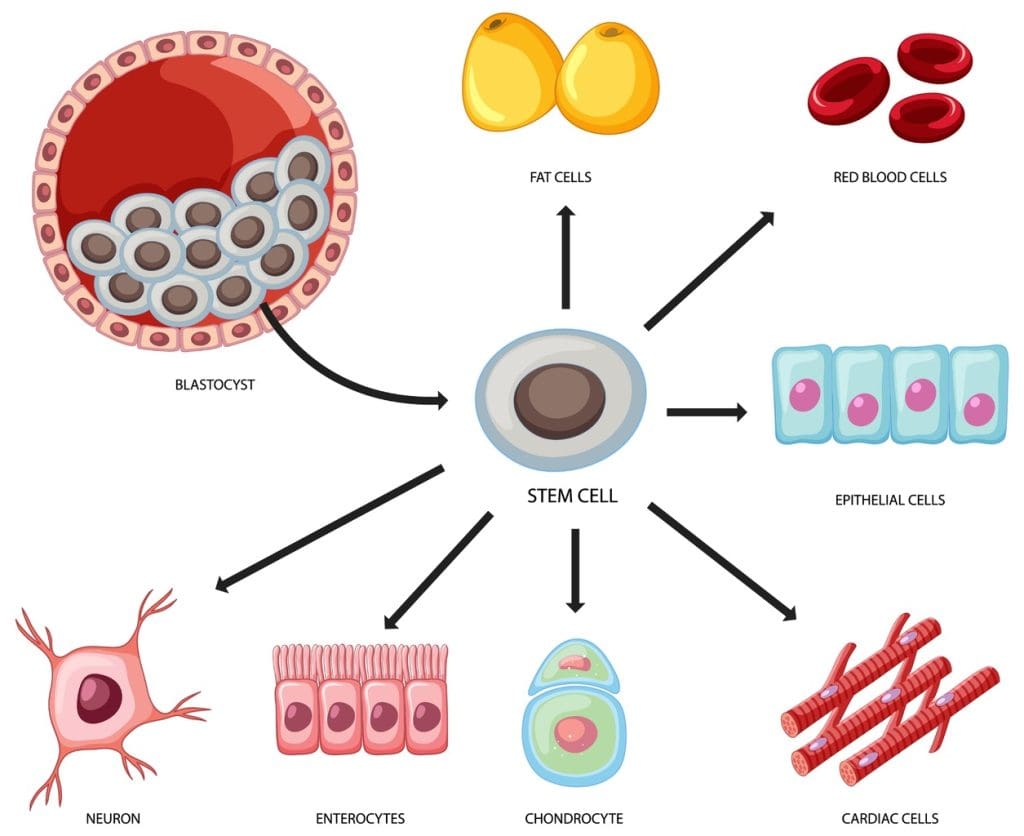
Hematopoietic stem cells are special cells that can turn into different blood cell types. They are key to keeping our blood system healthy throughout our lives.
What Are Hematopoietic Stem Cells?
Hematopoietic stem cells (HSCs) are multipotent stem cells. They can grow into all kinds of blood cells. This includes red blood cells, white blood cells, and platelets. These cells are vital for carrying oxygen, fighting off infections, and stopping bleeding.
The Multipotent Nature of HSCs
HSCs can turn into many different cell types. This is key to making blood cells. It helps our body work right.
The table below shows the different blood cells made from HSCs and what they do:
| Blood Cell Type | Function |
|---|---|
| Red Blood Cells (Erythrocytes) | Transport oxygen throughout the body |
| White Blood Cells (Leukocytes) | Play a key role in the immune system, fighting infections |
| Platelets (Thrombocytes) | Involved in blood clotting, preventing excessive bleeding |
HSCs are very important for our health and fighting diseases. Learning about them helps us find new treatments for blood disorders.
Where Are Hematopoietic Stem Cells Found in the Human Body
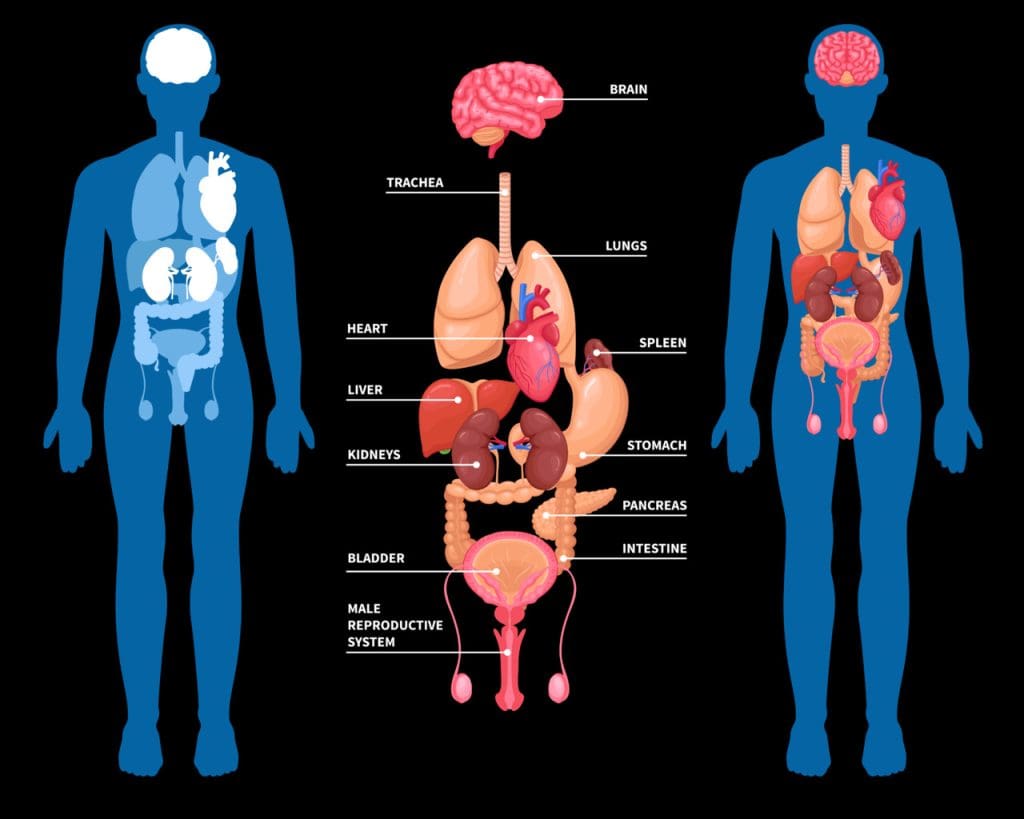
Hematopoietic stem cells live in certain parts of the body. They help make blood cells. Knowing where they are is key to understanding their role and how they can help us.
Bone Marrow as the Primary Source
Bone marrow is the soft tissue inside bones like the hips and thighbones. It’s where most hematopoietic stem cells are found. This area helps these cells grow into different blood cell types.
The bone marrow’s structure allows for the close interaction between HSCs and other cell types, which is essential for their development and function.
Peripheral Blood Sources
Outside of bone marrow, hematopoietic stem cells can also be found in the peripheral blood. But there are fewer of them there. These cells can move from the bone marrow into the blood under certain conditions.
We can take these cells from the blood for medical uses, like stem cell transplants.
Umbilical Cord Blood as a Rich Source
Umbilical cord blood is also a good source of hematopoietic stem cells. After a baby is born, the cord blood is full of these cells. We can save this blood for future medical needs.
Storing cord blood has become a big help for patients needing stem cell transplants. It could save lives.
| Source | Characteristics | Applications |
|---|---|---|
| Bone Marrow | Primary site, rich in HSCs | Stem cell transplants, research |
| Peripheral Blood | Smaller numbers, mobilized HSCs | Stem cell transplants, medical treatments |
| Umbilical Cord Blood | Rich in HSCs, easily collected | Cord blood banking, transplantation |
In conclusion, hematopoietic stem cells are found in bone marrow, peripheral blood, and umbilical cord blood. Each has its own benefits and uses in medicine.
The Hematopoietic Stem Cell Niche: A Specialized Microenvironment
Understanding the HSC niche is key to knowing how HSCs are regulated. The hematopoietic stem cell niche is a complex area in the bone marrow. It supports the growth and upkeep of HSCs.
This niche has many cells and molecules that work together. They control how HSCs behave.
Cellular Components of the Niche
The HSC niche includes osteoblasts, endothelial cells, and other stromal cells. Osteoblasts are important because they make factors that help HSCs stay healthy.
Endothelial cells also play a role. They give out factors that affect how HSCs act.
Molecular Regulators in the Bone Marrow
The bone marrow is full of molecules that affect HSCs. These include cytokines, chemokines, and growth factors like SCF (Stem Cell Factor) and CXCL12.
| Molecular Regulator | Function in HSC Niche |
|---|---|
| SCF | Supports HSC survival and self-renewal |
| CXCL12 | Important for HSC homing and retention |
| Other cytokines and chemokines | Regulate HSC differentiation and proliferation |
How the Niche Controls HSC Behavior
The niche keeps HSCs in balance. It controls their self-renewal, differentiation, and quiescence. This balance is maintained by the cells and molecules in the niche.
Understanding the niche’s role in HSCs can help us find new treatments for blood disorders.
The Process of Hematopoiesis: From Stem Cell to Blood Cell
Hematopoiesis is a complex process. It turns hematopoietic stem cells into different blood cells. This is key for our body’s blood cell needs, like red and white blood cells, and platelets.
Stages of Blood Cell Development
Blood cells start from hematopoietic stem cells. They go through several stages. First, they become progenitor cells, then precursor cells, and end up as mature blood cells.
This process is controlled by many signals. Knowing these stages helps us understand how blood disorders can happen.
Regulatory Factors in Hematopoiesis
Many factors control hematopoiesis. These include growth factors, cytokines, and transcription factors. They help cells grow, differentiate, and survive.
Erythropoietin helps make red blood cells. Granulocyte-colony stimulating factor (G-CSF) boosts neutrophil production. The right balance is key for healthy blood cell production.
The Hematopoietic Hierarchy
The hematopoietic hierarchy shows how cells develop from stem cells to mature blood cells. HSCs are at the top. They can renew themselves and turn into all blood cell types.
As cells move down the hierarchy, they specialize. They become mature blood cells with specific jobs. Knowing this hierarchy helps us understand how to use hematopoiesis for treatments.
Types of Blood Cells Derived From Hematopoietic Stem Cells
Hematopoietic stem cells (HSCs) are key to making blood cells. They create red blood cells, white blood cells, and platelets. These cells are vital for our health.
Red Blood Cells (Erythrocytes)
Red blood cells carry oxygen around the body. They have hemoglobin, which picks up oxygen in the lungs. Red blood cells are essential for oxygen delivery and their production is controlled by erythropoietin.
White Blood Cells (Leukocytes)
White blood cells protect us from infections. They come in different types, each with its own job. White blood cells help fight off many pathogens.
- Neutrophils: Mainly fight bacterial infections.
- Lymphocytes: Important for both cell and humoral immunity.
- Monocytes: Turn into macrophages, which clean up debris and pathogens.
Platelets (Thrombocytes)
Platelets help blood to clot. They stick to injuries and form a plug to stop bleeding. Platelet production is controlled by thrombopoietin, made by the liver and kidneys.
In summary, HSCs make red blood cells, white blood cells, and platelets. Each has a unique role in keeping us healthy. Knowing about these cells helps us understand the hematopoietic system better.
Hematopoietic Stem Cells From Bone Marrow Can Develop Into Various Cell Types
Hematopoietic stem cells (HSCs) are very versatile. They can turn into many different cell types. This is key for making blood cells and keeping our blood healthy.
The Myeloid Pathway
The myeloid pathway is one way HSCs develop. It leads to the creation of myeloid progenitor cells. These cells then become red blood cells, platelets, and some white blood cells like neutrophils and monocytes.
This pathway is vital for making cells that help with oxygen transport, blood clotting, and fighting off infections.
| Cell Type | Function |
|---|---|
| Red Blood Cells | Oxygen Transport |
| Platelets | Blood Clotting |
| Neutrophils | Innate Immunity |
| Monocytes | Mature into Macrophages for Immune Response |
The Lymphoid Pathway
The lymphoid pathway is also important for HSCs. It leads to the creation of lymphocytes, which are key for our immune system. These cells include T cells, B cells, and natural killer (NK) cells.
T cells help fight off infections, B cells make antibodies, and NK cells fight viruses and tumors.
Plasticity of Hematopoietic Stem Cells
HSCs can also change into different types of cells. They can even help fix damaged tissues, though this is being studied more. This shows their promise in regenerative medicine.
In summary, HSCs from bone marrow can become many cell types. They are vital for making blood and helping our immune system. Learning about them helps us find new ways to treat diseases and boost our immune system.
Collection and Isolation of Hematopoietic Stem Cells
Hematopoietic stem cell collection is key in treating blood disorders and cancers. We’ll look at how to collect and isolate HSCs. We’ll also talk about their benefits and uses.
Bone Marrow Harvesting
Bone marrow harvesting is a traditional way to get HSCs. It takes bone marrow from the donor’s hip bone, under anesthesia. Then, the bone marrow is processed to find HSCs.
Key aspects of bone marrow harvesting:
- Involves surgical procedure under anesthesia
- HSCs are extracted directly from the bone marrow
- Can be used for both autologous and allogeneic transplants
Peripheral Blood Stem Cell Collection
Peripheral blood stem cell collection is less invasive than bone marrow harvesting. Donors take medicines to move HSCs into their blood. Then, these cells are collected.
Advantages of peripheral blood stem cell collection:
- Less invasive than bone marrow harvesting
- Faster recovery time for donors
- Can yield a higher number of HSCs
Cord Blood Banking
Cord blood banking collects HSCs from umbilical cord blood after birth. It’s non-invasive and gives a lot of HSCs.
Benefits of cord blood banking:
- Non-invasive collection process
- Rich source of HSCs
- Potential for use in regenerative medicine
Purification Techniques
After collecting, HSCs must be purified for transplantation. Techniques like density gradient centrifugation and immunomagnetic separation are used.
The table below shows the different HSC collection methods and their features:
| Method | Invasiveness | HSC Yield | Recovery Time |
|---|---|---|---|
| Bone Marrow Harvesting | High | Moderate | Longer |
| Peripheral Blood Stem Cell Collection | Low | High | Shorter |
| Cord Blood Banking | Non-invasive | Moderate | N/A |
In conclusion, collecting and isolating HSCs are key in stem cell transplantation. Knowing the different methods and their benefits is important for better treatment results.
Hematopoietic Stem Cell Transplantation: A Life-Saving Therapy
For patients with certain cancers and immune disorders, hematopoietic stem cell transplantation is a hope. This complex procedure uses stem cells to replace damaged ones. It helps patients make healthy blood cells again.
Autologous vs. Allogeneic Transplants
Hematopoietic stem cell transplantation comes in two types: autologous and allogeneic. Autologous transplants use the patient’s own stem cells. These are collected, stored, and then given back after treatment.
Allogeneic transplants use stem cells from a donor. This can help fight cancer but also risks graft-versus-host disease. Choosing the right donor is key to avoid complications.
The Transplantation Process
The process starts with a treatment to prepare the body. This may include chemotherapy and radiation. It’s needed to get rid of the old bone marrow and make room for new cells.
- Stem cell collection: Depending on the type of transplant, stem cells are collected either from the patient (autologous) or a donor (allogeneic).
- Infusion: The collected stem cells are then infused into the patient’s bloodstream, where they migrate to the bone marrow.
- Engraftment: The infused stem cells engraft in the bone marrow, beginning the process of producing new blood cells.
Post-Transplant Recovery and Complications
After the transplant, patients face a tough recovery. They have low blood cell counts. Supportive care, like transfusions, is very important.
Potential complications include:
- Graft-versus-host disease (GVHD)
- Infections due to immunosuppression
- Relapse of the underlying disease
- Organ toxicity from the conditioning regimen
Long-term care is needed to watch for late effects. Despite challenges, this therapy saves lives for many patients with no other options.
Medical Conditions Treated with Hematopoietic Stem Cell Therapy
Hematopoietic stem cell therapy is a new hope for many serious diseases. It uses special cells that can turn into any blood cell type. This helps treat many life-threatening conditions.
Blood Cancers
Blood cancers like leukemia, lymphoma, and multiple myeloma are treated with this therapy. Leukemia is a cancer in the blood or bone marrow. It can be acute or chronic, and stem cell transplants might cure it.
Lymphoma affects the immune system and can be treated with stem cells when other methods fail. Multiple myeloma is a cancer of plasma cells. Stem cell transplants help restore bone marrow function.
Non-Malignant Blood Disorders
This therapy also helps with non-cancerous blood disorders. Aplastic anemia is when the bone marrow can’t make blood cells. Sickle cell disease affects hemoglobin production. Transplants can cure these by replacing bad bone marrow with healthy stem cells.
Immune System Disorders
It’s also being looked at for immune system issues. Autoimmune diseases like multiple sclerosis and systemic lupus erythematosus happen when the immune system attacks the body. Transplants can reset the immune system, stopping disease progression and possibly leading to long-term remission.
Our understanding of hematopoietic stem cell therapy is growing. As research continues, more diseases may be treatable. This brings new hope to those with few treatment options before.
Challenges and Limitations in Hematopoietic Stem Cell Research and Therapy
Hematopoietic stem cell research faces challenges like graft-versus-host disease and finding donors. Despite its promise, there are hurdles to overcome for its full use.
Graft-Versus-Host Disease
Graft-versus-host disease (GVHD) is a big problem in allogeneic hematopoietic stem cell transplantation. It happens when the donor’s immune cells attack the recipient’s body. GVHD can be acute or chronic, affecting people differently.
To fight GVHD, scientists are looking into better matching, stronger immunosuppression, and new treatments. For more on hematopoietic stem cells from bone marrow, check out Liv Hospital.
Finding Suitable Donors
Finding a good donor for hematopoietic stem cell transplantation is key. But, it’s hard because of the need for HLA matching. When a related donor isn’t available, unrelated donors or cord blood can be used.
Long-Term Side Effects
Hematopoietic stem cell transplantation can lead to long-term problems. These include organ issues, secondary cancers, and immune system problems. It’s important to keep an eye on these issues over time.
Ethical Considerations
Using hematopoietic stem cells raises ethical questions. These include donor consent, umbilical cord blood use, and commercialization. It’s vital to tackle these issues to ensure HSC research and therapy are done right.
| Challenge | Description | Potential Solutions |
|---|---|---|
| Graft-Versus-Host Disease | Immune reaction of donor cells against recipient tissues | Improved donor-recipient matching, immunosuppressive regimens |
| Donor Availability | Difficulty finding HLA-compatible donors | Use of unrelated donors, cord blood units |
| Long-Term Side Effects | Organ dysfunction, secondary malignancies, immune disorders | Long-term follow-up care, monitoring, and management |
| Ethical Concerns | Donor consent, use of umbilical cord blood, commercialization | Ethical guidelines, informed consent, regulatory oversight |
Recent Advances and Future Directions in HSC Research
Hematopoietic stem cell research is changing how we treat diseases. It’s bringing new hope to people all over the world. We’re seeing big steps forward in gene therapy, expanding cells outside the body, and using stem cells for personalized care.
Gene Therapy Applications
Gene therapy is a big hope in HSC research. It can fix genetic problems by changing the genes. Clinical trials show it’s working for sickle cell anemia and beta-thalassemia.
“Gene therapy represents a paradigm shift in the treatment of hematological disorders, promising a cure for diseases once thought incurable.”
CRISPR-Cas9 is also making gene editing more precise. This could lead to even more treatments in the future.
Ex Vivo Expansion Techniques
Ex vivo expansion is getting a lot of attention. It lets us grow HSCs outside the body. This is great for patients who don’t have enough cells.
| Technique | Description | Potential Benefits |
|---|---|---|
| Cytokine-based expansion | Uses cytokines to stimulate HSC proliferation | Increases HSC numbers for transplant |
| Co-culture with stromal cells | Involves co-culturing HSCs with supportive stromal cells | Improves HSC survival and growth |
Induced Pluripotent Stem Cells
Induced pluripotent stem cells (iPSCs) are changing stem cell research. iPSCs come from patient cells, making personalized medicine possible.
Personalized Medicine Approaches
Personalized medicine is key in HSC research. It aims to tailor treatments to each patient’s needs. This could make treatments more effective and safer.
We’re heading towards a future where HSC research will be vital. It will help create personalized treatments, improve patient care, and advance hematology.
Conclusion
Hematopoietic stem cells play a key role in our body’s blood system. They can turn into all types of blood cells. This is important for our health and treating diseases.
These cells are found in places like bone marrow, blood, and umbilical cord blood. The process of making blood cells is complex. It involves many cells and molecules working together.
Recent studies have made HSC transplantation more effective. This is a lifesaving treatment for many diseases, like blood cancers and immune disorders.
As we learn more about hematopoietic stem cells, we can create new treatments. The future of HSC research looks bright. It promises better treatments and outcomes for patients.
What are hematopoietic stem cells?
Hematopoietic stem cells (HSCs) are special cells. They can turn into all kinds of blood cells. This includes red blood cells, white blood cells, and platelets.
Where are hematopoietic stem cells found in the human body?
You can find HSCs mainly in the bone marrow. They also exist in peripheral blood and umbilical cord blood.
What is the role of the hematopoietic stem cell niche?
The hematopoietic stem cell niche is a special area. It helps HSCs grow and stay healthy. It does this through different cells and molecules.
What is hematopoiesis?
Hematopoiesis is how HSCs become different blood cells. It’s a complex process with many steps and factors.
What types of blood cells are derived from hematopoietic stem cells?
HSCs can become red blood cells, white blood cells, and platelets. Each type is important for our health.
How do hematopoietic stem cells develop into different cell types?
HSCs from the bone marrow can turn into various cells. They follow different paths, like the myeloid and lymphoid pathways.
How are hematopoietic stem cells collected and isolated?
HSCs are collected and isolated in different ways. This includes bone marrow harvesting, peripheral blood collection, and cord blood banking.
What is hematopoietic stem cell transplantation?
Hematopoietic stem cell transplantation is a treatment. It involves giving HSCs to a patient to cure diseases like cancers and immune disorders.
What medical conditions can be treated with hematopoietic stem cell therapy?
HSC therapy can treat blood cancers, non-malignant blood disorders, and immune system problems. It’s a promising treatment.
What are the challenges and limitations in hematopoietic stem cell research and therapy?
Challenges include graft-versus-host disease and finding donors. There are also long-term side effects and ethical issues. More research is needed.
What are recent advances in hematopoietic stem cell research?
Recent advances include gene therapy and ex vivo expansion. There’s also induced pluripotent stem cells and personalized medicine. These advancements are exciting.
What is the significance of understanding hematopoietic stem cells?
Knowing about HSCs helps us understand their role in health. It also shows their promise in treating diseases. This drives more research and development.
References
- Wikipedia contributors. (2025). Hematopoietic stem cell. In Wikipedia. Retrieved October 11, 2025, from https://en.wikipedia.org/wiki/Hematopoietic_stem_cell
- AABB. (n.d.). Facts about hematopoietic stem cells. Retrieved October 11, 2025, from https://www.aabb.org/blood-