
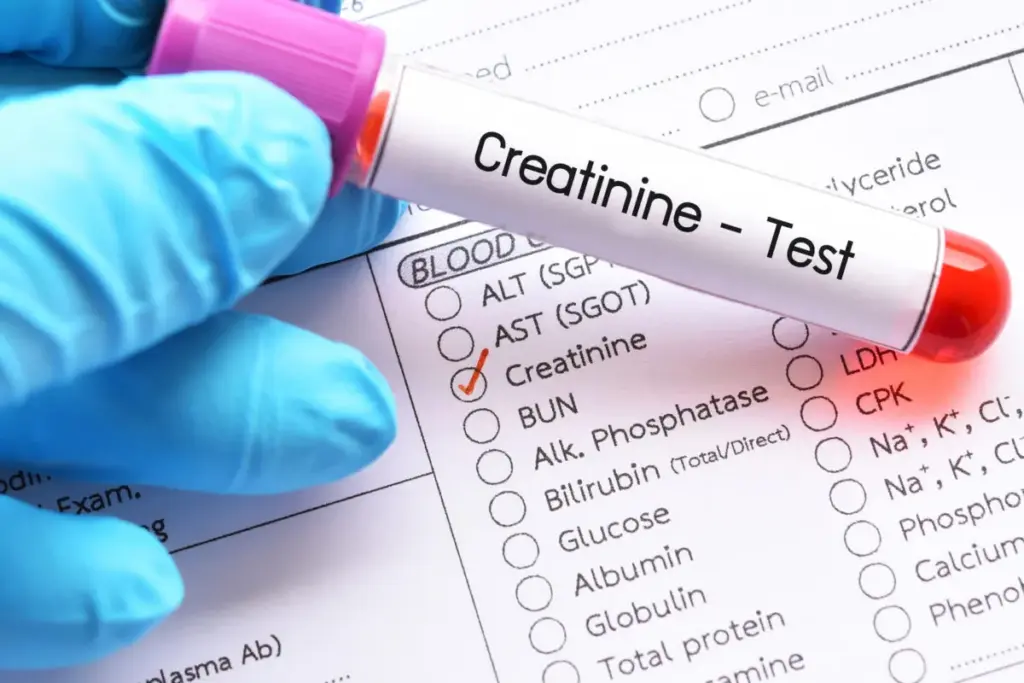
Creatinine Come From creatine phosphate breaks down in your muscles. Understand the source of this waste product and its role in assessing kidney health. Understand the source of this waste product and its role in assessing kidney health. Creatinine is a waste product from muscle breakdown. Our muscles produce it when they metabolize. Then, the kidneys filter it out through urine.
Understanding creatinine levels is key for checking kidney health. High levels can mean kidney trouble. At Liv Hospital, we do detailed tests to spot problems early.
We know how important creatinine is for kidney checks. Knowing about creatinine helps people understand their kidney health better. This way, they can make smart choices about their care.
Key Takeaways
- Creatinine is a waste product produced by muscle metabolism.
- The kidneys filter creatinine from the blood, which is then removed through urine.
- Elevated creatinine levels can indicate kidney problems.
- Comprehensive kidney function assessments are vital for spotting issues.
- Understanding creatinine is essential for making informed medical decisions.
Where Does Creatinine Come From: The Metabolic Pathway
To understand creatinine levels, we need to know its metabolic pathway. Creatinine comes from muscle wear and tear, mainly during energy production.
Creatinine starts with creatine, key for muscle function. Creatine is made mostly in the liver from glycine, arginine, and methionine. This shows how organs work together for muscle health and metabolism.
The Formation of Creatine in the Liver
The liver is key in making creatine. It mixes glycine, arginine, and methionine into creatine through enzyme reactions. This creatine then goes to muscles via the blood.
Conversion to Phosphocreatine in Muscle Tissue
In muscles, creatine turns into phosphocreatine. This high-energy compound quickly refills ATP during intense activities. It’s vital for muscle movement and rest.
Transformation into Creatinine During Muscle Metabolism
When phosphocreatine is used, it breaks down into creatinine. This creatinine goes into the blood and to the kidneys for removal. Its production rate is steady, making it a good kidney function marker.
The table below shows the main steps in creatinine’s metabolic pathway:
| Step | Process | Location |
| 1 | Creatine Synthesis | Liver |
| 2 | Conversion to Phosphocreatine | Muscle Tissue |
| 3 | Breakdown to Creatinine | Muscle Tissue |
Knowing this pathway helps us see how creatinine levels show kidney health and metabolic function.
Normal Creatinine Levels and Kidney Function
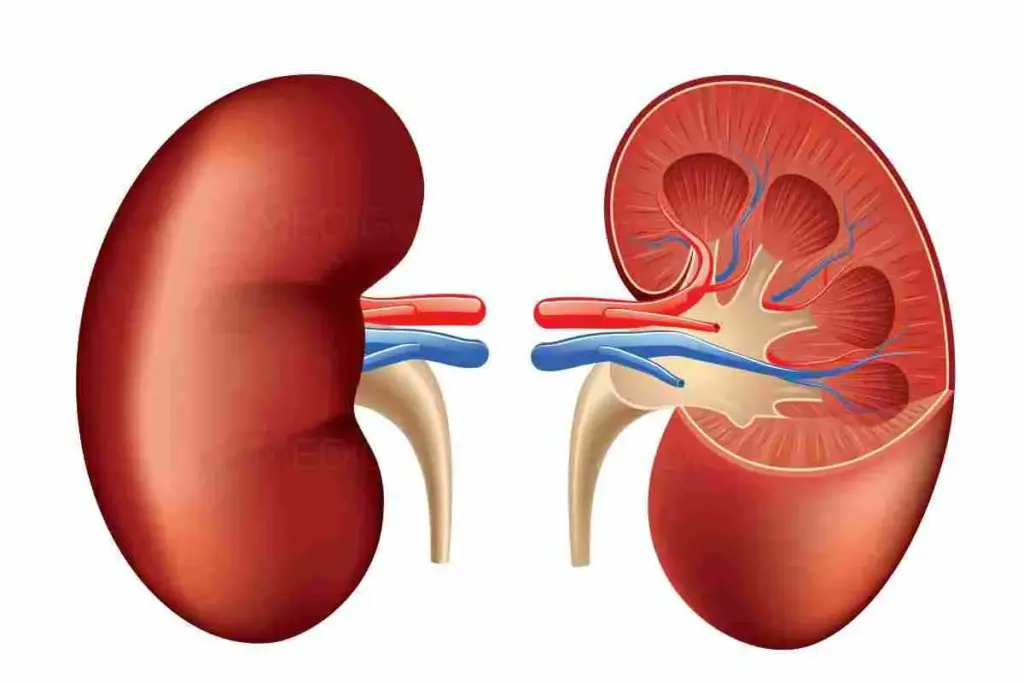
Knowing the normal levels of creatinine in the blood is key to checking kidney health. Creatinine is a waste from muscle wear and tear. The kidneys filter it out. If the kidneys don’t work right, creatinine levels can go up, showing a problem.
Normal creatinine levels change with age, gender, and muscle mass. Men usually have levels between 0.7 to 1.3 mg/dL. Women’s levels are between 0.6 to 1.1 mg/dL. Also, creatinine levels go up with age.
Standard Reference Ranges by Gender and Age
Men produce more creatinine because they have more muscle. On average, men make 150-200 μmol to 200 μmol of creatinine per kilogram of body weight per 24 hours. Women make about 100-150 μmol/kg/24 hours. These numbers help when checking creatinine levels.
Reference ranges for creatinine vary by age and gender. Older adults might have different ranges because of less muscle. Healthcare providers must consider these differences when looking at creatinine levels.
The Glomerular Filtration Process
The kidneys filter waste, like creatinine, through glomerular filtration. This happens in tiny filters in the kidneys. How well this works shows kidney health.
When we talk about kidney function, we often mean the glomerular filtration rate (GFR). GFR shows how well the kidneys filter waste. A lower GFR can mean kidney disease or problems.
Creatinine Clearance and GFR Testing
Creatinine clearance tests how well the kidneys work by measuring creatinine removal. This test, along with GFR testing, gives important kidney health info.
GFR testing estimates the volume of fluid filtered through the glomeruli per unit of time. It’s based on age, gender, and serum creatinine levels. Knowing GFR and creatinine clearance helps doctors diagnose and treat kidney disease.
Understanding High Creatinine Levels
High creatinine levels can mean kidney disease or other health issues. It’s important to know why and what it means for your kidneys.
High creatinine levels mean your blood has too much of it. This can happen for many reasons, like kidney problems, not drinking enough water, or muscle issues.
Kidney Disease and Dysfunction Indicators
Kidney disease is a big worry when creatinine levels go up. The kidneys filter out creatinine from our blood. If they don’t work right, creatinine builds up.
Signs of kidney disease or dysfunction include:
- High creatinine levels that don’t go down
- Other signs of kidney disease, like protein in the urine
- Feeling tired, swelling, or changes in how you pee
Kidney disease can sneak up on you. That’s why regular check-ups are so important.
Non-Renal Factors That Raise Creatinine
But, not all high creatinine levels are because of kidney disease. Other things can raise it too. These include:
- Not drinking enough water, which makes creatinine levels go up
- Muscle damage or diseases that release more creatinine
- Certain medicines that can affect the kidneys or how creatinine is removed
- Pregnancy-related conditions that might affect the kidneys
Knowing about these factors helps us understand what high creatinine levels mean.
Clinical Significance and When to Seek Medical Attention
High creatinine levels are very important to watch. If not treated, they can lead to serious health problems.
See a doctor if you have:
- Long-lasting or severe symptoms of high creatinine
- Changes in how you pee or feeling really tired
- Swelling or other signs of too much fluid
| Creatinine Level Category | Typical Range (mg/dL) | Clinical Implication |
| Normal | 0.6-1.2 | No kidney issues indicated |
| Mildly Elevated | 1.3-1.9 | Possible kidney strain or disease |
| Moderately Elevated | 2.0-2.9 | Kidney dysfunction likely present |
| Severely Elevated | 3.0 or higher | Significant kidney impairment |
Keeping an eye on your creatinine levels and getting medical check-ups is key. It helps manage your levels and find any health problems early.
Conclusion
Knowing how creatinine is made and its link to kidney health is key. Creatinine levels show how well our kidneys are working. It’s important to keep an eye on these levels to spot any kidney problems early.
High creatinine levels might mean kidney disease or failure. Creatine in our kidneys helps make energy, and it turns into creatinine naturally. But, too much creatinine can mean our kidneys aren’t working right. This is why we need to check our levels often and see a doctor if they’re too high.
It’s important to keep our kidneys healthy. Knowing what affects creatinine levels helps us take care of our kidneys. By understanding creatinine and its role in kidney function, we can manage our health better. This way, we can catch any kidney issues early and avoid serious problems.
FAQ:
What is creatinine, and where does it come from?
Creatinine is a waste product from muscle wear and tear. It starts as creatine in the liver. Then, it turns into phosphocreatine in muscles and eventually into creatinine during metabolism.
What are normal creatinine levels, and how do they vary by gender and age?
Normal creatinine levels change based on gender and age. Labs give standard ranges. These ranges help figure out if your creatinine is normal.
What is the significance of creatinine clearance and GFR testing in assessing kidney health?
Creatinine clearance and GFR tests are key for kidney health checks. They show how well kidneys filter waste, like creatinine, from blood. This gives insights into kidney function.
What does a high creatinine level indicate?
High creatinine levels might mean kidney disease or dysfunction. But, dehydration, some meds, or a meaty diet can also increase it.
When should I seek medical attention for high creatinine levels?
If your creatinine is high, see a doctor right away. They’ll check your health and kidneys. Then, they’ll tell you what to do next.
Is creatinine a toxin, and what are its implications for kidney health?
Creatinine is a waste product that builds up if kidneys fail. It’s not a toxin, but high levels suggest kidney problems.
How do kidney disease and dysfunction affect creatinine levels?
Kidney disease or dysfunction can cause high creatinine levels. This is because kidneys filter waste, like creatinine. If they don’t work right, creatinine builds up.
What are some non-renal factors that can raise creatinine levels?
Non-renal factors like dehydration, some meds, or a meaty diet can also increase creatinine. It’s important to think about these when looking at test results.
References:
National Center for Biotechnology Information. Evidence-Based Medical Guidance. Retrieved from https://www.ncbi.nlm.nih.gov/pmc/articles/PMC3581614/



 Departments
 Related Videos
 Our Doctors
 News
News