Hematopoiesis is the key process for making blood cells. It mainly happens in the bone marrow of adults. This includes areas like the pelvis, spine, ribs, sternum, and skull. It’s a complex process that creates all blood cell types from hematopoietic stem cells (HSCs).
At Liv Hospital, we know how important hematopoiesis is for health. Our team is skilled in hematological care. We make sure patients get the right diagnosis and treatment for blood cell issues.
Key Takeaways
- Hematopoiesis is the process of blood cell formation.
- It occurs mainly in the bone marrow of adults.
- Hematopoietic stem cells (HSCs) are key for making all blood cell types.
- Liv Hospital offers expert care for hematopoiesis-related conditions.
- Getting the right diagnosis and treatment is essential for health.
The Fundamental Process of Blood Cell Formation
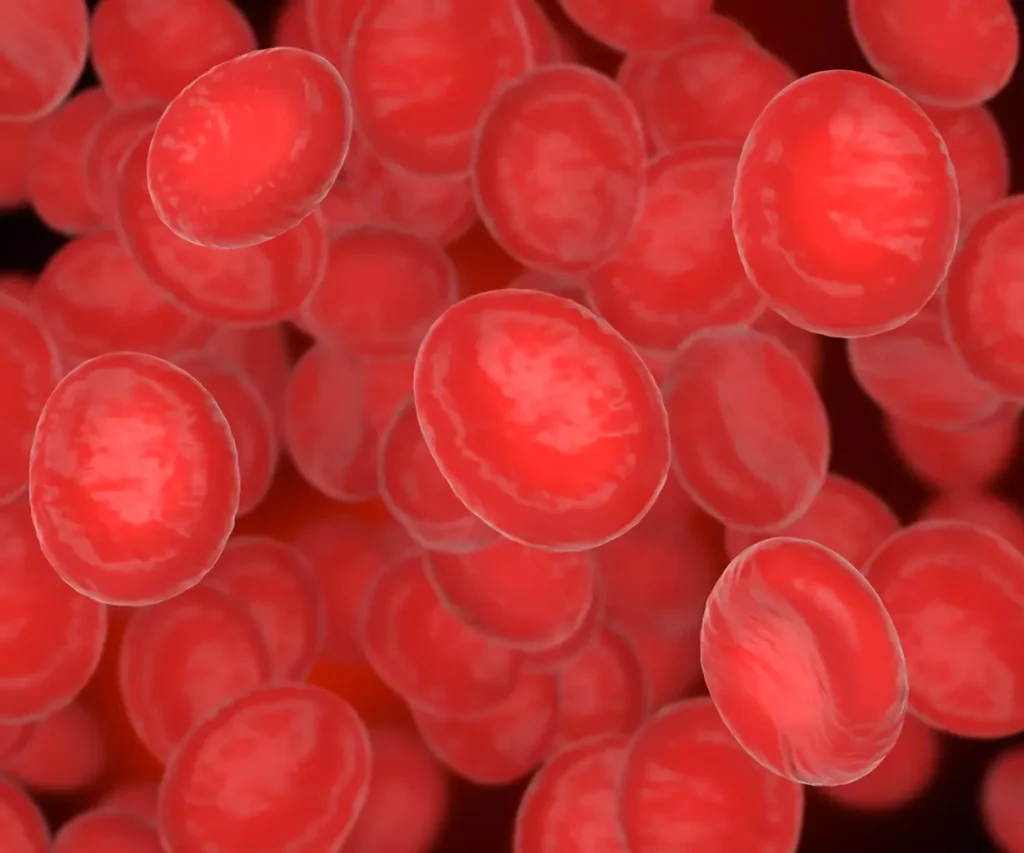
Hematopoiesis is how our bodies make blood cells. It’s a complex process that keeps us alive. It creates all the blood cells we need.
Medical Definition of Hematopoiesis
Hematopoiesis means making all blood cells from special stem cells. It keeps our blood cell count healthy. This process starts before we’re born and never stops.
Hematopoietic stem cells (HSCs) are key. They can make all blood cell types. This is how we keep getting new blood cells all our lives.
Daily Production of Blood Cells
Every day, our bodies make ten billion to a hundred billion new blood cells. This is to replace old or damaged cells. It keeps us healthy.
| Blood Cell Type | Average Daily Production | Function |
|---|---|---|
| Red Blood Cells | 2 million per second | Carry oxygen throughout the body |
| White Blood Cells | Variable, depending on immune response | Play a key role in the immune system |
| Platelets | High production rate, specially after injury | Essential for blood clotting |
Historical Understanding of Blood Formation
Our understanding of blood formation has grown a lot. At first, people thought different organs made blood. But now, we know it mainly happens in the bone marrow in adults.
Finding hematopoietic stem cells was a big step. It helped us understand how blood cells are made. Scientists are always learning more about this process and how diseases affect it.
The Site of Hematopoiesis in the Adult
In adults, hematopoiesis mainly happens in the bone marrow of certain bones. We will look at where this process takes place and what makes these areas special.
Primary Locations in Adult Bone Marrow
In adults, the bone marrow is where hematopoiesis happens. This spongy tissue inside some bones makes blood cells.
The main places for hematopoiesis in adults are the pelvis, spine, ribs, sternum, and skull. These bones have the right environment for making blood cells.
Anatomical Distribution in the Pelvis, Spine, Ribs, Sternum, and Skull
The pelvis, spine, ribs, sternum, and skull are key bones for hematopoiesis. The pelvis and spine are very important because they have a lot of marrow.
- The pelvis is a major site because of its size and marrow content.
- The spine, made up of many vertebrae, offers a big area for hematopoiesis.
- Ribs and the sternum also play a big role in making blood cells.
- The skull, though not as big, also helps with hematopoiesis.
Differences Between Red and Yellow Marrow
Bone marrow is divided into red and yellow types. Red marrow is where blood cells are made.
Red marrow has lots of hematopoietic stem cells and is inside the bones. Yellow marrow, on the other hand, is mostly fat and doesn’t make blood cells.
“Red marrow is responsible for the production of blood cells, while yellow marrow serves as a fat storage site.”
From Embryo to Adult: Changing Sites of Hematopoiesis
Hematopoiesis, or the making of blood cells, moves to different places as we grow. It starts early in the womb and keeps changing until we’re adults.
Fetal Hematopoiesis in the Liver and Spleen
In the womb, blood cell making happens in several spots. First, it’s in the yolk sac. Then, it moves to the liver and spleen. Later, it mainly happens in the bone marrow.
The liver is key in making blood cells in the second trimester. The spleen also helps, but less than the liver.
Research shows the liver is the main place for making blood cells in the womb. It does most of the work until the bone marrow takes over. (Source).
Transition to Bone Marrow During Development
As the fetus grows, blood cell making moves from the liver and spleen to the bone marrow. This shift is almost done by birth. The bone marrow then becomes the main place for making blood cells.
The bone marrow has a special setup for making blood cells. It has different cells and growth factors. This is explained in this article.
Extramedullary Hematopoiesis in Adults
In adults, blood cell making mostly happens in the bone marrow. But, in severe cases like severe anemia or bone marrow failure, it can happen outside the bone marrow. This usually happens in the liver and spleen, like in the womb.
“In cases of bone marrow failure, the liver and spleen can resume their fetal role in hematopoiesis, demonstrating the body’s remarkable flexibility in maintaining blood cell production.”
Hematopoiesis is a complex and well-controlled process. It changes a lot from when we’re embryos to when we’re adults. Knowing about these changes helps us understand how blood cells are made and its importance in health.
Hematopoietic Stem Cells: The Foundation of Blood Formation
Hematopoietic stem cells (HSCs) are key to making blood cells. They live in the bone marrow. There, they help keep the right mix of blood cells in adults.
Properties and Characteristics of HSCs
HSCs have special traits. They can self-renew and differentiate into all blood cell types. This is vital for keeping blood cell balance.
Self-Renewal and Differentiation Capabilities
HSCs can keep their numbers in the bone marrow. They can also turn into different blood cells. This ensures the right amount and type of blood cells are made.
HSCs go through many changes as they develop. They divide and become more specialized. This process is complex but essential for making mature blood cells.
Quiescence and Activation States
HSCs are mostly in a quiescence state. This helps them avoid overgrowth and keeps them ready to work when needed. The switch between being active and dormant is key to their long-term health.
Keeping HSCs in balance is complex. It involves many signals in the bone marrow. Knowing how this works helps us understand blood cell production in adults, where the site of hematopoiesis is the bone marrow.
The Bone Marrow Microenvironment and Specialized Niches
The bone marrow microenvironment is key for blood cell production. It has a complex network of cells and structures. This setup is vital for the growth and work of blood stem cells and their descendants.
Structural Components of the Bone Marrow
The bone marrow has many parts that help with blood cell making. These include:
- Stromal cells: They give physical support and release factors that control blood stem cells.
- Adipocytes: They help store energy and manage the blood cell area.
- Vascular structures: They are important for bringing oxygen, nutrients, and signals.
- Extracellular matrix: It’s made of proteins and other stuff that gives structure and guides cell actions.
Vascular and Endosteal Niches
In the bone marrow, there are special areas for blood stem cells and blood making. The main ones are:
- Vascular niche: It’s around the blood vessels and helps control blood stem cells and their offspring.
- Endosteal niche: Near the bone’s surface, it’s believed to keep blood stem cells healthy.
These niches offer specific environments for each step of blood cell making.
Cellular Interactions Within the Marrow
Cell talks in the bone marrow are key for blood making. These talks involve:
- Direct cell-to-cell contact: Between blood stem cells, stromal cells, and others, shaping cell choices.
- Secretion of cytokines and growth factors: They control the growth, change, and survival of blood cells.
These talks make a lively environment for making blood cells all the time.
The Hematopoietic Hierarchy and Differentiation Pathways
Understanding the hematopoietic hierarchy is key to knowing how blood cells are made and grow. Hematopoiesis is a complex process. It starts with hematopoietic stem cells (HSCs) and ends with mature blood cells. This journey is guided by many molecular mechanisms.
From Stem Cells to Mature Blood Cells
The path from HSCs to mature blood cells has many stages. HSCs can self-renew and turn into all blood cell types. As they move through the hierarchy, they become more specialized.
This ensures a steady supply of blood cells throughout our lives. The process is controlled by many factors, including transcription factors and cytokines.
Multipotent Progenitors and Lineage Commitment
Multipotent progenitors are key in the hematopoietic hierarchy. They can self-renew but are more active than HSCs. As they differentiate, they commit to specific blood cell types.
Lineage commitment is complex, involving specific transcription factors and signals from the bone marrow. These factors guide the cells to their final form.
| Cell Type | Characteristics | Function |
|---|---|---|
| Hematopoietic Stem Cells (HSCs) | Self-renewing, multipotent | Give rise to all blood cell types |
| Multipotent Progenitors | Limited self-renewal, proliferative | Differentiate into lineage-restricted progenitors |
| Lineage-Restricted Progenitors | Commit to specific lineages | Produce mature blood cells of specific lineages |
Molecular Mechanisms Governing Cell Fate Decisions
The process of cell fate decisions in hematopoiesis is complex. It involves transcription factors, epigenetic regulators, and signaling pathways. These ensure HSCs and progenitors differentiate correctly.
Transcription factors are vital in controlling gene expression. They influence cell fate decisions at various stages of hematopoiesis. Problems with these mechanisms can cause blood disorders, showing the importance of understanding the hematopoietic hierarchy.
Blood Cell Lineages and Their Development
Hematopoiesis leads to the creation of different blood cell types, each with its own role. We’ll look into how this complex process makes red blood cells, white blood cells, and platelets.
Erythropoiesis: Red Blood Cell Formation
Erythropoiesis is how red blood cells are made. It starts with hematopoietic stem cells turning into mature erythrocytes. This is key for oxygen delivery across the body.
The journey of erythropoiesis includes stages from proerythroblasts to normoblasts. It ends with the release of reticulocytes into the blood, which then become erythrocytes.
Leukopoiesis: White Blood Cell Production
Leukopoiesis creates white blood cells, essential for our immune system. It’s about hematopoietic stem cells turning into different leukocytes, like neutrophils, lymphocytes, and monocytes.
Each white blood cell type has a special role in fighting infections and diseases.
Thrombopoiesis: Platelet Generation
Thrombopoiesis is how platelets are made. It’s about megakaryocytes, big cells in the bone marrow, turning into platelets that enter the bloodstream.
Platelets are vital for blood clotting and stopping too much bleeding.
| Blood Cell Lineage | Process | End Product |
|---|---|---|
| Erythrocytes | Erythropoiesis | Red Blood Cells |
| Leukocytes | Leukopoiesis | White Blood Cells |
| Thrombocytes | Thrombopoiesis | Platelets |
Knowing these processes helps us understand how hematopoiesis works in adults. It shows why the bone marrow is the main site of hematopoiesis in adults.
Regulation and Control of Hematopoiesis
Hematopoiesis regulation is a complex process. It involves cytokines, growth factors, and more. This ensures the right amount and type of blood cells for health.
Cytokines and Growth Factors
Cytokines and growth factors are key in hematopoiesis. They send signals that help blood cells grow, change, and live. For example, erythropoietin helps make red blood cells. Granulocyte-colony stimulating factor (G-CSF) boosts granulocyte production.
Transcription Factors in Hematopoiesis
Transcription factors are proteins that control gene expression. In blood cell development, they turn genes on or off. Important ones include GATA1 for red blood cells and PU.1 for myeloid cells.
Hormonal Influences and Systemic Regulation
Hormones also play a role in blood cell production. They do so indirectly. For example, thyroid hormone and sex steroids can impact blood cell counts. The body’s systems work together to keep blood cell production in check.
Feedback Mechanisms and Homeostasis
Feedback loops are vital for blood cell balance. They prevent too many or too few blood cells. For instance, when oxygen levels drop, erythropoietin production goes up. When red blood cells increase oxygen levels, erythropoietin production goes down.
In summary, controlling hematopoiesis is complex. It involves cytokines, growth factors, transcription factors, and hormones. Understanding these helps us see how the bone marrow keeps blood cell production in balance.
Conclusion: The Clinical Significance of Hematopoiesis
Knowing where hematopoiesis happens and its medical meaning is key. It’s how blood cells are made, mainly in the bone marrow in adults. This complex process keeps our blood cell counts healthy.
Problems with hematopoiesis can cause diseases like anemia, leukemia, and lymphoma. At Liv Hospital, we focus on this to help diagnose and treat these issues. We use the latest medical tools and knowledge to care for our patients.
Healthcare experts need to know about hematopoiesis to handle blood disorders well. This knowledge helps in making better treatment plans and improving patient results. We aim to give top-notch healthcare and support to our patients from around the world.
FAQ
What is hematopoiesis and where does it occur in adults?
Hematopoiesis is how our body makes blood cells. In adults, it happens mainly in the bone marrow. This is inside bones like the pelvis, spine, ribs, sternum, and skull.
What is the medical definition of hematopoiesis?
It’s the making of blood cells. This includes red blood cells, white blood cells, and platelets. They come from stem cells in the bone marrow.
How does hematopoiesis occur?
It’s a complex process. Hematopoietic stem cells grow and change into different blood cells. This is all controlled by special proteins and genes.
Where does hematopoiesis occur during fetal development?
At first, it happens in the yolk sac. Then, it moves to the liver and spleen. Later, it settles in the bone marrow.
What is the role of hematopoietic stem cells in blood formation?
These stem cells are key to making blood. They can keep making more of themselves and turn into any blood cell type. This keeps our blood supply going all our lives.
What is the difference between red and yellow marrow in terms of hematopoiesis?
Red marrow makes blood cells. Yellow marrow is mostly fat and doesn’t make blood cells. But, it can turn into red marrow if needed.
How is hematopoiesis regulated?
It’s controlled by many factors. These include proteins, growth factors, genes, and hormones. They help blood cells grow, change, and live.
What are the main blood cell lineages produced through hematopoiesis?
The main types are red blood cells, white blood cells, and platelets. These are all made through hematopoiesis.
Can extramedullary hematopoiesis occur in adults?
Yes, it can happen in adults. This is when blood cells are made outside the bone marrow. It often happens in the liver or spleen.
Why is understanding hematopoiesis important for clinical practice?
Knowing about hematopoiesis helps doctors diagnose and treat blood disorders. It’s key for finding new treatments for these diseases.
What is hematopoiesis and where does it occur in adults?
Hematopoiesis is how our body makes blood cells. In adults, it happens mainly in the bone marrow. This is inside bones like the pelvis, spine, ribs, sternum, and skull.
What is the medical definition of hematopoiesis?
It’s the making of blood cells. This includes red blood cells, white blood cells, and platelets. They come from stem cells in the bone marrow.
How does hematopoiesis occur?
It’s a complex process. Hematopoietic stem cells grow and change into different blood cells. This is all controlled by special proteins and genes.
Where does hematopoiesis occur during fetal development?
At first, it happens in the yolk sac. Then, it moves to the liver and spleen. Later, it settles in the bone marrow.
What is the role of hematopoietic stem cells in blood formation?
These stem cells are key to making blood. They can keep making more of themselves and turn into any blood cell type. This keeps our blood supply going all our lives.
What is the difference between red and yellow marrow in terms of hematopoiesis?
Red marrow makes blood cells. Yellow marrow is mostly fat and doesn’t make blood cells. But, it can turn into red marrow if needed.
How is hematopoiesis regulated?
It’s controlled by many factors. These include proteins, growth factors, genes, and hormones. They help blood cells grow, change, and live.
What are the main blood cell lineages produced through hematopoiesis?
The main types are red blood cells, white blood cells, and platelets. These are all made through hematopoiesis.
Can extramedullary hematopoiesis occur in adults?
Yes, it can happen in adults. This is when blood cells are made outside the bone marrow. It often happens in the liver or spleen.
Why is understanding hematopoiesis important for clinical practice?
Knowing about hematopoiesis helps doctors diagnose and treat blood disorders. It’s key for finding new treatments for these diseases.
References
- Leukaemia Foundation. (2024, May 24). The bone marrow and blood formation. Retrieved October 9, 2025, from https://www.leukaemia.org.au/blood-cancer/understanding-your-blood/bone-marrow-and-blood-formation/
- Merck Manuals. (2024, April 1). Formation of blood cells. Retrieved October 9, 2025, from https://www.merckmanuals.com/home/blood-disorders/biology-of-blood/formation-of-blood-cells
- Histology Guide. (n.d.). Hematopoiesis. Retrieved October 9, 2025, from https://histologyguide.com/slidebox/08-hematopoiesis.html