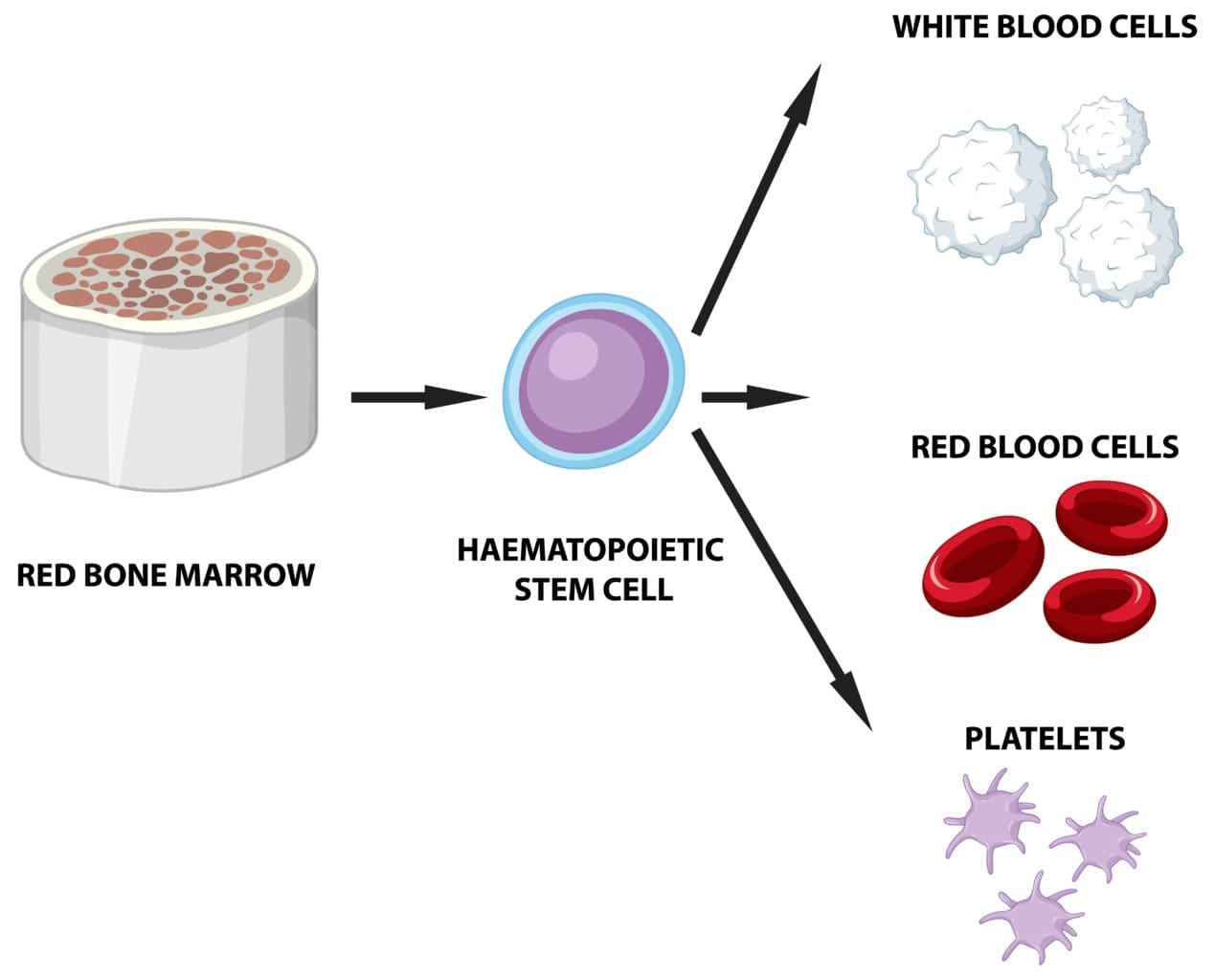
Hematopoietic tissue is key to making blood cells in our bodies. It helps create red blood cells, white blood cells, and platelets. These are vital for our health.
This tissue mainly lives in the bone marrow. It’s where blood cells are made in adults. The spleen and lymph nodes also help. In the womb, the liver and yolk sac are important too.
At Liv Hospital, we know how important this tissue is. Our team works hard to help patients with blood issues.
Key Takeaways
- Hematopoietic tissue is responsible for producing all blood cell types.
- The bone marrow is the primary site of hematopoiesis in adults.
- Other organs, such as the spleen and lymph nodes, also support hematopoietic activity.
- Hematopoietic tissue plays a critical role in the immune system.
- Liv Hospital offers detailed care for blood-related disorders.
Understanding Hematopoietic Tissue: Definition and Basics
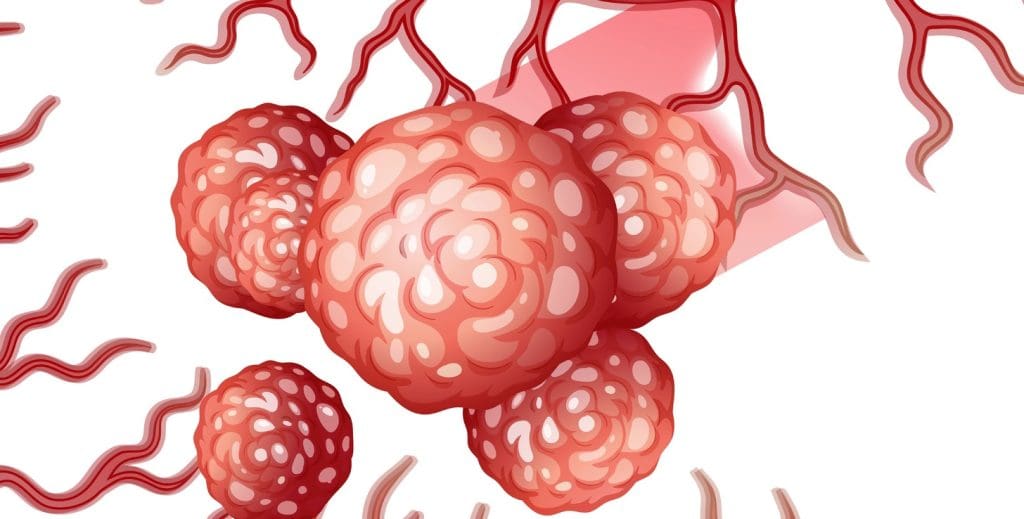
Hematopoietic tissue is at the core of blood cell creation. It’s a special type of tissue that’s very vascular. This allows it to help make different blood cells. Let’s dive into what makes up this tissue and how it works.
What Type of Tissue is Hematopoietic Tissue?
Hematopoietic tissue is a highly vascular connective tissue. It’s made up of blood cells and cells that support them. This mix is key for making blood cells.
The tissue has lots of blood vessels. These vessels bring the nutrients and oxygen needed for blood cell growth.
The cohesin complex is important in this tissue. It helps change the structure of DNA to control how blood cells are made. This is vital for hematopoietic stem cells to create all blood cell types.
The Process of Hematopoiesis Explained
Hematopoiesis is how hematopoietic tissue makes blood cells. It involves hematopoietic stem cells and their environment. Together, they create all blood cell types.
This process is carefully controlled. It ensures the right amount and type of blood cells are made.
- Hematopoietic Stem Cells: These cells can turn into any blood cell type. They’re essential for making blood.
- Microenvironment: The tissue’s cells and structures support hematopoietic stem cells. They help them work right.
- Regulation: Growth factors and cytokines control hematopoiesis. They make sure blood cell production meets our needs.
Knowing about hematopoiesis helps us see how important hematopoietic tissue is. It makes blood cells, which are vital for our health. They help keep our body balanced and help us fight off diseases and injuries.
Hematopoietic Tissue Can Be Found in the Bone Marrow
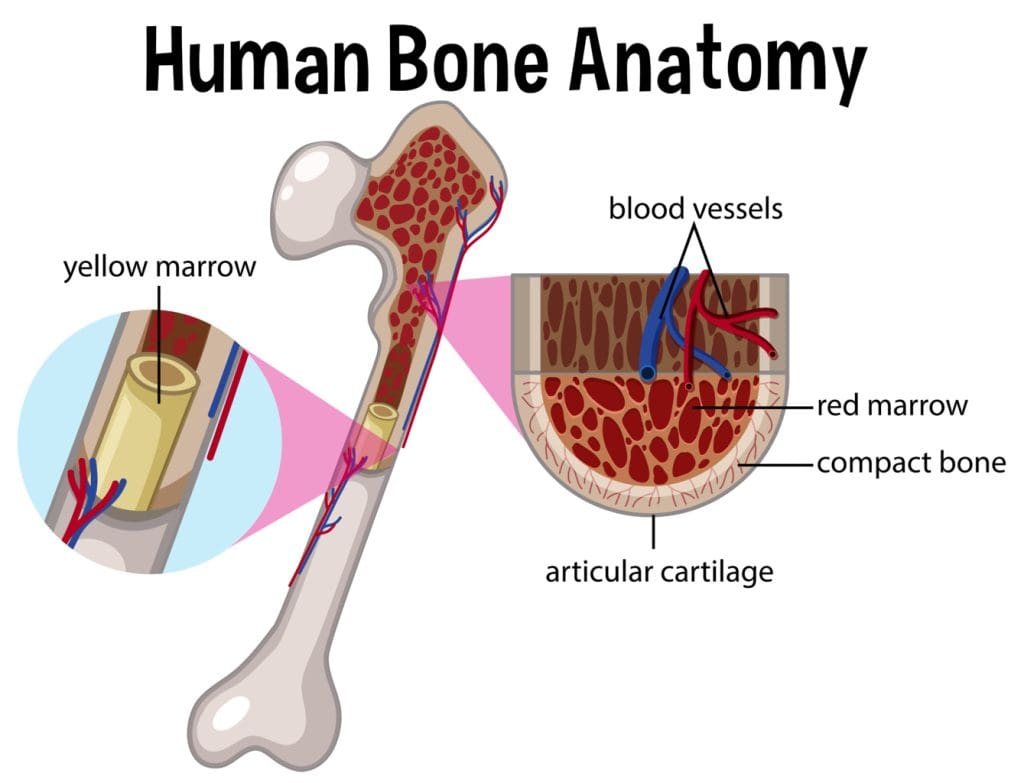
In the adult human body, hematopoietic tissue is mainly found in the bone marrow. It helps make blood cells. The bone marrow is a spongy tissue inside some bones. It’s key for making blood cells.
Red vs. Yellow Bone Marrow
The bone marrow has two types: red and yellow. Red bone marrow is where blood cells are made. In adults, it’s mostly in the pelvis, sternum, vertebrae, and ribs.
Yellow bone marrow is mostly fat. It doesn’t make blood cells. But, it can turn into red marrow if there’s a lot of blood loss.
Bone Marrow Structure and Microenvironment
The bone marrow’s structure and microenvironment are vital for making blood cells. It has a network of blood vessels, including sinusoids. These help with nutrient and waste exchange and moving mature blood cells.
The marrow also has a stromal framework. This includes cells like fibroblasts, osteoblasts, and adipocytes. These cells make growth factors and cytokines. They help control the growth and change of hematopoietic stem cells.
New treatments have made bone marrow transplants safer. This is even with some genetic differences. It has opened up more donor options. And it has helped more patients get the treatment they need.
Adult Locations of Hematopoietic Tissue
Hematopoietic tissue is mainly found in the bone marrow of adults, in certain bones. In adults, the bone marrow is key for making blood cells, a process called hematopoiesis. We will look at the bones with hematopoietic tissue and how it changes with age.
Pelvis and Hip Bones
The pelvis and hip bones are major spots for hematopoietic tissue in adults. They have lots of blood vessels and a big marrow space, perfect for making blood cells. The pelvis is a big player because of its large marrow areas.
Sternum, Vertebrae, and Ribs
Other bones like the sternum, vertebrae, and ribs also have hematopoietic tissue. The sternum, or breastbone, has a lot of red marrow for blood cell production. Vertebrae, the spine bones, have hematopoietic tissue all through adulthood. Ribs, though less, also help with blood cell making.
To show where hematopoietic tissue is in these bones, here’s a table:
| Bone | Presence of Hematopoietic Tissue | Relative Activity |
|---|---|---|
| Pelvis | High | Very Active |
| Sternum | High | Active |
| Vertebrae | High | Very Active |
| Ribs | Moderate | Moderately Active |
Distribution Changes Throughout Adulthood
The place of hematopoietic tissue changes as we get older. At birth, most bone marrow is active (red marrow). But, as we age, some of this red marrow turns into fatty tissue (yellow marrow), mainly in the long bones. Yet, the bones like pelvis, sternum, vertebrae, and ribs keep being active in making blood cells.
It’s important to know these changes for diagnosing and treating blood disorders. As we age, the mix of red and yellow marrow changes. Knowing where the active tissue is helps in checking bone marrow function and health.
Developmental Sites of Hematopoietic Tissue
The journey of making blood starts early in a fetus’s life. It happens in several places before it settles in the bone marrow. Knowing these places helps us understand how blood cell production changes from the start to birth.
Fetal Liver as a Hematopoietic Organ
The liver is key in making blood in a fetus. It takes over from the yolk sac and keeps making blood until the bone marrow is ready. The fetal liver makes red blood cells, white blood cells, and megakaryocytes. These cells are vital for the fetus’s oxygen, immune system, and blood clotting.
Yolk Sac in Early Development
The yolk sac starts making blood early in an embryo’s life. It does this before the embryo even implants in the uterus. The yolk sac’s role in making blood is short but very important. As the embryo grows, blood-making moves to other places.
“The yolk sac is the first site of hematopoiesis, initiating the production of blood cells that will eventually support the embryo’s growth and development.”
Transition to Bone Marrow During Development
As the fetus grows, blood-making moves from the liver to the bone marrow. This change is complex, with stem cells moving to the bone marrow. By birth, the bone marrow is the main place for making blood, taking over from the liver and yolk sac.
Learning about where blood is made in a developing fetus is very interesting. It shows how blood-making changes and adapts to the growing embryo’s needs.
Secondary Hematopoietic Organs
Other organs help with blood cell production, aside from the bone marrow. These secondary organs are key when the bone marrow is stressed or damaged. They support blood cell production and immune function.
Spleen: Structure and Hematopoietic Function
The spleen filters blood and stores red blood cells. It also helps the immune system by making antibodies and removing pathogens. In adults, it’s not the main place for blood cell production. But, it can start producing blood cells again in some diseases.
The spleen has red and white pulp. The red pulp filters blood, and the white pulp is full of immune cells. This setup helps the spleen with both blood cell production and immune responses.
Lymph Nodes and Lymphatic Tissue
Lymph nodes are important in the lymphatic system. They filter lymph fluid and have immune cells. While not main sites for blood cell production, they help make lymphocytes, which fight infections.
Lymph nodes are found in the neck, armpits, and groin. They play a big role in fighting infections and can get bigger when the body is fighting off an infection.
Extramedullary Hematopoiesis in Disease States
Extramedullary hematopoiesis is when blood cells are made outside the bone marrow. This happens in organs like the spleen and liver. It’s a response to conditions like bone marrow failure or chronic anemia.
Secondary organs can start making blood cells when needed. This shows how the body adapts to keep blood cell production going. Knowing about extramedullary hematopoiesis helps doctors diagnose and treat related conditions.
| Organ | Primary Function | Hematopoietic Role |
|---|---|---|
| Spleen | Filtering blood, immune responses | Extramedullary hematopoiesis in disease states |
| Lymph Nodes | Filtering lymph, immune responses | Production of lymphocytes |
| Liver | Metabolic functions, detoxification | Extramedullary hematopoiesis in disease states |
Histology of Hematopoietic Tissue as Specialized Connective Tissue
Hematopoietic tissue is a special type of connective tissue. It’s found in the bone marrow and helps make blood cells. This process is called hematopoiesis.
This tissue has a complex structure. It has a lot of blood vessels and a supportive framework. These are key to its function.
Vascular Nature of Hematopoietic Tissue
Hematopoietic tissue is known for its rich blood supply. Blood vessels bring it the nutrients and oxygen it needs. They also help deliver hematopoietic stem cells to the bloodstream.
A leading hematologist said, “The vascular sinusoids in the bone marrow provide a unique environment for the maturation and release of blood cells into the circulation.” This shows how vital the vascular part is.
Stromal Framework and Support Cells
The stromal framework is key for blood cell production. It’s made of reticular cells and fibers. This creates a good environment for making blood cells.
Stromal cells, like fibroblasts and osteoblasts, help control blood cell production. They do this by making growth factors and cytokines. This teamwork is essential for the tissue to work right.
| Stromal Cell Type | Function |
|---|---|
| Fibroblasts | Produce extracellular matrix components |
| Adipocytes | Regulate energy metabolism and produce adipokines |
| Osteoblasts | Involved in bone formation and regulation of hematopoiesis |
Microscopic Identification of Hematopoietic Tissue
Looking at hematopoietic tissue under a microscope shows its rich cellularity. It has a complex network of blood vessels. You can see blood cells at different stages of development.
Its unique structure is closely tied to its function. Knowing about these features helps us understand its role in health and disease.
The Medical Role of Hematopoietic Tissue in Blood Cell Production
The hematopoietic tissue is key in making the different blood cells we need. Hematopoietic stem cells in this tissue can turn into any blood cell type. This is important for keeping our blood cells healthy.
Hematopoietic Stem Cells and Their Undifferentiated Nature
Hematopoietic stem cells are undifferentiated cells. They can grow and change into all blood cell types. This is vital for making new blood cells all our lives.
These stem cells live in the bone marrow. Here, they get support from a special environment. This environment helps them grow and stay healthy. Their ability to replace blood cells is key to our health and fighting off diseases.
Regulation of Blood Cell Formation
Making blood cells is a carefully controlled process. It involves growth factors and cytokines. These help make sure the right number of blood cells are made.
Erythropoietin helps make red blood cells. Granulocyte-colony stimulating factor (G-CSF) helps make certain white blood cells. This balance is important for our health.
Maintaining Homeostasis in the Bloodstream
Keeping the blood balanced is vital for our health. It makes sure our tissues get what they need. Hematopoietic tissue is key in this by making blood cells as needed.
The process of making blood cells is complex. It involves stem cells, their environment, and many factors. Understanding this is important for treating blood disorders and helping patients.
Oxygen Transport: Red Blood Cell Production in Hematopoietic Tissue
The creation of red blood cells, or erythropoiesis, is a complex process. It happens in hematopoietic tissue. This process is key for keeping the body’s oxygen levels up, as red blood cells carry oxygen to tissues.
Erythropoiesis starts with hematopoietic stem cells turning into mature red blood cells. This process is controlled by many factors. One important factor is erythropoietin, a hormone made by the kidneys.
Erythropoiesis Process and Stages
Erythropoiesis goes through several stages. It starts with hematopoietic stem cells and moves through different stages until it forms mature red blood cells. The main stages are:
- Proerythroblast: The first stage in the erythropoietic lineage.
- Basophilic erythroblast: Has a lot of RNA, making it very basophilic.
- Polychromatophilic erythroblast: Shows a mix of basophilic and eosinophilic staining.
- Orthochromatic erythroblast: The last stage before it loses its nucleus.
- Reticulocyte: Immature red blood cells in the circulation.
- Erythrocyte: Mature red blood cells.
Erythropoietin and Other Regulatory Factors
Erythropoietin is a key player in erythropoiesis. It’s made by the kidneys in low oxygen levels. It helps the growth and development of red blood cells. Other factors that affect erythropoiesis include:
- Iron is needed for hemoglobin production.
- Vitamin B12 and folate are needed for DNA creation.
- Hormones like testosterone and thyroxine can also affect it.
Clinical Significance of Red Blood Cell Disorders
Problems with red blood cell production can be serious. For example, anemia means not enough red blood cells, leading to less oxygen for tissues. On the other hand, polycythemia means too many red blood cells, which can make blood thicker and increase the risk of blood clots.
Understanding erythropoiesis and how it’s regulated is key for diagnosing and treating red blood cell disorders. We need to know how different factors affect erythropoiesis to find good treatments.
Immune Function: White Blood Cell Formation in Hematopoietic Tissue
The immune system fights off pathogens with white blood cells from hematopoietic tissue. These cells are key to our defense, helping us fight infections and diseases.
Types of White Blood Cells Produced
Hematopoietic tissue makes many white blood cells, each with its own job. There are neutrophils, lymphocytes (B cells and T cells), monocytes, eosinophils, and basophils. Each type helps in different ways, like killing pathogens or supporting other immune functions.
Leukopoiesis Process and Regulation
Leukopoiesis is how white blood cells are made. It starts with hematopoietic stem cells turning into different leukocytes. This process is controlled by cytokines and growth factors, making sure we have the right cells at the right time.
Keeping leukopoiesis in check is key for a healthy immune system. Cytokines like G-CSF and GM-CSF help make specific white blood cells.
Role in Innate and Adaptive Immunity
White blood cells are vital for both innate immunity and adaptive immunity. Neutrophils and monocytes/macrophages fight infections right away. Lymphocytes, on the other hand, provide long-term protection.
Creating white blood cells is essential for our body’s defense. Learning about leukopoiesis and white blood cell functions helps us understand immune disorders and how to treat them.
Hemostasis: Platelet Production in Hematopoietic Tissue
Thrombopoiesis, or platelet production, is key for hemostasis. Hemostasis is stopping bleeding. It includes many steps, like making platelets.
Megakaryocytes and Thrombopoiesis
Megakaryocytes make platelets through thrombopoiesis. These big cells are in the bone marrow. They change a lot as they grow, then release platelets into the blood.
Thrombopoiesis is tightly controlled. It needs many growth factors and cytokines to work. Thrombopoietin is a major player, helping megakaryocytes grow and mature.
Regulation of Platelet Production
Platelet production is complex. It involves many factors. Thrombopoietin, along with other cytokines and growth factors, is key. They help megakaryocytes develop and release platelets.
Knowing how platelet production is regulated helps us understand how the body deals with changes. This includes when there’s bleeding or inflammation.
Function in Clotting and Wound Healing
Platelets are vital for clotting and healing wounds. When a blood vessel gets hurt, platelets stick to it. They clump together to form a plug, stopping the bleeding.
Creating a strong clot needs platelets and the coagulation cascade. This is a series of chemical reactions. It makes fibrin, which holds the clot together.
In short, making platelets in hematopoietic tissue is essential for hemostasis. Learning about thrombopoiesis and its control helps us see how the body keeps blood vessels strong and heals injuries.
Pathologies and Disorders of Hematopoietic Tissue
Hematopoietic tissue can face many disorders, like bone marrow failure and blood cancers. These issues affect blood cell production, causing health problems. It’s key to know about these conditions to find good treatments.
Bone Marrow Failure Syndromes
Bone marrow failure syndromes happen when the bone marrow can’t make blood cells. This leads to anemia, infections, and bleeding disorders. Toxins, some medicines, and viruses can cause it.
Aplastic anemia is a severe form where the bone marrow stops making new blood cells. Treatment depends on the cause and how bad it is. It can range from supportive care to bone marrow transplants.
Hematologic Malignancies
Hematologic malignancies are cancers of the blood, bone marrow, and lymph nodes. They include leukemia, lymphoma, and multiple myeloma. Thanks to new treatments, more people are surviving these diseases.
These cancers start with genetic changes that mess up cell control. Things like environment and genes can increase the risk.
Diagnostic Approaches and Treatment Options
Doctors use tests and biopsies to find these disorders. Treatment varies based on the condition. It might include medicines, transfusions, or bone marrow transplants.
| Condition | Diagnostic Approaches | Treatment Options |
|---|---|---|
| Bone Marrow Failure Syndromes | Bone marrow biopsy, Blood tests | Supportive care, Immunosuppressive therapy, Bone marrow transplantation |
| Hematologic Malignancies | Biopsy, Imaging studies, Genetic testing | Chemotherapy, Radiation therapy, Targeted therapy, Bone marrow transplantation |
It’s vital to understand these diseases to help patients. New ways to diagnose and treat are making a big difference.
Conclusion: The Essential Role of Hematopoietic Tissue in Human Health
Hematopoietic tissue is key to keeping us healthy by making blood cells all our lives. It creates red blood cells, white blood cells, and platelets. These are vital for carrying oxygen, fighting off infections, and stopping bleeding.
The cohesin complex and other regulatory mechanisms are vital for hematopoietic stem cells. They help blood cells develop and mature correctly. Knowing about hematopoietic tissue’s locations, functions, and disorders is important. It helps us understand its role and manage diseases related to it.
Hematopoietic tissue is found in places like the bone marrow, spleen, and lymph nodes. Its importance to our health is huge. Research into its functions and disorders is essential for finding new treatments and therapies.
In short, hematopoietic tissue is vital for our health. Its role in making blood cells and supporting the immune system makes it a key area of study in medicine.
What is hematopoietic tissue?
Hematopoietic tissue is a special type of connective tissue. It is full of blood vessels. This helps it make different blood cells.
Where is hematopoietic tissue found in adults?
Adults have hematopoietic tissue in their pelvis, sternum, vertebrae, and ribs. The bone marrow is the main place for making blood cells.
What is the role of hematopoietic tissue in the body?
It’s key for making blood cells like red and white blood cells, and platelets. It also helps the immune system work right.
What is hematopoiesis?
Hematopoiesis is how blood cells are made. It involves stem cells and their helpers. It’s a complex process.
How does hematopoietic tissue change with age?
As we get older, where hematopoietic tissue is can change. Knowing this helps doctors diagnose and treat blood disorders.
What is the significance of red bone marrow in hematopoiesis?
Red bone marrow is where blood cells are made. It has stem cells and helpers that make blood cells.
Can other organs be involved in hematopoiesis beside the bone marrow?
Yes, organs like the spleen and lymph nodes can help make blood cells. This happens when the bone marrow can’t keep up, called extramedullary hematopoiesis.
What are some disorders associated with hematopoietic tissue?
Hematopoietic tissue can get sick. This includes bone marrow failure and blood cancers like leukemia.
How is hematopoietic tissue regulated?
Keeping blood cell production in balance is important. It involves special factors like erythropoietin and thrombopoietin.
What is the importance of understanding hematopoietic tissue?
Knowing about hematopoietic tissue helps us understand its role in health. It’s key for managing diseases related to blood cells.
References
- Wikipedia contributors. (2025). Haematopoietic system. In Wikipedia. Retrieved October 11, 2025, from https://en.wikipedia.org/wiki/Haematopoietic_system
- RN. (n.d.). Clinical insights: The hematopoietic system. RN. Retrieved October 11, 2025, from https://www.rn.com/blog/clinical-insights/hematopoietic-system/
- Chapman, J., & Zhang, Y. (2023, May 1). Histology, Hematopoiesis. In StatPearls [Internet]. StatPearls Publishing. https://www.ncbi.nlm.nih.gov/books/NBK534246/
- National Cancer Institute. (n.d.). Hematopoietic tissue [Definition]. In NCI Dictionary of Cancer Terms. Retrieved October 11, 2025, from https://www.cancer.gov/publications/dictionaries/cancer-terms/def/hematopoietic-tissue