Did you know scientists can turn adult cells into induced pluripotent stem cells (iPSCs)? This change is big for regenerative medicine. It’s opening new doors for medical research and treatments.
Companies like Century Therapeutics are leading in iPSC-derived therapies. They’re working on treatments for many diseases. Learning about pluripotent stem cells and their uses could change healthcare a lot.
Key Takeaways
- Researchers can reprogram adult cells into iPSCs.
- iPSCs have the power to change regenerative medicine.
- Century Therapeutics is making iPSC therapies.
- Understanding pluripotent stem cells can unlock new healthcare possibilities.
- iPSC-based treatments offer promising solutions for various diseases.
The Fundamentals of Stem Cells
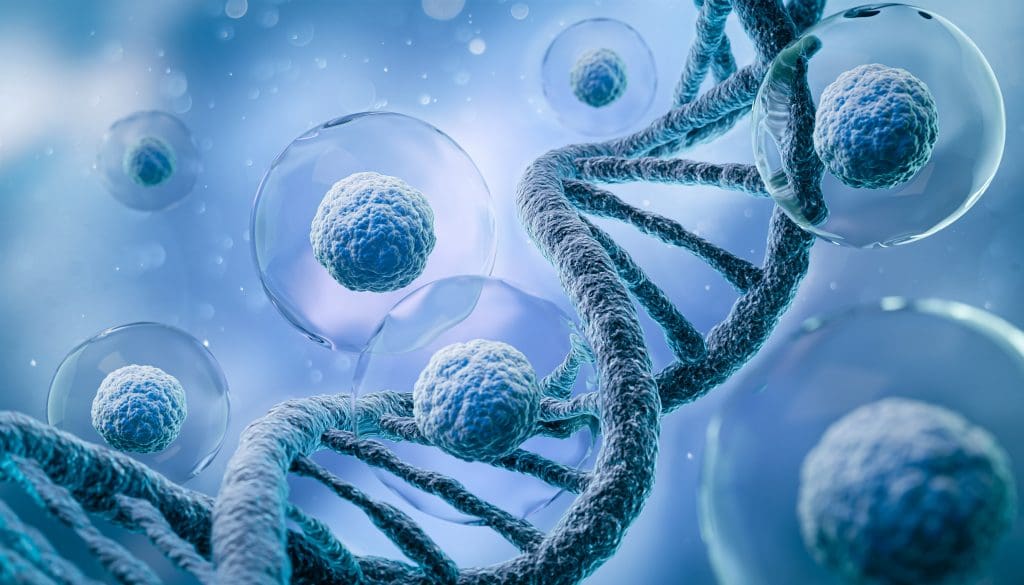
Stem cell research focuses on what makes these cells special. Stem cells can turn into different types of cells. They act like a body repair system.
Defining Characteristics of Stem Cells
Stem cells can self-renew and differentiate into specialized cells. Self-renewal means they can divide to make more stem cells. Differentiation is when they turn into specific cells, like nerve or muscle cells.
Their ability to change into different cells is controlled by many factors. These include the cell’s genes and signals from its environment.
The Stem Cell Hierarchy
The stem cell hierarchy sorts stem cells by their ability to become different cells. At the top are totipotent stem cells. They can form a complete organism.
Pluripotent stem cells can turn into almost any cell type, but not a complete organism. Then there are multipotent stem cells. They can become multiple cell types, but only in a specific lineage or tissue. At the bottom are unipotent stem cells. They can only turn into one cell type.
What Makes Pluripotent Stem Cells Special
Pluripotent stem cells are unique because they can turn into many different cell types. They can become any type of body cell, which is very useful for research and treatments.
Defining Pluripotency
Pluripotency means a stem cell can become any of the three main cell layers: ectoderm, endoderm, and mesoderm. This lets them create many cell types, like neurons and muscle cells.
Pluripotency is marked by certain genes and proteins. These help scientists find and study these special stem cells.
Pluripotent vs. Other Stem Cell Types
Pluripotent stem cells are different from other stem cells. While other stem cells can only make a few types of cells, pluripotent stem cells can make any cell type.
- Totipotent stem cells can form a whole organism.
- Pluripotent stem cells can form all cell types in an organism.
- Multipotent stem cells are limited to certain lineages.
Markers of Pluripotency
There are several markers for finding pluripotent stem cells, including:
- Genes like Oct4 and Nanog.
- Surface proteins such as SSEA-3 and SSEA-4.
- Enzymes like alkaline phosphatase.
These markers are key for figuring out if stem cells are truly pluripotent. This is true for both embryonic stem cells and induced pluripotent stem cells (iPSCs).
Natural Sources of Pluripotent Stem Cells
During pluripotent stem cells are naturally present in embryonic development. This is a critical period. The embryo divides several times, and the cells stay undifferentiated. They can become any cell type in the body.
Embryonic Development Stages
The first time pluripotent stem cells are found is during blastocyst formation. This happens about 5-6 days after fertilization. The inner cell mass of the blastocyst is where these cells come from.
As development goes on, the time to get these cells is short. This makes timing very important.
Isolation Techniques
To get embryonic stem cells, several methods are used. The most common is taking cells from the inner cell mass of blastocysts. This process needs careful handling to keep the cells’ pluripotency.
Techniques like immunosurgery or mechanical dissection are used to get the inner cell mass. Then, the cells are grown in conditions that help them stay pluripotent.
Limitations of Natural Sources
While natural sources of stem cells are valuable, there are big challenges. Using embryos raises ethical issues, and there are not many embryos for research. Also, getting stem cells from embryos is hard and not always works.
These problems have led to looking for other sources, like induced pluripotent stem cells. Understanding these challenges is key to moving stem cell research forward.
Embryonic Stem Cells: The Traditional Source
Embryonic stem cells come from early-stage embryos. They have the power to turn into any cell type. This makes them very useful for research and possible treatments.
Derivation Methods from Embryos
To get embryonic stem cells, we start with cells from the inner cell mass of an embryo. Key derivation methods include:
- Mechanical dissection of the embryo
- Enzymatic dissociation using trypsin or other enzymes
- Immune-surgical techniques to isolate the inner cell mass
These steps need great care to keep the stem cells alive and able to grow into different cell types.
Properties and Characteristics
Embryonic stem cells have special traits that make them great for research and possible treatments. Some of these traits include:
- The ability to self-renew indefinitely
- Pluripotency, allowing differentiation into any cell type
- Expression of specific markers such as Oct4, Sox2, and Nanog
These traits are key for their use in studying development and regenerative medicine.
Cultivation Requirements
To keep embryonic stem cells from turning into other cell types, we need to create the right environment. This includes:
- Culture media with growth factors like bFGF
- Feeder layers, such as mouse embryonic fibroblasts, or feeder-free conditions with the right matrix support
- Regular passaging to prevent differentiation and keep the cells healthy
Getting these conditions just right is essential for growing embryonic stem cells successfully.
Induced Pluripotent Stem Cells
In 2006, a major breakthrough in stem cell biology happened. This was the year induced pluripotent stem cells (iPSCs) were discovered. It changed the field forever.
The 2006 Breakthrough Discovery
The discovery of iPSCs was a big deal. It showed that adult cells could be turned into a pluripotent state, like embryonic stem cells. Shinya Yamanaka and his team led this breakthrough.
They found that by adding specific factors to adult cells, these cells could become many different types. This was a big change from thinking cells could only become one type.
Yamanaka Factors
The factors found by Yamanaka, known as Yamanaka factors, are key for making iPSCs. These include Oct4, Sox2, Klf4, and c-Myc. They help adult cells go back to a pluripotent state.
When these factors are added to adult cells, they start a series of molecular changes. This leads to the creation of iPSCs. This method has become popular in stem cell research.
How iPSCs Revolutionized Stem Cell Research
iPSCs have opened up new ways for stem cell research and its uses. They are a potentially endless source of cells for regenerative medicine, disease modeling, and drug discovery.
Also, iPSCs avoid the ethical issues of embryonic stem cells, as they come from adult cells. This makes them a favorite for researchers around the world.
Creating iPSCs: Reprogramming Methods
Induced pluripotent stem cells (iPSCs) are made through reprogramming. This method changes somatic cells into a state like embryonic stem cells. It avoids the ethical and technical issues of traditional stem cells.
Viral Vector Approaches
Viral vectors are key in iPSC reprogramming because they efficiently carry reprogramming factors to cells. Retroviruses and lentiviruses are common because they integrate into the genome, ensuring the factors are expressed.
But, using viral vectors has its downsides. They can disrupt genes by integrating into the genome. Yet, their success makes them a top choice for iPSC generation.
Non-Viral Reprogramming Techniques
Non-viral reprogramming techniques offer safer options. They include episomal vectors, mRNA transfection, and protein-based methods.
Episomal vectors, for example, don’t integrate into the genome, lowering the risk of gene disruption. mRNA transfection also avoids genome integration. These non-viral reprogramming methods are becoming more popular for their safety.
Small Molecule Enhancement
Small molecules can boost iPSC reprogramming efficiency. They work by altering signaling pathways and cellular processes. This makes reprogramming faster and more effective.
Valproic acid and butyrate are small molecules that help by changing chromatin structure. This promotes a pluripotent state. Combining small molecules with other methods is a promising way to improve iPSC generation.
Adult Cell Sources for iPSC Generation
Induced pluripotent stem cells (iPSCs) from adult cells have changed stem cell research. They are great for studying human development and disease.
Adult cells for iPSCs come from different tissues. Some are better than others because of how easy they are to get and how well they can be turned into iPSCs.
Skin Fibroblasts
Skin fibroblasts are often used to make iPSCs. They are easy to get from skin biopsies and can be grown in the lab.
Using skin fibroblasts has many benefits:
- They are easy to get and grow in the lab.
- There are well-known ways to culture them.
- They can be turned into iPSCs very efficiently in some cases.
Blood Cells as Starting Material
Blood cells are another good source for iPSCs. You can get them with a simple blood test.
Using blood cells has many advantages:
- Getting them is easy and doesn’t hurt much.
- You can make iPSCs from people with certain diseases.
- You can use frozen samples too.
Alternative Somatic Cell Sources
Other cell types are also being used to make iPSCs. These include:
- Urine-derived cells
- Dental pulp cells
- Adipose tissue-derived cells
These sources have their own benefits, like being easy to get or turning into iPSCs better.
In conclusion, picking the right adult cell source for iPSCs depends on many things. These include the research goal, how easy it is to get the cells, and what the cells will be used for.
Technical Challenges in Obtaining Pluripotent Stem Cells
Getting pluripotent stem cells is hard. Many technical issues make it hard to get them efficiently and safely. These problems affect how well and reliably we can get these cells.
Reprogramming Efficiency Issues
Reprogramming efficiency is a big problem. Turning somatic cells into induced pluripotent stem cells (iPSCs) doesn’t always work. The success rate depends on the method, the type of cells, and the conditions.
To solve this, scientists are trying new things. They’re working on better ways to deliver the needed factors and improve the culture conditions. They’re also looking for special molecules to help the process.
Genetic and Epigenetic Abnormalities
Genetic and epigenetic abnormalities are another big challenge. These problems can happen during the reprogramming or in culture. They can make the iPSCs unstable, unsafe, and less likely to work right.
To deal with these issues, scientists are using careful methods. They’re checking the iPSCs closely and trying to keep the culture conditions right. This helps reduce the chance of these problems.
Standardization and Quality Control
Standardization and quality control are key. Without them, the cells might not be the same. This can make it hard to use them in research or treatments.
Scientists are working on making things better. They’re creating guidelines for making and using stem cells. They’re also using standard materials to check the quality of the cells.
By tackling these challenges, scientists hope to make stem cell research better. They want to make sure the cells are safe and work well for research and treatments.
Commercial and Institutional Sources
Now, researchers can get pluripotent stem cells from many places. This change has made these cells easier to get. It has helped the field of stem cell research a lot.
Established Stem Cell Banks
Stem cell banks are key in keeping and sharing stem cell lines for research. They have the tools to keep these cells safe and ready for use.
- WiCell Research Institute: Known for providing a wide range of human embryonic stem cell lines.
- National Stem Cell Bank: Offers well-characterized stem cell lines and associated data.
- European Collection of Authenticated Cell Cultures (ECACC): Provides a diverse collection of stem cell lines.
Research Supply Companies
Many companies focus on selling stem cells and related products. They offer high-quality cells and detailed information about them.
- Thermo Fisher Scientific: Offers a range of stem cell products and services, including Gibco human induced pluripotent stem cells.
- Cellectis: Provides genome editing services and stem cell lines.
- Century Therapeutics: Focuses on developing induced pluripotent stem cell-derived products for research and therapeutic applications.
Academic Core Facilities
Many schools have special places for stem cell research. These places help with getting, checking, and storing stem cells.
Benefits of Academic Core Facilities:
- Access to the latest technology and knowledge.
- Chances to work together on research projects.
- Training and learning in stem cell methods.
Comparing Embryonic and Induced Pluripotent Stem Cells
It’s important to know the differences and similarities between embryonic stem cells and induced pluripotent stem cells. Both can change the game in regenerative medicine. But, they have different traits and uses.
Functional Equivalence Analysis
Embryonic stem cells (ESCs) and induced pluripotent stem cells (iPSCs) are similar in many ways. They can both turn into different cell types. They’re useful for things like studying diseases and finding new drugs.
Functional equivalence means they can do similar jobs. Like turning into the three main cell layers: ectoderm, endoderm, and mesoderm. This makes iPSCs a great choice for some tasks, just like ESCs.
Genetic and Epigenetic Differences
Even though they’re similar, ESCs and iPSCs have genetic and epigenetic differences. ESCs come from embryos, while iPSCs are made from adult cells. This change can lead to genetic and epigenetic changes.
- ESCs usually have a more stable genome than iPSCs.
- iPSCs might keep some marks from their adult cell state.
- The process to make iPSCs can cause mutations.
Practical Considerations for Research
Choosing between ESCs and iPSCs for research depends on several factors. These include how easy they are to get and what the research needs.
Getting ESCs can be hard because of ethical and legal issues. But, making iPSCs from a patient’s cells could be a limitless source for personalized medicine.
In summary, ESCs and iPSCs both have their pros and cons. Knowing their differences is key to moving forward in stem cell research and therapy.
Applications in Disease Modeling
iPSCs are changing the game in biomedical research. They let us make models that are specific to each patient. This helps us understand diseases better and create treatments that work just for you.
Creating Patient-Specific Disease Models
iPSCs can be turned into any cell type from a patient’s own cells. This means we can make patient-specific disease models. It’s like having a mini version of the disease in a lab dish.
For example, if someone has a genetic disorder, we can turn their iPSCs into brain cells or heart cells. This helps us study diseases in a way that animal models can’t.
Neurological Disorder Modeling
Neurological disorders like Alzheimer’s and Parkinson’s are hard to model because of the brain’s complexity. But, iPSCs are making it possible. They let us watch how these diseases progress in a lab.
“The ability to generate patient-specific iPSCs and differentiate them into neural cells has opened new avenues for understanding the pathogenesis of neurological disorders and for developing novel therapeutic strategies.”
Cardiovascular Disease Applications
iPSCs are also great for studying heart diseases. By turning them into heart cells, we can learn more about heart failure and arrhythmias. This helps us find new ways to treat these conditions.
Using iPSCs in heart disease research could lead to better treatments. As we learn more, we’ll see big improvements in heart disease care.
Therapeutic Applications of Pluripotent Stem Cells
Pluripotent stem cells can turn into any cell type. This makes them very promising for therapeutic applications. They can help treat many diseases and injuries.
Regenerative Medicine Approaches
Regenerative medicine aims to fix or replace damaged tissues and organs. Pluripotent stem cells are key in this field. They can help grow new heart tissue, fix vision problems, or create new skin for burns.
To do this, researchers turn the stem cells into the right cell types. Then, they transplant these cells into patients. It’s important to control how the cells change to make sure they work well and are safe.
Current Clinical Trials
Many clinical trials are testing pluripotent stem cell therapies. For example, Century Therapeutics is working on iPSC-derived treatments. This is a big step towards using these therapies in real patients.
These trials help figure out if these therapies are safe and work well in people. They also learn about the best ways to use them and who should get them.
Regulatory Pathway to Clinical Use
Getting from lab research to using therapies in patients is hard and follows strict rules. Agencies like the FDA in the U.S. make sure these therapies are safe and work well.
Researchers and companies must do lots of tests before starting trials. Each trial phase answers different questions about safety and how well the therapy works. This leads to approval for use in many patients.
Ethical Considerations in Stem Cell Sourcing
Ethical issues are key when it comes to stem cells. They affect both research and treatments. The debate on stem cell ethics is ongoing, with many factors at play.
Embryonic Stem Cell Controversies
The use of embryonic stem cells is a big debate. Critics argue that it’s wrong because it destroys embryos. They say it’s a moral issue about human life’s beginning.
But, supporters see great medical benefits. They believe it could lead to big advances in science.
This debate has led to complex ethics. Some places have strict rules, while others ban it. This shows the ongoing debate and the need for careful thought.
Ethical Advantages of iPSCs
Induced pluripotent stem cells (iPSCs) are a big deal. They’re made from adult cells, so they don’t need embryos. This reprogramming technology is seen as a major breakthrough.
It lets researchers study and treat diseases without the ethics issues of embryonic stem cells. This makes iPSCs a great choice for scientists.
Informed Consent for Cell Donation
Getting consent for cell donation is also key. Donors need to know what their cells will be used for and any risks. It’s a complex issue that needs clear communication.
Best practices include giving all the details. This includes how the cells will be used and any risks or benefits. Being open is vital for ethical stem cell research and treating donors with respect.
Future Directions in Pluripotent Stem Cell Acquisition
New ways to get pluripotent stem cells are being explored. These advancements aim to make stem cells more efficient, safe, and useful in medicine.
Direct Reprogramming Advances
Direct reprogramming has changed how we make induced pluripotent stem cells (iPSCs). Scientists are working to make this process better and safer. They’re using small molecules and non-integrating vectors to improve it.
- Enhanced reprogramming efficiency
- Reduced risk of genetic mutations
- Potential for safer clinical applications
A study in a top scientific journal found new reprogramming methods are better. They make iPSCs safer and more reliable. This is key for regenerative medicine’s future.
CRISPR-Based Enhancement Methods
CRISPR-Cas9 technology is making pluripotent stem cells better. It lets scientists edit genes precisely. This helps fix genetic problems linked to diseases.
“CRISPR-Cas9 has revolutionized the field of genetics by providing a precise tool for editing genomes.”
Leading Geneticist
CRISPR is used in pluripotent stem cell research for:
- Correcting disease-causing mutations
- Adding markers for tracking
- Improving cell differentiation
Automated Production Systems
The future also includes automated systems for making pluripotent stem cells. These systems can make cell production more consistent and cheaper.
- Consistency in cell culture conditions
- Scalability for large-scale production
- Reduced labor costs and human error
As research moves forward, combining these technologies will unlock pluripotent stem cells’ full power in science and medicine.
Practical Guide to Obtaining Pluripotent Stem Cells
Researchers and doctors need a clear guide to get pluripotent stem cells. This guide helps them get and use these cells right.
For Research Laboratories
Research labs have to think about a few things when getting pluripotent stem cells. Cell sourcing is key, whether it’s from known cell lines or by reprogramming cells. They also need the right reprogramming tools and culture settings to keep the cells in good shape.
- Set up clear steps for cell care and upkeep.
- Make sure to follow all ethical rules and laws.
- Check that the cells are truly pluripotent and genetically sound.
For Clinical Applications
Getting pluripotent stem cells for medical use is stricter. It’s not just about reprogramming cells. It’s also about making sure these cells are safe for use in patients. This means doing lots of tests for safety and purity.
- Create a solid way to make these cells.
- Do deep studies before using them in patients.
- Follow all rules for medical trials.
Quality Assurance Considerations
Quality control is super important when working with pluripotent stem cells. This means having strict checks at every step, from getting the cells to using them. Labs and clinics must follow good manufacturing practices (GMP) to keep the cells safe and pure.
By sticking to these steps, scientists and doctors can make sure they’re using pluripotent stem cells the right way.
Conclusion
The field of stem cell research is growing fast. Induced pluripotent stem cells (iPSCs) are key in this growth. They help us understand cells better and find new treatments.
iPSCs have changed the game by being a good choice instead of embryonic stem cells. This change helps with ethics and makes medicine more personal.
The future of stem cell research looks bright. New ways to make iPSCs, like CRISPR, and better systems for making them are coming. These will make iPSCs safer and more available for research and treatments.
But, there are challenges to overcome. Like making iPSCs more efficiently and keeping their genes stable. Solving these will let us use iPSCs fully. This will lead to new ways to study diseases and treat them.
So, the future of stem cell research is exciting. Induced pluripotent stem cells will keep leading the way in this field.
FAQ
What are pluripotent stem cells?
Pluripotent stem cells can turn into any cell type in the body. They are key for medical research and could help in treatments.
What is the difference between embryonic stem cells and induced pluripotent stem cells (iPSCs)?
Embryonic stem cells come from embryos. iPSCs are made from adult cells that are changed to be like stem cells. iPSCs are seen as a better choice because they avoid some ethical issues.
How are iPSCs generated?
To make iPSCs, adult cells are treated with special factors. These factors, known as Yamanaka factors, help the cells become pluripotent.
What are the advantages of using iPSCs over embryonic stem cells?
Using iPSCs has many benefits. They can be made from a patient’s own cells, avoiding ethical debates. They also offer a big source of cells for research and treatments.
What are the challenges associated with obtaining pluripotent stem cells?
Getting pluripotent stem cells is hard. There are problems with how well they can be made, genetic issues, and the need for quality checks.
What are the therapeutic applications of pluripotent stem cells?
Pluripotent stem cells could help in regenerative medicine. They could replace damaged cells with healthy ones. This could treat many diseases.
How are pluripotent stem cells used in disease modeling?
These cells can make disease models specific to patients. This helps researchers understand diseases better and find new treatments.
What is the current state of clinical trials using pluripotent stem cells?
Clinical trials are happening. Researchers are checking if these cells are safe and work well for treating diseases.
What are the ethical considerations surrounding stem cell sourcing?
There are big debates about getting stem cells. Issues include the ethics of using embryos, getting consent for cell donation, and if iPSCs are a better choice.
What are the future directions in pluripotent stem cell acquisition?
The future looks bright. Advances in making cells directly, using CRISPR, and automated systems will make getting stem cells better and more efficient.