

Feeling kidney pain when lying down can be scary and confusing. It makes you wonder about your health. Kidney pain usually shows up in the back or side, under the ribs. It can be due to many different reasons.Kidneys HurtHow to Help Kidneys Heal Naturally
At Liv Hospital, we know kidney discomfort when lying down is a big worry. We offer trusted, patient-focused care. Our goal is to help you understand and treat these symptoms. We focus on your health and recovery with the best treatments.
Key Takeaways
- Kidney pain when lying down can be caused by various underlying conditions.
- Common causes include kidney stones, infections, or other renal issues.
- Understanding the causes and characteristics of kidney pain is key for getting the right medical care.
- Liv Hospital provides thorough evaluation and proven treatment options.
- We put your wellbeing and recovery first in our patient-centered care.
Understanding Kidney Pain and Its Characteristics
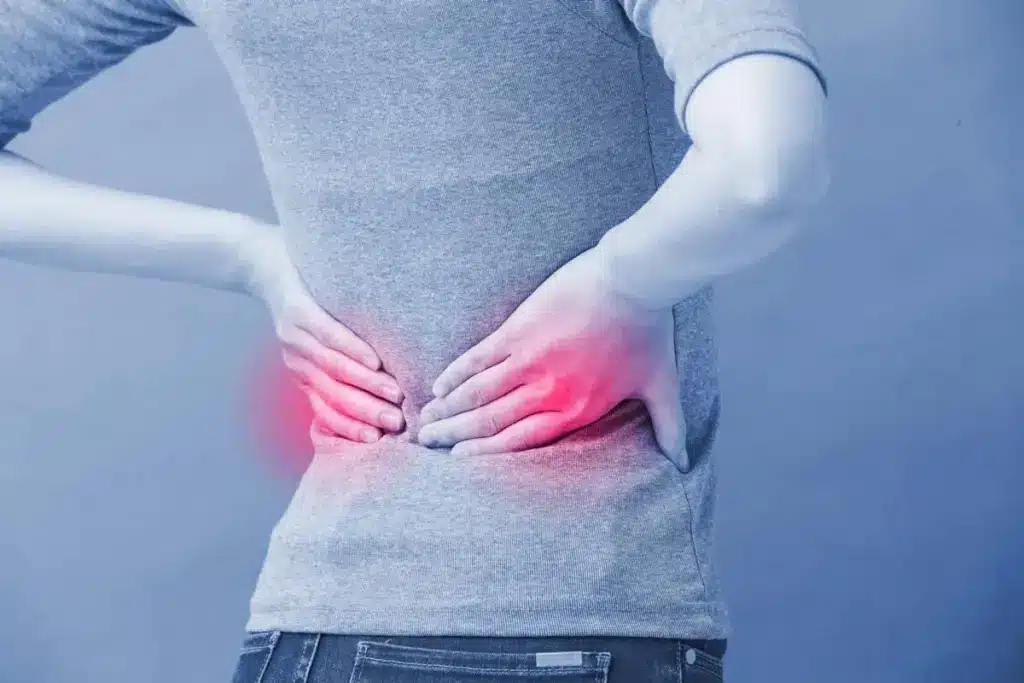
Kidney pain feels different for everyone. It’s a dull ache that you might feel below your rib cage. This pain is often on one or both sides of your spine.
This pain can spread to your abdomen or groin. It’s linked to many kidney problems.
Distinguishing Kidney Pain from Other Types of Back Pain
It’s hard to tell if you have kidney pain or just back pain. Kidney pain doesn’t get better with rest. Kidney pain is deeper and higher in the back, below the ribs. It might also come with fever, nausea, or changes in how you pee.
As one medical expert notes,
“Kidney pain is typically felt as a sharp or severe pain in the back, sides, or upper abdomen, and can be distinguished from back pain by its persistence and association with other urinary symptoms.”
Unilateral vs. Bilateral Kidney Pain
Kidney pain can be on one side (unilateral) or both sides (bilateral) of your spine. Pain on one side might mean a problem with one kidney, like a stone or infection.
Pain on both sides could mean a bigger issue or a problem with both kidneys. Knowing if the pain is on one or both sides helps doctors figure out what’s wrong.
Why Do My Kidneys Hurt When I Lay Down? Common Causes

Kidney pain when lying down can come from many sources. Knowing these causes helps manage the pain and find the root problem.
Kidney Stones: A Leading Cause of Position-Related Pain
Kidney stones are a big reason for kidney pain, more so when lying down. The pain from stones is sharp and cramping, felt in the side or back, below the ribs. Dehydration can raise the risk of stone formation, leading to pain when reclining.
Urinary Tract Infections and Pyelonephritis
Urinary tract infections (UTIs) and pyelonephritis (a kidney UTI) cause a lot of pain. This pain gets worse when lying down because of the extra pressure on the kidneys. Symptoms include pain while urinating, needing to urinate a lot, and fever.
- Pain or burning sensation while urinating
- Frequent or intense urges to urinate
- Fever or chills
Dehydration and Its Impact on Kidney Health
Dehydration ups the risk of kidney stones and pain. When dehydrated, the urine’s mineral concentration goes up, leading to stones. Drinking enough water is key to keeping kidneys healthy and avoiding dehydration-related pain.
Other Possible Causes of Kidney Pain When Lying Down
Other issues like polycystic kidney disease, kidney cysts, and some medicines can also cause pain. It’s important to see a doctor to figure out why you’re in pain.
In summary, kidney pain when lying down can stem from many sources, like kidney stones, UTIs, dehydration, and other health issues. Knowing these causes helps manage the pain and find the right medical care.
The Relationship Between Body Position and Kidney Pain
Knowing how body positions affect kidney pain is key to managing it. When we lie down, several factors can either help or hurt kidney pain.
How Lying Down Affects Kidney Pressure and Pain
Lying down can raise intra-abdominal pressure, stressing the kidneys more. This is bad for people with kidney stones or polycystic kidney disease. The extra pressure can irritate the kidneys, causing pain.
Also, certain positions can make the kidneys shift, irritating nearby tissues and nerves. For example, if you have a kidney stone, lying down might make it move and hurt the urinary tract lining, causing pain.
Positions That May Worsen or Relieve Kidney Pain
The way we lie down can greatly affect kidney pain. For instance, lying on one’s side might reduce kidney pressure compared to lying on the back. But, this depends on the person’s specific condition.
Let’s look at some common positions and their effects on kidney pain:
| Position | Effect on Kidney Pain |
| Lying on the back | May increase intra-abdominal pressure, potentially worsening pain |
| Lying on the side | May reduce pressure on the kidneys, potentially relieving pain |
| Lying on the stomach | Can cause the kidneys to shift, potentially irritating surrounding tissues |
The effect of body position on kidney pain varies a lot among people. It depends on the cause of the pain. So, knowing the cause of kidney pain is key to finding the most comfortable position.
Conclusion: When to Seek Medical Help for Kidney Pain
If you’re feeling kidney pain, it’s key to know when to get medical help. Kidney pain can signal a serious issue that needs quick attention. If your kidneys hurt at night or feel tender, see a doctor right away.
Kidney pain can happen without a fever. It’s important to know why and what to look for. Severe pain, blood in your urine, or other worrying signs mean you should get help fast. You can also call the NKF Helpline for advice on managing kidney pain. For more details, check out the Kidney.org.uk website.
Getting a diagnosis and treatment early can make a big difference. If you’re not sure about your kidney pain or it’s impacting your life, don’t wait. Learning about kidney pain and its signs can help you get the right care and manage your condition better.
FAQ
What are the common causes of kidney pain when lying down?
Kidney pain when lying down can stem from several sources. These include kidney stones, urinary tract infections, and dehydration. Other renal issues can also cause discomfort, often worse when reclining.
How can I distinguish kidney pain from other types of back pain?
Kidney pain feels like a deep ache below the ribs. It’s on one or both sides of the spine and can spread to the abdomen or groin. This is different from back pain in both location and feel.
Can dehydration cause flank pain or kidney pain?
Yes, dehydration can increase the risk of kidney stones and pain. Drinking enough water is key to keeping your kidneys healthy and avoiding dehydration problems.
Why do my kidneys hurt when I’m sitting or lying down?
The way you sit or lie down can affect kidney pain. These positions can put more pressure on your kidneys, making pain worse if you have an underlying issue.
Are my kidneys sore to the touch?
If your kidneys feel sore to the touch, it might mean you have a kidney infection or inflammation. Seeing a healthcare professional is important for a proper check-up.
Can kidney pain occur on one or both sides?
Yes, kidney pain can be on one side (unilateral) or both sides (bilateral). Knowing if the pain is on one or both sides can help figure out the cause.
Does kidney pain hurt to the touch?
In some cases, kidney pain can be tender to the touch. If touching your kidneys hurts, it’s important to get medical help.
What should I do if I experience kidney pain at night or when lying down?
If you have kidney pain at night or when lying down, see a healthcare professional. They can help find the cause and suggest ways to manage the pain.
Can kidney pain be a dull ache?
Yes, kidney pain can feel like a dull ache in the kidney area. This ache can be constant or come and go. The type of pain can give clues about what’s causing it.
References
National Center for Biotechnology Information. Evidence-Based Medical Guidance. Retrieved from https://pmc.ncbi.nlm.nih.gov/1174745/