
When the heart’s pumping function is compromised, fluid builds up in the lower parts of the body. This leads to swollen legs and ankles. This is a common sign of heart failure, affecting over 6 million American adults.
As the heart can’t pump blood well, fluid gathers in the feet and legs. This causes swelling that gets worse as the day goes on.
It’s important to understand why this swelling happens. At Liv Hospital, we use the latest technology and care with kindness to help our patients.
Key Takeaways
- Swollen legs and ankles can be a sign of an underlying heart condition.
- Fluid accumulation occurs due to the heart’s compromised pumping ability.
- Early recognition of symptoms is key for effective management.
- Liv Hospital offers patient-centered care for heart-related conditions.
- Advanced diagnostic technology is used to address patient needs.
Understanding Heart Failure Leg Swelling: The Physiological Mechanism

Heart failure leg swelling comes from a mix of heart pumping issues and fluid movement. When the heart can’t pump well, blood stays in veins. This causes fluid to leak into tissues.
Compromised Cardiac Pumping Function
In heart failure, the heart pumps blood poorly. This starts a chain of fixes, but they often lead to fluid retention and high venous pressure. Blood stays in veins, pushing fluid into tissues, causing swelling in legs and ankles.
The heart’s poor pumping also hurts kidney work. This is key to why heart failure patients get leg swelling.
Reduced Kidney Function and Sodium Retention
Kidneys help balance fluids by controlling sodium and water. In heart failure, kidneys don’t work well, leading to more sodium. This makes fluid buildup worse. For more on heart failure and swelling, check Healthline’s article on heart failure edema.
The mix of heart and kidney problems causes swelling in legs and ankles. Knowing how these issues work helps find better ways to manage swelling in heart failure.
Clinical Patterns and Significance of Edema in Heart Failure
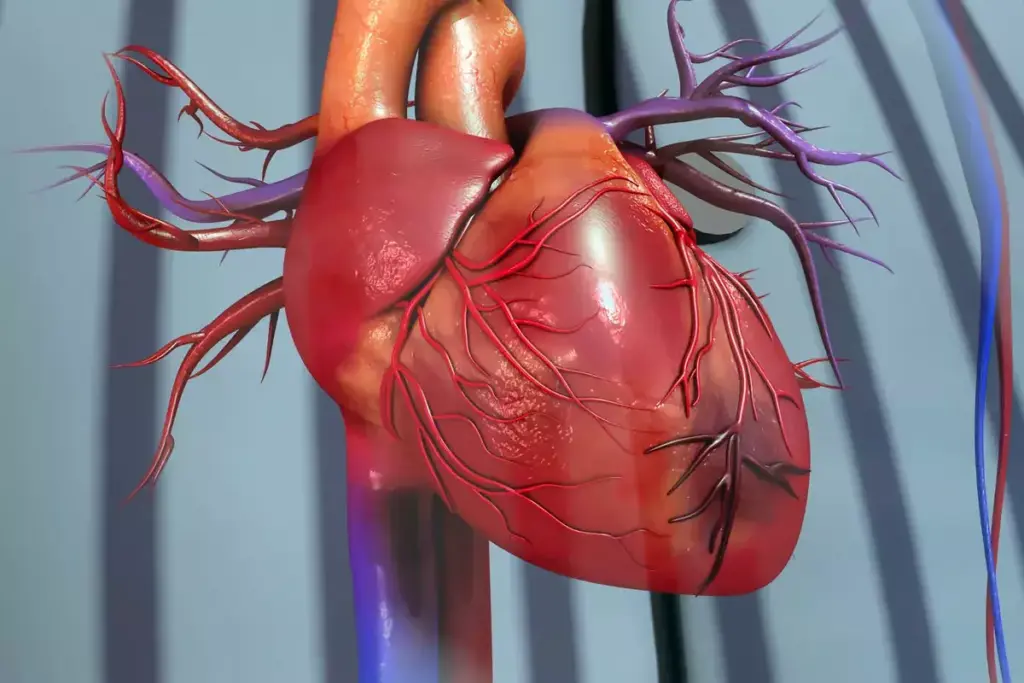
Edema linked to heart failure is complex and shows up in different ways. It’s important to understand these patterns for proper treatment. Spotting these signs is key for diagnosing and treating heart failure.
Prevalence and Statistics in the United States
Heart failure impacts over 6 million adults in the U.S., with swelling in the legs being a common symptom. The high rate of edema in heart failure patients highlights the need to grasp its clinical patterns. Studies show that how severe and where swelling occurs can tell us about heart failure’s progression.
“The presence of leg edema is a significant indicator of the severity of heart failure and warrants thorough investigation,” a study found. It stresses the role of compression therapy here.
Bilateral vs. Unilateral Swelling Patterns
Bilateral swelling in the ankles and feet is common in heart failure patients. It often gets worse as heart failure gets more severe. This even swelling is a clear sign of heart failure, unlike other causes of swelling.
On the other hand, swelling on just one side might mean something else, like a blood clot. Knowing the difference between bilateral and unilateral swelling is critical for correct diagnosis and treatment.
Beyond the Legs: Other Areas Affected by Fluid Accumulation
While leg swelling is common in heart failure, fluid can also build up in other parts of the body. This includes the hands, abdomen, and even the lungs in severe cases. It’s important for doctors to recognize these different signs to manage heart failure well.
The way and how much fluid accumulates can give clues about a patient’s condition. This information helps doctors make better treatment plans and improve patient outcomes.
Conclusion: Recognizing and Managing Heart Failure-Related Swelling
It’s key to spot and handle swelling linked to heart failure to better patient results. Swelling in the legs and ankles is a common sign of heart failure. Fixing this can greatly improve life quality.
Heart failure swollen feet and swelling in feet can really hurt. To manage leg swelling, we need to change lifestyles, use medicines, and sometimes use special devices or procedures. Checking in regularly and weighing yourself every day can catch fluid buildup early. This lowers the chance of serious problems.
By using these methods, people with swollen ankles due to heart failure can see better results. We stress the need for a detailed treatment plan. This plan should tackle the root causes of fluid buildup, boost heart function, and improve overall health.
Handling swelling linked to heart failure well needs teamwork. Patients, caregivers, and healthcare teams must work together. This way, we can make life better for those dealing with heart failure.
FAQ
What is the main cause of leg and ankle swelling in heart failure?
Leg and ankle swelling in heart failure mainly happens because the heart can’t pump blood well. This leads to fluid building up in the lower parts of the body.
How does compromised cardiac pumping function lead to fluid buildup?
When the heart can’t pump blood well, it can’t move it around efficiently. This causes fluid to leak into the tissues, leading to swelling.
What role does reduced kidney function play in heart failure-related swelling?
When the kidneys don’t work right, they hold onto sodium. This makes fluid buildup worse in heart failure patients.
Are swollen ankles a common symptom of congestive heart failure?
Yes, swollen ankles are a common sign of congestive heart failure. Fluid buildup often shows up in the lower parts of the body.
Which leg is more likely to swell in congestive heart failure?
Both legs can swell in congestive heart failure. The swelling usually happens in both legs.
Can leg swelling be a sign of heart problems?
Yes, leg swelling can be a sign of heart problems, including heart failure. It shows fluid buildup because the heart can’t pump blood well.
How is leg swelling related to heart issues?
Leg swelling is linked to heart issues. When the heart can’t pump well, fluid builds up in the legs, causing swelling.
What are the characteristics of bilateral versus unilateral swelling in heart failure?
Bilateral swelling means fluid buildup all over, showing a bigger problem. Unilateral swelling might mean a specific issue, like a blood clot.
Are there other areas affected by fluid accumulation in heart failure beside the legs?
Yes, fluid buildup in heart failure can also affect other areas. This includes the abdomen, lungs, and liver.
How can managing fluid buildup improve outcomes for heart failure patients?
Managing fluid buildup can greatly improve heart failure patients’ outcomes. This can be done through lifestyle changes, medical treatments, and regular check-ups.
References:
https://www.medicalnewstoday.com/articles/heart-failure-swollen-feet