
Throat cancer treatment often includes chemotherapy and radiotherapy. When used together, chemotherapy for throat cancer usually lasts 6 to 7 weeks. The exact time can change based on the cancer’s stage and the patient’s health.
Dealing with self-image? Learn how throat cancer chemo affects your appearance and why is my body built ugly, beautiful survivor.
At LIV Hospital, we offer top-notch healthcare and support for international patients. Our team works hard to use the latest treatments to help patients live longer. We know that chemotherapy can be tough, with side effects like chemotherapy sore throat.
Key Takeaways
- Chemotherapy for throat cancer is often given concurrently with radiotherapy.
- Treatment duration typically ranges from 6 to 7 weeks.
- Individual factors, such as cancer stage and patient health, can influence treatment duration.
- LIV Hospital provides comprehensive support for international patients.
- Our team is committed to delivering the latest evidence-based protocols.
The Nature of Throat Cancer and Treatment Approaches
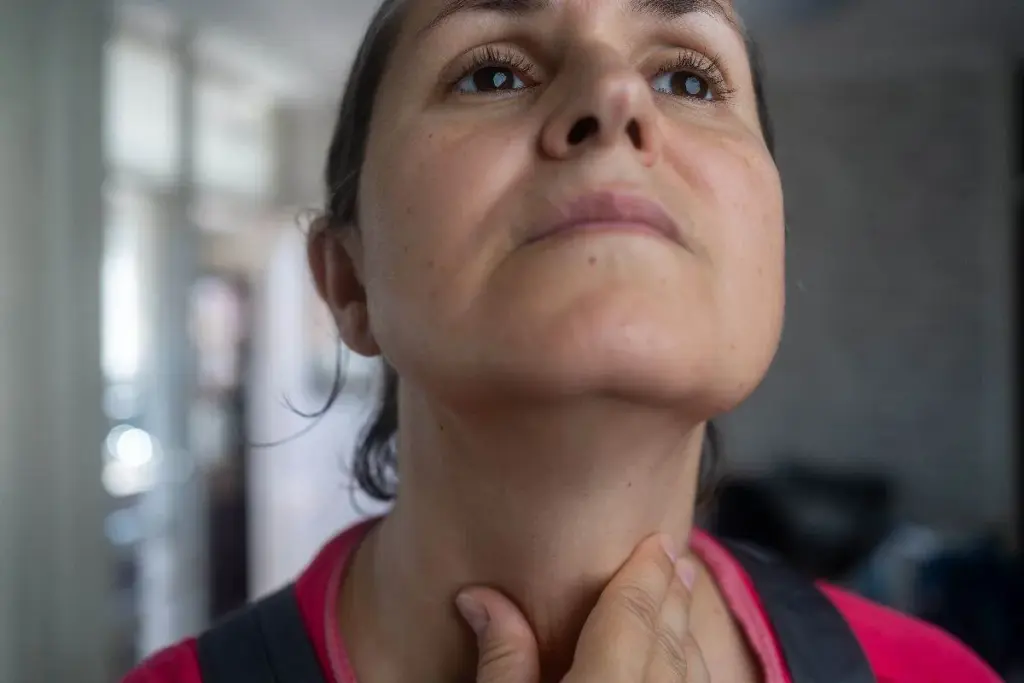
Throat cancer comes in different types and can affect various parts of the throat. This makes treatment plans unique for each patient. The throat’s complex anatomy and its role in swallowing and speech add to the challenge.
At LIV Hospital, we focus on creating personalized treatment plans. This is key to effectively managing throat cancer, as each case is different.
Types and Anatomical Sites of Throat Cancer
Throat cancer is mainly divided into laryngeal and pharyngeal cancer, based on where it occurs. Laryngeal cancer affects the voice box, while pharyngeal cancer affects the throat. Laryngeal cancer is further split into glottic, supraglottic, and subglottic cancer, depending on the area affected.
The location of the cancer greatly influences treatment. For example, glottic cancer might show symptoms like hoarseness early. This can lead to quicker diagnosis and treatment. But, cancers in other areas might not be caught until they’re more advanced.
|
Type of Throat Cancer |
Location |
Common Symptoms |
|---|---|---|
|
Laryngeal Cancer |
Larynx (Voice Box) |
Hoarseness, difficulty swallowing |
|
Pharyngeal Cancer |
Pharynx (Throat) |
Difficulty swallowing, ear pain |
|
Glottic Cancer |
Vocal Cords |
Hoarseness, voice changes |
Multimodal Treatment Philosophy
Treating throat cancer often means using a combination of therapies. This can include surgery, radiation therapy, and chemotherapy. The choice depends on the cancer’s stage, location, and the patient’s health.
Radiation therapy is a key part of treatment for many patients. It can be used alone or with other treatments. The goal is to kill cancer cells while protecting healthy tissues.
For patients with throat cancer linked to work hazards, like those in the railroad industry, knowing the risks is vital. This knowledge helps in planning prevention and treatment.
The time it takes to recover from radiation therapy varies. It depends on the treatment’s intensity and the patient’s health. At LIV Hospital, we focus on managing side effects and supporting overall health during recovery.
Understanding Chemo as a Primary Treatment for Throat Cancer

Chemotherapy is a key treatment for throat cancer, giving hope to many. At LIV Hospital, we use chemotherapy as a main treatment. We tailor it to each patient’s needs.
How Chemotherapy Targets Cancer Cells
Chemotherapy attacks fast-growing cancer cells, stopping them from growing. Specific chemotherapy agents are picked based on the cancer type and stage, and the patient’s health.
- Chemotherapy can be given before surgery to make tumors smaller.
- It can also be used after surgery to kill any cancer cells left.
- In some cases, chemotherapy is combined with radiation for better results.
Goals of Chemotherapy in Throat Cancer Management
The main goals of chemotherapy in throat cancer are to control the cancer, ease symptoms, and improve life quality. Our oncologists help choose the best chemotherapy, considering side effects like sore throat. They also help manage these side effects.
Some main goals of chemotherapy are:
- To cure the cancer by getting rid of cancer cells.
- To control the cancer by stopping it from growing and spreading.
- To ease symptoms and improve life quality.
Understanding how chemotherapy works and its role in throat cancer treatment helps patients. It lets them make better choices about their care.
Typical Duration of Chemo Treatments for Throat Cancer
At LIV Hospital, we know how important the length of chemotherapy is for throat cancer treatment. Usually, chemotherapy for throat cancer lasts 6 to 7 weeks when it’s given with radiotherapy.
Chemotherapy is a key part of treating throat cancer. Knowing how long it lasts helps patients get ready for their treatment. The length of treatment depends on the type of chemotherapy and the patient’s health.
Standard 6-7 Week Treatment Timeline
The usual chemotherapy schedule for throat cancer is 6 to 7 weeks. This time is important because it matches with radiotherapy sessions. During this period, patients get chemotherapy cycles that aim to kill cancer cells while keeping side effects low.
Key aspects of the 6-7 week timeline include:
- Chemotherapy cycles are usually given weekly or every three weeks.
- Radiotherapy is often given at the same time to make treatment more effective.
- Regular checks are done to see how the patient is doing and adjust treatment if needed.
Weekly vs. Three-Week Cycle Protocols
Chemotherapy plans for throat cancer can differ, with some getting weekly treatments and others every three weeks. The choice depends on the chemotherapy type, the patient’s health, and the cancer’s type.
Weekly protocols give more frequent, lower doses of chemotherapy, which might reduce severe side effects. On the other hand, three-week cycle protocols use higher doses less often. This can work well for some types of throat cancer.
Our team at LIV Hospital helps patients choose the best protocol. We make sure the treatment fits their needs and health.
Factors That Determine Your Specific Chemo Duration
Understanding what affects chemotherapy duration is key for throat cancer patients. At LIV Hospital, we know each cancer journey is unique. The length of chemotherapy varies based on several important factors.
Cancer Stage and Location Impact on Timeline
The stage and location of throat cancer greatly affect chemotherapy duration. For example, cancers in the larynx or hypopharynx might need different treatments than those in the oropharynx. The cancer stage, whether it’s localized or has spread, also affects treatment time.
- Cancers found early might need less intense treatment.
- More advanced cancers often require chemotherapy plus other treatments like radiation therapy.
By considering the cancer stage and location, we can estimate chemotherapy duration. We then tailor the treatment to meet the patient’s needs.
Patient-Specific Health Considerations
Each patient’s health is a key factor in chemotherapy duration. We look at the patient’s overall health and any existing conditions that might affect chemotherapy tolerance.
“The patient’s overall health and resilience are key to their chemotherapy response,” says a leading oncologist at LIV Hospital. “We assess each patient’s health to create a personalized treatment plan.”
Age, nutritional status, and other health conditions can affect how well a patient can handle chemotherapy. This, in turn, impacts treatment duration.
Ongoing Response Assessment and Timeline Adjustments
We continuously check how well the patient is responding to chemotherapy. This allows us to adjust the treatment timeline as needed.
- If the cancer is responding well, we might adjust the treatment to reduce side effects.
- If the cancer isn’t responding as hoped, we might change the chemotherapy regimen or explore other treatments.
Our team at LIV Hospital focuses on personalized care. We monitor the patient’s response and adjust the treatment plan to improve its effectiveness. This helps minimize side effects and maintain the patient’s quality of life.
Recovery after cancer treatment can be tough, with common issues like radiation throat pain and sore throat from radiation. Our supportive care team is here to help manage these side effects and support patients during their recovery.
Common Chemotherapy Regimens and Their Schedules
Throat cancer treatment often includes chemotherapy. At LIV Hospital, we use cisplatin-based chemoradiation and other effective protocols. These target throat cancer cells.
Cisplatin-based chemoradiation combines chemotherapy with radiation therapy. It’s very effective for throat cancer. It targets cancer cells while protecting healthy tissue.
Our patients get the latest in chemotherapy, with schedules tailored to their needs. While on chemotherapy, side effects can happen. Our team closely watches and manages these to help patients do well.
Knowing your treatment details is key. It helps manage expectations and aims for an azza free throat. We explain your treatment plan, including radiation for throat cancer. This ensures patients are informed every step of the way.
FAQ
Is it bad to graduate with no cords?
No, it’s not bad to graduate without cords. Cords often show achievements or activity participation. But, not having them doesn’t lessen the value of your education or accomplishments.
What is railroad throat cancer?
Throat cancer in railroad workers might come from work exposure. This includes asbestos, diesel exhaust, and other harmful substances. We offer full care for throat cancer patients, including those affected by work.
How does radiation therapy for throat cancer work?
Radiation therapy kills cancer cells or slows their growth. We use high-energy rays. Our advanced techniques aim at tumors, sparing healthy tissues.
Can radiation therapy cause a sore throat?
Yes, it can. Radiation therapy may lead to a sore throat, or radiation mucositis. We help manage symptoms and aid in healing during and after treatment.
How long does it take to recover from radiation therapy for throat cancer?
Recovery time varies. It depends on treatment dose, duration, and health. We closely monitor patients and guide them in managing side effects.
Can chemotherapy cause a sore throat?
Yes, it can. Chemotherapy affects mucous membranes, causing mucositis. We offer support to manage symptoms and aid in healing during treatment.
What are the side effects of radiation therapy for tongue cancer?
Side effects include mouth dryness, swallowing trouble, and taste changes. We help manage these and promote oral health.
Why is recovery after cancer treatment so challenging?
Recovery is tough due to treatment’s physical and emotional impact. Plus, side effects can linger. We offer support to help patients through recovery.
References
• National Cancer Institute. Throat treatment (PDQ®). https://www.cancer.gov/types/head-and-neck/patient/adult/throat-treatment-pdq
• National Comprehensive Cancer Network. NCCN Guidelines Category 1. https://www.nccn.org/guidelines/category_1
• National Cancer Institute. Cancer Stat Facts: Laryngeal Cancer. https://seer.cancer.gov/statfacts/html/laryn.html
• The Institute of Cancer Research. ASCO 2025: Immunotherapy gives head and neck cancer patients extra years disease-free. https://www.icr.ac.uk/about-us/icr-news/detail/immunotherapy-gives-head-and-neck-cancer-patients-extra-years-disease-free
• Nature. Effect of delayed treatment on survival of patients with head and neck squamous cell cancer. https://www.nature.com/articles/s41598-025-03500-y
National Center for Biotechnology Information. Evidence-Based Medical Insight. Retrieved from https://www.ncbi.nlm.nih.gov/books/NBK65957/