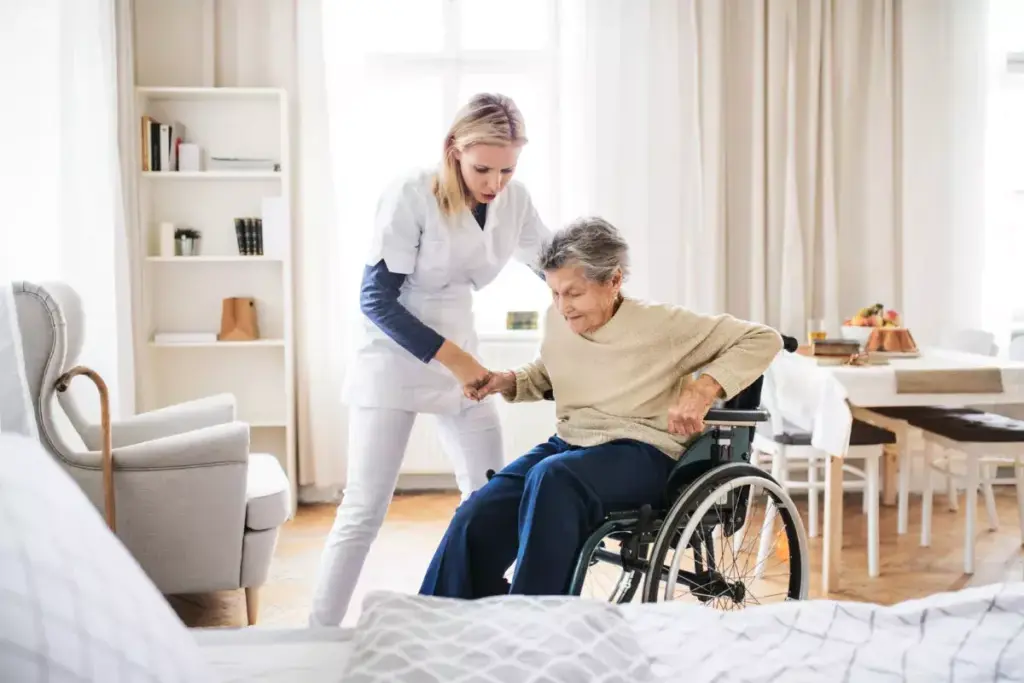
As more people age, older adults often visit emergency departments with complex health issues. At UCSF Helen Diller Medical Center at Parnassus Heights, our Level 1 Gold-accredited Age-Friendly Emergency Department (AFED) is leading the way. It offers specialized care and compassion.
Our AFED focuses on the unique needs of older adults. It addresses important issues like gait problems, memory loss, and falls. A study in Annals of Emergency Medicine shows that a thorough check-up can lower hospital stays.
We understand the need for specialized care for older adults. Our AFED is a top example of how to care for them in emergency situations.
Key Takeaways
- UCSF’s AFED is a model for geriatric emergency department care.
- Comprehensive assessment can reduce hospital admissions.
- Specialized care addresses key geriatric syndromes.
- Patient-centered evaluation is critical for older adults.
- AFED provides innovative, compassionate care.
UCSF’s Level 1 Gold Accredited Age-Friendly Emergency Department
UCSF’s emergency department is a top leader in caring for older adults. It has earned the Level 1 Gold accreditation from the American College of Emergency Physicians. This honor shows our strong commitment to giving the best care to seniors.
The Age-Friendly Emergency Department (AFED) model is special. It’s designed to meet the unique needs of older adults. This ensures they get the right care to avoid hospital stays and improve their health.
The AFED model at UCSF has several important parts. It includes more geriatric-trained staff, care plans made just for older adults, and social support services. These help patients smoothly move from the emergency department to their homes or other care settings.
By focusing on the needs of geriatric patients, we offer better care. This reduces the chance of complications.
Benefits of the AFED Model
- Comprehensive geriatric assessment to identify and address complex health issues
- Multidisciplinary team collaboration to develop personalized care plans
- Enhanced patient and family education to support self-care and disease management
- Streamlined transitions to reduce hospital readmissions and improve patient outcomes
UCSF’s Level 1 Gold accreditation shows our deep commitment to caring for older adults. The AFED model allows us to provide top-notch care that fits their unique needs. Our ongoing effort to improve and innovate in geriatric emergency care makes us a leader in this field.
Evidence-Based Guidelines for Geriatric Age Emergency Care
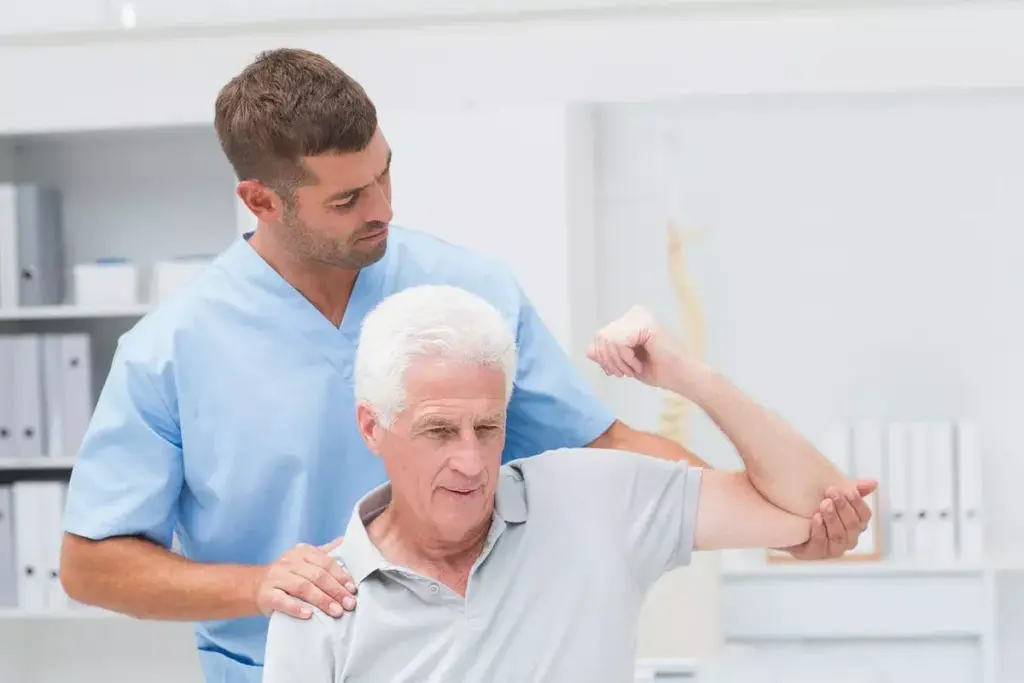
Evidence-based guidelines are key in our geriatric emergency department. They ensure older adults get the best care. These guidelines help address the complex needs of older adults, who often have multiple health issues.
1. Comprehensive Geriatric Syndrome Screening and Identification
We focus on early geriatric syndrome screening when patients arrive. This includes checking for delirium, falls, and cognitive issues. Early detection helps prevent complications and improves patient care.
Key components of geriatric syndrome screening include:
- Cognitive function assessment
- Functional status evaluation
- Social support assessment
2. Multidisciplinary Team Assessment and Intervention
A team approach is essential in geriatric emergency care. Our team includes doctors, nurses, pharmacists, and social workers. They work together to create personalized care plans. This strategy addresses the complex needs of older adults.
The benefits of a multidisciplinary team include:
| Team Member | Role | Benefits |
| Physicians | Medical assessment and treatment | Accurate diagnosis and effective treatment plans |
| Nurses | Care coordination and patient education | Improved patient satisfaction and outcomes |
| Pharmacists | Medication management | Reduced medication errors and adverse reactions |
3. Medication Cascade Prevention and Pharmacological Review
Managing medications is critical in geriatric care. We conduct a detailed review to prevent medication cascades. This approach reduces drug side effects and improves safety.
Following these guidelines improves care for older adults in the emergency department. It leads to better health outcomes and fewer hospital readmissions.
Specialized Intervention Protocols for Older Adults
We understand the need for personalized care for older adults. That’s why we’ve created specialized intervention protocols for them. These protocols help tackle the unique challenges they face, improving their care and outcomes.
Our Age-Friendly Emergency Department model focuses on fall prevention, gait instability management, and cognitive function evaluation. These are key parts of caring for older adults. They help lower the risk of bad events and boost their quality of life.
Fall Prevention and Gait Instability Management
Preventing falls is vital for older adults, as falls can cause serious injuries. We’ve set up a detailed plan to prevent falls. This includes checking for fall risks, finding ways to lower these risks, and managing gait instability.
Our fall prevention program starts with a thorough check of each patient’s fall risk. Then, we create a plan just for them. This might include physical therapy to boost strength and balance. We also make changes to their environment to make it safer.
Cognitive Function Evaluation and Functional Decline Prevention
Checking cognitive function is also key in our protocols. Spotting cognitive decline early helps us act fast. This can greatly improve the lives of older adults.
We do detailed cognitive assessments to find any cognitive decline. Then, we create specific plans to stop further decline. These plans aim to improve the patient’s quality of life.
By using these specialized protocols, we offer complete and caring care to older adults. We address their complex needs and help improve their overall well-being.
Conclusion
At UCSF, we know how vital specialized care is for older patients. That’s why our Parnassus emergency room is set up to be age-friendly. The Age-Friendly Emergency Department (AFED) model has greatly improved our care for seniors.
We’re deeply committed to caring for the elderly. Our MSTAR program trains healthcare professionals in geriatric care. This ensures our patients get top-notch treatment.
When you visit our CSF emergency department, you’ll see how welcoming it is. Our CSF emergency department photos show our age-friendly facilities. They’re designed to meet the special needs of older adults.
We’re always working to improve geriatric emergency care at UCSF. Our goal is to provide world-class healthcare for our aging population. Our age-friendly approach shows our dedication to compassionate and complete care.
What is an Age-Friendly Emergency Department (AFED)?
What is the significance of UCSF’s Level 1 Gold accreditation?
What are the benefits of the AFED model for older adults?
What guidelines are followed for geriatric emergency care at UCSF?
What specialized intervention protocols are available for older adults?
What training and education are available for healthcare professionals in geriatric care?
How does the AFED model address medication management for older adults?
Can I get care at UCSF’s Age-Friendly Emergency Department if I’m not a local resident?
References
UCSF Department of Emergency Medicine. (n.d.). Geriatric assessment reduces hospital admissions for older adults, study finds. Retrieved March 13, 2026, from https://emergency.ucsf.edu/news/geriatric-assessment-reduces-hospital-admissions-older-adults-study-finds UCSF Department of Emergency Medicine