



Bone density loss makes bones weak and brittle over time. This issue often hits older adults, mainly women, who face higher risks of fractures. Protecting bone health is key to living an active, full life. Taking action early can prevent bone strength loss and avoid serious injuries later.
Doctors give treatments to strengthen bones. Getting a medication injection for osteoporosis helps many people protect their bones. But, knowing about possible side effects is important for making informed decisions about your care. We think knowing is the first step to a safer recovery.
At Liv Hospital, we focus on patient-centered care to keep you safe. We believe comprehensive support helps you manage your health with confidence. Our team helps you use these medications to stay active while reducing any discomfort. We’re here to guide you through every step of your bone health treatment.
Key Takeaways
- Bone density loss significantly increases the risk of skeletal breaks.
- Modern medical treatments are vital for preventing serious bone injuries.
- Personalized care plans help ensure patient safety during therapy.
- Understanding treatment risks allows for much better health choices.
- Professional medical guidance helps manage possible reactions effectively.
- Consistent monitoring ensures that bone-strengthening therapies work correctly.
What You Need to Know About Osteoporosis Treatment Options
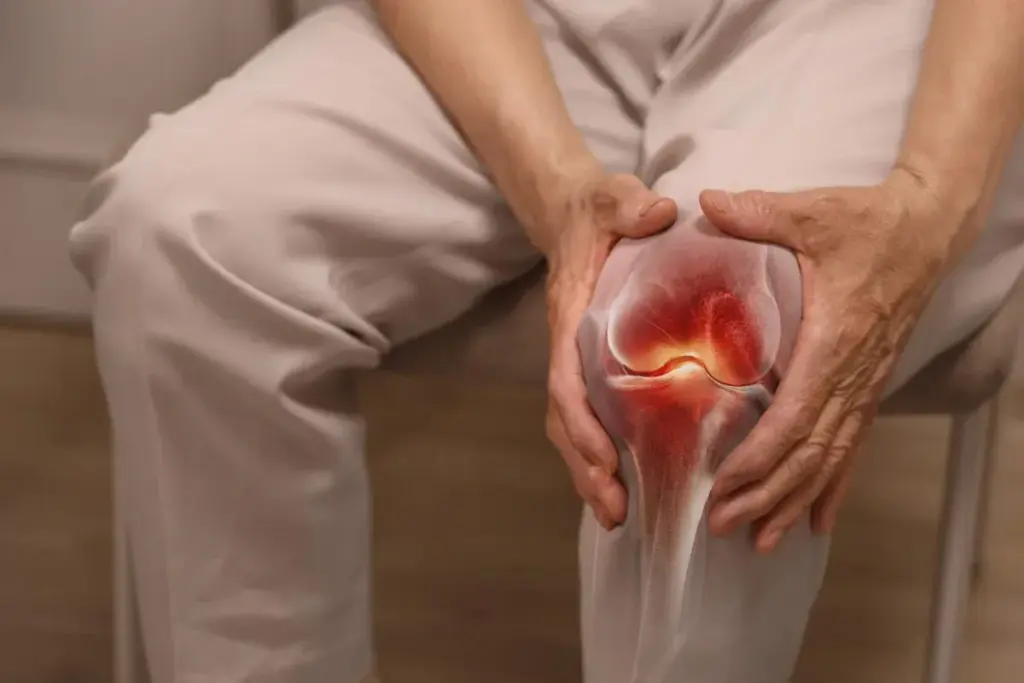
There are many ways to treat osteoporosis, divided into three main types of medicines. Knowing about these is key for doctors and patients to choose the best treatment.
The main medicines for osteoporosis are antiresorptive agents, anabolic agents, and hormone therapies. Each type works in a different way. Bisphosphonates are a common antiresorptive medicine. They help stop bones from getting weaker by slowing down bone loss.
Antiresorptive agents, like bisphosphonates, stop osteoclasts from breaking down bones. This keeps bones strong and lowers the chance of fractures. “The use of antiresorptive agents has been a cornerstone in the management of osteoporosis, significantly reducing the incidence of vertebral and non-vertebral fractures,” as noted in various clinical guidelines.
Anabolic agents, on the other hand, help bones grow by making osteoblasts work better. They are an option for those who can’t take or don’t respond to other treatments. Hormone therapies, like estrogen and SERMs, are also used, mainly for postmenopausal women.
Knowing how each type of medicine works helps doctors create the best treatment plans for their patients. As we learn more about treating osteoporosis, it’s clear that a detailed approach is needed to tackle this condition’s challenges.
Understanding Side Effects of Osteoporosis Medications

It’s important to know the side effects of osteoporosis medications. These drugs help with bone health but can also affect how you feel. Knowing about these side effects helps manage treatment better.
Gastrointestinal Issues and Digestive Discomfort
Bisphosphonates, a type of osteoporosis medication, can cause stomach problems. You might experience heartburn, nausea, and trouble swallowing. If you’re taking these meds, talk to your doctor about any stomach issues.
Musculoskeletal Pain and Joint Aches
Some osteoporosis drugs can lead to muscle and joint pain. This can really affect your daily life. It’s key to tell your doctor about any pain you’re feeling.
Osteonecrosis of the Jaw
Osteonecrosis of the jaw is a rare but serious issue linked to some osteoporosis meds, like bisphosphonates. It’s when jawbone tissue dies, causing pain and treatment challenges. Keep up with good oral care and dental visits if you’re on these meds.
Atypical Femur Fractures
Atypical femur fractures are rare but serious. They happen with long-term use of certain osteoporosis drugs. If you feel pain in your thigh or groin, tell your doctor right away.
| Medication Class | Common Side Effects | Serious Side Effects |
| Bisphosphonates | Gastrointestinal issues, musculoskeletal pain | Osteonecrosis of the jaw, atypical femur fractures |
| Anabolic Agents | Nausea, leg cramps, hypercalcemia |
Conclusion
It’s important to know the side effects of osteoporosis medications. This knowledge helps manage osteoporosis better. Patients can then work with their doctors to lessen risks and get the most from treatment.
We talked about side effects like stomach problems, muscle pain, jaw issues, and broken femurs. Knowing these risks helps patients choose the best treatment for them.
Managing osteoporosis well needs teamwork between patients and doctors. Together, they can tailor care to fit each person’s needs. This approach helps lower fracture risks and improves life quality.
FAQ
Why do we prescribe medications to manage osteoporosis?
Medications help strengthen bones, reduce bone loss, and lower the risk of fractures. They are especially important for individuals with high fracture risk or significant bone density loss.
What are the benefits of a medication injection for osteoporosis compared to oral tablets?
Injections can be more convenient, improve adherence, and avoid gastrointestinal side effects linked to oral drugs. They may also provide longer-lasting effects with less frequent dosing.
How do anabolic agents like Forteo differ from standard antiresorptive treatments?
Anabolic agents stimulate new bone formation, increasing bone mass and strength. Antiresorptive treatments mainly slow down bone breakdown to preserve existing bone.
What should we do if a patient experiences gastrointestinal discomfort from oral bisphosphonates?
Patients may be advised to take the medication with water on an empty stomach and remain upright afterward. If symptoms persist, switching to another form like injections may be considered.
Is osteonecrosis of the jaw a common side effect of these treatments?
Osteonecrosis of the jaw is a rare but serious side effect, usually associated with long-term use or high doses. Proper dental care and regular monitoring can help reduce the risk.
Why do we monitor patients for atypical femur fractures during long-term therapy?
Long-term use of certain medications may slightly increase the risk of unusual femur fractures. Monitoring helps detect early warning signs and adjust treatment if needed.
Can musculoskeletal pain occur when starting a new osteoporosis treatment?
Yes, some patients may experience bone, joint, or muscle pain when starting treatment. These symptoms are usually temporary but should be discussed if severe or persistent.
References
New England Journal of Medicine. Evidence-Based Medical Insight. Retrieved from https://www.nejm.org/doi/full/10.1056/NEJMcp1513724


 Departments
 Related Videos
 Our Doctors
 News
News


