

Depression is a serious mental health issue that affects millions globally. Managing it often means using a mix of treatments, including antidepressant medications. These can ease symptoms like mood swings, tiredness, and anxiety.
Antidepressants balance brain chemicals that control mood and feelings. They can lessen symptoms but might not solve the depression’s root cause. That’s why doctors often suggest talk therapy along with meds. With many choices, from well-known SSRIs to newer options, patients have more ways to find relief.
Key Takeaways
- Depression is a treatable condition that affects millions worldwide.
- Antidepressant medications can help manage symptoms like emotional changes and fatigue.
- Talk therapy is often recommended alongside medication to address underlying causes.
- There are various antidepressant options available, including SSRIs and newer treatments.
- Understanding the different medications can help you find the right treatment.
Understanding Antidepressant Medications
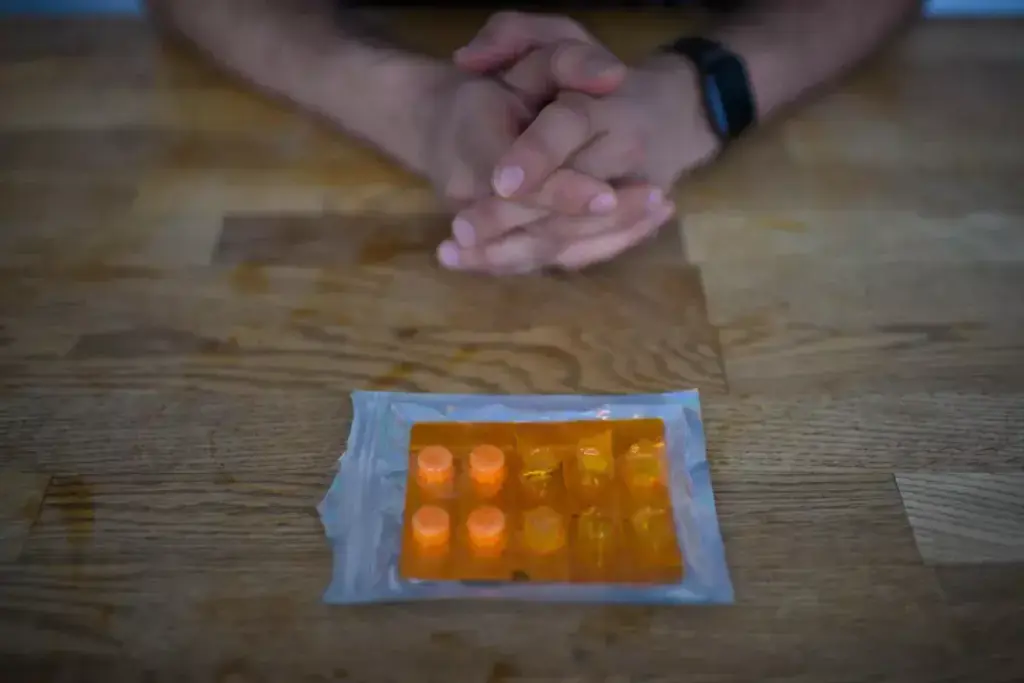
Many people find antidepressant medications helpful in managing their depression. These medications are often used to treat depression and anxiety. Selective serotonin reuptake inhibitors (SSRIs) are the most common type prescribed.
SSRIs increase serotonin levels in the brain. This helps improve mood and reduce anxiety. Fluoxetine (Prozac) and sertraline (Zoloft) are examples of SSRIs. They are chosen first because they work well and have fewer side effects.
Serotonin-Norepinephrine Reuptake Inhibitors (SNRIs) are another type of antidepressant. They boost both serotonin and norepinephrine levels. This helps manage depression and anxiety better in some cases. Venlafaxine (Effexor XR) is a well-known SNRI.
The benefits of these medications include:
- Effective management of depression and anxiety symptoms
- Improved mood and reduced anxiety
- Relatively mild side effects compared to older antidepressants
Knowing about antidepressants and how they work is key. It helps people make better choices about their treatment. Always talk to a healthcare provider to find the right medication and dosage for you.
The 7 Most Common Medications for Depression

For those dealing with depression, knowing the common treatments is key. Depression affects millions globally, and while therapy and lifestyle changes are important, meds can also help manage symptoms.
We’ll look at the 7 most used depression meds. These include their brand names, types, and uses. They aim to balance brain chemicals, improving mood and lessening anxiety.
1. Escitalopram (Lexapro)
Escitalopram, or Lexapro, is an SSRI for depression and anxiety. It boosts serotonin in the brain, helping to lift mood and ease anxiety.
2. Sertraline (Zoloft)
Sertraline, or Zoloft, is another SSRI for depression, panic, and social anxiety. Like Lexapro, it increases serotonin to improve mood and reduce anxiety.
3. Fluoxetine (Prozac)
Fluoxetine, or Prozac, is a well-known SSRI for depression, OCD, and bulimia. Used for decades, Prozac is known for its mood-boosting effects.
4. Venlafaxine (Effexor XR)
Venlafaxine, or Effexor XR, is an SNRI for depression and anxiety. Unlike SSRIs, SNRIs like venlafaxine boost serotonin and norepinephrine, tackling depression from different angles.
Here’s a summary of these common depression medications in a tabular format:
| Medication | Brand Name | Classification | Primary Uses |
| Escitalopram | Lexapro | SSRI | Depression, Generalized Anxiety Disorder |
| Sertraline | Zoloft | SSRI | Depression, Panic Disorder, Social Anxiety Disorder |
| Fluoxetine | Prozac | SSRI | Depression, Obsessive-Compulsive Disorder, Bulimia Nervosa |
| Venlafaxine | Effexor XR | SNRI | Depression, Anxiety Disorders |
Knowing about these depression meds can help in making treatment choices. Always talk to a healthcare pro to find the best treatment plan.
What Depression on Medication Does to Your Brain
Antidepressants change how the brain works to help with depression. They increase chemicals in the brain called neurotransmitters, like serotonin and noradrenaline. These chemicals are important for mood and feelings.
These neurotransmitters help control mood, appetite, and sleep. Low levels can cause depression symptoms like feeling down, losing appetite, and trouble sleeping. Antidepressants boost serotonin and norepinephrine levels. This helps improve mood, reduce anxiety, and ease other depression symptoms.
Antidepressants do more than just raise neurotransmitter levels. Different types work in different ways. For example, SSRIs like Lexapro and Zoloft stop serotonin from being taken back by the brain. This lets more serotonin be used for brain signals.
Norepinephrine reuptake inhibitors, on the other hand, increase norepinephrine levels. Knowing how antidepressants work helps patients and doctors choose the best treatment.
It’s key to remember that antidepressants don’t work the same for everyone. The type of depression, brain chemistry, and other health issues can affect how well they work. This means finding the right medication can take some trial and error.
Conclusion
It’s important to know about different antidepressants and how they work. We talked about the 7 most common ones, like Escitalopram (Lexapro) and Sertraline (Zoloft). These medicines are key in treating depression. Working closely with doctors is essential to find the right treatment.
At our healthcare place, we aim to give top-notch care to international patients. Our team is ready to offer personalized care and support. This helps patients manage their depression and live better lives.
It’s important to keep getting treatment and support from doctors. We want to create a supportive space for everyone. With the right medicine and support, patients can live a better life.
FAQ
What are the most common medications used to treat depression?
SSRIs like sertraline (Zoloft), fluoxetine (Prozac), escitalopram (Lexapro) are most prescribed.goodrx+1
How do antidepressants work in treating depression and anxiety?
Increase serotonin/norepinephrine levels, improving mood regulation and reducing symptoms.healthline+1
What is the role of SSRIs in managing depression?
Block serotonin reuptake, boosting brain serotonin for better mood and anxiety relief.magazine.medlineplus+1
What are SNRIs, and how do they help with depression?
SNRIs like duloxetine (Cymbalta), venlafaxine (Effexor) raise serotonin and norepinephrine.aafp+1
Can antidepressants cure depression?
No, they manage symptoms but don’t cure; lifelong management often needed.mayoclinic+1
What are the possible side effects of common depression medications?
Nausea, weight gain, sexual dysfunction, insomnia, dry mouth.goodrx+1
How do I know which antidepressant is right for me?
Consult doctor; trial based on symptoms, side effects, medical history.[mayoclinic]
Are there different classes of antidepressants, and how do they work?
Yes: SSRIs (serotonin), SNRIs (serotonin+norepinephrine), TCAs (multiple neurotransmitters).healthline+1
Can antidepressants be used to treat conditions other than depression?
Yes, for anxiety, OCD, PTSD, chronic pain.camh+1
How do antidepressants impact neurotransmitter levels in the brain?
Block reuptake of serotonin, norepinephrine, dopamine, increasing synaptic availability.goodrx+1
References
National Center for Biotechnology Information. Evidence-Based Medical Insight. Retrieved from https://www.ncbi.nlm.nih.gov/pmc/articles/PMC5889788/



 Departments
 Related Videos
 Our Doctors
 News
News