


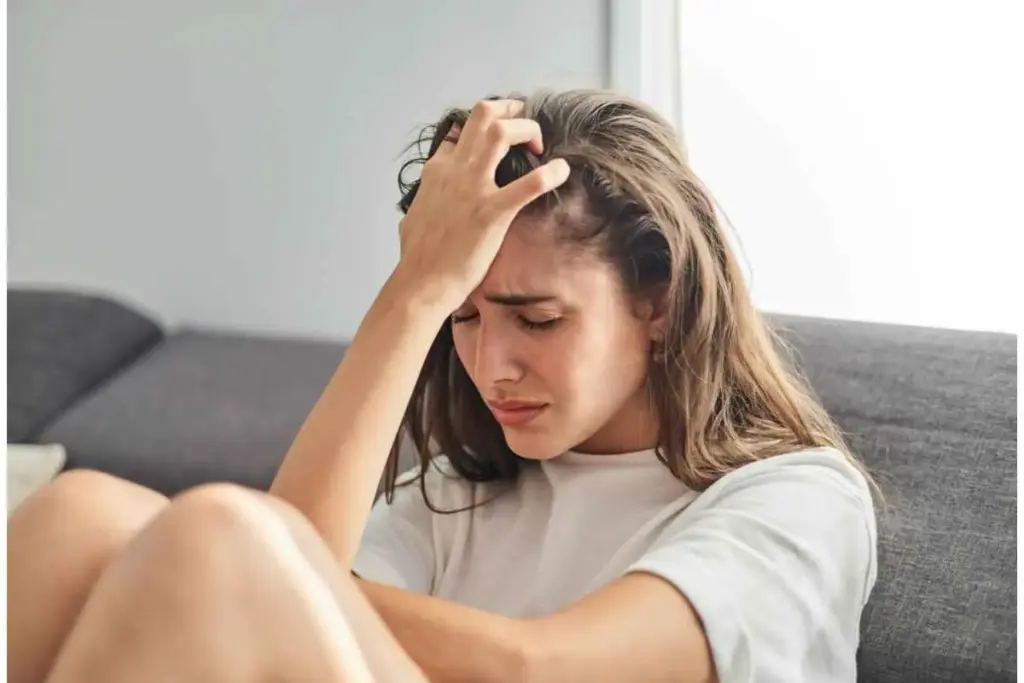
Many seniors face mental health challenges later in life. Older adult anxiety often comes from big life changes or health issues. It’s not just a part of aging, but a serious issue needing professional help.
We offer modern ways to bring back peace and happiness. Treating seniors usually means combining therapy and medicine that fits their needs. Our goal is to help families deal with these challenges with care and expertise.
Across the globe, millions feel these feelings as they age. We aim to give top-notch care to everyone. By understanding the causes, we can better support mental health and well-being.
We focus on keeping our patients’ quality of life high. Dealing with ongoing nervousness needs patience and the right tools. We think that treating anxiety in the elderly starts with spotting symptoms early.
This guide gives a comprehensive look at improving life for our aging loved ones. We encourage you to explore these proven methods with us. Through education and support, we can help our seniors live well again.
Key Takeaways
- Early detection of nervousness significantly improves patient outcomes.
- Specialized therapy and medicine offer a balanced approach to wellness.
- Mental health challenges are not a normal part of the aging process.
- Personal care plans help restore daily peace and long-term joy.
- Professional guidance supports families during difficult health transitions.
- Consistent emotional support preserves the dignity of all seniors.
Understanding Anxiety in Elderly Adults

It’s key to understand anxiety in the elderly to give them the right care. As people get older, they face many changes. These can lead to anxiety.
Anxiety in older adults shows up in unique ways. It’s important to know the signs to help them quickly. Elderly individuals may worry a lot about their health, family, or money. This worry can really affect their daily life.
Common Symptoms of Anxiety in Seniors
Older adults may show different signs of anxiety. These include:
- Worrying too much about the future or past
- Physical symptoms like muscle tension, headaches, and stomach problems
- Emotional signs like mood swings, irritability, or feeling scared
These symptoms can really upset their daily routine. It’s vital to spot and tackle them fast.
Causes of Anxiety in Older Adults
Anxiety in older adults comes from many sources. These include:
- Long-term health issues that affect their body and mind
- Big life changes, like retirement or losing a loved one
- Personal losses, like losing independence or memory problems
Knowing these causes helps us find better ways to manage elderly anxiety. This can greatly improve their life quality.
7 Effective Methods for Treating Anxiety Elderly
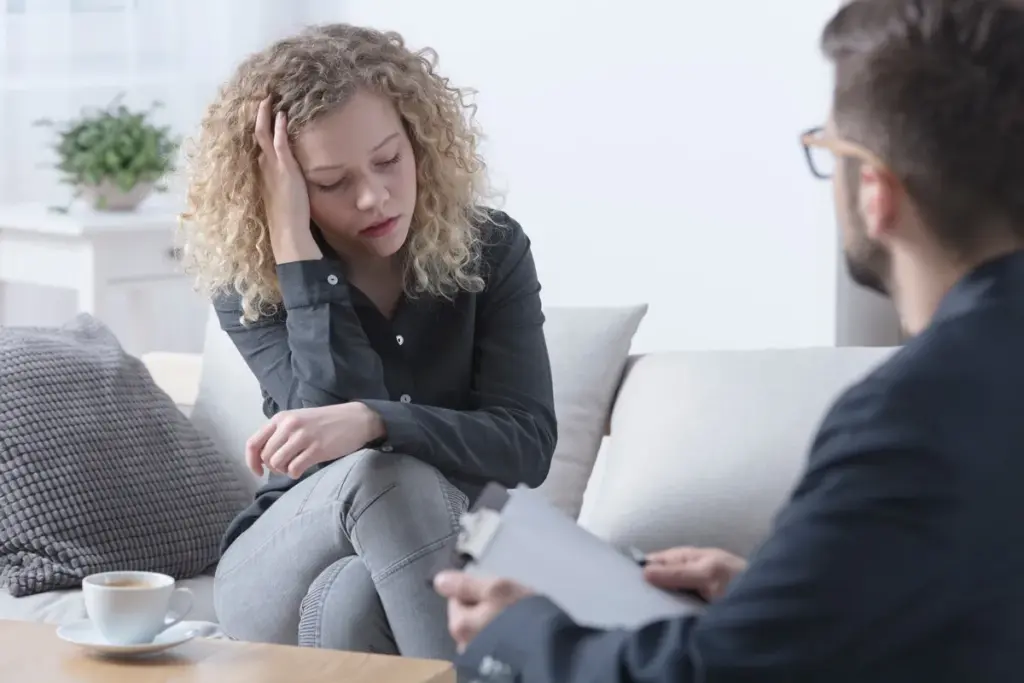
Dealing with anxiety in the elderly requires a mix of strategies. As we get older, our health can get more complicated. So, it’s key to use a wide range of methods to manage anxiety.
“Anxiety is a common issue for the elderly,” says Medical Expert, a top geriatric psychiatrist. “It needs a thoughtful, multi-faceted treatment plan.” This way, we not only treat the symptoms but also look at the person’s overall health.
1. Cognitive Behavioral Therapy for Senior Anxiety
Cognitive Behavioral Therapy (CBT) is great for seniors with anxiety. It helps them change negative thoughts that cause anxiety. By changing how they think, CBT can really help reduce anxiety.
CBT Techniques for Seniors:
- Identifying and challenging negative thoughts
- Learning relaxation techniques
- Developing problem-solving skills
2. Medication and Anti-Anxiety Drugs for the Elderly
Medications, like SSRIs and anti-anxiety drugs, are key in managing anxiety in seniors. It’s important to work with a doctor to find the right medicine and dose.
SSRIs are often the first choice because they work well and have fewer side effects.
3. Regular Physical Exercise and Movement
Exercise is good for both body and mind. Activities like walking, swimming, or tai chi can help by releasing happy hormones and calming the mind.
4. Mindfulness and Relaxation Techniques
Mindfulness, including meditation and deep breathing, can help seniors with anxiety. These practices can be adjusted to fit each person’s needs and abilities.
By using these methods, we can give seniors with anxiety the care they need. It’s important to make the treatment plan fit each person’s unique situation.
Conclusion
Managing anxiety in older adults needs a personal touch. It’s important to understand their unique needs and situations. This way, we can create treatment plans that really work.
We’ve looked at different ways to help older adults with anxiety. These include therapy, medicine, exercise, and mindfulness. Each method helps improve their life quality.
It’s key to involve family in the care process. We must also watch how treatments affect them. This ensures older adults get the support they need to live without anxiety.
By treating anxiety in older adults with care and understanding, we can greatly improve their well-being. This approach makes a big difference in their lives.
FAQ
What are the most common old age anxiety symptoms we should look for?
Common signs include excessive worry, restlessness, sleep problems, irritability, and physical symptoms like palpitations or dizziness linked to Anxiety.
What are the primary causes of anxiety in older adults?
Causes include chronic illness, loneliness, medication side effects, cognitive decline, and major life changes like retirement or loss.
How do we approach the management of anxiety in the elderly?
Management combines reassurance, routine, therapy, and treating underlying medical issues. Family support plays a key role.
What options are available for anxiety treatment for elderly patients?
Treatment includes therapy (like CBT), relaxation techniques, and medications when necessary. A personalized approach works best.
Are there specific medications recommended for treating anxiety in the elderly?
Doctors may prescribe low-dose SSRIs or similar medications carefully. Drug choice depends on overall health and risks.
How does older adult anxiety differ from anxiety in younger populations?
Older adults often show more physical symptoms and may underreport emotional distress. It’s frequently linked to health conditions.
Can lifestyle changes significantly reduce anxiety in seniors?
Yes, regular exercise, social activity, good sleep, and a healthy diet can greatly reduce anxiety symptoms.
References
National Center for Biotechnology Information. Evidence-Based Medical Insight. Retrieved from https://pmc.ncbi.nlm.nih.gov/articles/PMC3163048/


 Departments
 Related Videos
 Our Doctors
 News
News


