
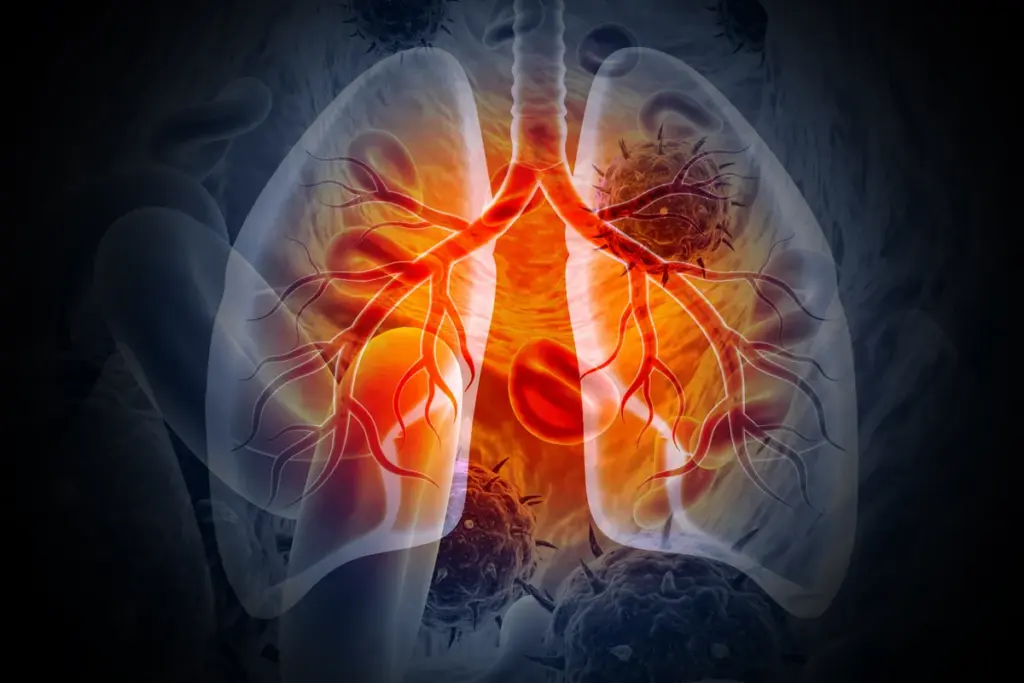
Lung diseases are a big health problem worldwide. They affect hundreds of millions of people of all ages. We aim to help those dealing with these issues.
Nearly 545 million people currently live with chronic respiratory conditions. It’s key to know about different lung diseases to manage and treat them well. Lung disease covers health issues that affect your airways or lung tissue. This includes asthma, COPD, pulmonary fibrosis, pneumonia, and lung cancer.
Knowing about these conditions helps us tackle lung health better. It improves life quality for those affected.
Key Takeaways
- Lung diseases are a leading health challenge globally.
- Nearly 545 million people live with chronic respiratory conditions.
- Understanding lung diseases is key for effective management.
- Common lung diseases include asthma, COPD, and lung cancer.
- Timely diagnosis and treatment can improve quality of life.
Understanding Lung Diseases and Their Global Impact
Lung diseases are a big problem worldwide. They cause a lot of sickness and death. These diseases include chronic respiratory issues, infections, and cancers.
What Are Lung Diseases?
Lung diseases affect the lungs and breathing system. Conditions like chronic obstructive pulmonary disease (COPD), asthma, and lung cancer fall into this category. Knowing about these is key to treating them well.
Global Statistics and Prevalence
Recent studies show that about 545 million people suffer from chronic respiratory diseases. This is about 7.4% of the world’s population. Here’s a look at some common lung conditions:
| Disease | Prevalence (millions) |
| COPD | 328 |
| Asthma | 262 |
| Lung Cancer | 2.1 |
What Are the 7 Most Common Lung Diseases?
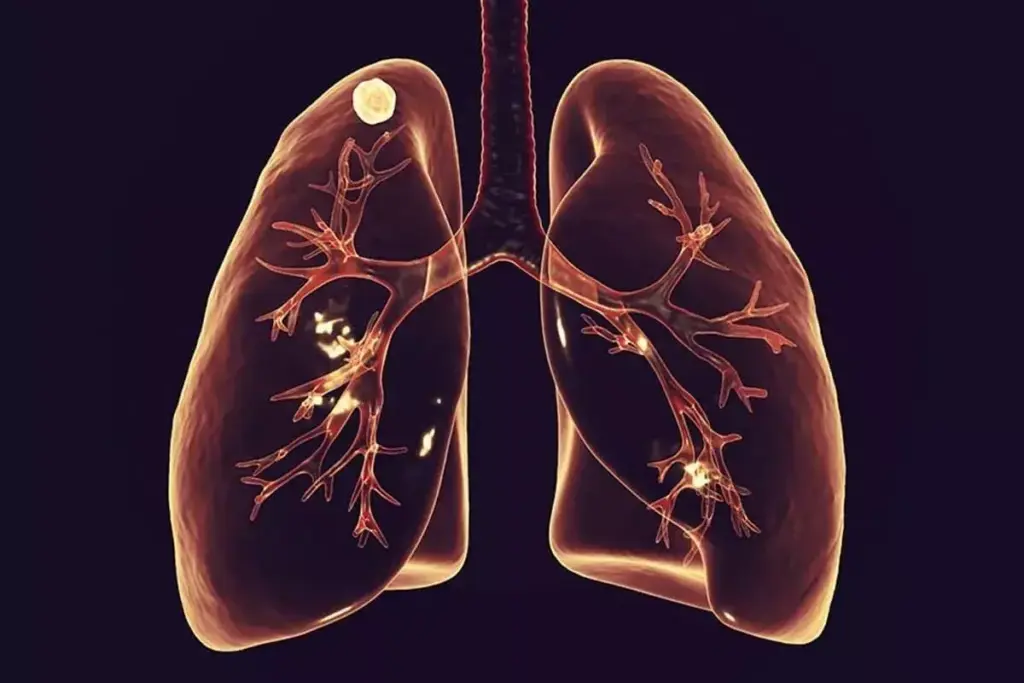
Lung diseases are many and affect the lungs and breathing system. They can change how we live. We’ll look at the 7 most common lung diseases and what they mean for health.
Chronic Obstructive Pulmonary Disease (COPD)
COPD is a lung disease that gets worse over time. It’s mainly caused by smoking and pollution. People with COPD have trouble breathing and cough a lot. To feel better, they need to change their lifestyle, take medicine, and do exercises to help their lungs.
For more info on COPD and other lung diseases, check out WebMD’s lung diseases overview.
Asthma
Asthma is a long-term disease that makes breathing hard. It’s caused by things like allergens and pollution. Symptoms include wheezing, coughing, and feeling short of breath.
To manage asthma, avoid things that trigger it, use inhalers, and watch your symptoms closely. This helps prevent bad episodes.
Pneumonia and Acute Lower Respiratory Infections
Pneumonia is an infection that makes the lungs’ air sacs inflamed. It can be caused by bacteria, viruses, or fungi. Symptoms include coughing, fever, and trouble breathing.
Acute lower respiratory infections are big problems worldwide. Treatment depends on the cause and how bad it is. It can range from antibiotics to just helping the body recover.
Lung Cancer
Lung cancer is when cells in the lungs grow out of control. It’s often linked to smoking, genetics, and pollution. Symptoms include coughing, losing weight, and chest pain.
Treatment for lung cancer depends on how far it has spread. It can include surgery, chemo, or radiation therapy.
Tuberculosis (TB)
Tuberculosis is a disease caused by Mycobacterium tuberculosis. It mainly affects the lungs. Symptoms include coughing, fever, and losing weight.
Treatment for TB is long and involves antibiotics. It’s important to finish the treatment to avoid the disease becoming resistant.
Cystic Fibrosis
Cystic fibrosis is a genetic disorder that damages the lungs and other organs. Symptoms include a persistent cough, lung infections, and poor growth. Treatment includes medicines, breathing therapy, and nutrition to improve life quality.
Bronchitis
Bronchitis is inflammation of the bronchial tubes. It’s often caused by infections or irritants. Symptoms include coughing and mucus production.
Acute bronchitis usually gets better on its own. But chronic bronchitis is part of COPD. Treatment focuses on managing symptoms and treating the cause.
Knowing about these 7 lung diseases is key to early diagnosis and treatment. By understanding each disease, we can help patients live better lives.
Diagnosis and Treatment Options for Respiratory Conditions
It’s important for patients and healthcare providers to know about diagnosis and treatment for respiratory conditions. To find out what’s causing symptoms, doctors use different tests and procedures.
Common Diagnostic Methods
Here are some common ways to diagnose lung diseases:
- Spirometry to measure lung function
- Chest X-rays and CT scans to see lung structures
- Bronchoscopy to look at the airways
These tests help doctors figure out the exact condition and how serious it is.
Treatment Approaches and Management
Treatment for lung diseases depends on the condition. It may include:
- Medications like bronchodilators and corticosteroids
- Lifestyle changes, like quitting smoking and exercising
- Pulmonary rehabilitation to boost lung function and health
Effective management of lung diseases needs a plan made just for the person.
Prevention Strategies
To prevent lung diseases, it’s key to reduce risk factors. This includes:
- Avoiding tobacco smoke and air pollution
- Getting vaccinated against flu and pneumonia
- Living a healthy lifestyle with good diet and exercise
By being proactive, people can lower their chances of getting lung diseases.
Conclusion
We’ve looked at the seven most common lung diseases. These include COPD, asthma, pneumonia, and lung cancer. They are big problems worldwide.
Managing lung diseases well means early diagnosis and the right treatment. We also need to prevent them. Knowing about these diseases helps us help those who have them.
Learning about lung diseases is key. It shows us how important it is to be aware and take action. Lists of respiratory diseases and disorders are great tools for patients and doctors.
Working together to fight respiratory diseases can make a big difference. It can help patients and lessen the global problem. We must keep learning and sharing about lung health and how to prevent lung diseases.
FAQ:
What are the most common types of lung diseases?
Lung diseases are broadly categorized into airway diseases (like asthma and COPD), lung tissue diseases (such as pulmonary fibrosis), and lung circulation diseases (like pulmonary hypertension).
What are the symptoms of lung diseases?
Common symptoms include a persistent cough lasting over three weeks, shortness of breath during daily activities, wheezing, chest tightness, and coughing up mucus or blood.
How are lung diseases diagnosed?
Diagnosis typically involves spirometry to measure airflow, imaging tests like chest X-rays or CT scans to view lung structure, and arterial blood gas tests to check oxygen levels.
What are the treatment options for lung diseases?
Treatments vary by condition but often include bronchodilators and inhaled steroids for airway opening, supplemental oxygen therapy, pulmonary rehabilitation, and, in severe cases, lung surgery or transplant.
Can lung diseases be prevented?
Most lung diseases are preventable by avoiding smoking and vaping, reducing exposure to air pollution and occupational toxins, and staying up to date on vaccinations like the flu, COVID-19, and pneumonia shots.
How can I manage my lung disease?
Management involves adhering to your medication schedule, participating in pulmonary rehabilitation, monitoring your symptoms daily, and using a “pursed-lip” breathing technique to control shortness of breath.
What is the impact of lung diseases on global health?
Lung diseases are a leading cause of death worldwide, with COPD alone projected to cost the global economy over $4 trillion by 2050 due to healthcare expenses and lost productivity.
Are there any new treatments or research for lung diseases?
Current research is investigating the use of the diabetes drug Metformin to slow lung scarring in COPD and exploring B-cell therapies (like Rituximab) to treat interstitial lung disease associated with autoimmune conditions.
What are the most common types of lung diseases?
Lung diseases are broadly categorized into airway diseases (like asthma and COPD), lung tissue diseases (such as pulmonary fibrosis), and lung circulation diseases (like pulmonary hypertension).
What are the symptoms of lung diseases?
Common symptoms include a persistent cough lasting over three weeks, shortness of breath during daily activities, wheezing, chest tightness, and coughing up mucus or blood.
How are lung diseases diagnosed?
Diagnosis typically involves spirometry to measure airflow, imaging tests like chest X-rays or CT scans to view lung structure, and arterial blood gas tests to check oxygen levels.
What are the treatment options for lung diseases?
Treatments vary by condition but often include bronchodilators and inhaled steroids for airway opening, supplemental oxygen therapy, pulmonary rehabilitation, and, in severe cases, lung surgery or transplant.
Can lung diseases be prevented?
Most lung diseases are preventable by avoiding smoking and vaping, reducing exposure to air pollution and occupational toxins, and staying up to date on vaccinations like the flu, COVID-19, and pneumonia shots.
How can I manage my lung disease?
Management involves adhering to your medication schedule, participating in pulmonary rehabilitation, monitoring your symptoms daily, and using a “pursed-lip” breathing technique to control shortness of breath.
What is the impact of lung diseases on global health?
Lung diseases are a leading cause of death worldwide, with COPD alone projected to cost the global economy over $4 trillion by 2050 due to healthcare expenses and lost productivity.
Are there any new treatments or research for lung diseases?
Current research is investigating the use of the diabetes drug Metformin to slow lung scarring in COPD and exploring B-cell therapies (like Rituximab) to treat interstitial lung disease associated with autoimmune conditions.
References:
National Center for Biotechnology Information. Evidence-Based Medical Insight. Retrieved from https://pmc.ncbi.nlm.nih.gov/articles/PMC12266273/



 Departments
 Related Videos
 Our Doctors
 News
News