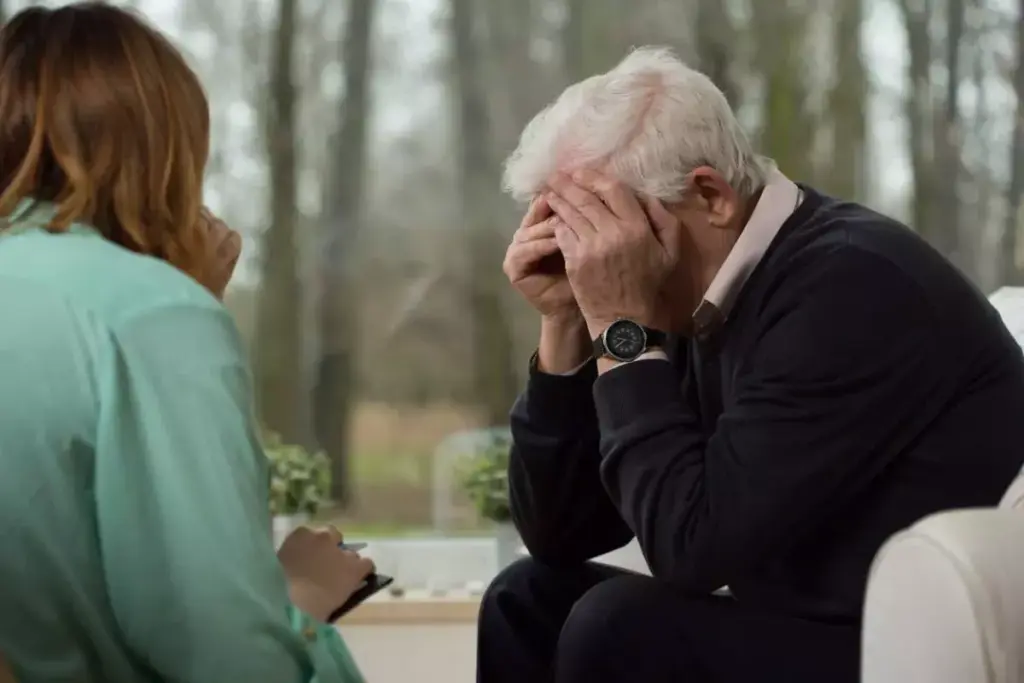
Geriatric Depression in older adults is a serious issue that affects millions globally. It shows up differently than regular sadness. It can cause physical symptoms, changes in thinking, and behavior changes.
We know that depression in old age is often missed. This leads to more suffering and decline. At Liv Hospital, we help older adults spot the signs of depression. These signs are different from those seen in younger people.
Understanding how depression affects older adults is key. This way, we can offer better support and treatment. There are advanced treatments available. A caring, team-based approach can really help.
Key Takeaways
- Depression in older adults is often underrecognized and undertreated.
- Symptoms can be mistaken for normal aging or medical conditions.
- A compassionate, multidisciplinary approach is essential for effective treatment.
- Advanced treatment options are available for older adults with depression.
- Understanding the unique signs and symptoms is critical for effective support.
Understanding Depression in the Elderly Population
Depression in older adults is a complex issue. As we age, many physical, emotional, and social changes can lead to depression.
It’s important to know that depression in older adults can show up differently than in younger people. Often, it presents with physical symptoms instead of emotional ones.
Why Geriatric Depression Often Goes Undiagnosed
Geriatric depression is often missed because its symptoms can look like other age-related issues. For example, older adults might feel physical pain, be tired, or lose their appetite. These symptoms are often blamed on chronic illnesses or aging, not depression.
| Factors Contributing to Undiagnosed Geriatric Depression | Description |
| Somatic Symptoms | Physical complaints that overshadow emotional symptoms |
| Chronic Illnesses | Presence of multiple health conditions that can mask depression |
| Cognitive Decline | Memory loss or confusion that can hide depressive symptoms |
| Social Isolation | Lack of social interaction that can exacerbate depression |
How Depression Manifests Differently in Older Adults
In older adults, depression can show up in many ways that are not common in younger people. These include big changes in appetite or weight, sleep problems, and physical issues like headaches or chronic pain.
Also, older adults might have cognitive symptoms like memory loss or trouble concentrating.
We need to understand these differences to give the right care and support. By knowing how depression shows up in older adults, we can spot those at risk and help them sooner.
7 Key Signs of Geriatric Depression
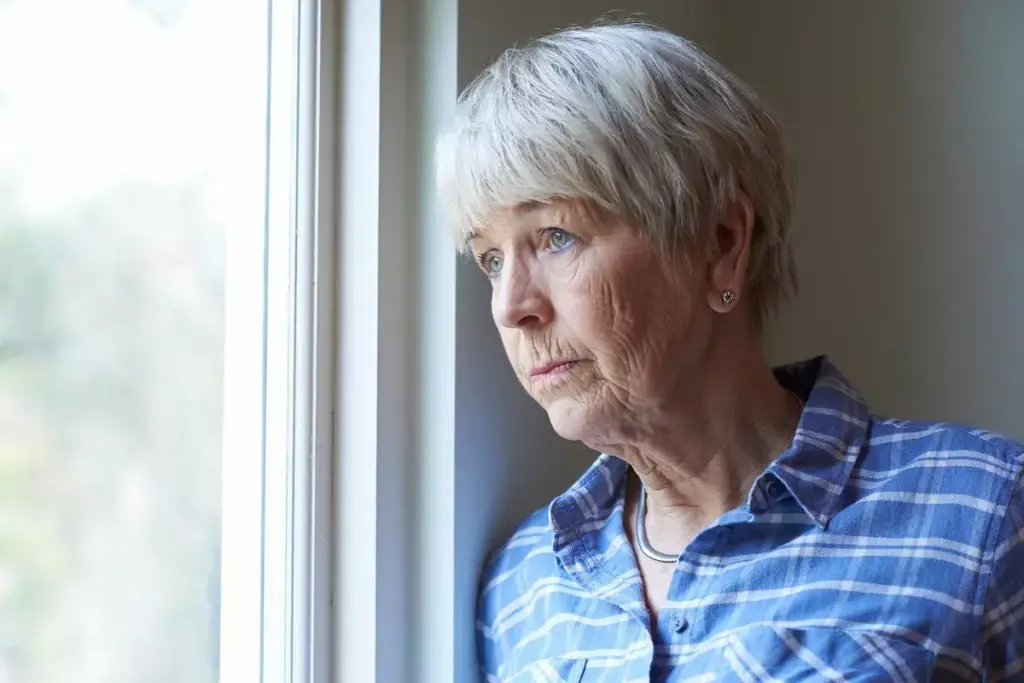
Geriatric depression is different in older adults than in younger people. It’s important to know the signs to help them. We’ll talk about the 7 main signs of geriatric depression, explaining each one.
Persistent Physical Pain and Unexplained Aches
Older adults with depression often have chronic pain. This pain can be a sign of their depression, not just a physical issue. This pain can really limit their daily life. It’s key to understand that this pain might not have a clear cause and could be linked to their depression.
Chronic Fatigue and Lack of Energy
Feeling tired all the time is common in older adults with depression. They might not want to do things they used to enjoy. This tiredness is often mistaken for a physical problem, but it’s usually a sign of depression.
Significant Appetite Loss and Weight Changes
Changes in appetite and weight are signs of geriatric depression. Older adults might eat less or more, leading to weight changes. It’s important to watch these changes because they can be serious.
Memory Loss and Poor Concentration
Memory loss and trouble concentrating are more common in older adults with depression. They might find it hard to make decisions or remember things. This can be mistaken for dementia, which makes it harder to diagnose.
5. Social Withdrawal and Isolation
Older adults with depression often pull back from social activities. They might not want to do things or feel like they’re not worth it. It’s important to help them stay connected with others.
6. Feelings of Worthlessness and Guilt
Feeling worthless and guilty is common in older adults with depression. They might feel like they’re a burden or regret their past choices. It’s important to listen to them with kindness and understanding.
7. Recurrent Thoughts of Death or Suicide
In severe cases, depression can lead to thoughts of death or suicide. These thoughts need to be taken seriously and addressed right away. Early help can prevent tragic outcomes.
Knowing these 7 signs of geriatric depression is the first step to helping them. Understanding how depression affects older adults helps us provide better care and improve their lives.
Recognizing Risk Factors and Seeking Help
Knowing the risk factors for depression in older adults can greatly improve their life. As we get older, many things can lead to depression. It’s key to know these risks and act quickly.
Common Medical Conditions That Increase Depression Risk
Some medical conditions raise the risk of depression in older adults. These include heart disease, diabetes, and dementia. These conditions can deeply affect a person’s life, both physically and mentally.
For example, someone who had a stroke might feel depressed because of their new physical limits. People with dementia may feel sad and frustrated due to memory loss and other cognitive issues.
Steps to Take When You Notice These Signs
If you or a loved one shows signs of depression, it’s important to act fast. The first thing to do is to consult with a healthcare professional. They can diagnose and suggest treatments like therapy, medication, or both.
Along with professional help, there are other steps to take. These include:
- Encouraging social interaction to fight loneliness and isolation.
- Supporting a routine that includes physical activity to boost mood.
- Helping manage chronic medical conditions well, as uncontrolled symptoms can worsen depression.
By understanding the risks and taking action, we can help older adults with depression. This improves their well-being and quality of life.
Conclusion
It’s very important to help older adults with depression. We can do this by spotting signs like constant pain, tiredness, and losing interest in food. Knowing these signs helps us support them better.
Knowing the risks, like certain health issues, is also key. This way, we can help seniors live happy and fulfilling lives. It’s vital to recognize and treat depression in older people to improve their mental health.
Together, we can make a big difference. By spreading awareness and providing the right care, we can help older adults with depression.
FAQ
What are the common signs of depression in older adults?
How does depression manifest differently in older adults compared to younger individuals?
What medical conditions increase the risk of depression in older adults?
What steps should be taken when signs of geriatric depression are noticed?
Can depression in older adults be treated?
How can family members and caregivers support older adults with depression?
Are there any specific treatments for depression in older men?
How does social isolation contribute to depression in older adults?
References
National Center for Biotechnology Information. Evidence-Based Medical Insight. Retrieved from https://pmc.ncbi.nlm.nih.gov/articles/PMC9741828/[5



 Departments
 Related Videos
 Our Doctors
 News
News