Will benadryl help itchy skin? Get the essential guide on dosage and side effects, and when it’s the best option for allergy relief.
Itchy skin can be really annoying and hard to deal with. Many people try Benadryl to find relief. But does it actually help? Benadryl has diphenhydramine, an antihistamine that stops histamine. Histamine is a compound linked to allergic reactions.
We’ll look into how Benadryl works for itchy skin and if it really helps. Understanding diphenhydramine’s role and its effect on itching will help us see if Benadryl is good for itchy skin.
Key Takeaways
- Benadryl’s active ingredient, diphenhydramine, is an antihistamine that can help alleviate itchy skin caused by allergic reactions.
- The effectiveness of Benadryl for itchy skin depends on the underlying cause of the itching.
- Benadryl may not be suitable for all types of itchy skin conditions.
- Alternative treatments may be more effective for certain types of itching.
- It’s essential to consult a healthcare professional before using Benadryl for itchy skin.
Understanding Itchy Skin: Causes and Mechanisms
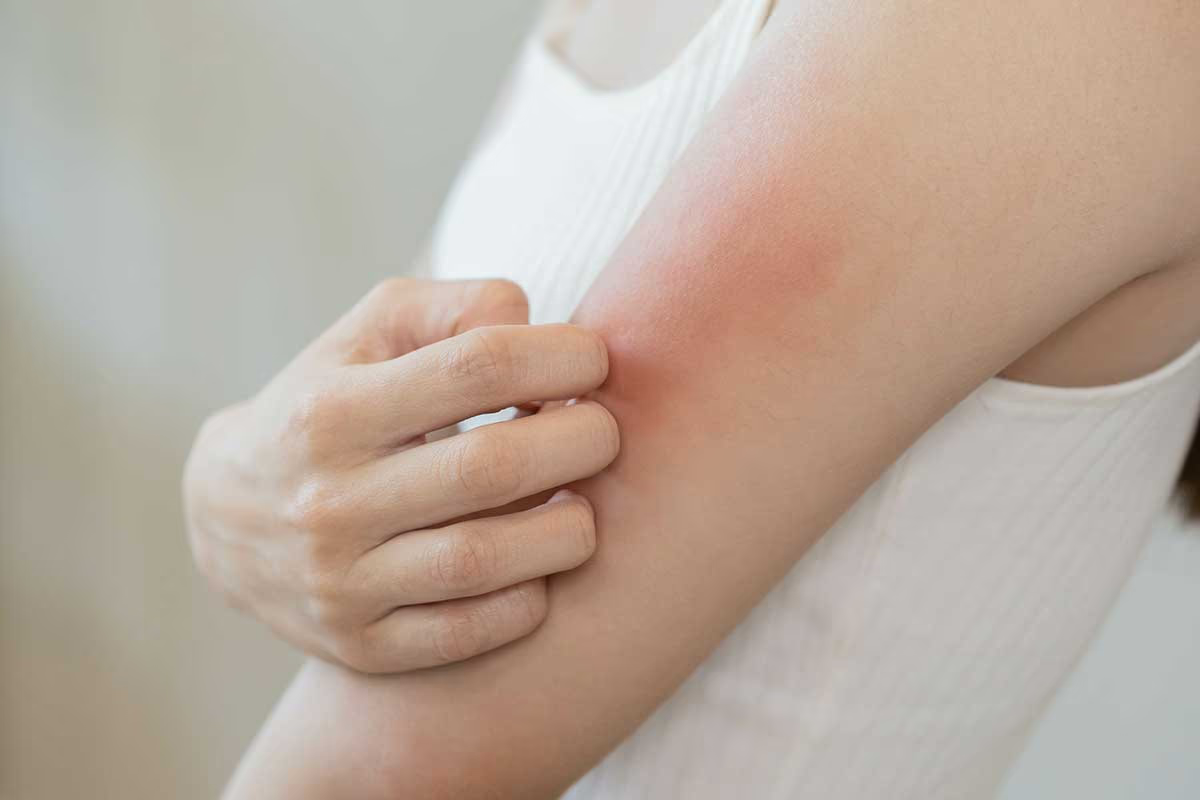
Itchy skin, also known as pruritus, is a common issue that can really impact your life. The itch can be mild or very strong. It can also last for a short time or for a long time.
Many things can make your skin itch. We’ll look at what these are and how they cause itching.
Common Triggers for Skin Itching
There are many things that can make your skin itch. These include:
- Allergic reactions to things like pollen or certain metals
- Insect bites or stings
- Skin conditions like eczema, psoriasis, or dermatitis
- Dry skin (xerosis)
- Certain medications
These things can make chemical mediators release. This release is what causes the itch.
The Role of Histamine in Itchy Skin
Histamine is very important in allergic reactions and in itchy skin. When an allergen gets into your body, it can make histamine release from mast cells.
Histamine makes blood vessels get bigger. This increases blood flow. It can cause the symptoms of allergic reactions, like itching.
Types of Pruritus (Itching)
Pruritus can be different based on where it comes from and what it’s like.
|
Type of Pruritus |
Description |
|---|---|
|
Pruritoceptive |
It comes from the skin, often because of dry skin, eczema, or other skin problems. |
|
Neuropathic |
It’s caused by nerve damage or diseases that affect the nervous system. |
|
Neurogenic |
It’s due to systemic diseases or conditions that aren’t directly related to the skin or nerves. |
What is Benadryl? An Overview of the Medication
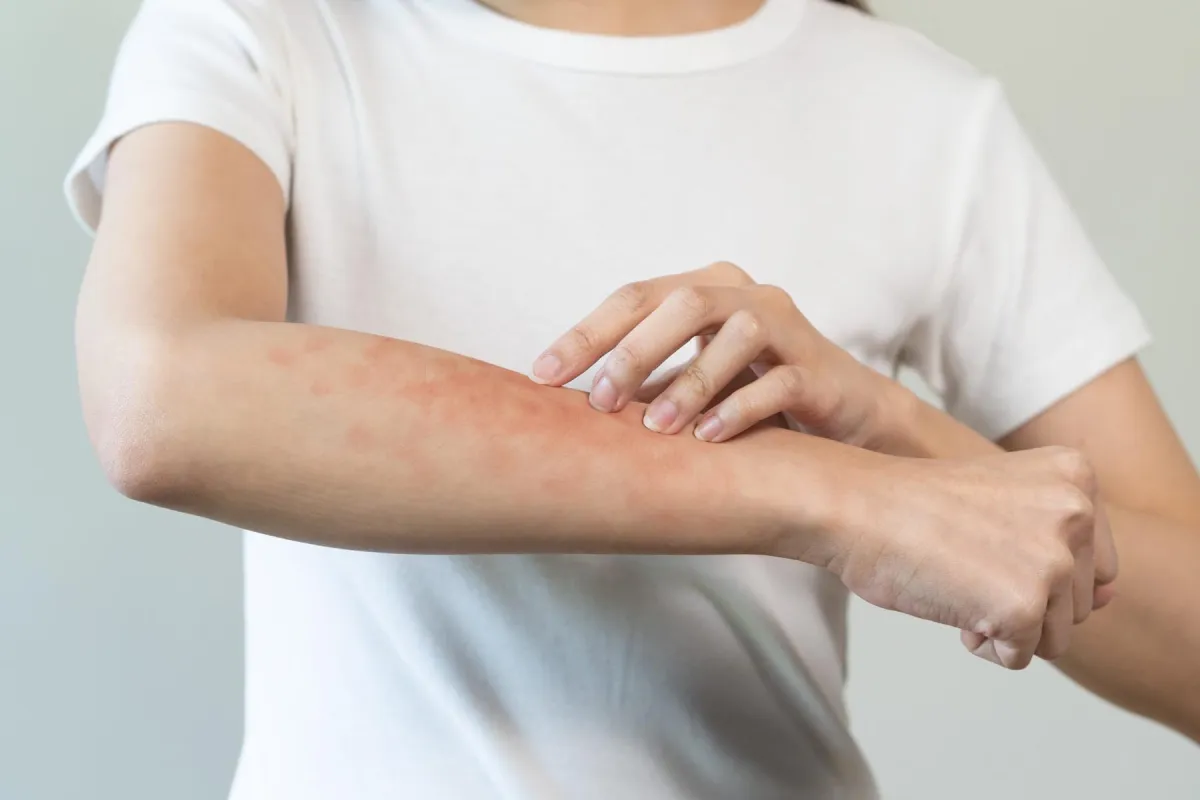
When we talk about treating itchy skin, Benadryl is a key player. It’s an antihistamine that helps with allergic symptoms, including itchy skin.
The magic behind Benadryl is its active ingredient, diphenhydramine. This is what makes it effective in relieving itchy skin.
Active Ingredient: Diphenhydramine
Diphenhydramine is a type of antihistamine that’s been around for a long time. It blocks histamine receptors in the body. This action reduces symptoms like itching, sneezing, and a runny nose.
Different Formulations Available
Benadryl comes in many forms to meet different needs. You can find it as tablets, liquid gels, creams, or gels. This variety makes it easy to pick the right one for your condition.
|
Formulation |
Description |
Use Case |
|---|---|---|
|
Oral Tablets |
Easy to consume, systemic relief |
General allergic reactions, itchy skin |
|
Liquid Gels |
Fast absorption, convenient |
Quick relief from itching and allergic symptoms |
|
Topical Creams/Gels |
Direct application to affected area |
Localized relief from itching and skin irritation |
How Antihistamines Work
Antihistamines, like diphenhydramine, block histamine receptors. These receptors trigger allergic reactions. By blocking them, Benadryl reduces symptoms like itching and others.
Understanding Benadryl’s mechanism and its forms helps us see its importance in treating itchy skin from allergies.
How Benadryl Works to Relieve Itching
To understand how Benadryl helps with itchy skin, we need to look at its antihistamine action. Benadryl, with its active ingredient diphenhydramine, fights histamine in the body.
The Antihistamine Mechanism
Histamine is a chemical that causes itching, redness, and swelling in allergic reactions. When an allergen enters the body, it triggers histamine release from mast cells. This leads to symptoms like itchy skin.
Benadryl blocks histamine receptors, reducing symptoms caused by histamine. By stopping these receptors, Benadryl lessens itching, helping those with itchy skin from allergies.
Blocking Histamine Receptors
Blocking histamine receptors is key to understanding Benadryl’s relief of itching. Here’s how it works:
- Histamine binds to receptors on cells, causing an allergic response.
- Benadryl competes with histamine for these sites, blocking its action.
- By blocking these receptors, Benadryl reduces allergic symptoms, including itching.
Additional Anti-Inflammatory Effects
Beyond its antihistamine action, Benadryl may also have anti-inflammatory effects. These effects help reduce inflammation from allergic reactions, easing itching and discomfort.
Benadryl’s antihistamine and anti-inflammatory actions make it a good treatment for itchy skin from allergies. But, it’s important to know the cause of itching and see a healthcare professional for the right treatment.
Will Benadryl Help Itchy Skin? The Clinical Evidence
To know if Benadryl works for itchy skin, we need to look at the evidence. We’ll check out the success rates from studies, the 20-60-20 rule, and what can change how well it works.
Success Rates from Research Studies
Many studies have looked at Benadryl’s effect on itchy skin. Research shows Benadryl can help with some skin issues, but how well it works depends on the cause. For example, a study in the Journal of Allergy and Clinical Immunology found Benadryl helped a lot with urticaria.
Success rates differ in studies, but they show Benadryl can help with itchy skin from allergies. But, it’s not as clear for other reasons like chronic skin problems.
The 20-60-20 Rule of Effectiveness
The 20-60-20 rule is a rough guide. It says about 20% of people get full relief, 60% get some relief, and 20% get no relief from Benadryl. This rule isn’t set in stone and can change based on the condition and the person.
This shows the need for personalized treatment plans. What works for one person might not work for another, even with the same problem. Things like how bad the problem is, other health issues, and how well someone can take the medicine can all play a part.
Factors Affecting Treatment Response
Many things can change how well Benadryl works for itchy skin. These include the reason for the itch, how bad it is, the person’s age, and other health problems. For example, Benadryl works better for itchy skin from allergies than for chronic skin issues like eczema.
- The type of Benadryl used (oral or topical) can make a difference.
- Following the recommended dose is key to getting relief.
- Other medicines can affect how well Benadryl works and how safe it is.
Knowing these factors helps doctors make treatment plans that fit each person’s needs. This way, Benadryl can work best to relieve itchy skin.
Skin Conditions That Respond Well to Benadryl
Benadryl is a versatile medication that helps with many skin conditions. It relieves itching and discomfort. Its main ingredient, diphenhydramine, blocks histamine receptors. This is what usually causes itching in allergic reactions.
Hives and Urticaria
Hives are itchy, raised welts on the skin. They can appear anywhere on the body. Benadryl is great for hives because it fights itching.
Insect Bites and Stings
Insect bites and stings can be very itchy. Benadryl reduces the itching by blocking histamine. This makes the itching less bothersome.
Poison Ivy and Plant Reactions
Touching plants like poison ivy can cause severe itching. Benadryl can help with the itching, but it won’t stop the rash.
Sunburn-Related Itching
Sunburn can make the skin itch as it heals. Benadryl can help with this itching, even though it’s not a sunburn treatment.
To better understand how Benadryl compares across these conditions, let’s examine the following table:
|
Condition |
Benadryl Effectiveness |
Additional Relief Measures |
|---|---|---|
|
Hives/Urticaria |
High |
Avoid triggers, cool compresses |
|
Insect Bites/Stings |
Moderate to High |
Calamine lotion, cold packs |
|
Poison Ivy/Plant Reactions |
Moderate |
Wash exposed area, calamine lotion |
|
Sunburn-Related Itching |
Moderate |
Moisturize, avoid further sun exposure |
Benadryl works best for hives and urticaria. It’s also good for insect bites, poison ivy, and sunburn itching. It’s often used with other treatments for the best results.
When Benadryl May Not Be Effective
Benadryl is not a cure-all for itchy skin. Its success depends on the cause of the itch. It works for many, but not in all cases.
Non-Histamine Related Itching
Itching can stem from many sources, not just histamine. If the itch isn’t from histamine, Benadryl might not help. For example, liver or kidney issues can cause itching that Benadryl can’t fix.
Chronic Skin Conditions Like Eczema
Eczema, or atopic dermatitis, is complex and not just about histamine. Benadryl can help a bit, but it’s not enough for chronic eczema. Managing eczema often needs a mix of treatments, like creams, moisturizers, and sometimes stronger drugs.
Contact Dermatitis Limitations
Contact dermatitis, whether from irritation or allergy, also limits Benadryl’s use. The inflammation and itch from contact dermatitis might not be fully treated by antihistamines. Creams with corticosteroids are usually better for these symptoms.
The following table summarizes the effectiveness of Benadryl for different itchy skin conditions:
|
Condition |
Benadryl Effectiveness |
Recommended Alternative/Additional Treatment |
|---|---|---|
|
Histamine-related itching (e.g., hives) |
High |
Antihistamines |
|
Non-histamine related itching (e.g., liver conditions) |
Low |
Treat underlying condition |
|
Eczema (atopic dermatitis) |
Moderate (for mild cases) |
Topical corticosteroids, moisturizers |
|
Contact dermatitis |
Limited |
Topical corticosteroids |
In conclusion, Benadryl is helpful for itchy skin, but its success depends on the cause. Knowing the cause is key to finding the right treatment.
Oral vs. Topical Benadryl for Itchy Skin
Understanding the difference between oral and topical Benadryl is key for itchy skin relief. Both types are designed to help, but they work differently.
Comparing Effectiveness
Oral Benadryl, with diphenhydramine, is absorbed into the body and helps with allergic itchiness. Topical Benadryl is applied to the skin, giving relief where it’s needed most.
Oral Benadryl works well for itching all over, like with hives. But, it might make you feel sleepy because it’s absorbed by the whole body.
Topical Benadryl is great for itching in one spot, like from bug bites. It’s less likely to cause side effects compared to taking it by mouth.
Absorption and Onset of Action
Oral Benadryl starts working fast, usually in 15 to 30 minutes, because it goes straight into the blood. Topical Benadryl takes longer, often 30 minutes to an hour, as it has to get through the skin.
When to Choose Each Form
Use oral Benadryl when:
- You have itching all over your body.
- You’re dealing with an allergy that affects many areas.
Use topical Benadryl when:
- You’re itching in one area, like from bug bites.
- You want to avoid side effects from taking it by mouth.
Combining Approaches for Better Relief
At times, using both oral and topical Benadryl can help more, for severe itching. But, always follow the dosage and talk to a doctor to avoid side effects.
|
Formulation |
Onset of Action |
Best for |
|---|---|---|
|
Oral Benadryl |
15-30 minutes |
Widespread itching, allergic reactions |
|
Topical Benadryl |
30 minutes to 1 hour |
Localized itching, minor skin irritations |
Proper Dosage and Application Methods
Knowing the right dosage and how to apply Benadryl is key to relieving itchy skin. Benadryl is an antihistamine used for itching from different skin issues. It’s important to use it as directed for safe and effective relief.
Recommended Dosages for Adults
Adults usually take 25-50 mg of Benadryl every 4-6 hours as needed. Don’t take more than 300 mg in 24 hours. Always read the label and follow the instructions. If unsure, talk to a healthcare professional.
Important Consideration: Check the active ingredient. Some products have extra ingredients that might interact with other meds.
Pediatric Considerations and Safety
Children’s dosages depend on their age and weight. Always check with a pediatrician or follow the product’s instructions. Children’s Benadryl comes in liquid and chewable tablets.
Caution: Never give children adult-strength Benadryl. It can be very dangerous.
Application Techniques for Topical Formulations
For topical Benadryl like creams or sprays, apply a thin layer to the affected area. Rub it in until it’s fully absorbed. Don’t apply it on broken skin or open wounds.
- Clean the affected area before application.
- Use the product as directed, usually 2-3 times a day.
- Avoid covering the treated area with bandages or tight clothing.
Duration and Frequency of Use
The length and frequency of using Benadryl depend on the itching’s severity and cause. For short-term itching, use as needed. But for long-term itching, see a healthcare professional for a proper treatment plan.
Remember: If itching doesn’t get better or gets worse, get medical help. There might be a different condition that needs different treatment.
Potential Side Effects and Safety Concerns
Benadryl can help with itchy skin, but it’s important to know its side effects. We’ll look at common side effects, drug interactions, and special concerns for certain groups.
Common Side Effects
Benadryl can cause side effects in some people. The most common ones are:
- Drowsiness: It can make you very sleepy, affecting your daily life.
- Dizziness: Some people might feel dizzy or lightheaded.
- Dry mouth: It can reduce saliva, causing dry mouth.
- Constipation: It might slow down bowel movements, leading to constipation.
These side effects are usually mild and go away on their own. But if they don’t, or get worse, see a doctor.
Drug Interactions to Be Aware Of
Benadryl can interact with other drugs, causing problems. Some important interactions include:
- Other antihistamines: Taking more than one can increase side effects.
- Sedatives and tranquilizers: Mixing Benadryl with these can make you even sleepier.
- MAOIs: Certain antidepressants (MAOIs) can interact with Benadryl, causing more side effects.
Tell your doctor about all the drugs you’re taking to avoid bad interactions.
Special Considerations for Elderly Patients
Elderly people might be more affected by Benadryl’s side effects. This is because of changes in metabolism and sensitivity with age. Common issues include:
- Increased risk of falls: Dizziness and drowsiness can make falls more likely.
- Cognitive impairment: It can cause confusion or memory problems in older adults.
- Urinary retention: Older men with prostate issues might have trouble urinating.
For elderly patients, starting with lower doses and watching for side effects is often recommended.
When to Consult a Doctor
If you have any of these, see a doctor:
- Severe side effects: If side effects are bad or last a long time.
- Allergic reactions: Signs of an allergic reaction, like rash, itching, or swelling.
- No improvement: If Benadryl doesn’t help your itchy skin.
Also, talk to your doctor if you’re thinking about using Benadryl for a long time.
Long-Term Use and Alternatives for Chronic Itching
Managing chronic itching requires understanding the risks of long-term Benadryl use. Benadryl can help with itchy skin but long-term use can lead to dependency and cognitive issues.
Risks of Extended Benadryl Use
Using Benadryl for a long time can cause several problems. The main issue is becoming dependent on it to stop itching. It can also affect memory and focus, more so in older adults.
Other risks include dry mouth, dizziness, and stomach problems. Knowing these risks helps make better choices for managing itching.
Other Over-the-Counter Options
Looking for alternatives to Benadryl? Antihistamines like loratadine and cetirizine work without making you sleepy. Topical creams with hydrocortisone can also help with itching.
Products with menthol, camphor, or capsaicin can cool or numb the skin. Trying these options can reduce the risks of long-term Benadryl use.
Natural Remedies and Lifestyle Changes
There are natural ways and lifestyle changes to manage itching. Keeping your skin moisturized with gentle products can help. Oatmeal baths and wet wrap therapy are also good for itchy skin.
Wearing loose, breathable clothes and avoiding extreme temperatures can also help. Identifying and avoiding triggers is key to managing chronic itching.
Prescription Medications for Severe Cases
If OTC treatments don’t work for severe itching, prescription meds might be needed. Corticosteroids, immunosuppressants, and certain antidepressants can help with various skin conditions.
Seeing a healthcare professional is important to find the cause of itching and get a treatment plan. They can guide you through the best options and recommend what’s best for you.
Conclusion: Making an Informed Decision About Using Benadryl for Itchy Skin
We’ve looked into how Benadryl helps with itchy skin. We’ve talked about how it works, the evidence it has, and its side effects. Benadryl can be a good choice for some itchy skin, like when it’s caused by allergies.
Before using Benadryl for itchy skin, know why you’re itching. If it’s from allergies, like hives or bug bites, Benadryl might help. But for long-term skin issues like eczema, it might not work as well.
Think about a few things before using Benadryl for itchy skin. Know the reason for your itch, how bad it is, and your overall health. If you’re not sure why you’re itching or if it doesn’t go away, talk to a doctor for advice.
Understanding Benadryl’s effects and its good and bad points helps you decide if it’s right for you. If you’re itchy and wondering if Benadryl can help, we hope this info helps you make a choice.
FAQ
Does Benadryl help with itchy skin?
Yes, Benadryl can help with itchy skin. It works by blocking histamine receptors. This reduces itching and discomfort.
Can I take Benadryl for itchy skin?
Yes, you can take Benadryl for itchy skin. It comes in oral medications and topical creams or gels. Always follow the dosage and application methods for safe use.
Is Benadryl good for itchy skin caused by eczema?
Benadryl might not work well for eczema. Eczema often involves other pathways than histamine. You might need other treatments.
How does Benadryl relieve itching?
Benadryl relieves itching by blocking histamine receptors. This reduces the allergic response that causes itching. It also has anti-inflammatory effects that soothe the skin.
Can I use Benadryl for itchy skin caused by sunburn?
Yes, Benadryl can help with sunburn itchiness. It works by blocking histamine release. Just remember to follow the dosage and application guidelines.
What are the side effects of using Benadryl for itchy skin?
Benadryl can cause drowsiness, dizziness, and dry mouth. Be aware of these side effects. If they get worse, talk to a doctor.
Can I combine oral and topical Benadryl for better relief?
Using both oral and topical Benadryl might help some people. But, always follow the recommended dosages. Also, talk to a doctor to avoid side effects or interactions.
How long can I safely use Benadryl for itchy skin?
Benadryl is for short-term use. Long-term use can lead to dependence and other problems. Always consult a doctor for long-term itchy skin management.
Are there alternative treatments for chronic itching?
Yes, there are other treatments for chronic itching. This includes over-the-counter options, natural remedies, lifestyle changes, and prescription medications. A doctor can help find the best treatment for you.
Can Benadryl be used for itchy skin in children?
Benadryl can be used for children’s itchy skin. But, it’s important to follow the pediatric dosage guidelines. Always consult a doctor for safe use.
What should I do if Benadryl doesn’t work for my itchy skin?
If Benadryl doesn’t work, see a doctor. They can find the cause of your itchy skin and suggest other treatments.
References
National Center for Biotechnology Information. Evidence-Based Medical Guidance. Retrieved from https://pubmed.ncbi.nlm.nih.gov/22079122/