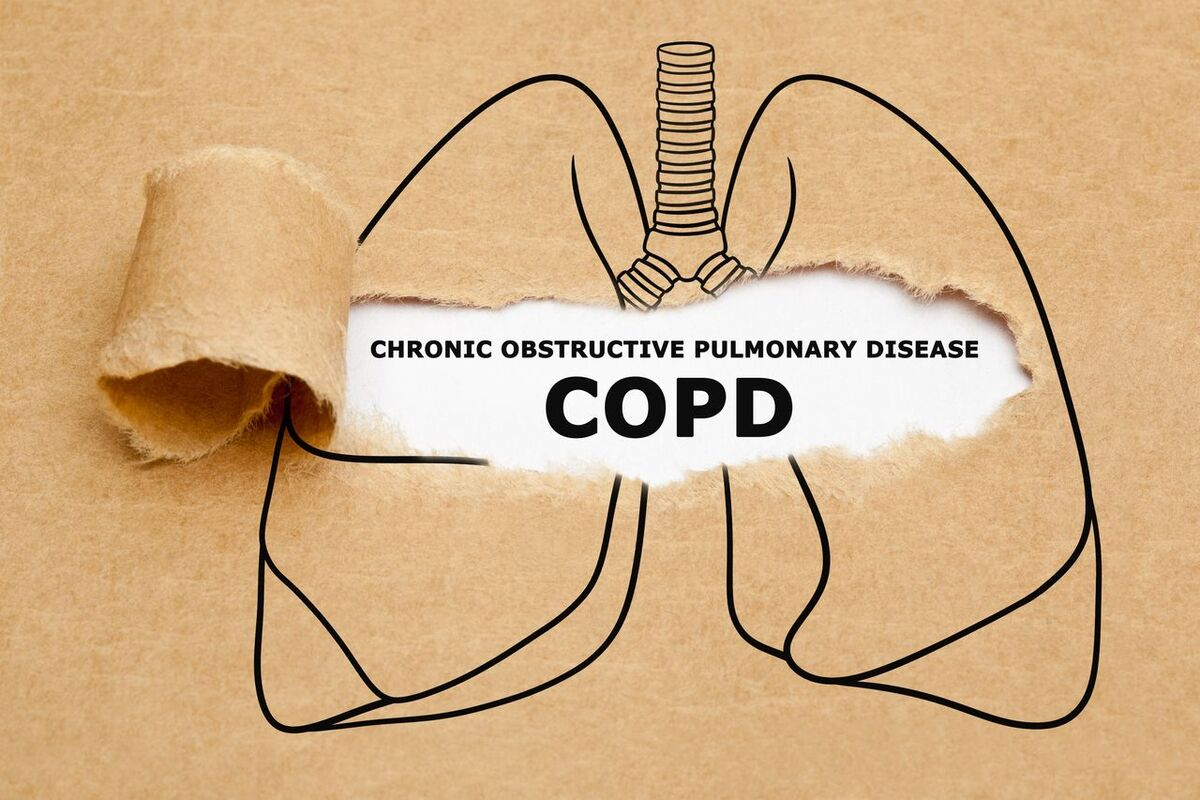
Understanding your COPD prognosis is vital. Learn how staging affects life expectancy and the best treatments to slow disease progression. Getting a chronic obstructive pulmonary disease diagnosis can be scary. It makes you worry about life expectancy and how well you’ll live. Knowing your prognosis helps you make better choices.
At Liv Hospital, we put our patients first. We use the latest treatments and team up with experts from different fields. Our aim is to give you meaningful hope and support as you deal with this condition.
Many things affect how long you might live with COPD. These include how bad your disease is, if you smoke, your age, and your overall health. We’ll look at these factors closely. We’ll also talk about COPD stages and how to manage them.
Key Takeaways
- Understanding your COPD diagnosis is key for making smart choices.
- How long you might live with COPD depends on several factors.
- Putting patients first can really improve your life quality.
- Starting treatment early and getting full care can give you hope.
- Liv Hospital’s team is here to support people with COPD.
Understanding COPD and Its Progressive Nature
It’s important for both patients and healthcare providers to understand COPD. This condition includes diseases like emphysema and chronic bronchitis. Knowing how it progresses is key to managing it well.
What is Chronic Obstructive Pulmonary Disease?
COPD gets worse over time if not treated. It causes increased breathlessness, chronic cough, and sputum production. The lungs get damaged, making breathing harder.
How COPD Affects the Respiratory System
The respiratory system is vital for exchanging oxygen and carbon dioxide. In COPD, airways get inflamed and lung tissue is damaged. This makes breathing difficult.
COPD impacts the respiratory system in several ways:
- Inflammation and damage to the airways
- Reduced lung function due to emphysema or chronic bronchitis
- Increased susceptibility to respiratory infections
Common Causes and Risk Factors
Several factors contribute to COPD. The biggest risk is smoking. But air pollution, occupational hazards, and genetic predisposition also play roles.
|
Risk Factor |
Description |
Impact on COPD |
|---|---|---|
|
Smoking |
The most significant risk factor for COPD, causing damage to the lungs and airways. |
High |
|
Air Pollution |
Exposure to pollutants can exacerbate COPD symptoms and contribute to its development. |
Moderate to High |
|
Occupational Hazards |
Certain workplaces expose individuals to harmful substances that can contribute to COPD. |
Moderate |
|
Genetic Predisposition |
Genetic factors, such as alpha-1 antitrypsin deficiency, can increase the risk of developing COPD. |
Varies |
COPD Staging and Life Expectancy Correlation
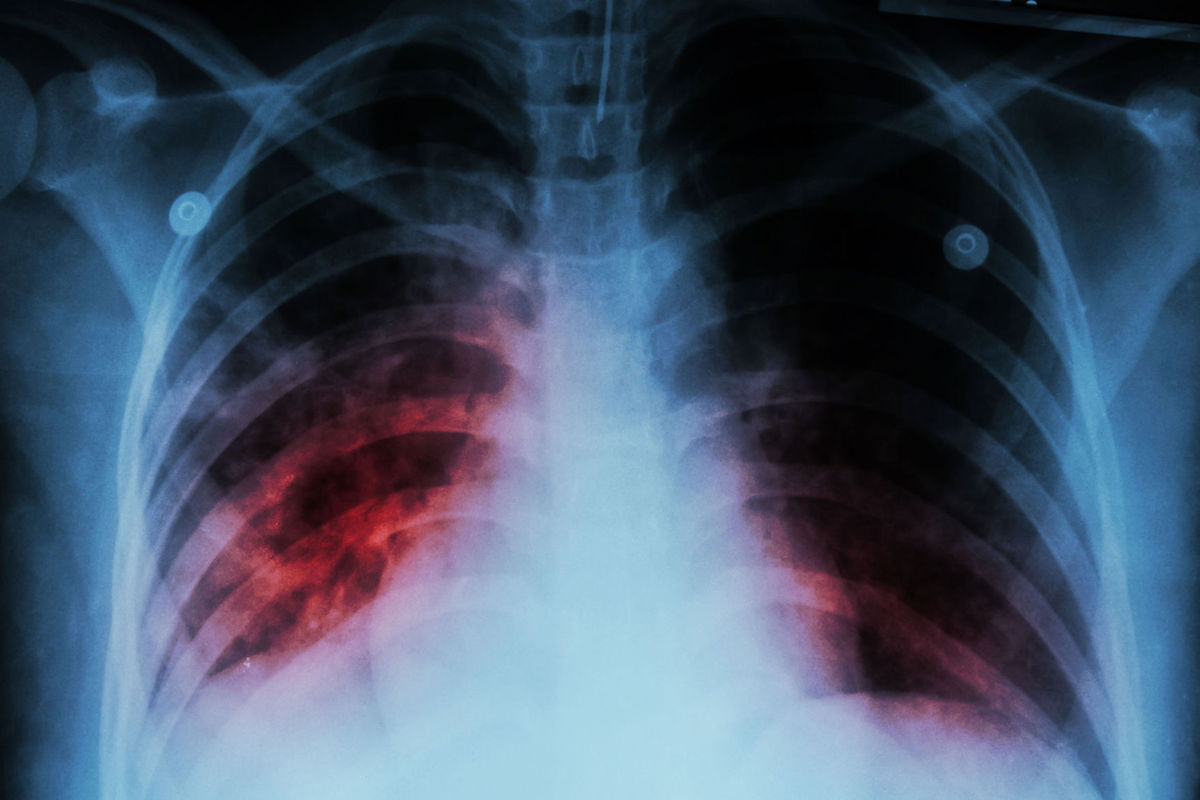
The link between COPD staging and life expectancy is key in managing the disease. COPD is a lung disease that gets worse over time. It’s divided into four stages, each showing a different level of severity.
Stage 1 (Mild COPD): Minimal Impact on Life Expectancy
At Stage 1, or mild COPD, symptoms are mild. They don’t usually affect daily life much. Life expectancy is usually the same as for people without COPD. But, it’s important for patients to make healthy lifestyle choices and follow management plans to slow the disease.
Stage 2 (Moderate COPD): Beginning Life Expectancy Reduction
When COPD reaches Stage 2, symptoms get worse. Patients may find it hard to breathe during physical activities. Life expectancy starts to decrease, but not by a lot. It’s important to stick to treatment plans and manage the disease well.
Stage 3 (Severe COPD): Significant Reduction in Years
Stage 3, or severe COPD, is a turning point. Symptoms worsen, and life expectancy drops more. Patients may need oxygen to breathe and experience shortness of breath even when resting. At this stage, getting the right care is critical.
Stage 4 (Very Severe COPD): Most Substantial Impact
Stage 4, or very severe COPD, means the disease has advanced a lot. Life expectancy is greatly reduced. On average, people with very severe COPD live about 2.5 years. But, this can change based on health, lifestyle, and how well the disease is managed.
Knowing the COPD stage helps patients and doctors plan better. This can improve life quality and chances of living longer.
COPD Prognosis: Statistical Overview
COPD is a disease that gets worse over time. It affects people differently based on its stage. Knowing how COPD affects life expectancy is key for doctors and patients to choose the best treatments.
Average Life Expectancy Reductions Across Stages
People with COPD live shorter lives than those without it. Those with severe COPD might lose eight to nine years of life. The disease’s effect on life expectancy changes with each stage:
- Stage 1 (Mild COPD): Minimal impact, with a mean life expectancy of 9.7 years after diagnosis.
- Stage 2 (Moderate COPD): Noticeable reduction in life expectancy.
- Stage 3 (Severe COPD): Significant reduction, with life expectancy substantially decreased.
- Stage 4 (Very Severe COPD): Most substantial impact, with a mean life expectancy of 3.4 years after diagnosis.
Early diagnosis and treatment are vital to slow COPD’s progress.
Post-Hospitalization Survival Rates
Survival rates after hospital stays for COPD are important. Studies show that life expectancy after hospitalization changes with COPD stage. For example, Stage 1 patients live about 9.7 years, while Stage 4 patients live about 3.4 years. Knowing these survival rates helps plan care after hospital stays.
Comparative Analysis with General Population
Comparing COPD patients to the general population shows the disease’s impact. People with severe COPD live much shorter lives. This comparison stresses the need for better treatments to help COPD patients.
Key statistics include:
- COPD patients face a higher risk of death than the general population.
- Life expectancy drops with each COPD stage, with severe stages having the biggest effect.
- Good management and treatment can improve survival and quality of life for COPD patients.
The Critical Impact of Smoking on COPD Life Expectancy
Smoking has a huge impact on COPD life expectancy. It greatly affects how fast the disease gets worse. Knowing your smoking history is key to understanding your COPD prognosis.
Current Smokers vs. Former Smokers
Research shows that current smokers with COPD have a worse outlook than former smokers. For example, at age 65, Stage 3 or 4 COPD smokers lose about 5.8 years of life. This is compared to non-smokers.
On the other hand, quitting smoking can help slow COPD’s progress. This improves life expectancy, even at different disease stages. The benefits of quitting vary based on when you stop smoking.
Never-Smokers with COPD
Even if you’ve never smoked, you can get COPD. This is often due to pollution or genetics. Life expectancy for never-smokers with COPD depends on these factors and any other health issues.
Benefits of Smoking Cessation at Different Stages
Quitting smoking helps at any COPD stage. Early-stage quitters might live almost as long as healthy people. Even in advanced stages, quitting can extend life and cut down on flare-ups.
Key benefits of smoking cessation include:
- Reduced rate of lung function decline
- Decreased risk of COPD exacerbations
- Improved overall health and well-being
We stress the need for smoking cessation programs for COPD patients. Quitting is a vital step in managing the disease and increasing life expectancy.
Key Factors Influencing COPD Life Expectancy
The life expectancy for people with COPD can vary a lot. This is because of several important factors. Knowing these helps doctors give better care and helps patients make smart choices about their treatment.
Age at Diagnosis
When you get diagnosed with COPD matters a lot. The sooner you’re diagnosed, the better your chances of living longer. This is because you can start treatment sooner. People diagnosed when they’re younger usually do better than those diagnosed later.
Frequency and Severity of Exacerbations
How often and how bad your COPD attacks are also matters a lot. These are times when your symptoms get worse and you need more help. Having a lot of bad attacks can make your life shorter by making your disease worse faster.
Lung Function Measurements
Tests that check how well your lungs work are very important. One key test is the Forced Expiratory Volume in one second (FEV1). This test shows how well you can breathe out in one second. If your FEV1 is low, your COPD is worse, and you might not live as long.
Exercise Capacity and Physical Fitness
Being able to exercise and being fit also affects how long you might live with COPD. People who can exercise more and are fitter tend to live longer. Exercising regularly can help your lungs work better, make your symptoms less, and keep you healthier for longer.
|
Factor |
Impact on COPD Life Expectancy |
|---|---|
|
Age at Diagnosis |
Earlier diagnosis generally leads to longer life expectancy due to earlier intervention. |
|
Frequency and Severity of Exacerbations |
Frequent and severe exacerbations can reduce life expectancy by accelerating disease progression. |
|
Lung Function Measurements (FEV1) |
Lower FEV1 values indicate more severe COPD and poorer prognosis. |
|
Exercise Capacity and Physical Fitness |
Higher exercise capacity and physical fitness are associated with better survival rates. |
Understanding and working on these key factors helps doctors make better plans to help people with COPD live longer and better lives.
Comorbidities and Their Effect on COPD Prognosis
COPD prognosis can be complicated by other health conditions, known as comorbidities. These can affect disease management and survival. We will look at how conditions like heart disease, diabetes, respiratory infections, and depression impact COPD.
Heart Disease and Cardiovascular Complications
Heart disease is common in COPD patients and worsens their prognosis. It increases the risk of death and hospital stays. Studies show COPD patients with heart disease face higher mortality rates than those without.
Key statistics on heart disease in COPD patients:
|
Condition |
Impact on COPD Prognosis |
Prevalence |
|---|---|---|
|
Heart Disease |
Increased risk of mortality and hospitalization |
20-30% |
|
Cardiovascular Complications |
Worsens COPD symptoms and outcomes |
40-50% |
Diabetes and Metabolic Disorders
Diabetes is a significant comorbidity that affects COPD prognosis. It complicates COPD management by increasing infection risk and worsening lung function. Diabetes also leads to longer hospital stays and higher readmission rates for COPD exacerbations.
The complex interplay between diabetes and COPD highlights the need for complete care.
Respiratory Infections and Pneumonia
Respiratory infections, including pneumonia, are a major concern for COPD patients. These infections can trigger exacerbations, leading to lung function decline and increased mortality risk. Vaccination against influenza and pneumococcus is key to preventing these infections.
Depression and Mental Health Factors
Depression is common in COPD patients, affecting their quality of life and disease management. It can lead to reduced treatment adherence, increased symptoms, and higher hospitalization risk. Addressing mental health is essential for improving COPD outcomes.
By understanding and managing these comorbidities, we can improve COPD prognosis and life expectancy. A complete care approach, including managing comorbid conditions, is vital for better COPD treatment outcomes.
Improving Life Expectancy After COPD Diagnosis
To improve life expectancy after a COPD diagnosis, a multi-step plan is needed. This includes medical treatment, lifestyle changes, and preventive care. With a detailed management plan, people with COPD can slow the disease’s progress and live better lives.
Medical Treatment Approaches
Medical treatment for COPD often involves several medications. These help control symptoms, slow disease growth, and improve lung function. Bronchodilators are used to open airways, making breathing easier. Inhaled corticosteroids help reduce inflammation.
In severe cases, oxygen therapy may be needed to boost blood oxygen levels. It’s important to work with a healthcare provider to find the best treatment plan.
Pulmonary Rehabilitation Programs
Pulmonary rehabilitation is a program that includes exercise, education, and support. It helps people with COPD manage symptoms and improve health. These programs aim to boost physical fitness, reduce symptoms, and enhance daily activities.
By joining pulmonary rehabilitation, patients can see big improvements in their quality of life. They may also have fewer hospital visits due to COPD.
Lifestyle Modifications
Lifestyle changes are key in managing COPD and increasing life expectancy. Smoking cessation is the most important change for smokers with COPD. Smoking speeds up disease progression.
Other lifestyle changes include eating a healthy diet, staying hydrated, and doing regular physical activity. It’s also important to avoid pollutants and irritants.
Vaccination and Infection Prevention
Preventing respiratory infections is critical for people with COPD. These infections can worsen the disease. Vaccinations against flu and pneumococcal disease can help reduce infection risk.
Good hygiene, like frequent handwashing, and avoiding sick people also help prevent infections.
By combining medical treatment, pulmonary rehabilitation, lifestyle changes, and preventive measures, people with COPD can greatly improve their life expectancy and quality of life.
Recent Advances in COPD Management and Survival Rates
In recent years, we’ve made big strides in managing COPD. This has led to better survival rates and a higher quality of life for those affected. These improvements come from new medicines, advanced surgeries, and ongoing research.
New Medications and Therapies
New treatments have been key in improving COPD care. Bronchodilators and inhaled corticosteroids are essential for controlling symptoms and reducing flare-ups. Recently, phosphodiesterase-4 inhibitors and combination therapies have been added, giving doctors more options for treatment.
For example, dual bronchodilation therapy has greatly improved lung function and reduced flare-ups. Also, biologics are being studied to target specific inflammation pathways, aiming for more personalized care.
Surgical Interventions
Surgery for COPD has also improved, giving hope to those with severe cases. Lung volume reduction surgery (LVRS) and lung transplantation are among the advancements. LVRS, for instance, can remove damaged lung parts, improving lung function and quality of life.
Also, bronchoscopic lung volume reduction offers a less invasive option. It has the advantage of quicker recovery times and fewer complications than traditional surgery.
Emerging Research and Clinical Trials
Research and clinical trials are constantly pushing the limits of COPD management. They’re looking into anti-inflammatory therapies, stem cell therapies, and new ways to deliver medicines. These studies aim to improve patient outcomes.
Studying genetic factors that affect COPD is also a focus. This research could lead to more tailored and effective treatments in the future.
As we keep learning and treating COPD, it’s clear that a mix of medical treatments, lifestyle changes, and new interventions will be vital. This approach will help increase survival rates and enhance the quality of life for those with COPD.
Conclusion: Living Well Despite a COPD Diagnosis
Getting a chronic obstructive pulmonary disease (COPD) diagnosis can change your life. But, with the right care and lifestyle changes, you can live a fulfilling life. Knowing how long you might live with COPD is key to making good health choices.
COPD is a disease that gets worse over time. Yet, with the right treatment and care, you can live better and longer. We talked about how smoking, age, and how often you have flare-ups affect how long you might live with COPD. By tackling these issues and following a detailed treatment plan, you can improve your outlook.
Managing COPD well means using medicine, joining pulmonary rehab, and making lifestyle changes. By being proactive in your care, you can boost your COPD prognosis and keep a good quality of life.
We stress the need for early diagnosis and proper care to increase life expectancy with COPD. With the right strategy, you can face COPD’s challenges and live well despite your diagnosis.
FAQ
What is the average life expectancy for someone diagnosed with COPD?
Life expectancy for someone with COPD varies a lot. It depends on the disease stage, overall health, and lifestyle. Even with COPD, many people can live active lives with the right care.
How does COPD staging affect life expectancy?
COPD staging affects life expectancy a lot. The more severe the stage, the shorter life expectancy. Knowing the stage helps manage expectations and treatment plans.
Can quitting smoking improve COPD prognosis?
Yes, quitting smoking greatly improves COPD prognosis. It slows disease progression, improves lung function, and boosts overall health. This can increase life expectancy.
What are the common comorbidities associated with COPD, and how do they affect prognosis?
COPD often comes with heart disease, diabetes, respiratory infections, and depression. These conditions make COPD harder to manage and can shorten life expectancy. It’s key to manage these conditions well.
What lifestyle modifications can help manage COPD and improve life expectancy?
To manage COPD, try regular exercise, a balanced diet, and avoid smoking and secondhand smoke. Also, stay current with vaccinations. These steps can slow disease progression and improve life expectancy.
Are there new treatments available for COPD that can improve survival rates?
Yes, new treatments for COPD have been developed. These include new medications, pulmonary rehabilitation, and surgery. They aim to improve lung function, manage symptoms, and increase survival rates.
How does age at diagnosis impact COPD life expectancy?
Age at diagnosis is very important for COPD life expectancy. Early diagnosis and treatment can lead to better disease management and longer life. It allows for earlier lifestyle changes and treatments.
What is the role of pulmonary rehabilitation in managing COPD?
Pulmonary rehabilitation is key in managing COPD. It improves lung function, physical fitness, and teaches disease management. It can greatly improve quality of life and potentially increase life expectancy.
How do exacerbations affect COPD prognosis?
COPD exacerbations can greatly affect prognosis. They can speed up disease progression and worsen lung function and health. Effective management of exacerbations is vital for maintaining quality of life and life expectancy.
Can COPD patients lead active lives despite their diagnosis?
Yes, many COPD patients can lead active lives with proper management and lifestyle adjustments. Regular physical activity, a healthy diet, and following treatment plans can help manage symptoms and support an active lifestyle.
References
National Center for Biotechnology Information. COPD Diagnosis: Understanding Life Expectancy and Prognosis. Retrieved from https://pubmed.ncbi.nlm.nih.gov/39775322/



 Departments
 Related Videos
 Our Doctors
 News
News