

A severe coughing fit is common, but it can potentially lead to a collapsed lung. Though rare, knowing how coughing can cause a lung to collapse is key. At Liv Hospital, we offer top-notch care and help spot respiratory emergencies early.can coughing cause a collapsed lungCT guided lung biopsy recovery time: 7 Key Facts
A collapsed lung, or pneumothorax, happens when air gets into the pleural space between the lung and chest wall. This causes the lung to partially or fully collapse. We’ll look into how coughing can lead to this, including the risks and mechanisms.
Key Takeaways
- Understand the relationship between coughing and pneumothorax.
- Recognize the critical warning signs of a collapsed lung.
- Learn about the mechanisms and risk factors involved in pneumothorax.
- Discover how advanced medical care can help manage the condition.
- Identify the importance of early detection and treatment.
Understanding Collapsed Lungs (Pneumothorax)
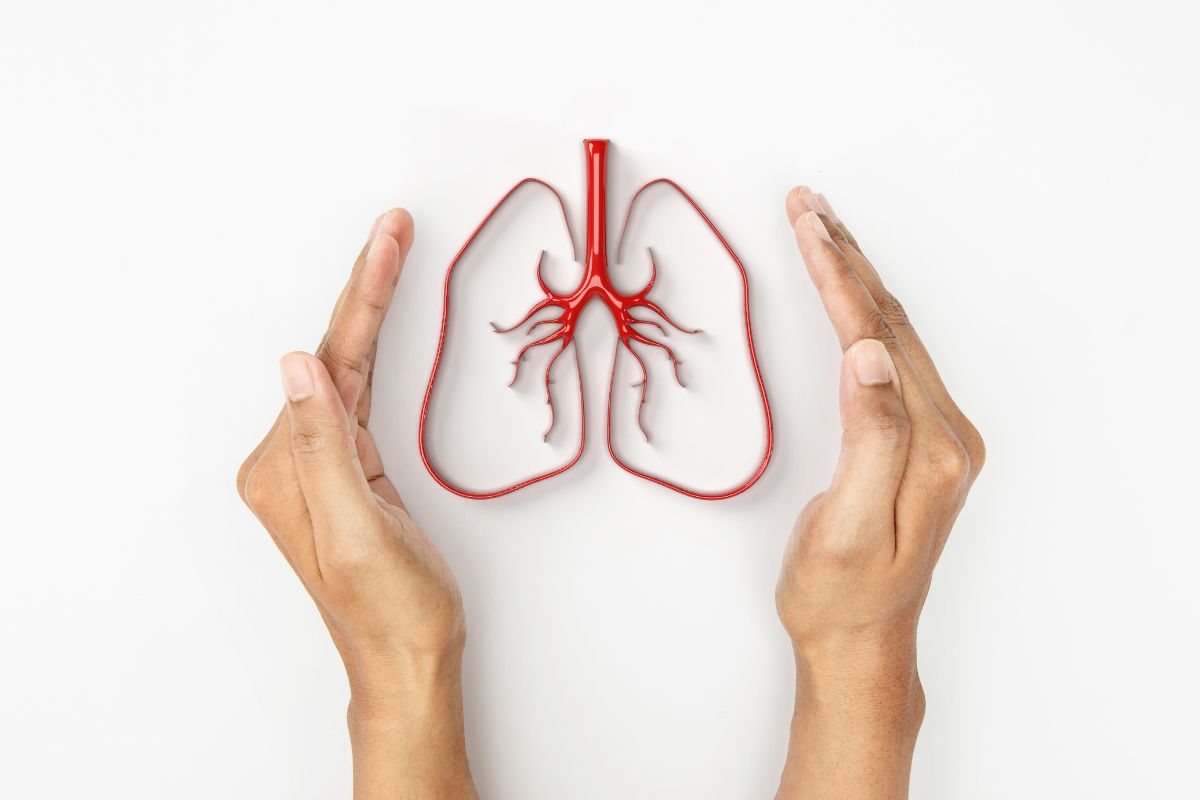
Pneumothorax, or a collapsed lung, happens when air gets into the space between the lung and chest wall. This makes the lung partially or fully collapse. It’s a serious condition that needs quick medical help. Knowing about pneumothorax helps us understand lung health risks.
What Is a Collapsed Lung?
A collapsed lung, or pneumothorax, is when air gets into the pleural space. This is the area between the lung and the chest wall. The air leakage can make the lung partially or fully collapse. This affects breathing and lung function.
How the Lungs Normally Function
The lungs move smoothly in the chest cavity because of a thin layer of fluid. This pleural fluid lets the lungs slide against the chest wall while breathing. It’s key for the lungs to expand and fill with air.
The Pleural Space and Its Importance
The pleural space is a thin gap between the lung and the chest wall. It has a small amount of pleural fluid. This space is important for lung function, allowing the lungs to move without friction.
When air gets into this space due to injury or disease, it can cause a pneumothorax. This disrupts lung function and can lead to a collapsed lung scar if not treated right.
Can Coughing Cause a Collapsed Lung?
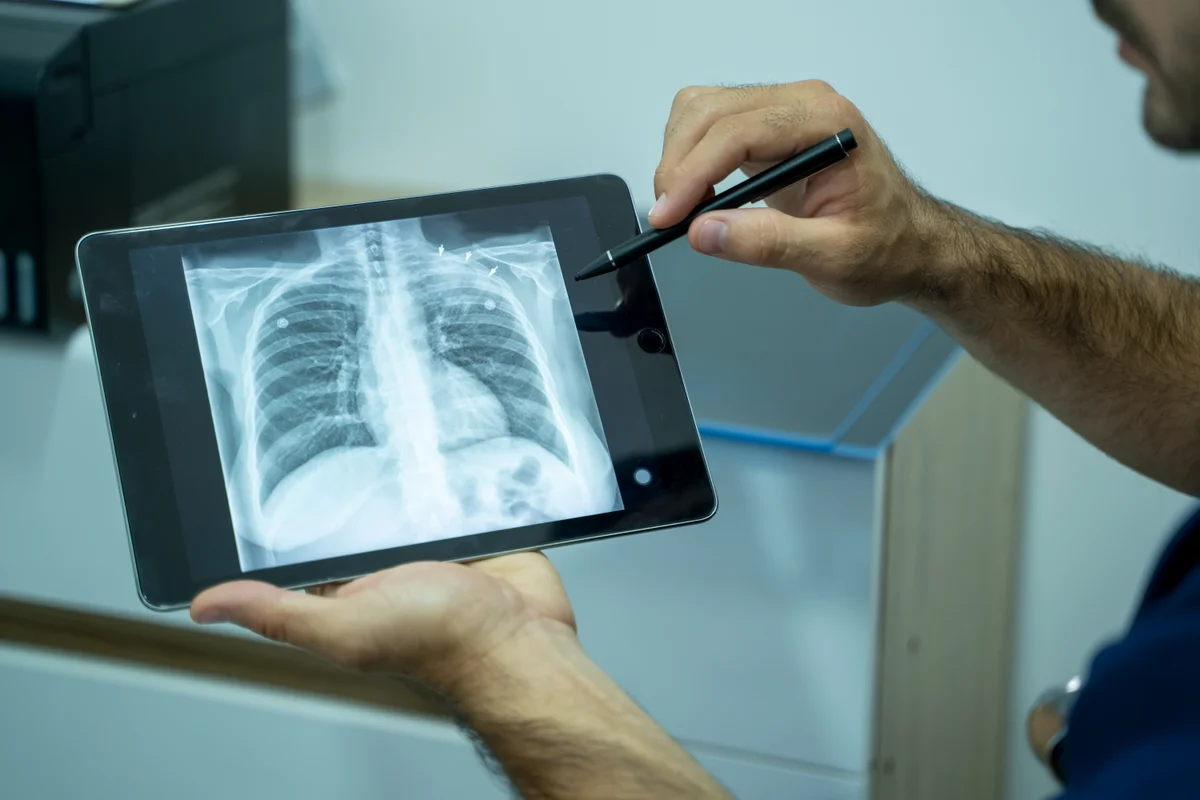
Coughing is usually not a worry, but it can lead to serious issues like a collapsed lung in some cases. It’s a natural way to clear the airways. But, if it gets too strong or lasts a long time, it can harm your lungs.
The Mechanism Behind Cough-Induced Pneumothorax
Cough-induced pneumothorax happens when coughing too hard breaks the air sacs or airways. This lets air get into the pleural space. It can cause the lung to partially or fully collapse.
This is because of a sudden rise in pressure inside the air sacs. This can be worse if you already have lung problems or if your lung tissue is weak.
How Forceful Coughing Affects Lung Pressure
When you cough hard, it raises the pressure in your lungs a lot. The glottis closes, and pressure builds up in the chest. Then, when it suddenly releases, it can damage the lungs’ delicate parts.
This can cause air leaks and pneumothorax. People with lung problems are more at risk.
Statistical Frequency of Cough-Related Lung Collapse
Cough-induced pneumothorax is not very common. But, how often it happens can depend on who is studied and their health. Research shows that spontaneous pneumothorax, not just from coughing, affects about 20-30 people per 100,000 each year.
Cough-induced cases are a part of these, but they’re less common. Knowing the signs and risks can help catch and treat it early.
Types of Pneumothorax and Their Causes
Many patients ask, what causes a collapsed lung and whether it can happen suddenly. A collapsed lung can occur due to spontaneous rupture of small air blisters (blebs), chest trauma, underlying lung disease such as COPD or asthma, medical procedures, or rarely from forceful coughing. The exact cause depends on the type of pneumothorax and individual risk factors.
Pneumothorax is a condition with several types, including spontaneous, traumatic, tension, and bilateral pneumothorax. Knowing these types helps doctors diagnose and treat a collapsed lung well.
Spontaneous Pneumothorax
Spontaneous pneumothorax happens when a lung collapses without injury. It often affects tall, thin males. It’s caused by small air blisters on the lung surface bursting.
Traumatic Pneumothorax
Traumatic pneumothorax is caused by chest injuries, like car accidents or falls. Air leaks into the space between the lung and chest wall, causing collapse.
Tension Pneumothorax
Tension pneumothorax is very dangerous. It happens when air gets trapped in the pleural space and can’t escape. This builds up pressure, squeezing the lung and major blood vessels.
Bilateral Pneumothorax
Bilateral pneumothorax is rare but serious. It occurs when both lungs collapse at once. It needs quick medical help and is linked to lung diseases or severe trauma.
To understand the differences in pneumothorax types, let’s look at a comparison:
|
Type of Pneumothorax |
Causes |
Symptoms |
|---|---|---|
|
Spontaneous |
Rupture of blebs or underlying lung disease |
Sudden chest pain, shortness of breath |
|
Traumatic |
Chest injury from accidents or violence |
Chest pain, difficulty breathing, potentially severe |
|
Tension |
Air trapped in pleural space, often due to trauma or mechanical ventilation |
Severe respiratory distress, potentially life-threatening |
|
Bilateral |
Severe trauma, underlying lung disease |
Severe shortness of breath, potentially life-threatening |
Knowing the type of pneumothorax is key to the right treatment. If you have sudden chest pain or trouble breathing, get medical help fast.
Risk Factors for Developing a Collapsed Lung
Knowing the risk factors for a collapsed lung is key to preventing and catching it early. A pneumothorax can happen suddenly, but some people are more at risk. This is due to different factors.
Pre-existing Lung Conditions
Having lung problems before can make you more likely to get a pneumothorax. Conditions like COPD, asthma, and cystic fibrosis can weaken your lungs. People with these conditions need to watch their lung health closely and work with their doctors to manage their conditions well.
Body Type and Genetic Factors
Your body type and genes can also affect your risk. Tall, thin people are more likely to get a spontaneous pneumothorax, if they have a family history. Genes can affect how strong and intact lung tissue is, making some people more at risk for pneumothorax.
Lifestyle Factors That Increase Risk
Smoking is a big risk factor for pneumothorax. It damages lung tissue and raises the chance of lung disease, which can cause a collapsed lung. Staying away from smoking and harmful substances is important for lung health.
Age and Gender Considerations
Age and gender also play a part in pneumothorax risk. Young, tall males are more likely to get a spontaneous pneumothorax. Traumatic pneumothorax can happen to anyone, regardless of age or gender, if they get enough chest trauma. Knowing these demographic risks can help in taking preventive steps.
By understanding these risk factors, people can take steps to lower their chance of getting a pneumothorax. Regular doctor visits and a healthy lifestyle are important for prevention.
Recognizing the Symptoms of a Collapsed Lung
Recognizing the signs of lung collapse early can be life-saving. The most common signs include sudden sharp chest pain, shortness of breath, rapid heart rate, and chest tightness.
In more severe cases, symptoms may progress to severe breathing difficulty or bluish discoloration of the skin, requiring immediate emergency care.
Knowing the signs of a collapsed lung can save lives. A collapsed lung, or pneumothorax, happens when air gets into the space between the lung and chest wall. This causes the lung to partially or fully collapse.
What Does a Collapsed Lung Feel Like?
A collapsed lung feels like sharp pain in the chest. This pain gets worse with deep breathing or coughing. People often say it feels like a stabbing or piercing pain.
This pain is alarming. It usually comes with other signs that something is wrong.
Common Signs and Symptoms
The symptoms of a pneumothorax can vary. Common signs include:
- Sudden, sharp chest pain
- Shortness of breath
- Rapid heart rate
- Chest tightness or discomfort
How to Tell If Your Lung Has Collapsed
To know if your lung has collapsed, look for symptoms and get medical help. Severe chest pain or trouble breathing means you need to see a doctor right away.
Doctors use physical exams and imaging tests to diagnose pneumothorax.
Symptoms That Require Immediate Medical Attention
Some symptoms are serious and need quick medical help. These include:
|
Symptom |
Description |
|---|---|
|
Severe difficulty breathing |
Feeling like you can’t catch your breath or are suffocating. |
|
Bluish skin color (cyanosis) |
A sign of inadequate oxygenation. |
|
Rapid heart rate |
A heart rate that’s significantly faster than normal. |
If you or someone you know has these symptoms, get emergency care right away.
“Prompt recognition of pneumothorax symptoms is key for effective treatment and avoiding further problems.”
Diagnosis and Medical Assessment
Diagnosing pneumothorax involves several steps. It includes a physical check-up and imaging tests. When someone shows signs of a collapsed lung, doctors must carefully examine them. This helps confirm the diagnosis and understand how severe it is.
Physical Examination Procedures
A physical exam is the first step in diagnosing pneumothorax. Doctors look for signs like less breath sound on one side, shortness of breath, and cyanosis in severe cases. They also check for trauma or lung disease.
Doctors use a stethoscope to listen to lung sounds. “The absence of breath sounds on one side can be a significant indicator of pneumothorax,” notes a medical professional. This tool gives immediate clues about lung collapse.
Imaging Tests Used to Confirm Pneumothorax
Imaging tests are key to confirming pneumothorax. The main tests used are:
- Chest X-ray: Often the first test, it quickly shows air in the pleural space.
- Computed Tomography (CT) scan: Provides detailed images to assess pneumothorax size and lung issues.
- Ultrasound: Used in emergencies to quickly detect pneumothorax.
Distinguishing Pneumothorax from Other Conditions
It’s important to tell pneumothorax from other conditions with similar symptoms. Conditions like pulmonary embolism, asthma, or heart attack can look like pneumothorax. A detailed medical history, physical exam, and imaging studies help make the right diagnosis.
“Accurate diagnosis is key to managing pneumothorax effectively. It’s not just about treating the symptoms, but understanding the underlying cause.”
By combining clinical findings with imaging results, doctors can accurately diagnose pneumothorax. This is vital for providing the best care to patients.
Treatment Options for a Collapsed Lung
Treatment for a collapsed lung, or pneumothorax, depends on its size and the patient’s health. We will look at different ways to manage pneumothorax. This includes both conservative methods and more invasive procedures.
Conservative Management Approaches
For small pneumothoraces with little symptoms, a conservative approach might be suggested. This means watching the patient with regular chest X-rays. They are told to avoid flying and hard activities until the lung fully expands.
Needle Aspiration and Chest Tube Insertion
For bigger pneumothoraces or those causing a lot of symptoms, more action is needed. Needle aspiration is a less invasive method where air is sucked out with a needle. If this doesn’t work or the pneumothorax is large, a chest tube is used to drain air and let the lung expand.
Treatment Outcomes:
|
Treatment Method |
Success Rate |
Recovery Time |
|---|---|---|
|
Conservative Management |
High for small pneumothoraces |
Several days to a week |
|
Needle Aspiration |
Moderate |
Few days |
|
Chest Tube Insertion |
High |
Several days to a week |
Surgical Interventions for Recurrent Cases
If pneumothorax keeps coming back or other treatments don’t work, surgery might be needed. Surgery can include video-assisted thoracoscopic surgery (VATS) to remove air pockets. Pleurodesis is also an option to stick the lung to the chest wall to stop future collapses.
Recovery Timeline and Expectations
Recovery time for a collapsed lung varies based on treatment and health. Patients are usually told to avoid hard activities for weeks. Regular follow-ups are key to check lung expansion and catch any problems early.
Knowing about treatment options and what to expect during recovery can help patients deal with this tough condition confidently.
Prevention and Long-Term Management
Preventing and managing pneumothorax requires a few steps. These include making lifestyle changes, managing chronic coughs, and regular check-ups. Knowing the risks and taking action can lower the chance of a collapsed lung.
Lifestyle Modifications to Reduce Risk
Changing your lifestyle can help avoid pneumothorax. Stopping smoking is key, as it lowers the risk of lung diseases. Also, avoid activities that change air pressure, like scuba diving or flying in small planes.
Keeping a healthy lifestyle, eating well, and exercising regularly helps your lungs. It’s also important to manage any health issues that could raise your risk of pneumothorax.
Managing Chronic Cough Conditions
Chronic coughs can put extra pressure on your lungs, leading to pneumothorax. Managing these coughs well is critical. This might mean taking medicine for coughing or treating conditions like asthma or COPD.
As one study found, managing chronic coughs is more than just treating symptoms. It’s about preventing serious problems like pneumothorax.
“Chronic cough management should be all-encompassing. It should tackle symptoms and the root causes to avoid serious issues.”
Follow-up Care and Monitoring
After a pneumothorax, regular check-ups are key. They help catch any signs of problems early.
Tests like chest X-rays or CT scans might be used to check your lungs. Following the recommended follow-up schedule is important for catching and treating any issues quickly.
Collapsed Lung Scars and Long-Term Effects
A collapsed lung can leave scars, affecting lung function long-term. It’s important to understand these effects to manage your lung health.
Scarring might reduce lung capacity or cause other breathing problems. But, with the right care and follow-up, many people can stay active after a pneumothorax.
Conclusion: Living With and Beyond a Collapsed Lung
It’s important to know if coughing can cause a lung to collapse. We’ve looked into how forceful coughing might lead to this issue. We’ve also talked about what makes it more likely to happen.
If you feel sudden chest pain or find it hard to breathe, get help right away. Knowing the signs of a lung collapse can help you act fast.
With the right treatment and steps to prevent it, you can get better from a collapsed lung. Managing chronic coughs and changing your lifestyle can help avoid this problem.
Our conversation shows how key it is to know the risks and take steps to keep your lungs healthy. By doing this, you can lower the chance of a lung collapse and have a healthier life ahead.
FAQ
Can you get a collapsed lung from coughing?
Yes, coughing hard can cause a collapsed lung. This is because it increases pressure in the chest. This pressure can let air into the pleural space.
What does a collapsed lung feel like?
A collapsed lung feels like sharp chest pain. You might also have trouble breathing. It feels tight or pressurized, getting worse with deep breaths or coughs.
How do you know if your lung has collapsed?
Signs include sudden chest pain and trouble breathing. You might also see bluish skin. A doctor can confirm with X-rays or CT scans.
What are the risk factors for developing a pneumothorax?
Certain lung conditions and being tall and thin increase risk. Genetic factors, smoking, and lifestyle choices also play a part.
How is pneumothorax diagnosed?
Doctors use physical exams and imaging tests like X-rays or CT scans. They might do more tests to check for other conditions.
What are the treatment options for a collapsed lung?
Treatment depends on the pneumothorax’s severity and cause. Options include conservative management, needle aspiration, chest tube insertion, or surgery.
Can a collapsed lung be prevented?
Some risks can’t be changed. But managing chronic cough and avoiding smoking can help. Making lifestyle changes also helps reduce risk.
What are the long-term effects of a collapsed lung?
Effects vary based on the pneumothorax’s severity and the person’s health. They might include scarring and a higher risk of future episodes.
How can you manage chronic cough to prevent pneumothorax?
Treat underlying conditions and avoid irritants. Use medications to reduce coughing, under a doctor’s guidance.
What is the recovery timeline for a collapsed lung?
Recovery time varies by treatment and health. Most people recover in weeks to months.
How does a collapsed lung affect the body?
It can affect breathing and cause pain. If not treated, it can lead to complications. This impacts overall health and well-being.
References
National Center for Biotechnology Information. Evidence-Based Medical Guidance. Retrieved from https://www.ncbi.nlm.nih.gov/pmc/articles/PMC3325851/



 Departments
 Related Videos
 Our Doctors
 News
News