
What is A M N E S I A? This essential guide explains the causes and recovery process for severe memory loss.
Imagine waking up and not remembering big parts of your life. Or not being able to make new memories. This is what many people with amnesia face. It’s more than just forgetting things.
At Liv Hospital, we see amnesia as a big challenge. We offer caring, science-backed help from our team. Amnesia means losing memories, big or small. People with it know who they are but struggle to learn new things.
It’s important to know about amnesia‘s causes, types, and how to get better. This helps us treat and support people better.
Key Takeaways
- Amnesia is a complex condition involving significant memory loss.
- It extends beyond ordinary forgetfulness, affecting various aspects of a person’s life.
- There are multiple types and causes of amnesia.
- Effective treatment requires understanding these causes and types.
- Compassionate, evidence-based care is essential for recovery.
What Is Amnesia?
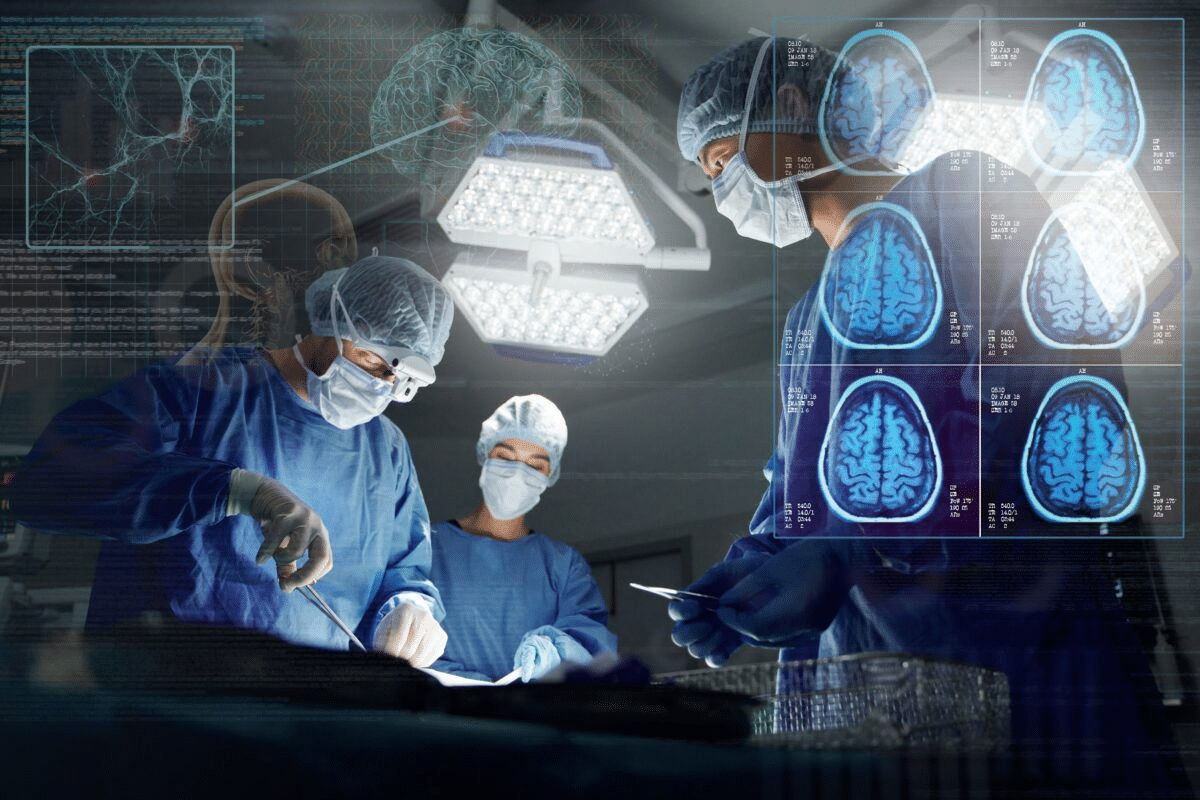
Amnesia is a condition that causes a lot of memory loss. It makes it hard for people to do everyday things. It’s not just being a little forgetful; it’s a serious issue that affects daily life a lot.
Definition and Basic Concepts
Amnesia means losing memories, like facts, information, and experiences. It’s important to know that amnesia is not a disease itself but a symptom of something else. How much amnesia affects someone can vary a lot.
There are a few important things to know about amnesia:
- The type of memory loss (e.g., not being able to make new memories or remember past events)
- How long the amnesia lasts (temporary or permanent)
- What caused it (like a head injury, infection, or brain condition)
How Amnesia Differs from Normal Forgetfulness
Forgetting things like where you put your keys is normal. But, amnesia is a deeper memory loss that affects daily life. People with amnesia might have trouble learning new things, remembering important events, or recognizing people they know.
To show the difference:
|
Characteristics |
Normal Forgetfulness |
Amnesia |
|---|---|---|
|
Memory Loss |
Mild, occasional |
Significant, frequent |
|
Impact on Daily Life |
Minimal |
Substantial |
It’s key to know the difference between amnesia and normal forgetfulness for diagnosis and treatment. Normal forgetfulness might need simple memory aids. But, amnesia needs a detailed treatment plan to help with the memory loss.
The Science Behind Memory Formation
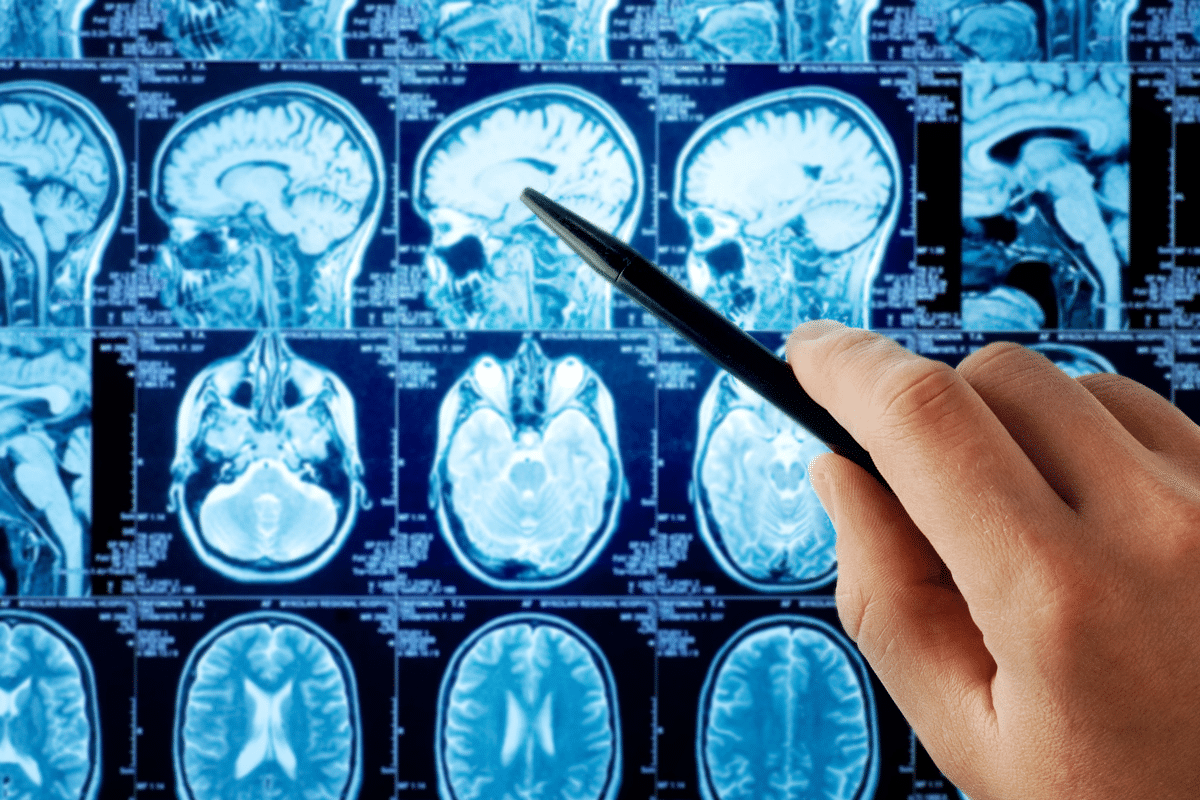
Memory formation is a complex process. It involves many brain structures working together. Memories are spread out across the brain, making recall a challenging task.
How Memories Are Created and Stored
Memory creation starts with encoding. This is when information is processed and turned into a form that can be stored. The hippocampus is key in forming new memories, like experiences and events.
After encoding, memories are stored through consolidation. This is when they move from short-term to long-term memory. The thalamus helps by sending sensory information to the cortex for processing and storage.
Brain Structures Involved in Memory
Many brain structures are important for memory. The hippocampus helps create new memories. The amygdala deals with emotional information, affecting how we remember and recall.
The prefrontal cortex is involved in working memory and decision-making. It also helps in remembering things. The cerebral cortex, the brain’s outer layer, processes and stores sensory information. Different parts of the cortex handle different types of information, like what we see or hear.
Knowing how these brain structures work is key to understanding amnesia. Damage to these areas can cause memory loss. This can happen due to injury or disease.
Understanding Different Types of Amnesia
Amnesia is not just one condition. It’s a complex phenomenon with many forms. Each type shows how different human memory can be. We’ll look at transient global amnesia, traumatic amnesia, post-traumatic amnesia, and retrograde amnesia. This will help us understand their unique traits and causes.
Transient Global Amnesia
Transient global amnesia is a short-term memory loss condition. It’s like suddenly not being able to make new memories, lasting a few hours. People might keep asking the same questions, not remembering recent talks or actions. The cause is not fully known, but it might be linked to brain blood flow issues.
Traumatic Amnesia
Traumatic amnesia happens after a brain injury, like from accidents or falls. The memory loss can vary a lot, depending on the injury. Some might forget things before the injury, while others might struggle to remember new things after.
Post-Traumatic Amnesia
Post-traumatic amnesia is confusion and memory loss after a head injury. People might not know where they are or have trouble remembering new things. How long this lasts can depend on how bad the injury was, from days to months.
Retrograde Amnesia
Retrograde amnesia is when you forget memories before the amnesia started. It can be partial or total, depending on the cause. Causes include head trauma, psychological trauma, or certain brain conditions.
Knowing about these amnesia types is key for diagnosis and treatment. Each one has its own challenges. So, a personalized approach is needed to help those with memory loss.
Psychological Forms of Amnesia
Amnesia can take many forms, often as a reaction to traumatic events. Unlike other amnesia types caused by brain damage, these are linked to psychological factors and memory.
Dissociative Amnesia
Dissociative amnesia makes it hard to remember important life events, often linked to trauma. It’s not caused by brain injury or disease but by psychological stress.
Key Features of Dissociative Amnesia:
- Inability to recall specific autobiographical information
- Often associated with traumatic events
- Not directly caused by brain injury or disease
Dissociative amnesia can show up in different ways. Some forget specific events, while others lose memory of their identity and life history.
Psychogenic Amnesia
Psychogenic amnesia is memory loss due to psychological, not neurological, reasons. It often happens as a response to extreme stress or trauma, helping the person cope.
The psychological impact of psychogenic amnesia can be big, affecting daily life. It’s important to tell it apart from other amnesia types to get the right treatment.
Characteristics of Psychogenic Amnesia:
- Memory loss is linked to psychological trauma
- Serves as a coping mechanism for stress or trauma
- Distinguished from neurologically based amnesia
Understanding the psychological roots of these amnesia types is key to effective treatment. By seeing the impact of psychological trauma, healthcare can offer better support for recovery.
Medical Causes of Amnesia
It’s important to know the medical reasons for amnesia to find the right treatment. Amnesia happens when the brain can’t make or keep memories.
Head Trauma and Brain Injury
Head trauma is a big reason for amnesia. When the brain gets hurt, it can lose memory right away or later. Brain injuries can harm parts like the hippocampus that help us remember.
Types of head trauma that can cause amnesia include:
- Concussions
- Penetrating brain injuries
- Diffuse axonal injuries
Stroke and Oxygen Deprivation
A stroke happens when blood stops reaching part of the brain. This means brain tissue can’t get oxygen and nutrients. It can cause a lot of memory loss, depending on where in the brain it happens.
Oxygen deprivation, or hypoxia, can also lead to amnesia. This can happen from things like heart stops, drowning, or being at high altitudes.
“The extent of memory loss due to stroke or oxygen deprivation can vary widely among individuals, depending on the severity and location of the brain damage.”
Infections and Diseases
Some infections and diseases can cause amnesia by affecting the brain. For example:
|
Infection/Disease |
Effect on Memory |
|---|---|
|
Encephalitis |
Inflammation of the brain, potentially leading to severe memory loss |
|
Meningitis |
Infection of the protective membranes covering the brain, which can result in memory issues |
|
Alzheimer’s Disease |
Progressive neurological disorder that leads to memory loss and cognitive decline |
These conditions show how complex amnesia can be. A detailed medical check-up is needed to find out why someone has amnesia.
Substance-Related Memory Loss
Drinking too much alcohol and taking certain medicines can cause memory problems. This is called substance-related memory loss. It’s different because it’s caused by specific substances. Knowing how these substances affect memory is key to preventing and treating it.
Alcohol-Induced Amnesia
Drinking too much can make it hard for the brain to make new memories. This is called “blackout.” Long-term drinking can cause even bigger memory issues. These can include Wernicke-Korsakoff syndrome, which affects memory and balance.
“Alcohol-induced amnesia is a serious condition that can have long-lasting effects on an individual’s memory and overall brain health,” says Medical Expert, a leading expert in neurology.
“The key to addressing alcohol-induced amnesia is early intervention, including cessation of alcohol use and appropriate medical treatment.”
Medication Side Effects
Some medicines, like those for brain or mental health issues, can mess with memory. Benzodiazepines, for example, can hurt memory, even with long-term use. Other medicines, like antidepressants and antipsychotics, can also affect memory.
It’s important for patients to talk to their doctors about side effects. Knowing the risks of their medicines helps them make better choices. Changing or adjusting medicines can also help with memory problems.
Substance-related memory loss is complex, with many factors at play. These include the substance, how much is used, and how a person reacts. By tackling the cause and providing support, people can get better or learn to cope.
Diagnosing Amnesia
Figuring out what causes amnesia starts with a detailed check-up. Finding out why someone has amnesia is complex. It needs medical checks, tests of thinking and memory, and scans of the brain.
Medical Evaluation Process
The first step is a full medical check. We collect all the patient’s health history. This includes any past head injuries, infections, or drug use. It’s key to find out why someone might have amnesia.
Medical history and physical examination are key. We look for signs of brain damage or diseases that might cause memory loss.
Cognitive and Memory Tests
Tests of thinking and memory are vital. They check short-term and long-term memory and how well someone can learn new things. We use set tests to see how well someone thinks and to spot any problems.
Tests like the Mini-Mental State Examination (MMSE) and the Montreal Cognitive Assessment (MoCA) are often used. They help us understand how bad the memory loss is.
Brain Imaging Techniques
Scans of the brain are also very important. Magnetic Resonance Imaging (MRI) and Computed Tomography (CT) scans let us see the brain’s structure. They help find any problems that might be causing amnesia.
These scans can show brain injuries, tumors, or other issues that might lead to memory loss. By looking at the brain scans and test results together, we get a full picture of the patient’s situation.
Treatment Approaches for Amnesia
Managing amnesia needs a detailed plan that includes medical care and brain training. Every person’s amnesia is different. So, treatments are made to fit each person’s needs.
Medical Interventions
Medical help is key in treating amnesia, mainly when it’s caused by health issues. Fixing the underlying problem is vital. For example, if amnesia comes from a head injury, brain rehab is needed. If an infection causes it, antibiotics might be used.
Medicines also play a part in managing amnesia symptoms. Even though there’s no single drug for amnesia, meds can help with related issues like sadness or worry.
Cognitive Rehabilitation
Cognitive rehab is a big part of treating amnesia. It aims to boost memory and daily skills. Cognitive therapists teach patients ways to deal with memory loss. They might use memory tools like calendars and reminders.
Rehab also includes memory exercises to help the brain make new memories. We suggest activities that challenge the brain and improve memory.
The Recovery Process from Amnesia
Recovering from amnesia is a complex journey. It’s influenced by many factors. Knowing what affects recovery is key for patients and their families.
Factors Affecting Recovery Outcomes
How well someone recovers from amnesia depends on several things. These include the cause of amnesia, the brain damage, and the person’s health. For example, traumatic brain injury can cause different levels of amnesia. The severity of the injury affects the recovery process.
Other important factors are the person’s age, their brain’s ability to adapt, and any other health issues. Early treatment is vital for better recovery. This shows the need for quick medical help and care.
Timeline and Expectations by Type
The time it takes to recover from amnesia varies by type. For instance, transient global amnesia usually gets better in a few hours to days. But traumatic amnesia might take longer and can vary a lot.
- Transient Global Amnesia: Usually gets better within 24 hours.
- Traumatic Amnesia: Recovery can take weeks to months, depending on the injury’s severity.
- Retrograde Amnesia: Recovery time can vary, with some seeing improvement over time.
Knowing these factors and timelines helps manage expectations. It’s important for patients and their families to work with doctors. This way, they can create a recovery plan that fits the individual.
Living with Persistent Amnesia
Living with persistent amnesia means understanding the condition and using memory aids. It also means having a strong support network. People with this condition face many challenges that need a detailed plan to manage.
Coping Strategies for Patients
Patients with persistent amnesia need to find ways to improve their daily lives. Memory aids like calendars, phone reminders, and notebooks help remember important things. These tools are key to staying on track.
- Using memory aids like calendars and reminders
- Establishing a daily routine
- Engaging in cognitive rehabilitation
Having a daily routine helps feel more structured and normal. Cognitive rehabilitation, under the guidance of healthcare professionals, can also boost memory and thinking skills.
Support for Family Members and Caregivers
Family and caregivers are vital in supporting those with persistent amnesia. They can offer emotional support and help with everyday tasks. This greatly improves the patient’s life quality.
Caregivers can gain a lot from:
- Learning about amnesia and its effects
- Joining support groups for caregivers
- Utilizing resources for caregiver support
|
Support Strategies |
Benefits |
|---|---|
|
Educating oneself about amnesia |
Better understanding of the condition |
|
Joining a support group |
Emotional support and shared experiences |
|
Using caregiver resources |
Access to guidance and assistance |
By using these strategies, both those with persistent amnesia and their caregivers can better handle the condition’s challenges.
Modern Research and Advancements in Amnesia Treatment
The study of amnesia is growing fast, with new studies and treatments coming up often. Our understanding of memory and its problems is getting better. This is leading to better ways to diagnose and treat amnesia.
These new findings are not just making us smarter. They are also making life better for people with amnesia.
Emerging Therapies
Scientists are looking into new ways to treat amnesia. They are testing pharmacological interventions and cognitive training programs. One area getting attention is cholinesterase inhibitors, which might help some types of amnesia.
Neurostimulation techniques like TMS and tDCS are also being studied. They might help people remember better.
Another area getting a lot of interest is virtual reality (VR) in cognitive rehab. VR creates safe, controlled environments for memory practice. It’s very promising for people with brain injuries.
Promising Clinical Studies
Many clinical studies are showing promising results for amnesia treatment. For example, research on stem cells for brain repair is looking good. It’s early, but it could help people with severe amnesia.
Studies on lifestyle factors and memory recovery are also important. They show that exercise, a healthy diet, and enough sleep help the brain. This information is key for treating amnesia fully.
As research keeps moving forward, we’ll see better treatments for amnesia. The future looks bright for those dealing with this condition. New studies and treatments offer hope for recovery and a better life.
Conclusion
Understanding amnesia is key to helping those affected. We’ve looked into amnesia’s complex nature, its causes, and types. This includes transient global amnesia, traumatic amnesia, and dissociative amnesia.
We’ve also talked about the medical reasons behind amnesia, like head trauma and infections. We’ve discussed how to diagnose and treat it, including medical care and cognitive therapy.
In short, amnesia is a complex issue needing a detailed approach. Knowing its causes and types helps us support those affected better. This summary shows why more research and treatment options are vital.
As we learn more about amnesia, we can create better treatments. This will help those with total amnesia or other memory issues live better lives.
FAQ
What is amnesia and how does it differ from normal forgetfulness?
Amnesia is a serious condition that makes it hard to remember things. It affects daily life. Normal forgetfulness is common and usually doesn’t cause problems.
What are the different types of amnesia?
There are many types of amnesia. These include transient global amnesia and traumatic amnesia. Each has its own cause and symptoms.
What causes amnesia?
Amnesia can happen for many reasons. It might be due to a head injury, stroke, or lack of oxygen. Infections and substance abuse can also cause it. So can psychological trauma.
How is amnesia diagnosed?
Doctors use several steps to diagnose amnesia. They do medical tests, memory checks, and brain scans. This helps find out why someone has amnesia.
What are the treatment approaches for amnesia?
Treatment for amnesia includes medicine and therapy. These help manage the condition. They also improve life quality for those affected.
Can people recover from amnesia?
Recovery from amnesia varies. It depends on the cause and type. Some people get better, while others may always have memory problems.
How can individuals with amnesia and their families cope with the condition?
There are ways to cope with amnesia. Patients and their families can find support. This helps them adapt and live better with amnesia.
What is dissociative amnesia?
Dissociative amnesia is a type of amnesia caused by trauma. It’s different from amnesia caused by brain damage. It can greatly affect a person’s life.
What is the role of the hippocampus in memory formation?
The hippocampus is key for making and storing memories. Damage to it can lead to big memory losses.
Are there any emerging therapies for amnesia?
Yes, new therapies and studies are showing promise. They could help people with amnesia. We’re keeping up with these advances.
What is total amnesia?
Total amnesia means losing all memory. It can happen due to brain injury or severe trauma. It’s a serious condition.
Can certain medications cause amnesia?
Yes, some medicines can cause memory loss. It’s important to talk to a doctor if you’re worried.
How does alcohol consumption affect memory?
Drinking too much alcohol can hurt memory. It can even cause amnesia. We offer advice on dealing with memory problems from alcohol.
References
National Center for Biotechnology Information. Amnesia: Causes, Challenges, and Recovery Overview. Retrieved from https://www.ncbi.nlm.nih.gov/pmc/articles/PMC5861508/