
Ever had a rash, itching, or blisters after using bandages or surgical tape? Adhesive allergy reactions are more common than you might think. They affect a lot of people who get medical adhesives for wound closure.
Studies show that skin adhesive-related contact dermatitis happens in about 0.5 to 14 percent of patients. In bad cases, adhesive allergies can lead to anaphylaxis. This is a serious allergic reaction that can cause swelling, trouble breathing, and an irregular heartbeat.
At Liv Hospital, we use the latest diagnostic methods and proven treatments to tackle adhesive-related skin complications. Knowing the causes, symptoms, and treatment options is key to managing them well.
Key Takeaways
- Adhesive allergy reactions can cause severe skin complications.
- Understanding the causes and symptoms is important for managing them.
- Liv Hospital offers advanced diagnostic techniques and proven treatments.
- Anaphylaxis is a life-threatening allergic reaction that needs quick action.
- Getting the right diagnosis and treatment can help manage skin complications from adhesives.
Understanding Adhesive Allergy Reactions on Skin

It’s important to know why adhesive allergy reactions happen. These reactions are caused by the body’s immune system reacting to certain substances in adhesives.
What Causes Adhesive Allergies
The body’s immune system sometimes sees things in adhesive bandages as threats. This leads to an allergic reaction. Common culprits include acrylates, rubber accelerators, and rosin (colophony). Colophony is the main culprit, causing over 80 percent of allergic contact dermatitis cases.
Type IV Hypersensitivity Mechanism
Adhesive allergies mainly involve a Type IV hypersensitivity reaction. This is a cell-mediated response. When the immune system sees the adhesive as a threat, it starts an inflammation process. This leads to the symptoms of an allergic reaction.
- The immune system sees the adhesive as foreign.
- T cells are activated to fight the perceived threat.
- Chemical mediators are released, causing inflammation and skin symptoms.
Prevalence in Medical Settings
In medical settings, adhesive allergies are a big issue. Adhesive bandages and other medical adhesives are used a lot. It’s key for healthcare providers to understand these allergies to prevent and manage them.
By understanding adhesive allergy reactions, we can help those affected. We can also work to reduce these allergies in medical settings.
Common Allergens in Medical Adhesives
It’s important to know about common allergens in medical adhesives to prevent and manage allergies. These adhesives are used in healthcare for wound care, securing devices, and attaching bandages. But, they can cause allergic reactions in some people.
Colophony: The Primary Culprit
Colophony, also known as rosin, is a common allergen in many adhesives. It comes from pine trees and makes medical tapes and bandages stick better. It’s a big cause of allergic contact dermatitis, mainly in those often exposed to adhesives.
Colophony Allergy Prevalence: Research shows colophony is a top allergen for contact dermatitis. Its use in many medical adhesives makes it a main cause of allergic reactions.
Other Common Adhesive Allergens
Other things in medical adhesives can also cause allergies. These include:
- Acrylates: Used in adhesives, acrylates can irritate the skin and cause allergic reactions.
- Rubber Accelerators: In rubber-based adhesives, these chemicals can lead to allergic responses.
Recent studies also found allergic reactions to certain cyanoacrylate monomers. These are used in topical adhesives.
|
Allergen |
Common Sources |
Potential Reaction |
|---|---|---|
|
Colophony/Rosin |
Medical tapes, bandages |
Allergic contact dermatitis |
|
Acrylates |
Adhesive formulations |
Skin irritation, allergic reactions |
|
Rubber Accelerators |
Rubber-based adhesives |
Allergic responses |
Knowing about these allergens helps manage adhesive allergies well. Healthcare providers can then reduce exposure and suggest safer products.
As we learn more about adhesive allergies, awareness and identifying these allergens are key. They help provide the best care and support for those with these allergies.
Recognizing Symptoms of Adhesive Allergy Reaction
It’s important to know the signs of an adhesive allergy. When skin meets medical adhesives, it can cause allergic reactions. These reactions show up in different ways.
Common Skin Manifestations
Common signs include pruritus (itching), eczema, edema (swelling), and blisters. These symptoms can be mild or severe. They often appear a few days to a couple of weeks after exposure.
- Red, itchy rash
- Tiny bumps (papules)
- Dry, flaking skin
- Tiny blisters (vesicles) or larger blisters (bullae)
- Temporary darkening of the skin (hyperpigmentation)
These signs can be uncomfortable. If not treated, they might get worse.
Timeline of Symptom Development
Symptoms of an adhesive allergy don’t show up right away. They usually appear 1 to 2 weeks after exposure. This delay can make it hard to find the cause.
Knowing when symptoms start is key to treating them right.
Differentiating from Irritant Contact Dermatitis
It’s important to tell the difference between adhesive allergy and irritant contact dermatitis. The treatments are different. Both can irritate the skin, but they have different causes.
Adhesive allergy is an immune response. Irritant contact dermatitis is from skin barrier damage. Knowing this helps in giving the right care.
- Look at when and how the reaction started
- Check the skin for specific signs
- Try patch testing for a clear diagnosis
Understanding adhesive allergy symptoms helps doctors give better treatment and prevention.
Diagnosing an Adhesive Allergy
To find out if someone has an adhesive allergy, we use a detailed method. This includes checking the body and doing special tests. Knowing what causes an allergic reaction is key to treating it and stopping it from happening again.
Clinical Evaluation Process
We start by looking at the patient’s medical history and doing a physical check-up. We talk about their symptoms and how long they’ve been exposed to the adhesive. This helps us figure out what might be causing the allergy.
When we examine the skin, we look for signs like redness, itching, or blisters. These signs can tell us a lot about what’s causing the reaction.
Patch Testing Procedures
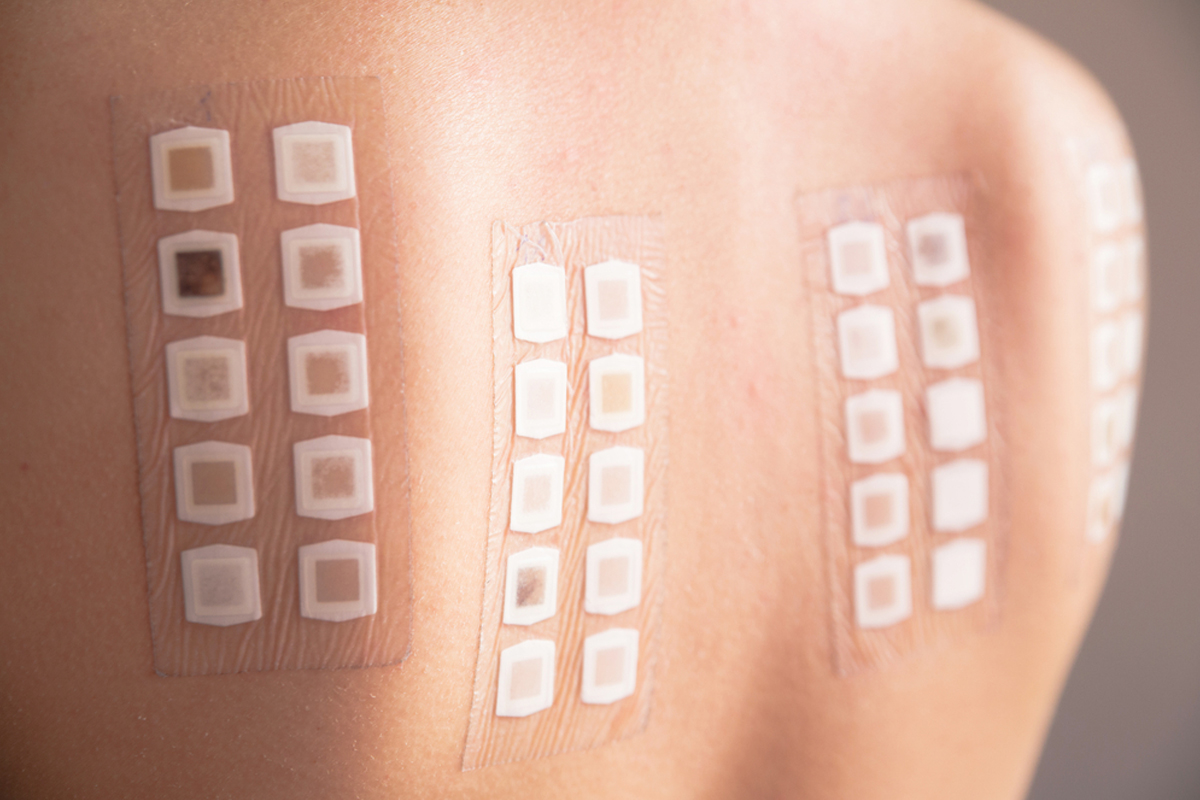
Patch testing is a big part of figuring out what’s causing the allergy. We put small amounts of possible allergens on the skin, usually on the back. The patches stay on for 48 to 72 hours, and the patient should avoid touching them.
After taking off the patches, we check the skin for any reactions. We might check again later to catch any reactions that happen after a while. This test helps us find out if the patient is allergic to something in the adhesive.
Ruling Out Surgical Site Infections
If someone gets a skin reaction after surgery, we need to know if it’s an allergy or an infection. We look for signs like more redness, swelling, or discharge. These could mean an infection.
If we’re not sure, we might do more tests like wound cultures or blood work. Getting the right diagnosis is important to treat it right and avoid more problems.
Immediate Treatment Steps for Adhesive Allergy Reactions
Adhesive allergy reactions need quick and effective treatment to ease symptoms and help the skin heal. It’s important to act fast to reduce pain and avoid more problems.
Safely Removing the Adhesive
The first step is to safely remove the adhesive. Do this carefully to avoid making the skin worse. Gently peel off the adhesive in the direction of hair growth, if there is any. Or, use a small amount of oil or adhesive remover to help.
Cleansing the Affected Area
After removing the adhesive, cleansing the affected area is key. Use mild soap and lukewarm water to clean the skin. This removes any leftover adhesive or allergens. Pat the area dry with a clean towel; don’t rub, as it can irritate the skin more.
Initial Relief Measures
To get quick relief from adhesive allergy reactions, several steps can help. Applying a cold compress can lessen inflammation and itching. Also, using over-the-counter hydrocortisone cream can help by reducing inflammation and soothing the skin.
Keeping the affected area moisturized with a gentle, fragrance-free moisturizer is also good. This helps the skin’s barrier function and aids in healing. If the reaction is severe or covers a lot of area, seeing a doctor for further treatment might be needed.
Topical Treatments for Adhesive Skin Reactions
Topical treatments are key in managing adhesive allergy reactions on the skin. The treatment needed depends on how severe the reaction is. It can range from over-the-counter (OTC) remedies to prescription drugs.
Over-the-Counter Options
Over-the-counter hydrocortisone cream is often suggested for mild to moderate reactions. It reduces inflammation, itching, and redness. Calamine lotion is also effective, soothing itching and burning.
These OTC options are easy to find and can help a lot. But, it’s important to read the instructions and talk to a doctor if symptoms don’t get better.
Prescription Topical Medications
For more severe reactions, prescription topical corticosteroids might be needed. These are stronger than OTC creams and can help with severe inflammation and itching. The doctor will choose the right type and strength based on the reaction and medical history.
It’s important to only use prescription medications as directed by a doctor. This helps avoid side effects from long-term use.
Natural Remedies for Symptom Relief
Some people might also find relief in natural remedies. Aloe vera gel, for example, can soothe and reduce inflammation. Oatmeal baths and cold compresses can also help with itching and discomfort.
While natural remedies can be helpful, it’s best to talk to a healthcare provider before using them. This is true, even if you’re just adding them to other treatments.
Systemic Treatments for Severe Reactions
When adhesive allergy reactions get severe, systemic treatments are key. These reactions can cause widespread skin issues, a lot of discomfort, and even life-threatening problems. Oral medications that target the allergic response systemically are very important in these cases.
Oral Antihistamines
Oral antihistamines are often the first choice for treating systemic symptoms of adhesive allergy reactions. They block histamine receptors, which helps reduce itching, swelling, and other symptoms. Diphenhydramine and loratadine are examples of oral antihistamines that may be prescribed. But, it’s important to know they can cause side effects like drowsiness or dry mouth.
Corticosteroids
For very severe reactions, corticosteroids are used to calm down the immune system’s response. Oral corticosteroids like prednisone are very effective in reducing inflammation and stopping the allergic reaction from getting worse. But, they should only be used for a short time because of possible long-term side effects.
When Systemic Treatment Is Necessary
Systemic treatment is needed when the adhesive allergy reaction is severe, widespread, or has systemic symptoms like fever or malaise. Anaphylaxis, a life-threatening allergic reaction, requires immediate medical attention and systemic treatment with epinephrine. For less severe cases, the choice to use systemic treatments depends on the skin involvement, the patient’s health, and how well initial topical treatments work.
In conclusion, systemic treatments are essential for managing severe adhesive allergy reactions. By knowing when and how to use oral antihistamines and corticosteroids, healthcare providers can help reduce symptoms and prevent serious complications.
Managing Adhesive Allergy Blisters and Wounds
It’s important to take care of blisters and wounds from adhesive allergies. They can make your skin uncomfortable and need attention to avoid more problems.
Proper Blister Care Techniques
Good blister care helps them heal and keeps them from getting infected. Keep the blister clean and dry. Don’t pop the blister. Use creams to help it heal.
To care for adhesive allergy blisters well:
- Clean the blister gently with mild soap and water.
- Apply a topical antibiotic ointment to prevent infection.
- Cover the blister with a sterile bandage to protect it from further irritation.
- Avoid breaking the blister, as this can lead to infection.
Wound Healing Strategies
Wound healing strategies aim to create the best environment for healing. This means keeping the area clean and moist. Use the right dressings and watch for infection signs.
|
Wound Healing Strategy |
Description |
Benefits |
|---|---|---|
|
Maintaining a Moist Environment |
Using dressings that keep the wound moist |
Promotes faster healing, reduces scarring |
|
Monitoring for Infection |
Regularly checking for signs of infection |
Early detection and treatment of infection |
|
Using Appropriate Dressings |
Selecting dressings suitable for the wound type |
Protects the wound, promotes healing |
Preventing Secondary Infections
Stopping secondary infections is key in managing blisters and wounds from adhesive allergies. Keep the area clean, use topical antibiotics, and watch for infection signs.
By using these strategies, patients and caregivers can manage blisters and wounds from adhesive allergies. This helps them heal faster and lowers the chance of more problems.
When to Seek Medical Help for Adhesive Allergies
Adhesive allergy reactions can vary from mild to severe. It’s important to know when you need medical help. Mild reactions might be handled on your own, but severe ones can be serious.
Warning Signs of Severe Reactions
Severe reactions show through different symptoms. Knowing these signs is key to getting help fast. Look out for:
- Difficulty breathing or shortness of breath
- Rapid heartbeat or palpitations
- Dizziness or feeling faint
- Swelling of the face, lips, tongue, or throat
- Abdominal cramps or nausea
If you see any of these, get medical help right away.
Emergency Situations
Anaphylaxis is a serious allergic reaction that needs quick medical help. It can cause:
|
Symptom |
Description |
|---|---|
|
Constricted airways |
Leading to difficulty breathing or wheezing |
|
Rapid heartbeat |
Causing palpitations or a drop in blood pressure |
|
Dizziness or fainting |
Due to a sudden drop in blood pressure |
If you or someone else has these symptoms, call emergency services fast.
Follow-up Care Guidelines
After treating an adhesive allergy, follow-up care is key. It helps track your health and adjust treatments. Here’s what to do:
- Follow your doctor’s instructions for wound care and medication
- Monitor your symptoms and report any changes to your healthcare provider
- Attend follow-up appointments to ensure the reaction has resolved
- Discuss alternative adhesive products or strategies to avoid future reactions
Being proactive and informed helps manage adhesive allergies. It prevents future problems.
Conclusion
Managing adhesive allergies well means knowing the causes, spotting symptoms, and using the right treatments. Patients and doctors working together can handle these allergies and stop them from happening again.
Choosing different wound care products and hypoallergenic bandages can lower the chance of allergic reactions. We talked about treatments like creams and medicines, and how to keep wounds clean to avoid infections.
With the knowledge from this article, people can prevent allergic reactions and get the right treatment. Our aim is to help both patients and doctors deal with adhesive allergies effectively.
FAQ
What is an adhesive allergy reaction?
An adhesive allergy happens when your body reacts to certain adhesives. This is a Type IV hypersensitivity reaction. It’s a cell-mediated response.
What are the common allergens in medical adhesives?
Common allergens in medical adhesives include colophony, acrylates, and rubber accelerators. These can cause allergic reactions. Knowing them is key to managing adhesive allergies.
What are the symptoms of an adhesive allergy reaction?
Symptoms include skin redness, itching, swelling, and blistering. These usually start a few days to a couple of weeks after exposure.
How is an adhesive allergy diagnosed?
Diagnosing an adhesive allergy involves a detailed clinical evaluation and specific tests. Patch testing is used to find the allergen causing the reaction.
How do you treat an adhesive allergy reaction?
Treatment includes safely removing the adhesive and cleansing the area. Topical treatments like hydrocortisone cream or calamine lotion help. In severe cases, oral antihistamines or corticosteroids may be needed.
What is the role of patch testing in diagnosing adhesive allergies?
Patch testing is key to finding the allergen. It involves applying small amounts of possible allergens to the skin and watching for reactions.
How can adhesive allergy blisters be managed?
Managing blisters involves keeping them clean and dry. Apply topical treatments to aid healing. Preventing secondary infections is also important.
When should I seek medical help for an adhesive allergy?
Seek medical help for severe symptoms like difficulty breathing, rapid heartbeat, or dizziness. Follow-up care is also vital to monitor and adjust treatment.
Can I be allergic to band-aid glue?
Yes, some people can be allergic to band-aid glue. This can cause skin redness, itching, and blistering.
How can I prevent adhesive allergy reactions?
Preventing reactions involves avoiding common allergens and using hypoallergenic products. Minimizing skin irritation is also important.
What are the warning signs of a severe adhesive allergy reaction?
Warning signs include difficulty breathing, rapid heartbeat, dizziness, and widespread skin symptoms. Seek medical help immediately if you experience these.
References
National Center for Biotechnology Information. Adhesive Allergy: Reactions, Symptoms, and Treatment on Skin. Retrieved fromhttps://www.ncbi.nlm.nih.gov/pmc/articles/PMC8545061/