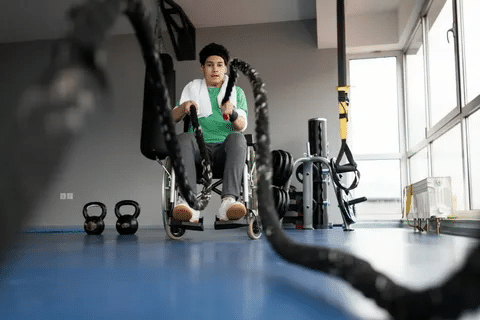
As we get older, keeping our cardiovascular health is key for staying independent and enjoying life. Many seniors find it hard to find safe and effective exercise routines. Cardio exercises are proven to keep the heart healthy, improve movement, and lower disease risks. Find the bestaerobic exercise for seniors here! Discover 7 best, amazing, and safe cardio workouts to boost heart health and energy levels.
We know that cardio exercise doesn’t have to hurt your joints. Low-impact workouts can get your heart rate up and work your lungs without too much strain. Our goal is to offer safe and effective workouts just for seniors.
Key Takeaways
- Cardio exercises are essential for maintaining cardiovascular health in seniors.
- Low-impact workouts are gentle on the joints.
- Regular cardio exercise can prevent and treat age-related cardiovascular dysfunction.
- Seven cardio exercises are beneficial for seniors.
- These exercises are safe and effective.
Understanding Aerobic Exercise for Seniors
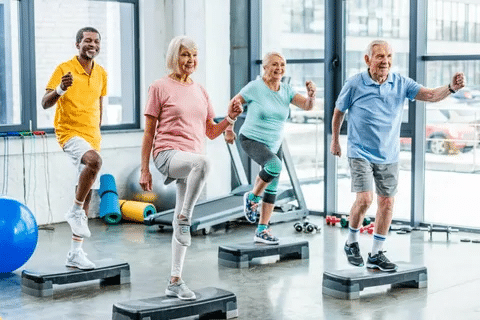
For seniors, knowing about aerobic exercise is vital for better health and longer life. Aerobic exercise, or cardio, makes your heart beat faster and helps your body use oxygen better. As we get older, it’s more important to keep doing aerobic exercises to stay healthy and feel good.
Age-Related Cardiovascular Changes
As we age, our hearts and blood vessels change in ways that can affect our health. Our hearts pump less efficiently, our blood vessels get stiffer, and we can’t use oxygen as well. It’s important to understand these changes to create good exercise plans for seniors.
Studies show that aerobic exercises can help with these age-related changes. They improve heart function and overall health in people over 70.
|
Cardiovascular Change |
Description |
Impact of Aerobic Exercise |
|---|---|---|
|
Decreased Cardiac Output |
The heart’s ability to pump blood efficiently decreases with age. |
Aerobic exercise can improve cardiac output by strengthening the heart muscle. |
|
Increased Vascular Stiffness |
Blood vessels become less flexible, leading to higher blood pressure. |
Regular aerobic exercise can help improve vascular flexibility and reduce blood pressure. |
|
Reduced Aerobic Capacity |
The body’s ability to use oxygen during exercise decreases. |
Aerobic training can significantly improve aerobic capacity, enhance endurance. |
WHO Recommendations for Older Adults
The World Health Organization (WHO) has guidelines for exercise for older adults. They say people over 65 should do at least 150 minutes of moderate-intensity aerobic activity each week. This can be walking fast, cycling, or other activities that make your heart rate go up.
Key Recommendations:
- At least 150 minutes of moderate-intensity aerobic activity per week.
- Or 75 minutes of vigorous-intensity aerobic activity per week.
- Doing muscle-strengthening activities on 2 or more days a week.
- For even more benefits, aim for 300 minutes of moderate-intensity aerobic activity per week.
By following these guidelines, seniors can greatly improve their heart health and overall well-being through aerobic exercise.
Health Benefits of Regular Cardio in Later Life
Regular cardio exercise can greatly improve the lives of older adults. As we get older, our bodies change in ways that can affect our heart, metabolism, brain, and overall health. Cardio exercise helps slow down these changes, leading to healthier aging.
Improved Cardiovascular Function
Cardio exercise boosts heart and blood vessel health. It lowers blood pressure, improves cholesterol, and helps manage weight. This strengthens the heart, making it more efficient at pumping blood. It also reduces the risk of heart disease.
Enhanced Metabolic Outcomes
Cardio exercise improves how our body uses insulin, lowers the risk of diabetes, and helps with weight control. Activities like walking, cycling, or swimming increase energy use. This helps keep a healthy weight.
“Aerobic exercise training significantly reduces inflammatory markers such as C-reactive protein, TNF-alpha, and interleukin-6 in older adults.”
Better Cognitive Performance
Exercise, including cardio, boosts brain health in older adults. It increases blood flow to the brain. This may lower dementia risk and improve thinking skills.
Reduced Inflammatory Markers
Regular cardio exercise lowers inflammatory markers. Chronic inflammation is a risk for diseases like heart disease and brain decline.
|
Benefit |
Description |
|---|---|
|
Improved Cardiovascular Health |
Strengthens the heart, lowers blood pressure, and improves circulation. |
|
Enhanced Metabolic Outcomes |
Improves insulin sensitivity, aids in weight management. |
|
Better Cognitive Function |
Promotes blood flow to the brain, potentially reducing dementia risk. |
|
Reduced Inflammatory Markers |
Lowers levels of C-reactive protein, TNF-alpha, and interleukin-6. |
Safety Considerations Before Starting a Senior Cardio Program
Before starting a cardio program, seniors need to think about safety. Our bodies change as we age, affecting how we do exercises. So, it’s key to be careful and informed when starting a new cardio routine.
Medical Clearance Requirements
Seniors should talk to their doctor before starting any exercise program. This is very important for those with health issues like heart disease or diabetes. A doctor can tell you which exercises are safe and what risks to watch out for.
“Exercise is a great way to improve health, but it’s essential to do it safely, even for seniors with health issues.”
Medical Expert, Cardiologist
Recognizing Warning Signs During Exercise
Seniors should know their body’s warning signs during exercise. This includes chest pain, dizziness, or trouble breathing. If you feel any of these, stop right away and get medical help if needed.
It’s also good to check your heart rate and blood pressure while exercising. Make sure to stay hydrated and avoid exercising in extreme weather.
Proper Equipment and Environment
It’s important to have a safe place to exercise. This means wearing the right shoes, using equipment correctly, and being aware of your surroundings. Seniors should work out in places that are well-lit, well-ventilated, and free from distractions.
Having a workout buddy or personal trainer can also add safety and support. By considering these safety tips, seniors can enjoy the benefits of cardio exercise safely. It’s always better to be cautious with our health and well-being.
Walking: The Foundation of Senior Cardio
Walking is a key exercise for seniors. It’s easy to do and good for your health. It’s perfect for anyone, no matter their fitness level.
Benefits of Walking for Seniors
Walking is great for seniors. It improves heart health, boosts mobility, and lifts mood. It can lower blood pressure and strengthen bones.
Key benefits of walking for seniors include:
- Improved cardiovascular function
- Enhanced muscular strength and endurance
- Better balance and coordination
- Weight management
- Reduced risk of chronic diseases
Progressive Walking Programs
Seniors can join walking programs to get better results. These programs make walks longer, faster, or more frequent. For example, a senior might start with short walks and then walk further and faster.
A sample progressive walking program might look like this:
- Week 1-2: Walk for 10 minutes, 3 times a week
- Week 3-4: Increase to 15 minutes, 3 times a week
- Week 5-6: Walk for 20 minutes, 4 times a week
Walking Variations for Different Fitness Levels
Walking can be changed to fit different fitness levels. Beginners or those with mobility issues can start with short walks. More active seniors can try brisk walking, hill walks, or quick bursts of speed.
As one senior said,
“Walking has been a game-changer for me. It’s helped me stay active and connected with my community.”
Walking is a simple yet powerful exercise for seniors. It offers many benefits and can be enjoyed by all.
Water Aerobics: Joint-Friendly Cardiovascular Training
Water aerobics is great for seniors because it’s a mix of cardio and strength training in water. This makes it easy on the body. It’s perfect for those with joint pain or stiffness from arthritis or fibromyalgia.
Why Aquatic Exercise Works for Seniors
Water aerobics is good for seniors because it’s low-impact. The water makes it easier on the joints. This is great for those with mobility issues or chronic pain.
Key benefits of water aerobics for seniors include:
- Reduced joint stress due to water buoyancy
- Improved cardiovascular health
- Increased muscle strength and flexibility
- Enhanced balance and coordination
- Low-impact stress on bones and joints
Effective Water Aerobics Routines
Seniors can follow structured routines in water aerobics. A typical session might include:
|
Exercise |
Description |
Repetitions |
|---|---|---|
|
Water Walking |
Walking in the pool, either in shallow or deep water |
10-15 minutes |
|
Leg Swings |
Swinging legs while holding the pool edge |
10-15 reps per leg |
|
Arm Circles |
Holding arms straight and making circles with hands |
10-15 reps |
|
Water Jogging |
Jogging in place or moving forward in the water |
5-10 minutes |
Finding Water Exercise Classes and Resources
Seniors can find water aerobics classes at local community centers, senior centers, or gyms. Many organizations also offer online resources and videos for seniors.
When searching for classes, consider the following:
- Class schedule and location convenience
- Instructor experience with senior populations
- Class size and individual attention
- Availability of adaptive equipment if needed
Stationary Cycling: Low-Impact Endurance Building
Stationary cycling is great for seniors because it’s easy on the joints. You can do it at home or at the gym. It’s flexible and convenient.
Advantages for Older Adults
Stationary cycling has many benefits for older adults. It lets you exercise in a safe, controlled space. You don’t have to worry about the weather or traffic.
The bike’s resistance can be changed to fit your fitness level. This makes it easy for many seniors to use.
It’s also a low-impact activity. This means it’s good for your heart without hurting your joints. It’s perfect for those with arthritis or other joint problems.
Setting Up a Comfortable Cycling Station
To enjoy cycling, make sure your station is set up right. Adjust the bike to fit your body. The saddle should be set so your leg is almost fully extended at the bottom of the pedal stroke.
Also, make sure the handlebars are at a comfy height. This helps avoid back or shoulder strain. Wear cycling shoes with clips or stiff soles for better efficiency.
Sample Cycling Workouts for Different Abilities
Stationary cycling can be adjusted for any fitness level. Beginners can start with a 10-minute warm-up and 20 minutes of steady cycling. As you get fitter, you can do more and harder workouts.
- Advanced seniors can try interval training. This means cycling hard and then resting or cycling slowly.
- Those with mobility issues might prefer a recumbent bike. It offers more support and comfort.
Adding stationary cycling to your routine can make your cardio workouts safe, fun, and effective. It helps improve your health and well-being.
Chair Exercises: Accessible Cardio for Limited Mobility
Chair exercises are great for seniors with limited mobility. They can do cardio workouts while sitting. This is helpful for older adults who find it hard to exercise because of mobility issues.
Fundamentals of Chair Cardio
Chair cardio is about doing seated movements that get your heart rate up. It includes seated marching, leg lifts, and arm raises. It’s simple and easy to do, needing little equipment and no special training.
Key Benefits: It boosts heart health, strengthens muscles, and increases flexibility. Plus, it’s low-impact, which means it’s safer than high-impact exercises.
Chair Aerobics Routine for Beginners
For beginners, start with a simple routine. Begin with:
- Seated marching in place
- Leg lifts, lifting one leg at a time
- Arm raises, either singly or together
Start with short sessions of 5-10 minutes. As you get fitter, you can do longer sessions. Always breathe naturally and don’t hold your breath.
Progressing Chair Exercises for Greater Challenge
When you get better at the basics, you can make it harder by:
- Doing more repetitions
- Using light weights for arm raises
- Adding more movement, like tapping your toes or heels
Listen to your body and only go as fast as feels right. It’s smart to talk to a doctor or fitness expert to make a chair exercise plan that fits you.
Elliptical Training: Full-Body Cardio with Minimal Joint Stress
Elliptical training is a great choice for seniors looking for a low-stress, full-body workout. These machines offer a smooth, low-impact cardio workout that’s easy on the joints. We’ll look at why ellipticals are good for seniors, how to use them correctly, and how to make workouts fit different fitness levels.
Why Ellipticals Work Well for Seniors
Elliptical trainers are great for seniors because they’re low-impact and help keep bones strong. They work both the upper and lower body, improving heart health without too much joint stress.
Ellipticals also let you adjust the resistance to fit your fitness level. This makes them perfect for seniors of all fitness levels, from beginners to the more active.
Proper Form and Technique
To get the most out of elliptical training and avoid injury, proper form is key. Stand comfortably on the pedals with your feet aligned and knees slightly bent. Hold the handlebars lightly to avoid straining your hands and arms.
When pedaling, keep your movements smooth and controlled. Avoid jerky movements that can stress your joints. Keep your posture upright and engage your core to support your back. Start with shorter sessions and increase the duration as you get more comfortable.
Customizing Elliptical Workouts for Seniors
Customizing your elliptical workout can make it more interesting and challenging. Adjust the resistance to simulate uphill climbs or sprints. Many modern ellipticals also have pre-set programs to guide your workout and track your progress.
Seniors can also try interval training on their ellipticals. This involves alternating between high-intensity exercise and low-intensity recovery. Interval training can boost your cardiovascular fitness and metabolism.
Here’s a sample workout plan for seniors using an elliptical machine:
|
Workout Phase |
Resistance Level |
Duration |
|---|---|---|
|
Warm-Up |
Low |
5 minutes |
|
High Intensity |
High |
2 minutes |
|
Recovery |
Low |
3 minutes |
|
Cool Down |
Low |
5 minutes |
Dancing: Enjoyable Social Cardio for Seniors
Dancing is great for seniors because it’s fun and good for the heart. It’s a workout that helps with balance, coordination, and feeling good overall.
Popular Dance Styles for Older Adults
Many dance styles are perfect for older adults. They are low-impact and fun. Here are a few:
- Line dancing is easy to follow and great for meeting people.
- Waltz and foxtrot improve balance and make you feel elegant.
- Salsa and swing dancing are fun and good for the heart, even if you’re not very fit.
“Dancing is a fantastic way to stay active, no matter your age,” says Jane Smith, a dance instructor specializing in senior fitness. “It’s not just about staying fit; it’s about having fun and making new friends.”
Mental and Physical Benefits of Dance
Dancing is good for both body and mind. It makes your heart stronger, improves flexibility, and helps with balance. It also reduces stress, lifts your mood, and may slow down memory loss.
The physical benefits of dancing include:
- It’s great for your heart through aerobic exercise.
- It makes your muscles stronger and more flexible.
- It helps you balance better and lowers the chance of falling.
Getting Started with Senior Dance Programs
If you’re a senior wanting to start dancing, here’s what to do:
- Talk to your doctor to make sure dancing is safe for you.
- Look for dance classes for seniors in your area, like at community centers or senior homes.
- Begin slowly and enjoy it, focusing on having fun and staying safe.
Dancing is a fun way for seniors to get fit, meet people, and feel better overall.
Tai Chi and Qigong: Gentle Movement for Heart Health
Tai chi and qigong are ancient practices that help improve heart health. They involve slow, flowing movements. These movements can improve balance, flexibility, and overall well-being.
Cardiovascular Benefits
Studies show tai chi and qigong can boost heart health. They reduce stress, improve circulation, and enhance physical function. Regular practice can lower blood pressure and improve aerobic capacity.
Basic Exercises
Simple exercises like “grasping the sparrow’s tail” and “embracing the tree” are key in tai chi. Qigong combines movements, breathing, and meditation for relaxation and balance.
Incorporating into Daily Routine
To add tai chi and qigong to your day, start with short sessions (10-15 minutes). As you get more comfortable, increase the time. Many community centers and online resources offer classes for seniors, making it easy to start.
FAQ
What are the best cardio exercises for seniors?
Seniors can try walking, water aerobics, and stationary cycling. Chair exercises, elliptical training, dancing, and tai chi or qigong are also good. These exercises are safe and help improve heart health.
Why is aerobic exercise important for older adults?
Aerobic exercise keeps the heart healthy in older adults. It helps fight heart problems, boosts metabolism, and improves brain function. It also lowers inflammation.
What are the World Health Organization’s recommendations for aerobic exercise in older adults?
The World Health Organization suggests 150 minutes of moderate exercise weekly. Or, 75 minutes of vigorous exercise. A mix of both is also good for heart health.
How can seniors ensure their safety while starting a new cardio program?
Seniors should talk to their doctor before starting a new program. They should watch for signs like chest pain or dizziness. Make sure the equipment and place are safe.
What are the benefits of walking as a cardio exercise for seniors?
Walking is great for seniors. It improves heart function, boosts mobility, and enhances health. It’s easy to adjust to fit any fitness level.
Can seniors with limited mobility benefit from cardio exercises?
Yes, seniors with limited mobility can do chair aerobics. It’s a way to get some heart training. You can adjust it to fit your fitness level.
How can seniors get started with water aerobics?
Seniors can find water aerobics classes at community centers or senior programs. Always check with your doctor first to make sure it’s safe.
What are the advantages of stationary cycling for older adults?
Stationary cycling is low-impact and adjustable. It’s great for seniors because it’s safe and controlled. It helps avoid injuries.
Can dancing be an effective cardio exercise for seniors?
Yes, dancing is fun and good for seniors. It’s great for the body and mind. It also helps you meet new people.
What are the benefits of tai chi and qigong for cardiovascular health?
Tai chi and qigong are low-impact and help the heart. They reduce stress, improve blood flow, and boost well-being. They’re perfect for seniors who need easy exercises.
How often should seniors engage in cardio exercises?
Seniors should do cardio 3-4 times a week. Aim for 150 minutes of moderate exercise weekly, as the World Health Organization suggests.
Are there any specific cardio exercises that are best for seniors with joint issues?
Yes, water aerobics, stationary cycling, and elliptical training are good for seniors with joint issues. They’re low-impact and gentle on the joints.
References
World Health Organization. Evidence-Based Medical Guidance. Retrieved from https://www.who.int/news-room/fact-sheets/detail/physical-activity