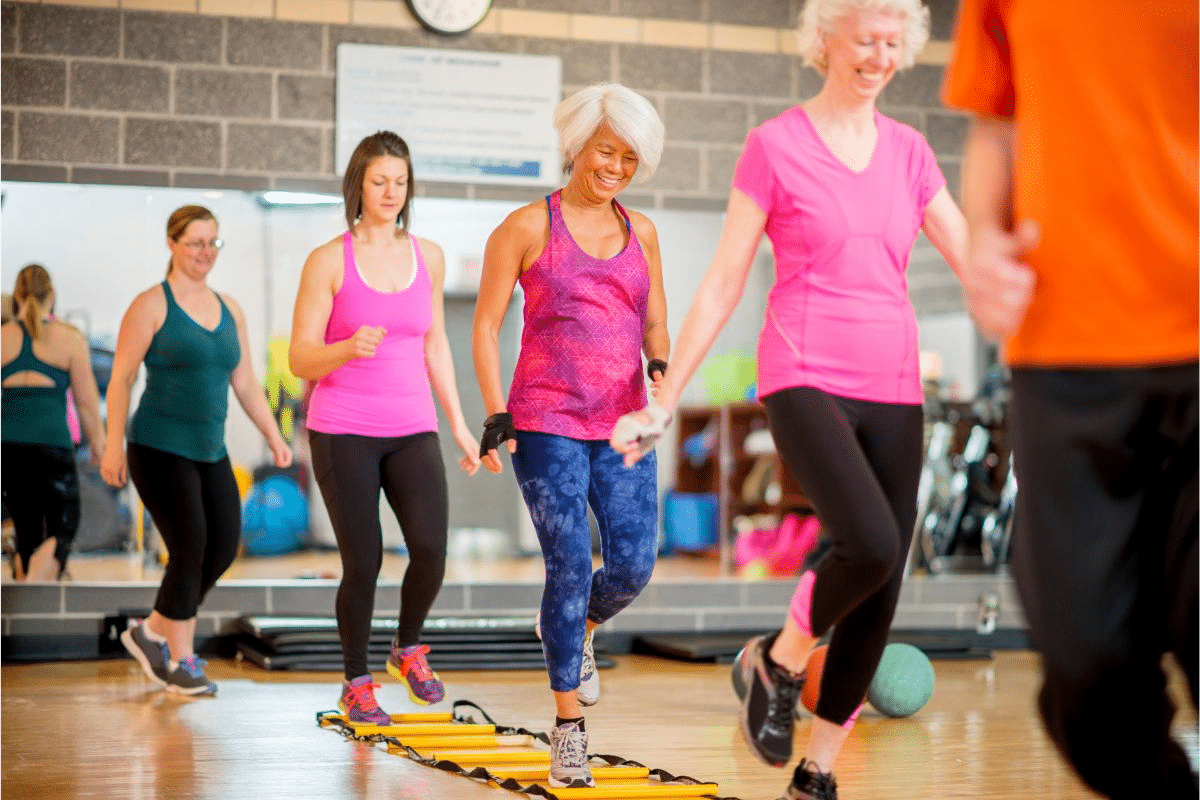
As people get older, staying fit is harder because of joint issues and mobility changes. Low-impact aerobic exercise is a great choice. It keeps the heart healthy, boosts mood, and strengthens muscles without hurting joints. Learn how to do safe, low impact aerobics for seniors. Discover amazing routines that are easy on the joints but effective for heart health and energy.
Seniors have many ways to stay active without harming their joints. Walking, cycling, and yoga are some low-impact exercises that are great for them.
Liv Hospital helps seniors reach their health goals with special aerobic programs. These programs are based on the latest research and focus on the needs of older adults.
Key Takeaways
- Low-impact aerobics is key for keeping the heart healthy in older age.
- It brings many benefits, like better mood and stronger muscles.
- Walking, cycling, and yoga are perfect low-impact exercises for seniors.
- Liv Hospital offers evidence-based aerobic programs for older adults.
- Low-impact aerobics helps keep fit without hurting joints.
The Benefits of Low Impact Aerobics for Seniors
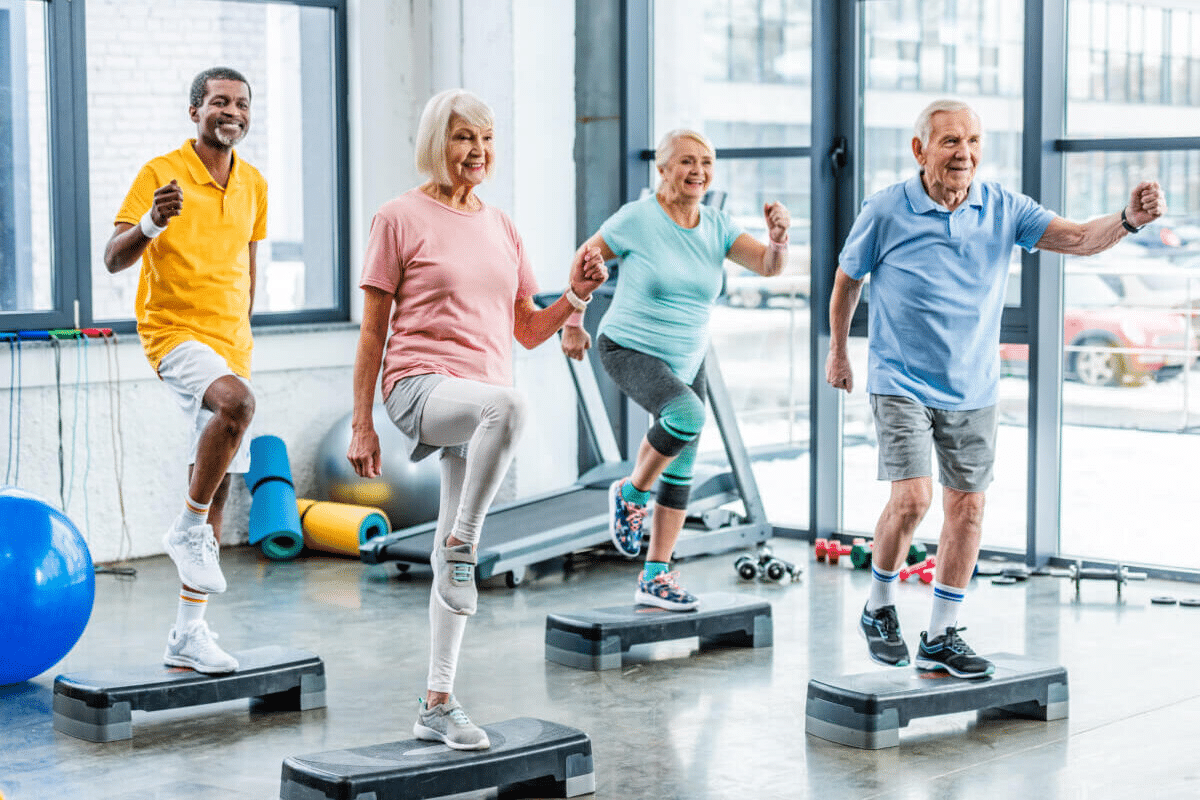
Low-impact aerobics offers many benefits for seniors, improving both physical and mental health. It helps seniors feel better overall.
Cardiovascular Health Improvements
Low-impact aerobics strengthens the heart and lungs. It’s great for seniors because it’s easy on the joints. This exercise boosts cardiovascular health without too much strain.
Key cardiovascular improvements include:
- Increased heart rate and blood flow
- Enhanced cardiovascular endurance
- Lower blood pressure
- Improved overall heart health
Mental Health Benefits
Low-impact aerobics is good for the mind. It releases endorphins, which make you feel better and reduce pain.
The mental health benefits include:
- Reduced symptoms of anxiety and depression
- Improved mood and overall sense of wellbeing
- Enhanced cognitive function
Chronic Disease Prevention and Management
Low-impact aerobics helps prevent and manage chronic diseases in seniors. It improves heart health, reduces body fat, and boosts metabolism. This lowers the risk of diabetes, heart disease, and some cancers.
|
Disease/Condition |
Prevention/Management through Low-Impact Aerobics |
|---|---|
|
Diabetes |
Improves insulin sensitivity and glucose metabolism |
|
Heart Disease |
Enhances cardiovascular health and reduces risk factors |
|
Certain Cancers |
Helps maintain a healthy weight and improves immune function |
Seniors can enjoy these benefits by adding low-impact aerobics to their routine. It’s a safe and effective way to stay active without risking injury.
Understanding Low Impact vs. High Impact Exercise
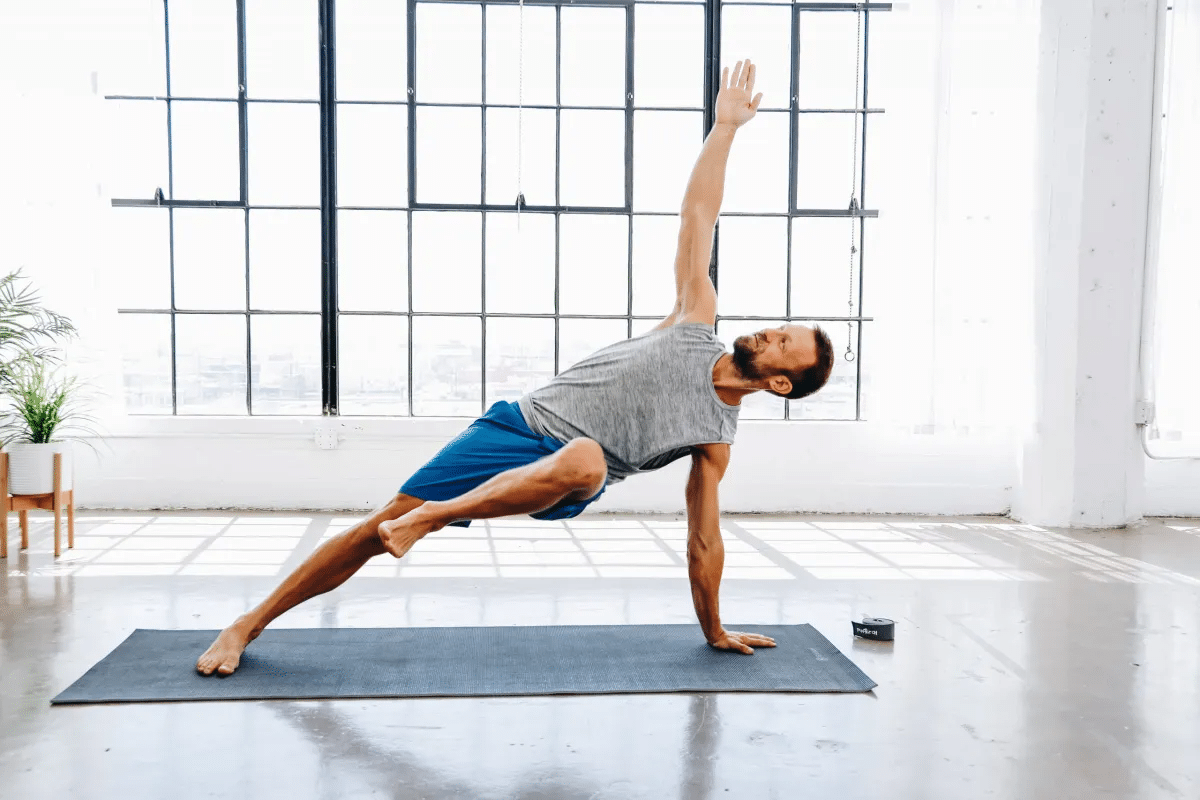
Seniors need to know the difference between low impact and high impact exercises. This is because their joints get worn out more easily as they age. Choosing gentle exercises is key to staying healthy without harming their joints.
Definition and Principles of Low Impact Exercise
Low impact exercises are great for seniors because they’re easy on the joints. These activities keep at least one foot on the ground or use water to soften the impact. They help keep the heart healthy and the body fit without risking injury.
Key characteristics of low impact exercise include:
- Keeping at least one foot on the ground
- Minimizing jumping or high-impact landings
- Using supportive equipment or water for impact absorption
- Focusing on controlled, gentle movements
The Journal of Aging Research says low impact exercises are best for older adults. They help keep seniors active and reduce the chance of falling.
Why Seniors Should Prioritize Joint-Friendly Movement
Seniors should focus on exercises that are easy on their joints. This helps avoid injuries and keeps them independent. Low impact exercises are designed to be gentle, which is good for preventing joint diseases.
A study in the American Journal of Preventive Medicine shows low impact exercises are good for the heart. Brisk walking, swimming, and cycling are great for seniors.
|
Exercise Type |
Impact Level |
Benefits for Seniors |
|---|---|---|
|
Brisk Walking |
Low |
Improves cardiovascular health, strengthens bones |
|
Swimming |
Low |
Enhances cardiovascular fitness, supports joint health |
|
Cycling |
Low |
Boosts cardiovascular health, improves leg strength |
As
“Exercise is a celebration of what your body can do, not a punishment for what you ate.”
This quote shows the positive side of exercise, which is very important for seniors.
In conclusion, it’s important for seniors to know the difference between low and high impact exercises. By choosing low impact exercises, they can stay healthy, avoid injuries, and enjoy life more.
Getting Started: Essential Equipment and Safety Precautions
Starting a low-impact aerobics journey needs some key steps for safety and fun. Seniors should know what equipment and precautions are needed for senior aerobic workouts.
Recommended Clothing and Supportive Footwear
Choosing the right clothes and shoes is key for comfort and safety in aerobics routines. Wear comfy, breathable clothes for easy movement. Shoes should support your arches and have good cushioning.
Optional Equipment for Enhanced Workouts
Some equipment can make workouts better. Resistance bands, light dumbbells, and step platforms add variety. For those who like following a plan, aerobic training videos offer structured routines and motivation.
- Resistance bands for strength training
- Light dumbbells for added resistance
- Step platforms for varied intensity
- DVDs or online aerobic training videos for guided workouts
Safety Guidelines and Medical Considerations
Seniors should talk to their doctor before starting any new exercise. Knowing your limits and staying hydrated are also important.
|
Safety Precautions |
Description |
|---|---|
|
Consult a Doctor |
Discuss your exercise plans with your healthcare provider. |
|
Warm-Up and Cool-Down |
Always start with a warm-up and end with a cool-down. |
|
Stay Hydrated |
Drink water before, during, and after exercise. |
The CDC says older adults should do at least 150 minutes of moderate-intensity aerobic activity weekly. By following these tips and being careful, seniors can enjoy low-impact aerobics safely and effectively.
Warm-Up Exercises for Senior Aerobics
Warm-up exercises are key before starting aerobic activities for seniors. They boost flexibility and lower injury risk. These exercises get the body ready for more intense activities by improving blood flow and heart rate.
Gentle Joint Mobility Exercises
Gentle joint mobility exercises are vital for seniors to loosen up before aerobics. They include:
- Neck stretches: Slowly tilt the head to the side, bringing the ear towards the shoulder.
- Shoulder rolls: Roll the shoulders forward and backward in a circular motion.
- Wrist rotations: Rotate the wrists in both clockwise and counterclockwise directions.
- Ankle circles: Rotate the ankles in both clockwise and counterclockwise directions.
These exercises improve flexibility and reduce stiffness. This makes it easier for seniors to do daily tasks and join in aerobic exercises.
Light Cardiovascular Warm-Up Activities
Light cardiovascular warm-ups slowly raise the heart rate and get the heart ready for harder exercise. Examples are:
- Brisk walking: Walking at a slightly faster pace than normal.
- Marching in place: Marching in place can be done while holding onto a chair for support.
- Seated leg lifts: Lifting the legs while seated can help increase blood flow.
These activities are low impact and can be adjusted for different fitness levels. Adding these warm-ups to a routine can greatly improve the aerobic experience.
Effective Aerobics for Seniors: Step-by-Step Movements
Low-impact aerobics for seniors is a safe and fun way to boost fitness and mental health. As we age, regular exercise is key to staying independent, managing health issues, and living better.
Walking-Based Aerobic Exercises
Walking is a simple yet powerful exercise for seniors. It can be done almost anywhere and doesn’t need special gear. To make it more fun and challenging, try brisk walking, walking on different surfaces, or using walking poles.
Step-by-Step Walking Exercise:
- Begin with a gentle warm-up by walking at a normal pace for 5 minutes.
- Then, walk briskly for 10-15 minutes.
- Add short breaks for slower walking to recover.
- Finish with a cool-down of slow walking for 5 minutes.
Standing Cardio Movements
Standing cardio exercises help improve heart health without harming joints. These can be adjusted based on fitness and mobility.
Example Standing Cardio Exercises:
- March in place while standing with feet hip-width apart, bringing knees up.
- Stand with feet together and swing one leg forward and backward, then switch.
- Hold arms straight out and make small circles with the hands.
Chair-Supported Aerobic Exercises
Chair-supported aerobics are great for seniors with mobility issues or those who prefer sitting. These exercises can be done while holding onto a sturdy chair.
Chair-Supported Exercise Examples:
- Sit with feet flat and march in place.
- Lift one leg off the floor, keeping it straight, and then lower it back down. Alternate legs.
- Hold arms straight out to the sides and lift them up and down.
By adding these exercises to their routine, seniors can see better heart health, more strength, and overall well-being.
Popular Low Impact Aerobic Activities for Seniors
Seniors can enjoy many low-impact aerobic activities to boost their health. These activities help the heart and mind, and improve fitness. They are great for seniors looking to stay active.
Water Aerobics and Pool Exercises
Water aerobics is a fantastic choice for seniors. It’s a low-impact workout that’s easy on the joints. The water’s buoyancy makes it perfect for those with arthritis or mobility issues. Many places offer water aerobics classes just for seniors.
Benefits of Water Aerobics:
- Improves cardiovascular health
- Enhances flexibility and range of motion
- Reduces joint stress
- Provides a social environment for interaction
Cycling and Stationary Bikes
Cycling is great for seniors. It can be done on a stationary bike at home or in a gym, or by riding outdoors. Cycling boosts heart health, strengthens legs, and suits all fitness levels.
Tips for Cycling:
- Start with low resistance and gradually increase as fitness improves
- Ensure proper bike adjustment for comfort and safety
- Consider using a stationary bike with pre-set programs for variety
Dancing and Rhythmic Movement
Dancing is a fun way for seniors to stay active. Many places offer dance classes for seniors, like line dancing or waltz. Dancing improves heart health, balance, and offers a chance to meet others.
Dancing also has mental health benefits, as it can help reduce stress and improve mood.
Jenny McClendon Exercise Programs for Seniors
Jenny McClendon’s programs are low-impact and easy for seniors to follow. Her 20-minute workouts are popular for improving heart health and fitness. These programs mix aerobic exercises, strength training, and flexibility movements.
Key Features of Jenny McClendon’s Programs:
- Short, manageable workout sessions
- Varied exercises to keep workouts interesting
- Emphasis on low-impact movements suitable for seniors
Creating a Balanced Weekly Aerobics Schedule
Creating a good aerobics routine means knowing the CDC’s advice for older adults. The Centers for Disease Control and Prevention (CDC) says older adults should do at least 150 minutes of moderate-intensity aerobic activity each week. This can be split into smaller sessions throughout the week.
CDC Exercise Recommendations for Older Adults
The CDC says regular aerobic exercise is key for older adults. At least 150 minutes of moderate-intensity aerobic activity or 75 minutes of vigorous-intensity aerobic activity per week is recommended. Also, doing muscle-strengthening activities on two or more days a week can boost health.
Seniors should mix aerobic exercise with strength training, flexibility exercises, and balance exercises. This mix helps keep them functional and lowers the risk of falls and injuries.
Sample Weekly Exercise Plans by Fitness Level
Creating a weekly aerobics schedule should match the individual’s fitness level. Here are some examples:
- Beginner: 30 minutes of brisk walking, 5 days a week.
- Intermediate: 30 minutes of swimming or water aerobics, 3 days a week, and 30 minutes of brisk walking, 2 days a week.
- Advanced: 45 minutes of cycling or stationary bike, 3 days a week, and 30 minutes of dancing, 2 days a week.
These plans can be tweaked based on personal preferences and goals. Remember to include rest days for recovery.
Progression and Intensity Management
As seniors get more comfortable with their routine, they should increase the intensity and duration. This can be done by:
- Increasing the duration of aerobic sessions.
- Adding more vigorous-intensity activities.
- Incorporating interval training to boost cardiovascular benefits.
Keeping track of progress and adjusting the schedule as needed keeps motivation high. It ensures continued improvement in heart health.
Overcoming Common Challenges in Senior Aerobics
Seniors starting aerobic exercises may face several challenges. Low impact exercise is beneficial but comes with obstacles. It’s important to know these challenges and find ways to overcome them.
Addressing Physical Limitations and Modifications
Seniors often deal with physical issues like joint pain or mobility problems. To tackle these, modifying exercises is key. Water aerobics or chair-supported exercises are great for those with mobility issues or joint pain.
Modifying exercises helps manage physical limitations and keeps seniors safe while working out. Getting advice from healthcare professionals or fitness experts who focus on senior fitness is very helpful. They can help create exercise plans that fit individual needs.
Staying Motivated and Consistent
Staying motivated is a big challenge for seniors in aerobic exercise. Setting realistic goals and tracking progress helps. Joining a senior aerobics class or exercising with a buddy can make it more fun.
Knowing the benefits of aerobic exercise for seniors, like better heart health and mental well-being, can keep them going. Celebrating small wins and being patient with progress helps too. This makes the exercise journey rewarding and consistent.
Conclusion
Low-impact aerobics are key for seniors to keep their hearts healthy and feel good. Regular exercise helps improve heart health, mental state, and life quality. It’s a big win for older adults.
Senior aerobics are made to be easy on the joints. This lowers injury risks and boosts fitness. Activities like walking, cycling, and water aerobics make it fun and doable.
Seniors should aim to exercise 2-3 times a week, for at least 30 minutes each time. Sticking to it is vital for better heart health and staying fit.
Adding low-impact aerobics to their routine helps seniors stay healthy and independent. It’s a smart move for aging well.
FAQ
What is low-impact aerobics, and how does it benefit seniors?
Low-impact aerobics are exercises that are easy on the joints. They are perfect for seniors. These exercises help improve heart health, lower disease risks, and boost overall well-being.
What are the benefits of low-impact aerobics for cardiovascular health?
Low-impact aerobics strengthens the heart and boosts blood flow. It also helps lower blood pressure. Regularly doing these exercises can reduce the risk of heart disease and stroke.
Can low-impact aerobics help with mental health in seniors?
Yes, it can. Low-impact aerobics helps ease anxiety and depression. It also improves mood and brain function in seniors.
What is the difference between low-impact and high-impact exercise?
Low-impact exercises are easy on the joints. High-impact exercises can be hard on them. Seniors should choose low-impact to avoid injuries.
What equipment is essential for low-impact aerobics?
You need comfy clothes and supportive shoes. A safe place to exercise is also key. You can also use resistance bands, light dumbbells, and a yoga mat.
How do I get started with low-impact aerobics if I have physical limitations?
First, talk to a doctor. Start with simple exercises and slowly get more challenging. Try chair exercises or water aerobics if moving is hard.
What are some popular low-impact aerobic activities for seniors?
Seniors like water aerobics, cycling, dancing, and Jenny McClendon’s programs. These activities are fun, low-impact, and can be adjusted for different fitness levels.
How often should seniors engage in low-impact aerobics?
The CDC says seniors should do at least 150 minutes of moderate exercise weekly. Start with short sessions and increase them as you get more comfortable.
How can seniors stay motivated to exercise regularly?
Exercising with friends or joining a class can help. Tracking your progress and finding fun activities also keeps motivation up. Setting achievable goals is key.
Are there any safety guidelines seniors should follow when exercising?
Yes, always check with a doctor before starting a new routine. Warm up before exercising and drink water. Know your limits and stop if you feel pain or discomfort.
Can low-impact aerobics be done at home?
Yes, you can do low-impact aerobics at home with little equipment. Follow along with videos like Jenny McClendon’s or create your own routine with online resources.
National Center for Biotechnology Information. Evidence-Based Medical Guidance. Retrieved from https://pubmed.ncbi.nlm.nih.gov/29346367/



 Departments
 Related Videos
 Our Doctors
 News
News