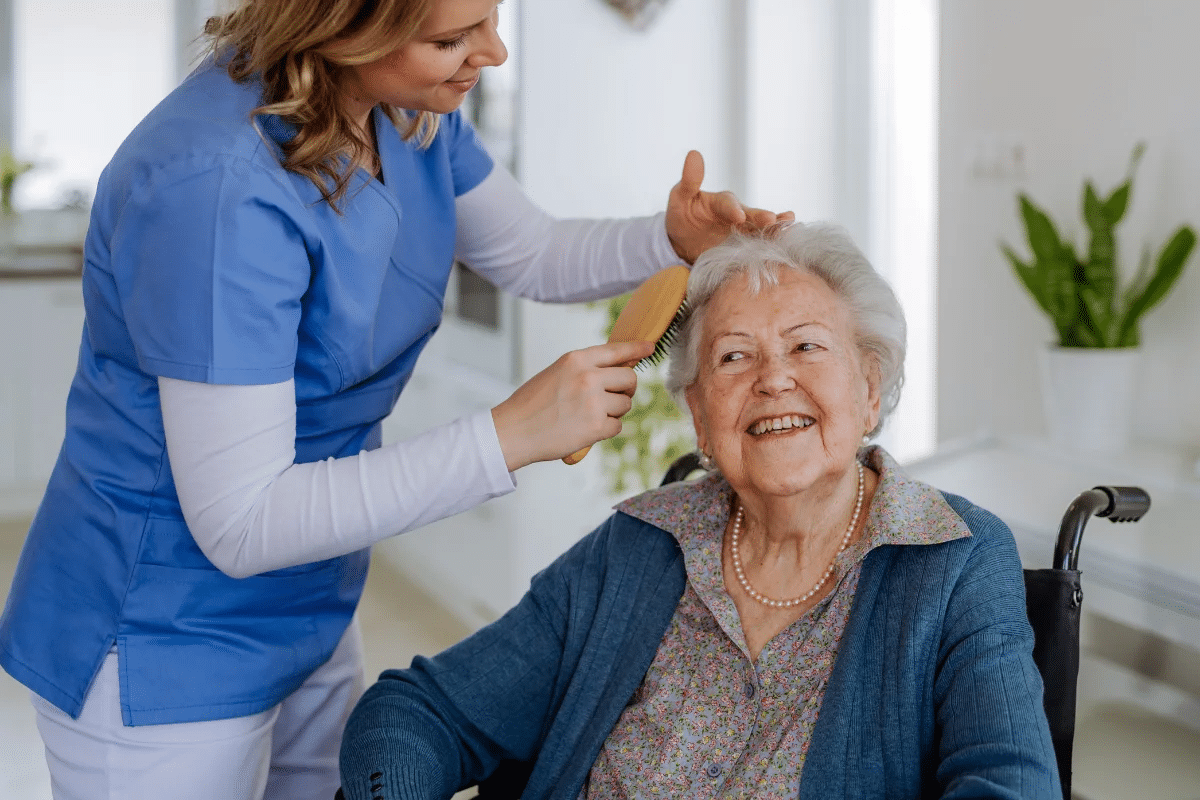
For millions of seniors worldwide,aging in place is a top priority. It’s a big challenge in healthcare and social areas. Many older adults want to stay in their homes as they age. They want to keep their independence and comfort. Master aging in place! Learn 7 crucial tips for amazing senior care, home modifications, and maintaining independence safely at home.
With 75% of adults over 50 wanting to stay put, elderly care tips are in high demand. At Liv Hospital, we get this and are here to help seniors achieve this goal.
To age in place successfully, planning ahead is key. We’ll guide you through it. We’ll share essential senior care tips to help you or your loved ones stay safe and independent at home.
Key Takeaways
- Understanding the concept of aging in place and its importance for seniors.
- Recognizing the need for elderly care tips to support aging in place.
- Planning ahead is key for successful aging in place.
- Liv Hospital’s commitment to supporting seniors in their homes.
- Essential senior care tips for maintaining independence and safety.
The Growing Trend of Aging in Place

Aging in place means living safely and independently at home as you get older. This trend shows how attitudes towards elder care are changing. Seniors want to stay in their own homes, where they feel comfortable and in control.
Current Statistics and Preferences
Most seniors want to live in their own homes as they age. Studies show that 82% of seniors prefer to age in place. They prefer their own homes over institutional care facilities.
Several factors support this choice. These include better healthcare, improved home designs, and more support services. These help seniors live safely and independently at home.
Why 82% of Seniors Choose Home Over Facilities
Seniors choose to age in place for many reasons. The comfort and familiarity of their homes are key. They also value the independence and control they have over their living space.
Jodi Waterhouse, director of outreach at the Multidisciplinary Center on Aging, says, “Many older adults will successfully age in place with the right health, home design, and support.” This highlights the need for a full support system for seniors aging in place.
The Gap Between Desire and Readiness
Seniors often want to age in place but their homes may not be ready. Homes need changes to be safe and accessible, like grab bars and better lighting.
To close this gap, we need to work together. This includes home assessments, making changes, and providing support services. By doing this, we can help seniors live in their homes longer, improving their quality of life and independence.
Evaluating Your Home’s Aging-in-Place Potential
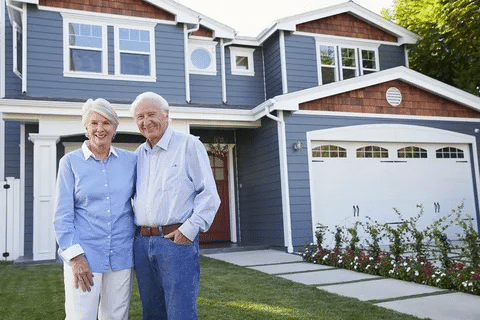
It’s key to check if your home is ready for aging in place. As we get older, our homes must change to keep us safe and independent.
Room-by-Room Safety Assessment
Start by checking each room for safety issues. Look at lighting, flooring, and room layout.
In the kitchen, make sure counters are easy to reach and storage is simple to access. Bathrooms need grab bars and non-slip floors to prevent falls.
Identifying Critical Modification Needs
After checking each room, figure out what changes are most important. Focus on urgent and key updates.
Common updates include adding handrails, better lighting, and wider doorways. These changes make homes safer and more accessible for seniors.
|
Room |
Safety Concerns |
Potential Modifications |
|---|---|---|
|
Kitchen |
Slippery floors, high countertops |
Non-slip flooring, adjustable countertops |
|
Bathroom |
Slippery surfaces, lack of support |
Grab bars, non-slip mats, walk-in showers |
|
Living Room |
Cluttered spaces, poor lighting |
Clearing clutter, improving lighting |
Professional Home Evaluation Services
For a full check, think about getting help from home evaluation pros. They can give you a detailed report and suggest changes.
Only 10% of American homes are ready for safe aging in place. By checking your home and making changes, you can live better and stay independent.
Essential Home Modifications for Senior Safety
Keeping seniors safe at home means making some changes. As they get older, their homes need updates to stay safe and easy to get around. This helps them live on their own and stay healthy.
Bathroom Safety: Grab Bars, Walk-in Showers, and Raised Toilets
The bathroom can be very dangerous for seniors, with slippery floors being a big risk. Putting in grab bars near the toilet and in the shower helps a lot. Also, using walk-in showers or adding a shower seat makes it safer.
Raised toilets or toilet risers help too. They make it easier for seniors to use the bathroom without getting tired.
Kitchen Accessibility: Countertop Heights and Storage Solutions
It’s important for seniors to be able to cook and prepare meals by themselves. Lowering countertop heights makes it easier and less tiring. Adding storage solutions like pull-out shelves helps them reach what they need without straining.
Creating Step-Free Entryways and Pathways
Having step-free entryways and paths is key to avoiding falls. This means installing ramps or making doorways wider for walkers or wheelchairs. Keeping paths clear of clutter also helps a lot.
Lighting Improvements to Prevent Falls
Good lighting is very important to prevent falls in seniors. Brightening up hallways, staircases, and entryways can really help. Using bright LED lighting and making sure switches are easy to reach makes a big difference.
Also, nightlights in bedrooms and bathrooms help seniors move around safely at night.
Advanced Home Adaptations for Aging in Place
To age in place, homes must adapt to seniors’ changing needs. As people get older, they may need modifications to stay safe and mobile. We’ll look at advanced home changes that make aging in place better.
Stair Lifts and Elevators: Options and Considerations
For homes with stairs, stair lifts or elevators are key. Stair lifts help move safely up and down, while elevators are better for multi-story homes. Think about the staircase width, user’s weight, and number of landings when choosing.
Key considerations for stair lifts include:
- The type of staircase (straight or curved)
- The weight capacity of the lift
- Additional features such as footrest and armrest
Widening Doorways for Mobility Device Access
Wider doorways make moving around the home easier, for those with wheelchairs or walkers. Aim for a doorway width of at least 36 inches for most mobility aids.
“A barrier-free home is not just a convenience; it’s a necessity for maintaining independence.”
First-Floor Living Conversions
Moving living spaces to one floor improves accessibility. This might mean moving bedrooms, bathrooms, or laundry to the ground floor. It reduces the need to climb stairs and lowers fall risks.
Universal Design Principles for Long-Term Accessibility
Universal design makes spaces accessible to all, regardless of age or ability. It includes features like lever door handles and non-slip floors. Homes designed this way adapt to changing needs over time.
“Universal design is not just about accessibility; it’s about creating a home that is livable for everyone.”
Bettye Rose Connolly, Accessibility Expert
With these advanced home adaptations, seniors can live safely and comfortably. This supports their wish to stay in their homes as they age.
Smart Technology Solutions for Independent Seniors
More older adults, now 49%, are using smart home technology. This shows how these innovations are key in senior care. They make living independently safer, more comfortable, and give more freedom.
Voice-Activated Home Control Systems
Voice-activated systems are a big step forward in smart home tech for seniors. They let users control things like lights, temperature, and entertainment with voice commands. This is great for seniors who have trouble moving or using their hands.
Key Benefits:
- It’s easier and more convenient to use.
- It makes homes safer by needing less physical action.
- It helps seniors who have trouble moving stay independent.
Remote Monitoring and Fall Detection Devices
Remote monitoring and fall detection devices add safety for seniors living alone. They can spot falls or odd activity and call for help when needed. Studies show these tools cut down injury risks and speed up help in emergencies.
“The integration of fall detection and remote monitoring systems into senior care has been a game-changer, providing peace of mind for both seniors and their families.”
— Expert in Senior Care
Medication Management Technology
Technology is key in managing medications for seniors. Smart pill dispensers and reminders help ensure they take their meds right and on time. These tools can send alerts if a dose is forgotten.
Features to Consider:
- They give reminders and dispense meds automatically.
- They alert if a dose is missed.
- They work with apps for caregivers to check in remotely.
Internet Connectivity and Digital Literacy for Seniors
Seniors need reliable internet and digital skills to use smart tech. Programs to improve internet access and teach seniors are vital. They help close the digital gap and let older adults use these tools well.
As we keep adding smart tech to senior care, making it easy and accessible is key. This way, we can improve their lives and help them stay in their homes longer.
Managing Health Challenges While Aging in Place
Seniors who choose to age in place must manage their health well. This ensures they can live safely and on their own. As we get older, our health needs grow, making it important to manage them well.
Heart Disease and Diabetes Management at Home
Heart disease and diabetes need constant care. Seniors can manage these at home by:
- Checking vital signs often
- Following their medication schedule
- Eating healthy and staying active
Telehealth services are also key. They let seniors talk to doctors from home. This is great for those who can’t move easily or live far away.
Cognitive Decline: Safety Measures and Support Systems
Cognitive decline makes it harder for seniors to stay safe at home. It’s important to have safety measures and support. Some ways to do this include:
- Putting in safety devices like grab bars and non-slip mats
- Keeping a daily routine for structure and familiarity
- Doing activities that keep the mind sharp
Experts say early help and support can really improve life for those with cognitive decline.
“The key to managing cognitive decline is a combination of medical treatment, lifestyle adjustments, and support from family and caregivers.”
Telehealth Services and Remote Healthcare Monitoring
Telehealth has changed healthcare for seniors aging in place. It lets them:
- Have remote talks with doctors
- Keep an eye on chronic conditions
- Get help fast for sudden problems
Telehealth helps seniors get care without needing to go to the hospital often. This makes it easier for them to stay at home.
Emergency Response Systems and Medical Alerts
Emergency systems and medical alerts are essential for seniors living alone. They give quick help in emergencies, giving peace of mind to seniors and their families.
We recommend looking into different emergency systems. Find one that fits the senior’s needs and lifestyle.
Building a Comprehensive Support Network
As people get older, having a strong support network is key. It helps them stay independent, safe, and happy in their homes.
Family Caregiving: Coordination and Communication
Family members are often the main support for seniors who want to stay at home. Good family caregiving means working together and talking clearly. Here’s what we suggest:
- Choose one person to make caregiving decisions
- Use a shared calendar for everyone’s schedules
- Have regular meetings to talk about the senior’s needs
Clear communication helps avoid mistakes and makes sure the senior gets what they need. Working together, family members can offer better support.
Community Resources and Neighbor Support
Help from the community and neighbors can also help seniors stay at home. Local groups offer meals, rides, and help with home repairs. Seniors should:
- Look into what local senior centers offer
- Get to know neighbors who can help sometimes
- Join volunteer programs for company and help
Building relationships with neighbors and community groups can make a strong support network. It also helps seniors feel more connected.
Professional In-Home Care Options
For many seniors, getting professional care at home is important. This care can be simple or skilled, depending on what the senior needs. When looking for professional care, consider:
- What care the senior really needs
- What local agencies offer
- The qualifications of the care providers
Professional care can give peace of mind to seniors and their families. It means knowing there are trained people ready to help with daily tasks and medical needs.
Transportation and Errand Assistance Services
Keeping mobile and independent often means having reliable ways to get around and help with errands. Seniors can use:
- Transportation made for seniors
- Ride-sharing services for older adults
- Services that run errands like grocery shopping
Using these services helps seniors stay connected to their community and keep their independence.
In summary, creating a strong support network is a big job. It involves family, community, professional care, and various services. By combining these, seniors can make a system that supports their wish to stay at home.
Financial Planning for Long-Term Home Living
Financial planning is key for seniors wanting to stay in their homes. It helps them make home changes and get care services. A good plan ensures they can afford these changes, keeping their independence and quality of life.
Budgeting for Home Modifications
Planning the budget for home changes is important. This includes things like grab bars and wider doorways. It’s smart to plan these changes based on what you need now and might need later.
Set aside a budget for these changes. Check it often to make sure it covers your needs and costs.
Insurance Coverage for Home Care
It’s important to know what insurance covers for home care. This includes services like Medicare and Medicaid. Some plans cover certain services, but not all.
Seniors should check their insurance closely. Talking to insurance experts can help understand what’s covered.
Government Programs and Grants
There are government programs and grants for aging in place. They help with home changes, healthcare, and other costs. For example, the Department of Veterans Affairs has a Home Improvement and Structural Alterations (HISA) grant.
Seniors should look into these options. Apply for any that they qualify for.
Tax Incentives for Accessibility Improvements
There are tax benefits for making homes more accessible. The IRS lets you deduct some medical expenses, like home changes.
Talking to a tax expert can help understand these benefits. They can guide on how to claim them.
|
Financial Planning Aspect |
Description |
Potential Benefits |
|---|---|---|
|
Budgeting for Home Modifications |
Allocating funds for necessary home adjustments |
Enhanced safety and accessibility |
|
Insurance Coverage for Home Care |
Understanding and utilizing insurance benefits |
Reduced out-of-pocket expenses for care services |
|
Government Programs and Grants |
Exploring and applying for financial assistance programs |
Additional funding for home modifications and care |
|
Tax Incentives for Accessibility Improvements |
Claiming deductions for medically necessary home modifications |
Reduced tax liability |
By following these steps, seniors can plan well for aging in place. It’s about making smart choices, using available resources, and managing money wisely. This ensures they can meet their needs now and in the future.
Daily Living Strategies for Maintaining Independence
Seniors living on their own can improve their life quality with simple daily steps. Staying independent is key to aging in place. It lets them live safely and comfortably in their homes.
Meal Preparation and Nutrition Solutions
Good nutrition is essential for seniors to stay healthy and independent. We suggest making meal prep easier with appliances like slow cookers or microwaves. This makes cooking safer and less stressful.
- Prepare meals ahead of time to save time and reduce stress.
- Consider meal delivery services if cooking becomes hard.
- Keep kitchen essentials and ingredients within easy reach.
Social Engagement to Combat Isolation
Social activities are vital for mental and emotional health. We recommend:
- Joining local senior clubs or groups that match their interests.
- Using video calls to stay in touch with loved ones.
- Getting involved in community events or volunteering.
Physical Activity and Fall Prevention Programs
Regular exercise keeps strength, flexibility, and balance, lowering fall risks. We suggest:
- Trying exercises like tai chi, yoga, or water aerobics.
- Using home gear like resistance bands or light weights.
- Installing handrails and non-slip mats to prevent falls.
Simplified Home Organization and Maintenance
Keeping the home organized can reduce stress and improve safety. We advise:
- Clearing clutter to avoid tripping hazards.
- Organizing important items in labeled, easy-to-reach spots.
- Setting up a maintenance schedule for tasks like cleaning gutters or checking smoke detectors.
By following these daily strategies, seniors can keep their independence. They can continue to live happy, fulfilling lives in their own homes.
Conclusion: Creating Your Personalized Aging in Place Plan
Creating a personalized aging in place plan is key for a successful life at home. Aging in place means living safely and comfortably in your own home as you age. It’s important to assess your home, make necessary changes, and build a support network.
Experts say working with healthcare providers and care partners is essential. This way, seniors get age care that fits their needs. Solutions like smart technology and home modifications help keep them independent and safe.
By following the strategies in this article, seniors can age in place successfully. We encourage you to start making your own aging in place plan. This ensures you get the support and care you need to thrive at home.
FAQ
What does it mean to age in place?
Aging in place means seniors can live safely and on their own at home. They might get help if they need it.
Why do most seniors prefer to age in place?
Seniors like to stay in their homes because it keeps them independent. It’s also comfortable and familiar.
What are the most common challenges faced by seniors who want to age in place?
Seniors face many challenges. These include making their homes safe, managing health, feeling lonely, and money issues.
How can I assess my home’s aging-in-place?ability?
Check your home room by room for safety. Find out what changes you need. You might want to get help from experts.
What are some essential home modifications for senior safety?
Important changes include making bathrooms safer, making kitchens easier to use, improving lighting, and removing stairs.
How can smart technology support independent living for seniors?
Smart tech helps seniors stay independent. It includes voice control, watching over them remotely, detecting falls, and managing medicine.
What are some strategies for managing health challenges while aging in place?
To manage health, seniors can handle chronic conditions, use telehealth, and have systems for emergencies.
How can I build a support network for aging in place?
Create a support network with family, community help, professional care, and services for getting around.
What financial planning is necessary for long-term home living?
Plan your finances for home living by budgeting for changes, getting insurance, using government programs, and tax breaks.
How can I maintain my independence while aging in place?
Stay independent by cooking, staying social, exercising, and keeping your home simple.
Are there government programs available to support aging in place?
Yes, there are programs like those from HUD and the VA to help seniors stay in their homes.
National Center for Biotechnology Information. Evidence-Based Medical Guidance. Retrieved from https://pmc.ncbi.nlm.nih.gov/articles/PMC3227373/



 Departments
 Related Videos
 Our Doctors
 News
News