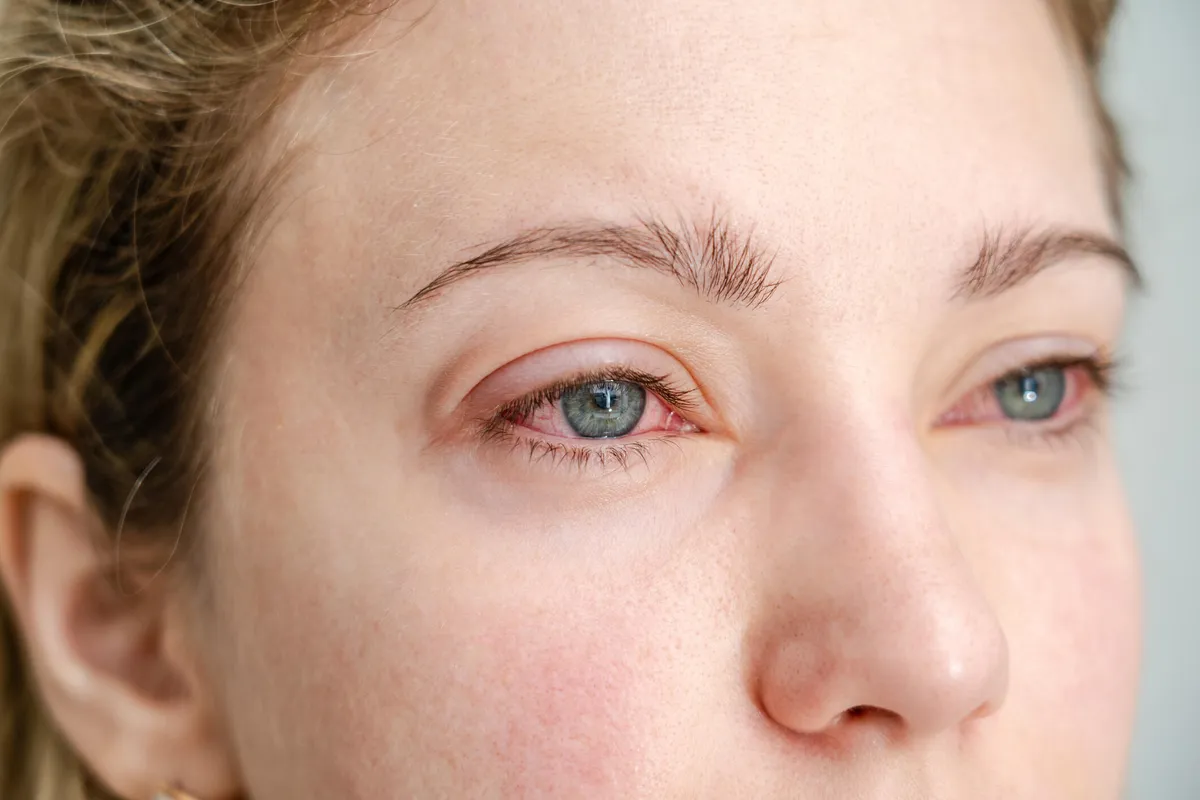
If you have itchy, watery, or red eyes during allergy season, you might have allergic conjunctivitis. This common eye issue affects up to 40 percent of people allergic conjunctivitis how long does it last.
At Liv Hospital, we know how important it is to manage your symptoms well. This helps you feel better every day. Allergic conjunctivitis happens when your conjunctiva gets swollen or inflamed. This is because of a reaction to pollen, dust mites, pet dander, mold, or other allergy-causing substances.
Knowing how long allergic conjunctivitis lasts and when to see a doctor is key. We offer tailored treatment plans and support to meet your eye care needs.
Key Takeaways
- Allergic conjunctivitis is a non-contagious inflammation of the conjunctiva caused by exposure to allergens.
- The condition affects up to 40 percent of the population worldwide.
- Symptoms include itchy, watery, or red eyes during allergy season.
- Understanding the duration of allergic conjunctivitis is key to managing symptoms effectively.
- Liv Hospital provides personalized treatment plans and support for eye care.
Understanding Allergic Conjunctivitis
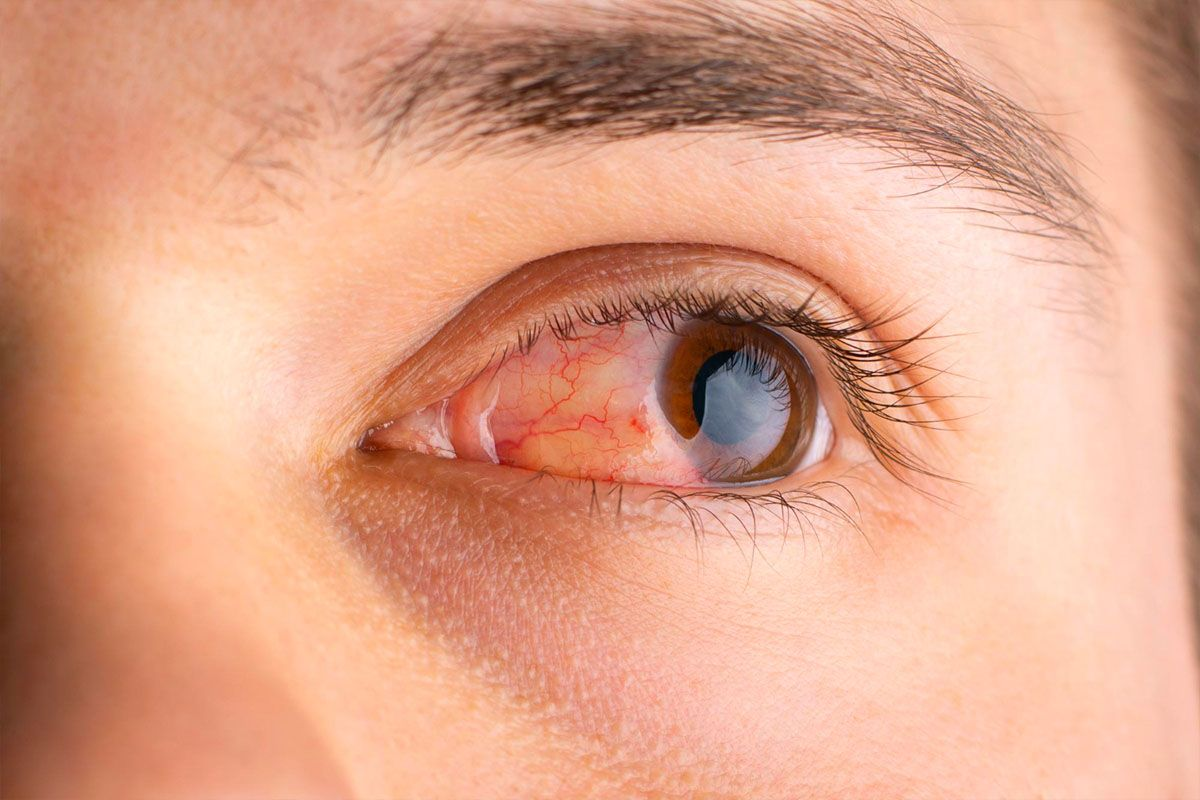
Allergic conjunctivitis is a serious health issue. It’s important to know its definition, causes, and symptoms. This knowledge helps manage symptoms and find the right treatment.
Definition and Causes
Allergic conjunctivitis is an inflammatory response in the eyes. It’s caused by allergens like pollen, dust mites, pet dander, and mold. When these allergens meet the eyes, they make the immune system release histamine.
Histamine makes blood vessels in the conjunctiva swell. This swelling leads to the symptoms of allergic conjunctivitis. The severity of symptoms depends on the individual and the allergen.
Common Symptoms
The symptoms of allergic conjunctivitis can be very uncomfortable. They include intense itching or burning sensations in the eyes, puffy eyelids, redness, and excessive tearing. Some people also have a stringy discharge in their eyes.
These symptoms happen because the eyes try to get rid of the allergen. The histamine makes blood vessels more open. This leads to swelling and redness. Knowing these symptoms helps diagnose allergic conjunctivitis and tell it apart from other types.
Types of Allergic Conjunctivitis
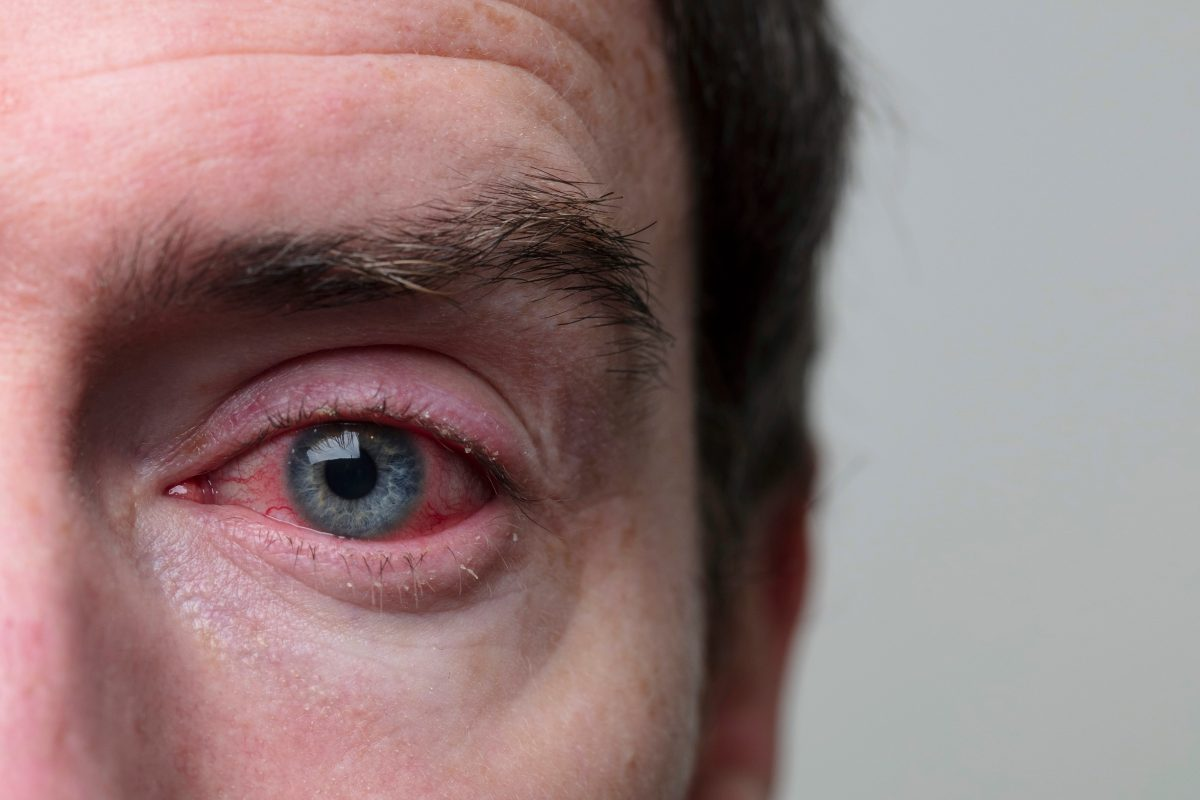
Allergic conjunctivitis is not just one condition. It’s a group of disorders with similar symptoms. Knowing the different types is key to managing and treating them well.
There are various forms of allergic conjunctivitis, each with its own traits and duration. It’s important to understand these differences. This helps figure out how long it will last and how to handle it.
Seasonal Allergic Conjunctivitis
Seasonal allergic conjunctivitis is caused by pollen from trees, grasses, and weeds. It happens when pollen counts are high, usually during certain times of the year. Symptoms can last from weeks to months during pollen seasons. Understanding the seasonal patterns helps manage it better.
Perennial Allergic Conjunctivitis
Perennial allergic conjunctivitis is caused by indoor allergens like dust mites and pet dander. It lasts all year because these allergens are always around. Identifying and reducing exposure to these allergens is essential for managing it.
Acute Allergic Conjunctivitis
Acute allergic conjunctivitis happens after exposure to a specific allergen, like during an event. Symptoms start suddenly and can be intense. But, they usually go away within 24 hours after avoiding the allergen.
Allergic Conjunctivitis vs. Infectious Conjunctivitis
It’s key to know the difference between allergic reactions and infections in conjunctivitis. This is because conjunctivitis, or pink eye, can be caused by either. Understanding these differences is important for proper treatment.
Key Differences in Symptoms and Appearance
Allergic conjunctivitis and infectious conjunctivitis show different signs. Allergic conjunctivitis often involves both eyes. It causes itching, redness, and watery discharge.
In contrast, infectious conjunctivitis, from bacteria or viruses, has a purulent discharge. It may also have crusting eyelashes.
The look of the eyes varies too. Allergic conjunctivitis makes eyelids swell and puff up. Infectious conjunctivitis, though, causes more redness and inflammation.
Is Allergic Conjunctivitis Contagious?
Another big difference is contagiousness. Allergic conjunctivitis is not contagious. It’s caused by an immune reaction to allergens like pollen or dust mites.
Infectious conjunctivitis, mainly the viral kind, is very contagious. It spreads through direct contact with an infected person’s eye discharge.
Knowing allergic conjunctivitis isn’t contagious is reassuring. It means those with it don’t have to worry about spreading it. Yet, managing symptoms is vital to avoid discomfort and complications.
How Long Does Allergic Conjunctivitis Last?
The time allergic conjunctivitis lasts can change a lot. It depends on the type of allergy and how much you’re exposed to the allergen. Knowing this helps manage the condition better.
Duration of Acute Allergic Reactions
Acute allergic conjunctivitis doesn’t last long. Symptoms usually go away in 24 hours if you avoid the allergen. For example, if it’s caused by pollen or pet dander, staying away from it helps symptoms improve fast.
Seasonal Allergic Conjunctivitis Timeline
Seasonal allergic conjunctivitis happens when certain allergens like pollen are around. Symptoms can last weeks to months, depending on the pollen season. For example, in areas with lots of tree pollen in spring, symptoms might start in March and end in May.
Perennial Allergic Conjunctivitis Duration
Perennial allergic conjunctivitis is always present and caused by indoor allergens like dust mites, mold, or pet dander. Symptoms can last for months if not treated. To manage it, you need to reduce exposure to allergens and use treatments to control symptoms.
In summary, how long allergic conjunctivitis lasts varies:
- Acute allergic conjunctivitis: resolves within 24 hours
- Seasonal allergic conjunctivitis: lasts several weeks to months
- Perennial allergic conjunctivitis: can persist for months
Knowing these timelines helps in planning effective treatments and managing what to expect for recovery.
Factors Affecting Duration of Eye Allergies
Several factors can affect how long eye allergies last. Knowing these factors helps in managing symptoms better and shortening their duration.
Allergen Exposure Level and Persistence
The amount and how long you’re exposed to allergens matter a lot. High levels and long exposure times can make symptoms last longer. For instance, during pollen seasons, being outside a lot can prolong symptoms for those with seasonal allergies. Reducing exposure to known allergens is key to managing eye allergies.
Individual Immune Response Variations
How your immune system reacts to allergens also plays a big role. People’s immune systems can react differently, affecting how long and how severe symptoms are. Some may have stronger reactions, leading to longer and more severe symptoms. Others might have milder reactions.
Swelling from allergic conjunctivitis usually goes down once the allergen is removed or treated. The level and how long you’re exposed to allergens, along with how your immune system reacts, are key to how long eye allergies last.
How Long Do Swollen Eyes From Allergies Last?
Many people wonder how long swollen eyes from allergies last. Swollen eyes, or eyelid swelling, is a common sign of allergic conjunctivitis. Knowing how long it lasts helps manage symptoms and find the right treatment.
Timeline for Eyelid Swelling Reduction
Eyelid swelling from allergies usually gets better over time. The speed depends on how severe the allergy is and the treatment used. Once the allergen is gone or treated, the swelling starts to go down.
Key factors influencing the timeline for eyelid swelling reduction include:
- The level of exposure to the allergen
- The individual’s immune response
- The type and efficacy of the treatment used
With the right treatment and avoiding the allergen, eyelid swelling usually gets better in a few days. Remember, constant exposure to the allergen can make swelling last longer.
When to Be Concerned About Persistent Swelling
Most eyelid swelling from allergies gets better with time and treatment. But, if swelling lasts more than a week or comes with other serious symptoms, you should see a doctor. Symptoms like severe pain, vision changes, or trouble moving the eye are red flags.
“If you experience persistent or severe swelling, it’s always best to consult with a healthcare professional to rule out other conditions that may require different treatment.”
Signs that you should seek medical help include:
- Swelling that doesn’t improve with treatment
- Severe pain or discomfort
- Changes in vision
- Difficulty moving the eye
Understanding how long eyelid swelling lasts and when to worry about it helps manage symptoms. It also ensures you get the right care when needed.
Can Your Eyes Get Red From Allergies?
Allergies can make your eyes red and irritated. This is because of allergic conjunctivitis, a common eye condition. It causes redness, itching, and tearing. Allergies can significantly impact eye health, leading to discomfort and, in some cases, affecting vision.
Mechanism of Allergy-Induced Redness
The redness from allergic conjunctivitis comes from histamine release. When an allergen touches the eye, histamine is released. This makes blood vessels in the conjunctiva dilate.
This increased blood flow causes redness and swelling. As Medical Expert, an ophthalmologist, says, “The increased blood flow is the body’s response to the perceived threat, resulting in the visible symptoms of redness and swelling.”
Knowing how allergy-induced redness works helps us manage it better. By understanding that redness comes from histamine and blood flow, we see why treatments targeting this are important. Antihistamines and other allergy medications can help by reducing the allergic reaction.
The time red eyes last from allergies depends on the allergy’s severity and treatment. Once the allergen is avoided, symptoms can lessen. But, if you keep getting exposed, symptoms may stay. It’s key to see a healthcare professional for the right diagnosis and treatment.
Does Allergic Conjunctivitis Go Away on Its Own?
Knowing if allergic conjunctivitis can heal without treatment is key. This condition makes the thin membrane around the eye swell up because of an allergy. Common causes include pollen, dust mites, or pet dander.
Natural Resolution Timeline Without Treatment
Symptoms of allergic conjunctivitis usually last as long as the allergen is around. If you avoid the allergen, your symptoms should get better. For example, if pollen is the cause, symptoms will lessen when pollen counts drop.
But, if the allergen is always there, like dust mites, symptoms might not go away. It’s important to find ways to reduce your exposure.
When you can’t avoid the allergen, managing symptoms is vital. Allergic conjunctivitis can resolve on its own once the allergen is removed. But, avoiding pollen during peak seasons can be hard.
When Medical Intervention Is Necessary
While avoiding allergens is best, sometimes you need medical help. If your symptoms are bad, last a long time, or get in the way of daily life, see a doctor. Medical professionals can guide you on the right treatment, which might include medicines to help with symptoms.
It’s also important to know when your symptoms might not just be from allergies. If you think you might have an infection or something else, see a doctor. They can check if you have something else that needs different treatment.
Treatment Options and Their Effect on Duration
Treatment options are key in figuring out how long allergic conjunctivitis lasts. The right treatment can make the condition shorter and less severe.
Over-the-Counter Remedies
Over-the-counter (OTC) remedies are often the first choice for allergic conjunctivitis. These include antihistamine eye drops, mast cell stabilizers, and NSAIDs. Antihistamine eye drops quickly help by stopping histamine release, which causes allergic reactions. Mast cell stabilizers prevent histamine and other mediators from being released, reducing the allergic response.
It’s important to follow OTC remedy instructions carefully and know about possible side effects. Some antihistamine eye drops might make you feel drowsy, but this is rare with topical use.
Prescription Medications
For severe cases, prescription medications are needed. These include stronger antihistamine eye drops, corticosteroid eye drops, or oral antihistamines. Corticosteroid eye drops are very effective in reducing inflammation and are often used for short-term severe flare-ups.
It’s important to use prescription medications as directed by a healthcare professional. This helps avoid side effects and ensures the treatment works well.
How Quickly Different Treatments Work
How fast treatments work can differ. OTC antihistamine eye drops can help within minutes to hours. Mast cell stabilizers may take longer, often needing several days to show improvement.
Prescription medications, like corticosteroid eye drops, can offer quick relief in a few days. But, treatment should be short to avoid side effects from long-term use.
Swelling from allergic conjunctivitis usually goes down once the allergen is removed or treatment is given. Knowing about treatment options and their effects helps manage the condition and avoid long-lasting symptoms.
Managing Allergic Conjunctivitis at Home
Managing allergic conjunctivitis at home is doable with the right steps. Knowing how to avoid allergens and using simple remedies can help a lot. This way, people can lessen their symptoms.
Allergen Avoidance Strategies
Avoiding allergens is key in managing allergic conjunctivitis. Here are some tips to help you avoid them:
- Monitor pollen counts: Keep an eye on pollen levels in your area to plan your day.
- Use air purifiers: Air purifiers can clean the air, reducing allergens.
- Keep windows closed: During high pollen times, keep windows and doors shut to keep allergens out.
- Wear protective eyewear: Sunglasses can protect your eyes from pollen and other allergens outdoors.
Home Remedies for Symptom Relief
There are also home remedies to ease allergic conjunctivitis symptoms:
- Cool compresses: A cool, damp cloth on your eyes can lessen swelling and itching.
- Artificial tears: Artificial tears can wash out allergens and keep your eyes moist.
- Eye hygiene: Washing your eyes gently with water can remove allergens.
By using these strategies and remedies, you can manage allergic conjunctivitis at home. This can make symptoms less severe and shorter.
Preventing Recurrent Episodes of Allergic Conjunctivitis
Stopping allergic conjunctivitis from coming back is key to managing it well. Knowing and using preventive steps can greatly lessen symptoms’ frequency and intensity.
Environmental Controls
Environmental controls are a major part of prevention. They help cut down on allergens that cause allergic conjunctivitis. Using HEPA filters in homes and offices can greatly reduce pollen, dust mites, and pet dander in the air.
Cleaning and dusting regularly, where allergens tend to gather, is also helpful. Use a damp cloth to catch dust instead of spreading it. Keeping windows closed during high pollen times and using air conditioning can also keep the air cleaner and free of allergens.
Long-term Management Strategies
For long-term control, immunotherapy is very effective. It involves slowly getting used to more of the allergen, building up tolerance. This can greatly reduce symptoms for many people.
Good eye care is also vital. Washing hands often and avoiding eye contact can stop allergens from getting in. Wearing sunglasses outside can also shield the eyes from pollen and other allergens in the air.
By mixing environmental controls with long-term strategies, people can stop allergic conjunctivitis from coming back. This improves their life quality a lot.
Conclusion
Knowing how long allergic conjunctivitis lasts and how to manage it is key. By staying away from allergens and using the right treatments, people can handle this condition well. This helps them live better, even with allergies.
The time allergic conjunctivitis lasts can change based on the type and how bad it is. To manage it well, you need to avoid allergens, use over-the-counter and prescription meds. Taking care of your eyes can make a big difference in your daily life.
We’ve looked at the different kinds of allergic conjunctivitis, their signs, and how to treat them. By using long-term plans, you can stop it from coming back and feel better. Handling allergic conjunctivitis means tackling the root causes and symptoms.
FAQ
How long does allergic conjunctivitis last?
The time allergic conjunctivitis lasts varies. It can be a few hours to days for acute cases. Seasonal and perennial cases can last weeks or months.
How long does it take for eye allergy symptoms to resolve?
Symptoms can clear up in a few days to a week. This happens when you avoid the allergen and use the right treatment. But, if you keep getting exposed, symptoms can last longer.
Is allergic conjunctivitis contagious?
No, it’s not contagious. It’s an immune reaction to an allergen, not a virus or bacteria.
How long do swollen eyes from allergies last?
Swollen eyes from allergies can last a few hours to days. They usually get better in a few days with the right treatment and avoiding the allergen.
Can your eyes get red from allergies?
Yes, allergies can make your eyes red. This happens because of histamine and other chemicals that increase blood flow and cause inflammation.
Does allergic conjunctivitis go away on its own?
Mild cases might clear up without treatment. But, more severe cases need medical help and treatment to manage symptoms well.
How long does it take for over-the-counter remedies to work for allergic conjunctivitis?
Over-the-counter remedies like antihistamine eye drops can start working in a few hours to days. This depends on how severe your symptoms are and how you react.
How can I prevent recurrent episodes of allergic conjunctivitis?
To prevent it, avoid known allergens and use environmental controls. Long-term management, like immunotherapy, can also help.
How long does it take to manage allergic conjunctivitis with prescription medications?
Prescription meds, like corticosteroid eye drops, can start working in a few days to a week. This depends on your symptoms and how you react.
Can allergic conjunctivitis be managed at home?
Yes, you can manage it at home. Avoid allergens, use home remedies like cold compresses, and take over-the-counter meds.
References
National Center for Biotechnology Information. Allergic Conjunctivitis: Duration and Symptom Management. Retrieved from https://www.ncbi.nlm.nih.gov/pmc/articles/PMC8595637/