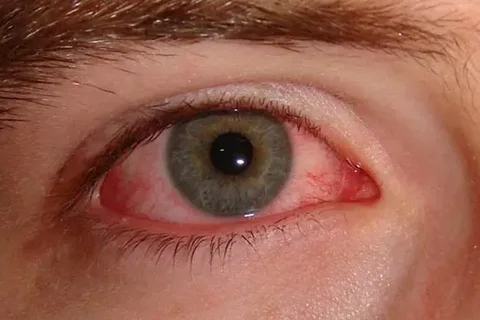
Are your eyes red, itchy, and watery with an unusual discharge? You might be experiencing allergic conjunctivitis. This common and treatable condition affects millions globally allergic conjunctivitis in one eye.
At Liv Hospital, our expert ophthalmologists use the latest methods to diagnose and treat allergic eye conditions. We know that allergies can cause pink eye and eye discharge. And, this condition is not contagious.
Allergic conjunctivitis happens when the eyes react to an allergen. This leads to inflammation and discomfort. It usually affects both eyes but can sometimes hit just one eye.
Key Takeaways
- Allergies can cause pink eye and eye discharge.
- Allergic conjunctivitis is not contagious.
- It occurs when the eyes react to an allergen, leading to inflammation.
- Our expert ophthalmologists use evidence-based protocols for diagnosis and treatment.
- Liv Hospital provides top-notch care for international patients.
Understanding Allergic Conjunctivitis
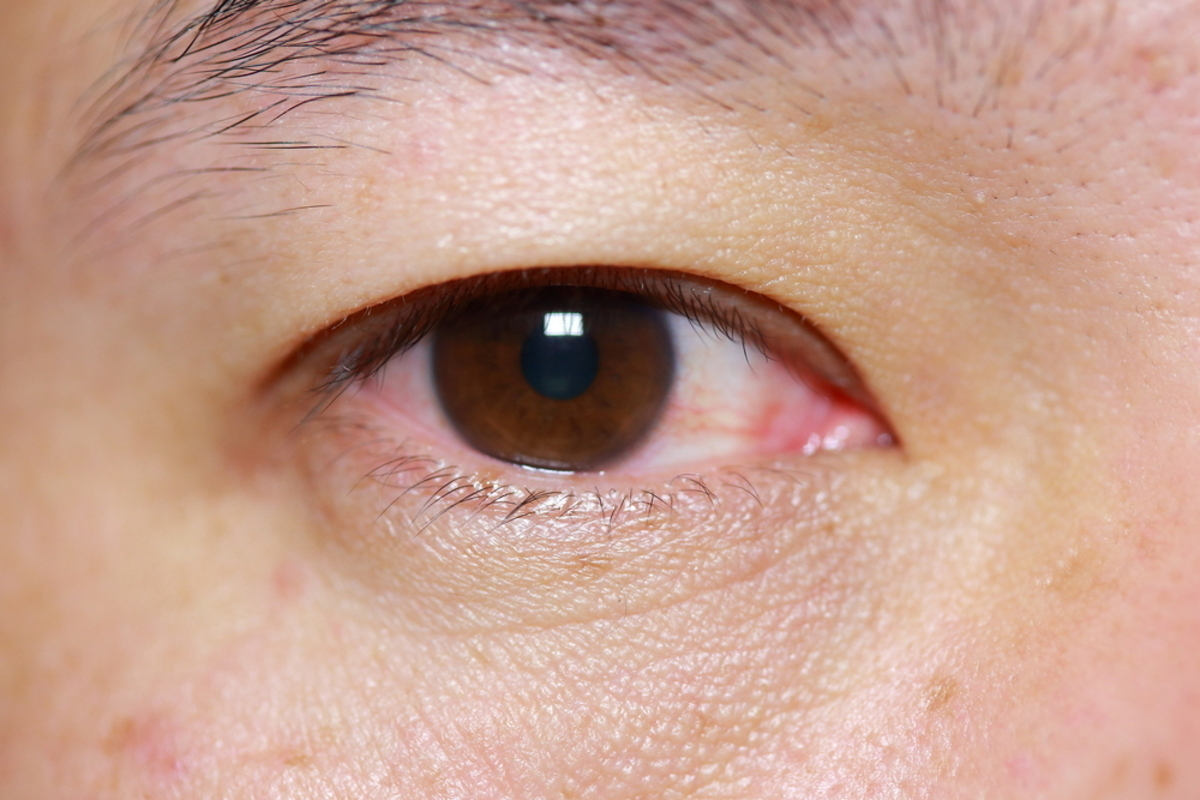
We will explore the intricacies of allergic conjunctivitis and its impact on eye health. Allergic conjunctivitis, commonly known as allergic pink eye, is an inflammatory response to allergens that come into contact with the eyes.
What is Allergic Pink Eye?
Allergic pink eye is a reaction to substances like pollen, dust mites, or pet dander. It’s characterized by inflammation of the conjunctiva, the thin membrane covering the white part of the eye and inside of the eyelids. This condition is not contagious and can be managed with appropriate treatment.
The symptoms of allergic conjunctivitis include redness, itching, and excessive tearing. The discharge associated with allergic pink eye is typically clear and watery or white and stringy. This can sometimes lead to crusting or “goopy eyes,” which is more noticeable in the morning.
How Allergic Conjunctivitis Differs from Other Types of Pink Eye
Unlike infectious conjunctivitis, which is caused by bacteria or viruses, allergic conjunctivitis is triggered by allergens. This key difference affects the treatment approach. While infectious pink eye may require antiviral or antibiotic medications, allergic pink eye is typically managed with antihistamine eye drops or other allergy medications.
Understanding the cause of conjunctivitis is key for effective treatment. By identifying whether the condition is allergic or infectious, individuals can seek the right care and alleviate their symptoms.
The Connection Between Allergies and Pink Eye
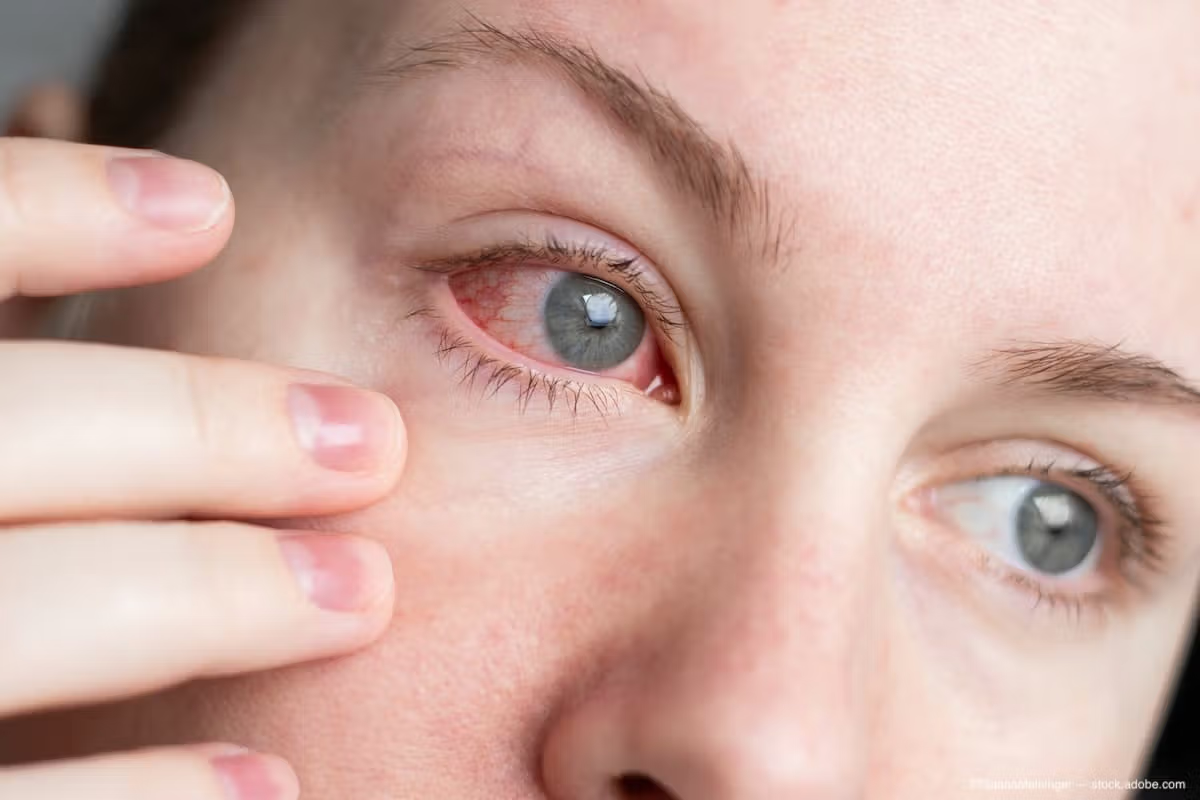
It’s important to know how allergies can lead to pink eye. Allergies can harm your eyes, causing allergic conjunctivitis, or pink eye. When allergens reach your eyes, they start an immune reaction. This reaction causes inflammation and symptoms like pink eye.
How Allergens Trigger Eye Inflammation
Allergens are things that cause allergic reactions. When they touch your eyes, they can start an allergic response. Your eyes then release chemicals like histamine, causing inflammation.
This inflammation makes your eyes red, itchy, and may have discharge. This is what makes pink eye.
Common Allergens That Affect the Eyes
Many common allergens can affect your eyes and cause allergic conjunctivitis. These include:
- Pollen from trees, grasses, and weeds
- Dust mites found in household dust
- Pet dander from cats, dogs, and other animals
- Mold spores that thrive in damp environments
These allergens can make your eyes uncomfortable. They can cause discharge, itching, and redness. Knowing what allergens bother you can help treat pink eye better.
|
Allergen |
Common Sources |
Symptoms |
|---|---|---|
|
Pollen |
Trees, grasses, weeds |
Itchy eyes, redness, discharge |
|
Dust Mites |
Household dust, bedding, carpets |
Eye irritation, tearing, swelling |
|
Pet Dander |
Cats, dogs, other pets |
Redness, itching, watery eyes |
|
Mold Spores |
Damp environments, bathrooms, basements |
Eye discomfort, itching, discharge |
Allergic Conjunctivitis in One Eye: Is It Possible?
Many people wonder if allergic conjunctivitis can affect just one eye. This condition often causes intense itching, redness, swelling, and watery eyes. Sometimes, it can affect only one eye.
Allergic conjunctivitis usually hits both eyes because of how allergies work. But, it can also affect just one eye. This happens when one eye gets more allergens than the other.
Unilateral vs. Bilateral Allergic Reactions
Allergic reactions can affect either one eye or both. Most of the time, both eyes get affected because of how allergies spread. But, sometimes, just one eye can react because of where the allergens are.
For example, touching an allergen and then touching one eye can make that eye react more. Knowing if your allergic conjunctivitis is in one eye or both is key to treating it right.
When Only One Eye is Exposed to Allergens
There are times when one eye might get more allergens than the other. This can happen when you’re outside and pollen counts are high. You might rub one eye more, making it react more.
Also, if you handle things like pet dander or chemicals, you might accidentally get more of it in one eye. This can also cause a reaction in just one eye.
Diagnosing Single Eye Allergic Reactions
Figuring out if you have allergic conjunctivitis in one eye needs a doctor’s check-up. They’ll look at your symptoms, medical history, and might do allergy tests. This helps find out what’s causing the reaction.
|
Symptom |
Unilateral Allergic Conjunctivitis |
Bilateral Allergic Conjunctivitis |
|---|---|---|
|
Eye Affected |
One eye |
Both eyes |
|
Causes |
Localized exposure to allergens |
Systemic exposure to allergens |
|
Symptoms |
Itching, redness, swelling, watery discharge in one eye |
Itching, redness, swelling, watery discharge in both eyes |
|
Diagnosis |
Clinical examination, allergy testing |
Clinical examination, allergy testing |
It’s important to know if your allergic conjunctivitis is in one eye or both. For the best treatment, see an eye care professional. They can give you the right diagnosis and treatment plan.
Types of Eye Discharge in Allergic Conjunctivitis
It’s important to know about the eye discharge types in allergic conjunctivitis. This knowledge helps in diagnosing and treating the condition. The discharge can be very uncomfortable for those who have it.
Clear and Watery Discharge
A clear and watery discharge is a common sign of allergic conjunctivitis. It happens when you’re exposed to allergens like pollen or dust mites. This discharge is different from the thick, yellowish discharge seen in bacterial infections.
White Stringy Mucus Discharge
Allergic conjunctivitis can also lead to a white stringy mucus discharge. This discharge is typical of allergic reactions. It often comes with itching and redness in the eyes. The stringy discharge can make your eyelids stick together, making it hard to open your eyes in the morning.
Morning Eye Crusting and “Goopy Eyes”
Many people with allergic conjunctivitis wake up with morning eye crusting or “goopy eyes.” This happens when discharge builds up overnight, sticking your eyelids together. While it’s uncomfortable, it’s usually not a serious issue and can be managed with good eye care.
To get rid of morning eye crusting, try washing your eyes with warm water. This can help loosen and remove the discharge. You can also use a clean, damp cloth to gently wipe away the crust.
Can Dust Cause Pink Eye?
Dust can cause pink eye in some people. This happens when dust particles make the eyes allergic.
Dust as an Allergic Trigger
Dust is more than just an irritant. It’s a mix of pollen, pet dander, and dust mites. When dust hits the eyes, it can start an allergic reaction. This leads to redness, itching, and discharge.
Dust Mites and Their Impact on Eye Health
Dust mites are tiny creatures in dust and are common allergens. They love warm, humid places and live in bedding, carpets, and furniture. When disturbed, they release waste that can be inhaled or touch the eyes, causing allergies.
Preventing Dust-Related Eye Allergies
To stop dust-related eye allergies, we need to cut down on dust and dust mites. Here are some ways to do it:
- Regularly clean and dust surfaces, focusing on areas where dust builds up.
- Use allergen-proof bedding covers to keep dust mites away.
- Keep your environment clean and dry to stop dust mites from growing.
|
Prevention Method |
Effectiveness |
Ease of Implementation |
|---|---|---|
|
Regular Cleaning |
High |
Easy |
|
Allergen-Proof Bedding |
High |
Moderate |
|
Maintaining Low Humidity |
High |
Moderate |
Can Pollen Cause Pink Eye and Mucus Buildup?
Seasonal allergic conjunctivitis, often caused by pollen, can make your eyes feel uncomfortable. This includes symptoms like pink eye and discharge. It happens when your eyes react to pollen and other allergens, leading to inflammation and irritation.
Seasonal Allergic Conjunctivitis
Seasonal allergic conjunctivitis happens when pollen counts are high. It makes your eyes itchy, red, and watery. This condition usually affects both eyes but can be worse in one.
Key symptoms include:
- Itchy or burning eyes
- Redness and swelling
- Excessive tearing
- Mucus or discharge
Pollen Types Most Likely to Cause Eye Symptoms
Various types of pollen can cause allergic reactions. The most common ones are:
- Tree pollen: Peaks in early spring
- Grass pollen: Peaks in late spring and early summer
- Weed pollen: Peaks in late summer and early fall
Knowing which pollen types cause symptoms can help manage exposure.
Managing Pollen Exposure for Eye Health
To protect your eyes from pollen, try these strategies:
- Monitor pollen counts: Keep track of pollen levels in your area.
- Use protective eyewear: Wear sunglasses outdoors to block pollen.
- Keep windows closed: Close windows and doors during peak pollen seasons to keep it out.
- Use air purifiers: Air purifiers can cut down pollen and other allergens indoors.
By following these steps, you can lower your pollen exposure and reduce symptoms of seasonal allergic conjunctivitis.
Other Symptoms of Allergic Conjunctivitis
Allergic conjunctivitis has several key symptoms. These symptoms can greatly affect a person’s daily life.
Itchy Red Eyes with Discharge
Itchy red eyes and discharge are common signs. The itch can be mild or very severe. The discharge can be clear and watery or white and stringy.
Swelling and Tearing
Swelling of the eyelids is another symptom. The swelling can be tender and puffy. Excessive tearing also occurs as the eyes try to flush out irritants.
Sensitivity to Light
Many people with allergic conjunctivitis are sensitive to light. This sensitivity to light, or photophobia, can cause discomfort or pain in bright lights.
Knowing these symptoms is key to diagnosing and treating allergic conjunctivitis. Recognizing these signs helps individuals get the right medical care and find ways to ease their discomfort.
Diagnosing Allergic Pink Eye vs. Infectious Pink Eye
It’s important to know if pink eye is caused by allergies or an infection. This is because treatments for allergic and infectious pink eye are different. Finding out the cause is key to treating it right.
Key Differences in Symptoms and Discharge
Looking at the discharge and symptoms can help tell if it’s allergic or infectious pink eye. Allergic pink eye has clear or watery discharge. On the other hand, infectious pink eye has thick, yellow, or green discharge.
Allergic pink eye often causes itching and redness. But, infectious pink eye might make your eyelids crusty, mainly in the morning.
When to See a Doctor
Knowing when to see a doctor for pink eye is important. If you have severe pain, vision changes, or intense redness, go see a doctor right away. Also, if your symptoms get worse or don’t get better with treatment, a doctor can help.
Diagnostic Tests for Eye Allergies
Tests can help figure out what’s causing pink eye. A doctor will first do an eye examination. They’ll check for signs of allergies or infections.
In some cases, a doctor might suggest allergy testing. This could be skin prick tests or blood tests to see how your body reacts to certain things.
Understanding the differences between allergic and infectious pink eye helps. It also tells you when to see a doctor. This way, you can get the right treatment and feel better.
Treating Allergic Conjunctivitis and Eye Discharge
It’s important to manage allergic conjunctivitis and eye discharge to keep your eyes healthy. Treatment often includes relieving symptoms and avoiding allergens to prevent future reactions.
Over-the-Counter Antihistamine Eye Drops
Over-the-counter (OTC) antihistamine eye drops are a common first-line treatment for allergic conjunctivitis. These drops block histamine, a chemical that causes allergic reactions. They help reduce symptoms like itching, redness, and excessive tearing.
Some popular OTC antihistamine eye drops include:
- Ketotifen (Zaditor)
- Olopatadine (Pataday, Patanol)
- Pheniramine (Visine-A)
Prescription Medications for Severe Cases
If OTC treatments don’t work, prescription medications may be needed. These can include stronger antihistamine eye drops or mast cell stabilizers. Mast cell stabilizers prevent the release of histamine and other mediators from mast cells.
For severe allergic conjunctivitis, oral antihistamines or corticosteroid eye drops may be prescribed. Corticosteroids are powerful anti-inflammatory agents that can provide significant relief for severe symptoms.
|
Medication Type |
Examples |
Use |
|---|---|---|
|
Antihistamine Eye Drops |
Olopatadine, Ketotifen |
Relieve itching, redness, and tearing |
|
Mast Cell Stabilizers |
Cromolyn sodium |
Prevent allergic reactions |
|
Corticosteroid Eye Drops |
Prednisolone, Loteprednol |
Reduce inflammation in severe cases |
Allergic Conjunctivitis Artificial Tears and Their Benefits
Artificial tears are key in treating allergic conjunctivitis. They lubricate the eyes, wash away allergens, and reduce irritation. It’s best to use preservative-free artificial tears to avoid further irritation.
Using artificial tears regularly can help manage symptoms and improve eye comfort. They can be used as often as needed throughout the day, making them a versatile and effective treatment option.
By combining these treatment approaches, individuals with allergic conjunctivitis can effectively manage their symptoms and maintain good eye health.
Managing Crusty and Goopy Eyes from Allergies
Dealing with crusty and goopy eyes from allergies needs a gentle yet effective approach. This helps ease discomfort and stops more irritation. We’ll look at ways to manage these symptoms.
Safe Cleaning Techniques for Eyes Crusted Shut
Cleaning eyes shut by allergies needs care to avoid more irritation. Use a clean, damp cloth to gently wipe away the discharge. Make sure to use a separate, clean area of the cloth for each eye to avoid cross-contamination.
Step-by-Step Eye Cleaning:
- Wash your hands thoroughly before touching your eyes.
- Soak a clean cloth in warm water, then wring it out so that it’s damp, not soaking.
- Gently wipe the closed eyelids and lashes to remove discharge.
- Use a clean section of the cloth for each wipe to prevent spreading the discharge.
- Rinse the cloth and repeat as necessary until the eyes are clean.
Warm Compresses for Allergy Eye Boogers
Using a warm compress can help loosen and remove eye discharge from allergies. The warmth softens the crust, making it easier to clean the eyes gently.
How to Apply a Warm Compress:
- Soak a clean cloth in warm (not hot) water.
- Wring out the cloth so that it’s damp.
- Place the cloth over your closed eyes.
- Leave it in place for a few minutes to allow the warmth to loosen the discharge.
- Remove the cloth and gently wipe away the loosened discharge.
When to Avoid Eye Makeup
When dealing with crusty and goopy eyes from allergies, it’s best to avoid eye makeup until symptoms clear. Makeup can irritate the eyes further and introduce bacteria, leading to infections.
|
Eye Makeup Considerations |
Recommendation |
|---|---|
|
Using eye makeup with allergic reactions |
Avoid until symptoms resolve |
|
Sharing makeup or applicators |
Never share to prevent infection |
|
Removing makeup |
Use a gentle remover to avoid irritating the eyes further |
By following these strategies, people can manage crusty and goopy eyes from allergies. This reduces discomfort and the risk of complications.
Allergic Conjunctivitis in Children
Allergic conjunctivitis in kids is tough because their immune systems are growing. They might not tell you they’re uncomfortable. So, it’s key for parents and caregivers to know the signs and how to help.
Recognizing Symptoms in Young Children
Little ones can’t always say what’s wrong. We must watch for signs they can’t express. Look out for:
- Excessive rubbing or touching of the eyes
- Redness and swelling around the eyes
- Watery or stringy discharge
- Irritability or fussiness, often in the morning
It’s vital to tell apart allergic conjunctivitis from other issues that look similar. A visit to a pediatrician or eye doctor is a good idea for a correct diagnosis.
Safe Treatment Options for Different Age Groups
Treatment for kids with allergic conjunctivitis depends on their age and needs. Young ones might get antihistamine eye drops or pills. Older kids might also get mast cell stabilizers.
Always stick to the dosage and watch for any side effects. Regular check-ups with a doctor are important to tweak the treatment if needed.
School and Daycare Considerations
Kids with allergic conjunctivitis need special care at school or daycare. This includes:
- Giving medicine during school hours, if it’s needed
- Keeping the place clean to avoid allergens
- Telling teachers and staff about the child’s allergy and how to help
By teaming up with teachers and doctors, we can help kids with allergic conjunctivitis. This way, they can live their lives fully, even with their allergy.
Conclusion
Understanding allergic conjunctivitis is key to managing its symptoms and avoiding complications. By knowing the causes and symptoms, people can handle their allergic reactions better.
Allergic conjunctivitis can make eyes itchy, red, swollen, and watery. We talked about how things like dust and pollen can cause these issues. To manage it, avoiding allergens, using eye drops, and sometimes prescription meds are needed.
In short, allergic conjunctivitis is a common issue that can be managed well. We hope this article has given a clear summary. It should help readers understand their condition better and find ways to ease their symptoms.
FAQ
Can allergies cause pink eye and eye discharge?
Yes, allergies can lead to pink eye and eye discharge. This happens when the eyes react to an allergen. It causes inflammation and discomfort.
What is the difference between allergic pink eye and infectious pink eye?
Allergic pink eye is due to an allergic reaction. Infectious pink eye comes from a virus or bacteria. The discharge from allergic pink eye is clear or white and stringy. Infectious pink eye’s discharge is thicker and yellow or green.
Can dust cause pink eye?
Yes, dust can cause pink eye. Dust mites and other particles in dust can trigger allergic reactions. This leads to eye inflammation and discomfort.
Can pollen cause pink eye and mucus buildup?
Yes, pollen can cause pink eye and mucus buildup. Seasonal allergic conjunctivitis happens when eyes react to pollen. It leads to inflammation and discomfort.
What are the symptoms of allergic conjunctivitis?
Symptoms include itchy red eyes with discharge, swelling, tearing, and sensitivity to light.
How is allergic conjunctivitis diagnosed?
It’s diagnosed by symptoms and a physical exam. Tests like skin prick tests or blood tests may identify specific allergens.
How is allergic conjunctivitis treated?
Treatment includes over-the-counter antihistamine eye drops. For severe cases, prescription medications are used. Artificial tears help soothe and lubricate the eyes.
Can allergic conjunctivitis occur in one eye?
Yes, it can happen in one eye. This is called unilateral allergic reactions. It occurs when only one eye is exposed to an allergen.
How can I manage crusty and goopy eyes from allergies?
Use safe cleaning techniques like gently wiping the eyes with a damp cloth. Apply warm compresses to loosen and remove discharge.
Can children get allergic conjunctivitis?
Yes, children can get it. Recognizing symptoms in young children and using safe treatment options can help manage it.
What are some tips for managing pollen exposure to protect eye health?
Stay indoors during peak pollen hours. Wear sunglasses outdoors. Use HEPA filters to reduce pollen in the air.
Can eye makeup make allergic conjunctivitis worse?
Yes, eye makeup can make it worse. Avoid eye makeup or use hypoallergenic products to minimize irritation.
Are there any long-term complications of allergic conjunctivitis?
Untreated allergic conjunctivitis can lead to complications. These include chronic eye irritation and increased risk of eye infections. Proper treatment and management can prevent these complications.
References
National Center for Biotechnology Information. Allergic Conjunctivitis: Symptoms, Causes, and Understanding. Retrieved from https://www.ncbi.nlm.nih.gov/pmc/articles/PMC5010431/