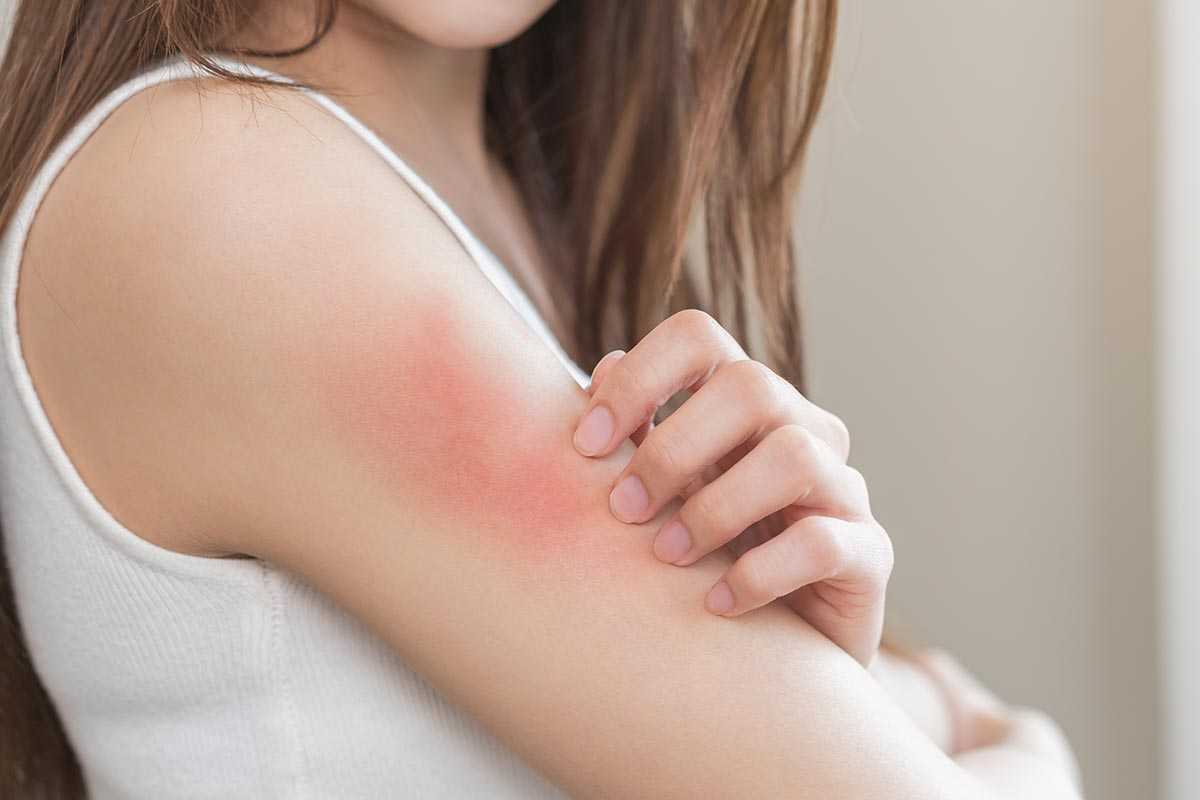
allergic reaction around eyesReaction to Steroid Injection: 9 Common EffectsThe skin around our eyes is very delicate. The eyelids are less than 1 millimeter thick. This makes them very sensitive to irritation and allergic reactions allergic reaction around eyes.
When you see itching, redness, and swelling, it might be an allergic rash. At Liv Hospital, our dermatology team knows how upsetting periorbital rashes can be. They are dedicated to giving you the best care possible.
It’s important to know what causes and how to treat allergic rashes around the eyes. We stress the need for proper care for this sensitive area.
Key Takeaways
- Allergic rashes around the eyes are a common condition.
- The skin around the eyes is highly delicate and vulnerable.
- Understanding the causes is key for effective treatment.
- Liv Hospital offers high-quality, patient-centered care for periorbital rashes.
- Prompt attention is necessary to alleviate discomfort.
Understanding Allergic Rashes Around the Eyes
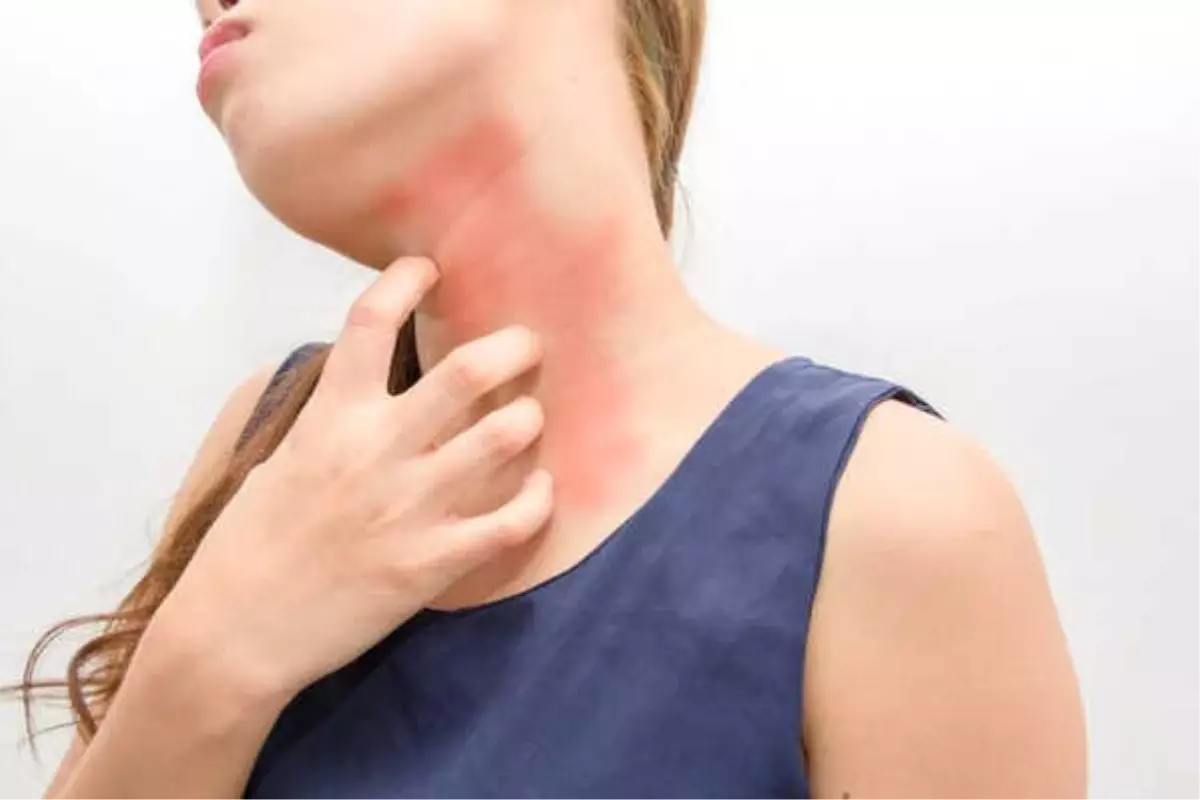
Allergic rashes around the eyes are a big concern. Knowing the symptoms and causes is key to treating them. The skin around the eyes is very delicate, making rashes here even more distressing.
Common Symptoms and Appearance
Allergic rashes around the eyes show up with symptoms like redness, scaling, and swelling. These rashes look like inflamed patches or bumps on the skin.
|
Symptom |
Description |
|---|---|
|
Redness |
The skin becomes inflamed and red due to increased blood flow. |
|
Scaling |
The outer layer of the skin may flake off, leading to a scaly appearance. |
|
Swelling |
The area may become swollen due to fluid accumulation. |
The Vulnerability of Eyelid Skin
The skin around our eyes, like the eyelids, is very thin and fragile. This makes it more prone to irritation and allergic reactions. The thin skin can easily get damaged, leading to increased sensitivity and rashes.
It’s important to understand how vulnerable eyelid skin is. We need to be gentle when caring for this area to avoid more irritation.
Common Causes of Allergic Reaction Around Eyes
It’s important to know what causes allergic reactions around the eyes. This knowledge helps in treating and preventing these reactions. Many things can trigger these reactions, which we will look into closely.
Contact Allergens
Contact allergens are substances that touch the skin around the eyes and cause an allergic reaction. Some common ones include:
- Cosmetics and makeup products
- Shellac used in nail polish
- Certain materials in eyeglasses or contact lenses
These allergens can lead to mild redness or severe swelling. It’s key to find and avoid the specific allergen causing the reaction.
Environmental Triggers
Environmental triggers are allergens found in the air or environment. They can cause allergic reactions around the eyes. Some common ones are:
- Pollen from trees, grasses, and weeds
- Pet dander
- Dust mites
- Mold spores
These triggers can lead to seasonal or year-round allergic reactions. Reducing exposure to these allergens can help lessen reactions.
Skincare Ingredients to Avoid
Some skincare ingredients can cause allergic reactions around the eyes. Common offenders include:
- Fragrances
- Preservatives like parabens
- Certain dyes and pigments
When picking skincare for the eye area, choose hypoallergenic and fragrance-free options. This helps avoid allergic reactions.
By knowing and avoiding these common causes, people can lower their risk of allergic reactions. This helps keep the skin around their eyes healthier and more comfortable.
Types of Allergic Rashes That Affect the Eye Area
It’s important to know about the different allergic rashes that can hit the eye area. The skin around our eyes is very sensitive. It can easily react to many allergens.
There are a few main types of allergic rashes that can show up around the eyes. These include allergic contact dermatitis, irritant contact dermatitis, and atopic dermatitis. Each one has its own signs and causes.
Allergic contact dermatitis happens when the skin meets an allergen. This can cause redness, itching, and swelling. Common culprits are metals, fragrances, and preservatives in makeup and skincare.
Irritant contact dermatitis is caused by harsh chemicals or detergents. It doesn’t involve an immune response. Symptoms can be mild or severe, from redness to burns.
Atopic dermatitis, or eczema, is a long-term condition. It makes the skin dry and itchy. It can cause redness and swelling around the eyes. It often goes hand in hand with asthma and hay fever.
Knowing the exact type of rash is key to finding the right treatment. We’ll look at treatment options next.
Specific Rash Locations and Their Treatment
Knowing where an allergic rash is around the eyes is key to treating it well. The skin around the eyes is very delicate. So, the treatment depends a lot on where the rash is.
Rash at the Outer Corner of Eye
A rash at the outer corner of the eye is tricky because it’s sensitive and gets hit by the environment. Staying away from more irritation is the first step. Use soft, scent-free cleansers and moisturizers. A cool compress can also help with swelling and pain.
Rash Under the Eye
Rashes under the eye can come from many things, like allergies to makeup or skincare. Finding and avoiding the cause is the first thing to do. Hydrocortisone cream or antihistamine ointments can help. But, make sure they’re safe for the skin under your eyes.
Rash on Upper and Lower Eyelids
Rashes on the eyelids can be upsetting because they’re visible and sensitive. For these rashes, gentle cleaning and topical treatments like corticosteroid creams or antihistamines are needed. Try not to rub or touch the rash to avoid making it worse.
For all these spots, keeping the area clean and away from things that might cause an allergic reaction is important. Watch how the rash reacts to treatment and change your plan if needed to manage it well.
Immediate Relief for Eye Rash and Swelling
Quick relief from eye rash and swelling is key, as it affects the sensitive skin around your eyes. The actions you take first can greatly affect how severe the reaction is and how you feel.
Cool Compress Application Techniques
Applying a cool compress is a simple yet effective way to ease eye rash and swelling. Soak a clean cloth in cold water, wring it out, and place it on the affected area for a few minutes. Do this several times a day as needed.
Benefits of Cool Compresses:
- Reduces swelling and inflammation
- Eases itching and irritation
- Provides immediate relief
Removing Contact Lenses and Eye Makeup
If you’re wearing contact lenses or eye makeup and have an allergic reaction, remove them right away. Contact lenses can trap allergens against your eye, making the reaction worse. Some eye makeup ingredients can also irritate your eyes.
Steps to Remove Contact Lenses and Eye Makeup:
- Wash your hands thoroughly before touching your eyes.
- Gently remove contact lenses according to the manufacturer’s instructions.
- Use a gentle eye makeup remover to dissolve and remove makeup without rubbing.
Avoiding Further Irritation
To help your skin around your eyes heal, avoid rubbing your eyes and using harsh skincare products. Also, stay away from known allergens or irritants.
|
Action |
Benefit |
|---|---|
|
Avoid rubbing eyes |
Prevents further irritation and possible infection |
|
Use gentle skincare products |
Reduces risk of allergic reactions |
|
Identify and avoid allergens |
Minimizes the chance of an allergic reaction occurring |
By following these steps, you can manage the symptoms of an allergic rash around your eyes. This will help reduce the discomfort it causes.
Over-the-Counter Treatments for Eye Rashes
There are many over-the-counter (OTC) treatments for eye rashes. These are easy to find and can help with symptoms.
Appropriate Antihistamines
Antihistamines are a common choice for treating eye rashes. They block histamine, a chemical that causes allergic reactions. It’s important to pick the right antihistamine for you.
Table: Comparison of Common OTC Antihistamines
|
Antihistamine |
Active Ingredient |
Side Effects |
|---|---|---|
|
Benadryl |
Diphenhydramine |
Drowsiness, dry mouth |
|
Zyrtec |
Cetirizine |
Drowsiness, fatigue |
|
Allegra |
Fexofenadine |
Headache, nausea |
Safe Use of Hydrocortisone Creams
Hydrocortisone creams can treat skin rashes, including eye rashes. But, use them carefully. Always follow the instructions and talk to a doctor before using them near your eyes.
Moisturizers and Barrier Creams
Moisturizers and barrier creams can soothe and protect the skin around your eyes. They can lessen irritation and stop more allergic reactions. Choose products that are fragrance-free and hypoallergenic.
Knowing about OTC treatments can help you manage eye rashes. Always talk to a healthcare professional for advice tailored to you.
Prescription Treatments for Severe Cases
Severe allergic reactions around the eyes often need more than over-the-counter treatments. Prescription medications are needed for stubborn or severe cases. Healthcare providers use these to help symptoms and find the cause.
Topical Corticosteroids for Eye Area
Topical corticosteroids are a common treatment for severe allergic rashes around the eyes. They reduce inflammation and help with itching and redness. But, they can cause side effects like skin thinning and increased eye pressure. So, a healthcare professional must watch their use closely.
Examples of topical corticosteroids include:
- Fluocinolone acetonide
- Hydrocortisone butyrate
- Triamcinolone acetonide
Immunomodulators and Their Benefits
Immunomodulators are another type of prescription medication for severe allergic rashes. They change how the immune system reacts, reducing inflammation and symptoms. They are good for those who don’t do well with corticosteroids or can’t use them.
|
Immunomodulator |
Use in Allergic Rashes |
Potential Side Effects |
|---|---|---|
|
Pimecrolimus |
Topical treatment for moderate to severe atopic dermatitis |
Burning sensation, skin irritation |
|
Tacrolimus |
Topical treatment for atopic dermatitis |
Itching, redness, flu-like symptoms |
Oral Medications for Systemic Reactions
For systemic or severe allergic reactions, oral medications are used. These include antihistamines, corticosteroids, and immunosuppressants. Oral antihistamines help with itching and swelling. Oral corticosteroids are strong anti-inflammatory agents. Immunosuppressants are for the most severe cases, due to their side effects.
Key Considerations:
- Using oral medications should always be under a healthcare provider’s guidance.
- It’s important to watch for side effects, even with long-term use.
- Teaching patients about proper use and interactions with other drugs is key.
Treating Allergic Eye Rashes in Children
Allergic eye rashes in kids can be really tough to deal with. Their skin is extra sensitive, and their immune systems are growing. This makes them more likely to have allergic reactions.
Pediatric Considerations
When treating allergic eye rashes in kids, age and skin sensitivity matter a lot. Gentle, fragrance-free products are best to avoid more irritation. We also need to be careful with the kind and amount of medicine used.
- Use mild, child-friendly cleansers.
- Avoid harsh chemicals and dyes.
- Opt for hypoallergenic skincare products.
Preventing Touching and Rubbing
Kids often touch or rub their eyes out of curiosity or discomfort. This can make the rash worse. To stop this:
- Keep the child’s nails short to minimize damage.
- Distract the child with toys or activities.
- Use a cold compress to reduce itching and swelling.
When to Seek Medical Attention
It’s important to watch the child’s condition closely. If you see any of these symptoms, get medical help:
- Increased redness or swelling.
- Pus or discharge from the eyes.
- Fever or general malaise.
- No improvement with treatment.
If the rash is severe or with other worrying symptoms, see a pediatrician or allergist for advice.
Prevention Strategies for Recurring Eye Rashes
To stop eye rashes from coming back, you need to tackle it from all sides. This means finding out what causes them, using safe products, and sticking to a skincare plan. By doing these things, you can cut down on allergic reactions around your eyes a lot.
Identifying and Avoiding Triggers
Finding out what makes eye rashes happen is the first step. Things like skincare ingredients, makeup, and even pollen can be culprits. Writing down when rashes happen can help figure out what’s causing them. Then, it’s key to steer clear of these things.
If you think certain products are the problem, try switching to ones that are gentle. Wearing sunglasses can also protect your eyes from things in the air.
Hypoallergenic Product Selection
Picking the right products is super important to avoid allergic reactions. Hypoallergenic products are made to be safe for sensitive skin, which is great for the area around your eyes. Look for products that say they are hypoallergenic or have been tested by doctors.
Choosing products without things like fragrances, dyes, and preservatives is smart. Always check the labels and do some research on the company to make sure it’s safe for your skin.
Proper Eye Area Skincare Routine
Having a gentle skincare routine is key to avoiding eye rashes. This means washing your face carefully, staying away from harsh products, and moisturizing right. Using a soft, non-clogging cleanser for the eye area can prevent irritation.
Moisturizing with a safe moisturizer helps keep your skin healthy and less likely to react. Also, make sure to remove makeup gently to avoid irritation.
Conclusion
Treating allergic rash around eyes needs a full plan. This includes knowing the causes, using the right treatments, and taking steps to prevent it. By finding out what triggers it and staying away from it, people can cut down on allergic rashes a lot.
If you have a rash under your eyes or allergic rash around them, cool compresses can help. You can also try over-the-counter antihistamines or hydrocortisone creams. For worse cases, doctors might prescribe stronger treatments like topical corticosteroids or immunomodulators.
Preventing allergic rashes is very important. Using hypoallergenic products and keeping your eye area skincare routine right can help a lot. We suggest readers stay alert to their surroundings and avoid allergens to manage their condition better.
By sticking to these tips and getting medical help when needed, people can handle allergic rashes around their eyes well. This way, they can also lower the chance of getting them again in the future.
FAQ
What are the common causes of allergic rashes around the eyes?
Allergic rashes around the eyes can be caused by many things. Makeup, skincare products, pollen, dust, and certain materials in eyewear or contact lenses are common culprits.
How do I identify the symptoms of an allergic rash around my eyes?
Look out for redness, itching, swelling, and blistering around your eyes. The skin here is thin and sensitive, making it more likely to react.
What are the different types of allergic rashes that can affect the eye area?
There are several types of allergic rashes that can affect the eye area. These include contact dermatitis, atopic dermatitis, and allergic eczema. Each has its own characteristics and triggers.
How should I treat a rash at the outer corner of my eye?
Treatment for a rash at the outer corner of the eye depends on the cause. You might need to apply a cool compress, use antihistamines or hydrocortisone creams, and avoid further irritation.
What immediate steps can I take to relieve eye rash and swelling?
To ease eye rash and swelling, apply a cool compress. Remove any contact lenses or eye makeup. Also, avoid rubbing or touching the affected area.
What over-the-counter treatments are available for eye rashes?
Over-the-counter treatments include antihistamines for allergic reactions. Hydrocortisone creams help with inflammation. Moisturizers soothe and protect the skin.
When are prescription treatments necessary for eye rashes?
Prescription treatments are needed for severe or persistent eye rashes. These may include topical corticosteroids, immunomodulators, and oral medications.
How do I treat allergic eye rashes in children?
Treating allergic eye rashes in children requires gentle care. Use mild products and avoid rubbing and touching. Know when to seek medical attention.
What preventive measures can I take to avoid recurring eye rashes?
To prevent recurring eye rashes, identify and avoid triggers. Choose hypoallergenic products. Establish a gentle skincare routine for the eye area.
Can allergic rashes around the eyes be a sign of a more serious condition?
Yes, allergic rashes around the eyes can be a sign of a more serious condition. If you have severe symptoms, such as intense itching, swelling, or difficulty seeing, seek medical attention.
How can I manage itchy rashes under my eyes?
To manage itchy rashes under the eyes, apply cool compresses. Use antihistamines or hydrocortisone creams. Keep the area moisturized to reduce itching and irritation.
Are there specific skincare routines that can help prevent allergic rashes around the eyes?
Yes, using gentle, hypoallergenic products and maintaining a consistent skincare routine can help prevent allergic rashes around the eyes.
References
National Health Service (NHS). Treating Allergic Rash Around Eyes: A Guide. Retrieved from https://www.nhs.uk/conditions/allergic-contact-dermatitis/