Knowing when allergic reactions happen is key to keeping you healthy. These reactions can start right away or take hours to show up. It’s important to understand this timing. An allergic reaction can be fast. Learn the quick signs of mild reactions and how to treat hives and itching at home safely.
At Liv Hospital, we use our medical knowledge and advanced tests to figure out when your allergic response will happen. We make a plan just for you. Our goal is to give you the best care and support.
Key Takeaways
- Allergic reactions can occur within minutes to hours after exposure.
- The timing and severity of reactions depend on the type and severity of exposure.
- Recognizing early warning signs is essential for effective management.
- Delayed symptoms can be just as severe as immediate reactions.
- Understanding your allergic response timing is critical for your health.
Understanding Allergic Reactions and Their Mechanisms

When the body meets an allergen, it starts a chain of events. This can cause an allergic reaction. The immune system sees a harmless substance as a danger and fights it.
What Happens in Your Body During an Allergic Reaction
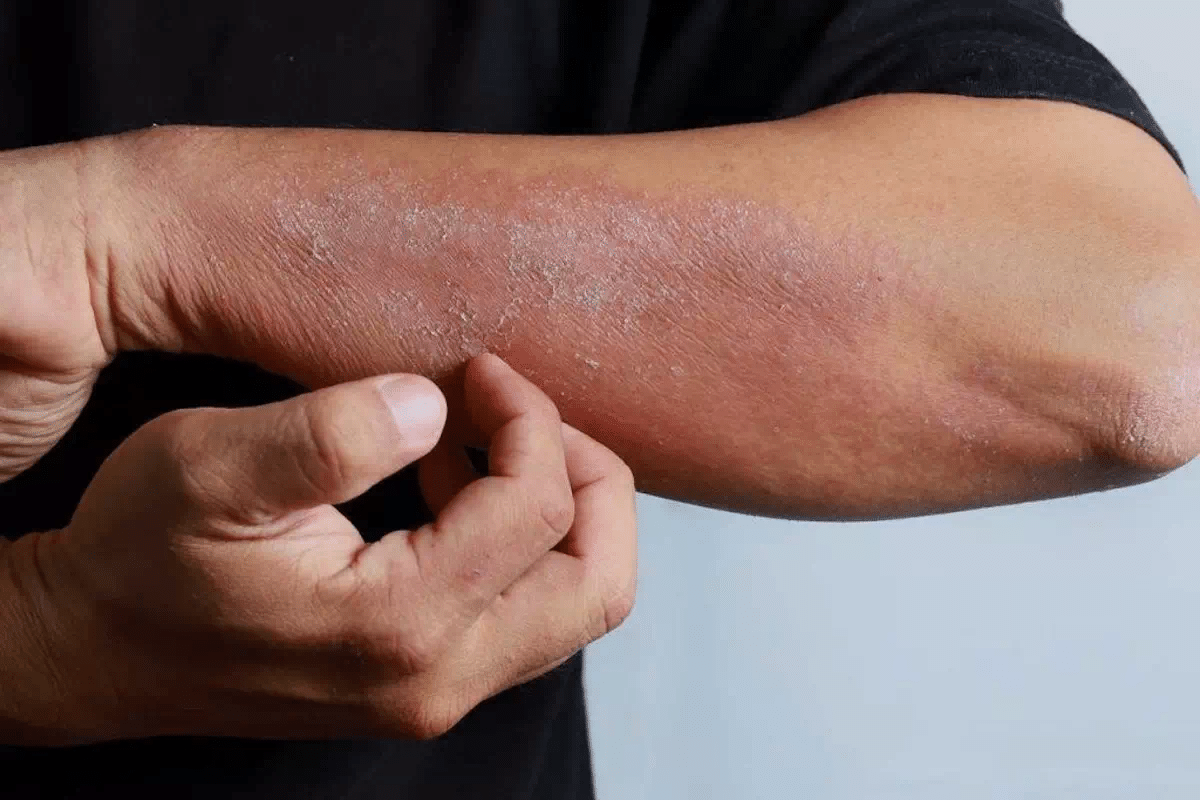
During an allergic reaction, the immune system sends out chemicals like histamine. These chemicals make blood vessels wider. This leads to symptoms like hives, itching, swelling, and redness.
These chemicals can affect different parts of the body. This includes the skin, respiratory tract, gastrointestinal tract, and cardiovascular system. The reaction’s severity can range from mild to very serious.
The Role of the Immune System
The immune system is key in allergic reactions. When an allergen enters the body, immune cells like T-cells and B-cells recognize it. This leads to the production of IgE antibodies.
When the body meets the same allergen again, IgE antibodies cause histamine to be released. This leads to the symptoms of an allergic reaction.
Common Allergens and Their Characteristics
Common allergens include pollen, dust mites, mold, pet dander, certain foods, and insect stings. Each has its own traits that affect how and when a reaction happens.
|
Allergen |
Common Symptoms |
Timing of Reaction |
|---|---|---|
|
Pollen |
Sneezing, runny nose, itchy eyes |
Immediate to delayed |
|
Food (e.g., peanuts, shellfish) |
Hives, swelling, abdominal cramps |
Minutes to hours |
|
Insect Stings |
Localized swelling, redness, pain |
Immediate |
Knowing about these allergens and their traits is key to diagnosing and managing allergies.
Timeframes of Allergic Reactions: An Overview

Knowing when allergic reactions happen is key to better care. These reactions can pop up at any time and vary a lot.
Immediate vs. Delayed Responses
Allergic reactions fall into two groups: immediate and delayed. Immediate reactions show up in minutes to hours after exposure. Delayed reactions can take hours or even days to appear. It’s important to know this to treat allergies right.
Statistical Timing Patterns
About 70 percent of allergic reactions start within 20 minutes. And 90 percent happen within 40 minutes. These numbers show why quick medical help is vital for severe reactions.
Factors Influencing Reaction Timeframes
Many things can change how fast an allergic reaction happens. These include how sensitive someone is, how much allergen they’re exposed to, and their health before. Knowing these can help doctors give better care.
Understanding allergic reaction timeframes helps doctors give better care. It’s important to look at both immediate and delayed reactions. And to know what can affect how fast a reaction happens.
Immediate Allergic Reactions: Minutes to Hours
Allergic reactions that happen quickly are often the most severe and require immediate attention. When an individual comes into contact with a specific allergen, their immune system may react almost instantly. This can lead to a range of symptoms from mild to life-threatening.
IgE-Mediated Responses
Immediate allergic reactions are often triggered by IgE-mediated responses. When an allergen enters the body, it is recognized by the immune system. This recognition leads to the production of IgE antibodies.
These antibodies then bind to mast cells, triggering the release of histamine and other chemical mediators. This release leads to allergic symptoms.
IgE-mediated responses are responsible for many severe allergic reactions. This includes anaphylaxis, a potentially life-threatening condition that requires immediate medical intervention.
Typical Symptoms of Rapid-Onset Reactions
The symptoms of immediate allergic reactions can vary but often include:
- Hives and itching
- Swelling, particular of the face, lips, tongue, or throat
- Difficulty breathing
- Abdominal cramps
- Nausea or vomiting
- A sudden drop in blood pressure
These symptoms can occur within minutes of exposure to the allergen. They can escalate rapidly, leading to anaphylaxis if not treated promptly.
Emergency Response for Immediate Reactions
When an immediate allergic reaction occurs, it is critical to act quickly. The first step is to administer epinephrine using an EpiPen or similar device, if available. The individual should then be taken to the nearest emergency medical facility for further treatment.
Understanding the timing and symptoms of immediate allergic reactions is key for effective emergency response. The table below summarizes the key steps in responding to an immediate allergic reaction:
|
Step |
Action |
Timing |
|---|---|---|
|
1 |
Administer epinephrine (if available) |
Immediately |
|
2 |
Call emergency services |
Immediately |
|
3 |
Provide antihistamines (if prescribed) |
After epinephrine |
|
4 |
Seek medical attention |
As soon as possible |
By understanding the mechanisms and symptoms of immediate allergic reactions, we can better prepare for and respond to these potentially life-threatening events.
Delayed Allergic Reactions: Hours to Days
Delayed allergic reactions can happen hours or days after you’re exposed to something. They are hard to spot because they start slowly. It’s important to know what they look like and how to tell if you have one.
Non-IgE-Mediated Responses
Delayed allergic reactions are linked to non-IgE-mediated responses. These reactions work differently than quick allergic reactions. They can cause a variety of symptoms.
Key characteristics of non-IgE-mediated reactions include their delayed onset and diverse symptomatology, which can range from gastrointestinal issues to skin rashes.
Recognizing Slow-Developing Symptoms
Spotting the signs of delayed allergic reactions is key to getting the right treatment. Symptoms can creep up slowly. It’s important to watch for any changes after being exposed to something you might be allergic to.
Common symptoms include skin rashes, gastrointestinal disturbances, and respiratory issues. Knowing these symptoms can help you get help if you need it.
When to Seek Medical Attention
It’s important to know when to get medical help for delayed allergic reactions. If symptoms don’t go away, get worse, or if you have signs of anaphylaxis, get help right away.
Warning signs that mean you need help fast include trouble breathing, a fast heartbeat, and a drop in blood pressure. Knowing these signs can save your life.
How Different Exposure Routes Affect Allergic Reaction Timing
It’s key to know how different ways of exposure to allergens affect reactions. The way we come into contact with an allergen can change how fast and how severe a reaction is. Each route of exposure has its own timeline for allergic reactions.
Ingested Allergens (Foods, Medications)
When we eat or take medications, reactions can take longer to start. Symptoms may appear in minutes to hours. For example, eating something you’re allergic to can cause hives, itching, and swelling in 30 minutes to 2 hours.
Contact Allergens (Skin Exposure)
When allergens touch our skin, reactions can be quick or slow. Allergic contact dermatitis might show up in 48 to 72 hours. But, irritant contact dermatitis can happen in just minutes to hours.
Inhaled Allergens (Airborne)
Airborne allergens like pollen and pet dander can quickly cause breathing problems. Symptoms like sneezing, a runny nose, and itchy eyes can start in minutes after exposure.
Injected Allergens (Insect Stings, Medications)
Injected allergens, like from insect stings or some medications, can cause very fast and serious reactions. Anaphylaxis, a dangerous condition, can happen in minutes. For instance, an insect sting allergy can lead to anaphylaxis in 15 to 30 minutes.
Knowing the different ways we can be exposed to allergens and their timelines helps us treat reactions better. This knowledge is vital for creating good treatment plans and teaching patients about reacting to allergens.
Biphasic Allergic Reactions: The Second Wave
Biphasic reactions are when symptoms come back after they seemed to go away. This can happen even after the first allergic reaction has passed. It’s a serious part of how our bodies react to allergens.
Causes of Returning Symptoms
The exact reason for biphasic reactions isn’t known. But it’s thought to be because the allergen stays in the body. This can trigger a second wave of symptoms.
Timeframe for Secondary Reactions
These reactions can happen between 8 to 72 hours after the first one. This means patients need to be watched closely.
|
Timeframe |
Percentage of Biphasic Reactions |
|---|---|
|
8-24 hours |
40% |
|
24-48 hours |
30% |
|
48-72 hours |
30% |
Importance of Extended Monitoring
Keeping an eye on patients who’ve had an allergic reaction is key. It helps catch biphasic reactions early. Doctors should teach patients what to look out for after the first reaction.
Risk Factors for Biphasic Reactions
Some things can make biphasic reactions more likely. These include how bad the first reaction was, the type of allergen, and any health problems. Knowing these can help doctors take better care of their patients.
- Severity of Initial Reaction: More severe first reactions raise the risk of biphasic reactions.
- Type of Allergen: Some allergens, like food or insect sting allergies, are more likely to cause biphasic reactions.
- Underlying Health Conditions: People with health issues may face a higher risk of biphasic reactions.
Factors That Can Speed Up or Delay an Allergic Reaction
Many things can change how fast an allergic reaction happens. Each person’s experience is different. We’ll look at these factors to understand their impact on allergic reactions.
Individual Sensitivity Levels
How sensitive someone is to allergens can vary a lot. Some react to tiny amounts, while others need more. This difference in sensitivity can affect how fast a reaction happens.
For example, someone very sensitive to peanuts might react right away. But someone less sensitive might not react as quickly or as badly. Knowing how sensitive someone is helps predict and manage reactions.
Allergen Concentration and Exposure Amount
The amount of allergen and how much exposure someone has can also change reaction timing and severity. More allergen or more exposure can mean quicker and worse reactions.
Inhaling a lot of pollen can cause an immediate reaction in some. But smaller amounts might cause a slower or milder reaction. The amount of food allergen eaten can also affect how fast and how bad the reaction is.
Pre-existing Medical Conditions
Having other health conditions can also change how allergic reactions happen. Conditions like asthma or heart disease can make reactions worse or change when they happen.
For example, people with asthma might have worse breathing problems during an allergic reaction. This can happen faster because their breathing is already not great. Knowing about these conditions is key to managing allergic reactions well.
Medications and Their Effects on Timing
Some medicines can also change when allergic reactions happen. Certain medicines, like beta-blockers, can make reactions worse or change when they start. It’s important to think about the medicines someone is taking when looking at their risk for allergic reactions.
Antihistamines can make reactions start later or be less severe. But other medicines might do the opposite. Knowing how different medicines work with allergic reactions is important for good management.
Recognizing When an Allergic Reaction Is Becoming Dangerous
Knowing the signs of a dangerous allergic reaction can save lives. An allergic reaction turns dangerous when it becomes anaphylaxis. This is a life-threatening condition that needs immediate medical help.
Warning Signs of Anaphylaxis
Anaphylaxis shows several critical symptoms. These include trouble breathing, a fast heartbeat, low blood pressure, and sometimes losing consciousness. It’s key to spot these signs early for quick action.
Common symptoms of anaphylaxis:
- Difficulty breathing or swallowing
- Rapid heartbeat or palpitations
- A drop in blood pressure
- Confusion or loss of consciousness
- Abdominal cramps
- Nausea or vomiting
The Critical Time Window for Intervention
The time to treat anaphylaxis is very short. Giving epinephrine quickly is vital. Waiting too long can lead to serious problems, even death.
“The sooner epinephrine is administered, the better the outcome for the patient. Delaying treatment can result in more severe reactions and potentially fatal outcomes.”— American Academy of Allergy, Asthma, and Immunology
Risk Factors for Severe Reactions
Some people are more likely to have severe allergic reactions. This includes those with a history of allergies, past anaphylaxis, and asthma.
|
Risk Factor |
Description |
|---|---|
|
History of allergies |
Individuals with a previous history of allergic reactions are at higher risk. |
|
Asthma |
People with asthma are more likely to experience severe reactions. |
|
Previous anaphylaxis |
Those who have had anaphylaxis before are at increased risk of future episodes. |
How Quickly Epinephrine Should Be Administered
Give epinephrine as soon as anaphylaxis symptoms appear. Use an EpiPen or other auto-injector. Acting fast is key, as epinephrine’s effect fades over time.
Understanding allergic reactions and knowing when they’re dangerous is key to treatment. Being aware of warning signs and risk factors helps get medical help quickly. This can save lives.
Allergic Reactions in Special Populations
Allergic reactions can show up differently in children, the elderly, and pregnant women. It’s key to know these differences for good diagnosis and care.
Children and Infants: Different Presentation Patterns
Children and babies often have different signs of an allergic reaction than adults. They might act irritable, clingy, or upset without clear physical signs. Babies can also get skin issues like eczema or stomach problems like diarrhea or vomiting.
Parents and caregivers need to watch for any changes in behavior or health that could mean an allergic reaction. Quickly spotting and acting on these signs is vital for young children.
Elderly Patients: Altered Reaction Timelines
Older adults might react differently to allergens because their immune system is weaker. Their reactions could take longer to show up or be hidden by other health problems. This makes it harder to diagnose.
Also, older people often take many medicines, which can make allergic reactions worse or harder to treat. Doctors need to think about these things when treating allergic reactions in older adults.
Patients with Multiple Allergies
People with many allergies face a big challenge. Their bodies react to many allergens, leading to more serious reactions. Handling multiple allergies needs a detailed plan, including avoiding certain things and possibly using different treatments.
It’s very important for those with many allergies to work with their doctors to make a plan that fits them.
Pregnant Women and Allergic Response Timing
Pregnancy changes a woman’s body in ways that can affect her immune system. Allergic reactions during pregnancy need careful thought because they can affect both the mom and the baby.
Pregnant women with allergic reactions should see a doctor right away. Doctors have to find a way to treat the reaction without risking the pregnancy.
Knowing how allergic reactions appear in special groups helps us do better in diagnosing and treating them. It’s important to understand each group’s unique needs to give the best care.
Conclusion
Allergic reactions can happen quickly or take hours to show up. It’s important to know the signs and when to get help. This helps manage allergic reactions better.
We talked about how long allergic reactions take. We also looked at what affects their timing. Knowing this helps in treating allergic reactions effectively.
Being aware of allergic reactions can help prevent severe ones. If you think you’re having an allergic reaction, get medical help right away.
FAQ
What is an allergic reaction?
An allergic reaction happens when your body’s immune system reacts to something it sees as a threat. This something is called an allergen. Most people don’t have a problem with it, but for some, it can cause a big reaction.
How long does it take to have an allergic reaction?
It can take anywhere from a few minutes to a few hours to have an allergic reaction. Sometimes, it might even take a day or two to show up.
Are allergic reactions immediate?
Not always. Some people react right away when they’re exposed to something they’re allergic to. But others might not react until hours or even days later.
When do allergic reactions occur?
Allergic reactions can happen at any time after you’re exposed to something you’re allergic to. How long it takes depends on the type of allergen, how you’re exposed to it, and how sensitive you are.
How long does it take to get an allergic reaction?
The time it takes to get an allergic reaction can vary a lot. Some people react in just a few minutes, while others might take hours or even days.
Can allergic reactions get worse?
Yes, if not treated right away, allergic reactions can get worse. In serious cases, they can even lead to anaphylaxis. This is a very dangerous condition that needs immediate medical help.
How long before an allergic reaction?
The time before an allergic reaction can vary a lot. Some people react right away, while others might take hours or even days.
What are the warning signs of anaphylaxis?
Signs of anaphylaxis include trouble breathing, a fast heartbeat, feeling dizzy, confused, or a drop in blood pressure. If you see these signs, you need to get medical help right away.
How quickly should epinephrine be administered during anaphylaxis?
You should give epinephrine as soon as you see symptoms of anaphylaxis. Waiting too long can be very dangerous and even life-threatening.
How do different exposure routes affect allergic reaction timing?
The way you’re exposed to an allergen can change how long it takes to react. Knowing this can help you predict and manage allergic reactions better.
What are biphasic allergic reactions?
Biphasic allergic reactions have a second wave of symptoms. This can happen 8-72 hours after the first reaction. It’s important to keep an eye on these reactions for a long time.
How do individual sensitivity levels affect allergic reaction timing?
How sensitive you are can really affect how fast and how bad an allergic reaction is. People who are more sensitive might react faster and more severely.
Can pre-existing medical conditions affect allergic reaction timing?
Yes, having other health conditions can change how and when you react to an allergen. Some conditions might make reactions worse or change how long they last.
How do allergic reactions present in special populations?
Allergic reactions can show up differently in certain groups, like kids, older adults, people with many allergies, and pregnant women. It’s important to understand these differences to diagnose and treat them properly.
References
National Center for Biotechnology Information. Evidence-Based Medical Guidance. Retrieved from https://pubmed.ncbi.nlm.nih.gov/25680923/