
It’s important to know about allergic reactions to medication to keep patients safe. These reactions happen when the body thinks a medicine is bad and fights it allergic reaction medication.
We’ll look at the signs, symptoms, and when these reactions happen. This helps both patients and doctors deal with them better. At Liv Hospital, we use top medical skills and proven methods to help manage medication allergies.
Key Takeaways
- Allergic reactions to drugs are a big health issue.
- Only 5 to 10 percent of bad drug reactions are true allergies.
- Knowing the signs and symptoms of medication allergies is key for safety.
- Liv Hospital offers full support for international patients.
- Understanding medication allergies is vital for good medical care.
What Happens During an Allergic Reaction to Medication

An allergic reaction to medication happens when the body sees a drug as harmful. This can start with the first use or after many times. Knowing how these reactions work is key to preventing and treating them.
The Immune System’s Response
The immune system overreacts to a drug it sees as a threat. It releases chemicals like histamine. This can cause symptoms from mild to very serious. The reaction’s severity depends on how sensitive the person is and the drug involved.
True Allergies vs. Adverse Drug Reactions
It’s important to tell true allergic reactions from other drug side effects. Not every bad reaction is an allergy. True allergies involve the immune system’s active response, whereas other adverse reactions may not.
For example, a bad reaction could be from the drug’s effect, too much of it, or mixing with other drugs. Knowing the difference helps in treating it right.
Prevalence of Medication Allergies
Medication allergies are quite common, affecting many people. Research shows up to 10% of people might have drug allergies. But, the real number could be higher because not all cases are reported.
|
Population Group |
Prevalence of Medication Allergies |
|---|---|
|
General Population |
Up to 10% |
|
Hospitalized Patients |
Higher than 10% |
|
Patients with Chronic Illness |
Variable, often higher |
Knowing the signs and how medication allergies work is key to managing them. By telling true allergies from other bad reactions, doctors can give better care.
Timing Matters: When Allergic Reactions Occur
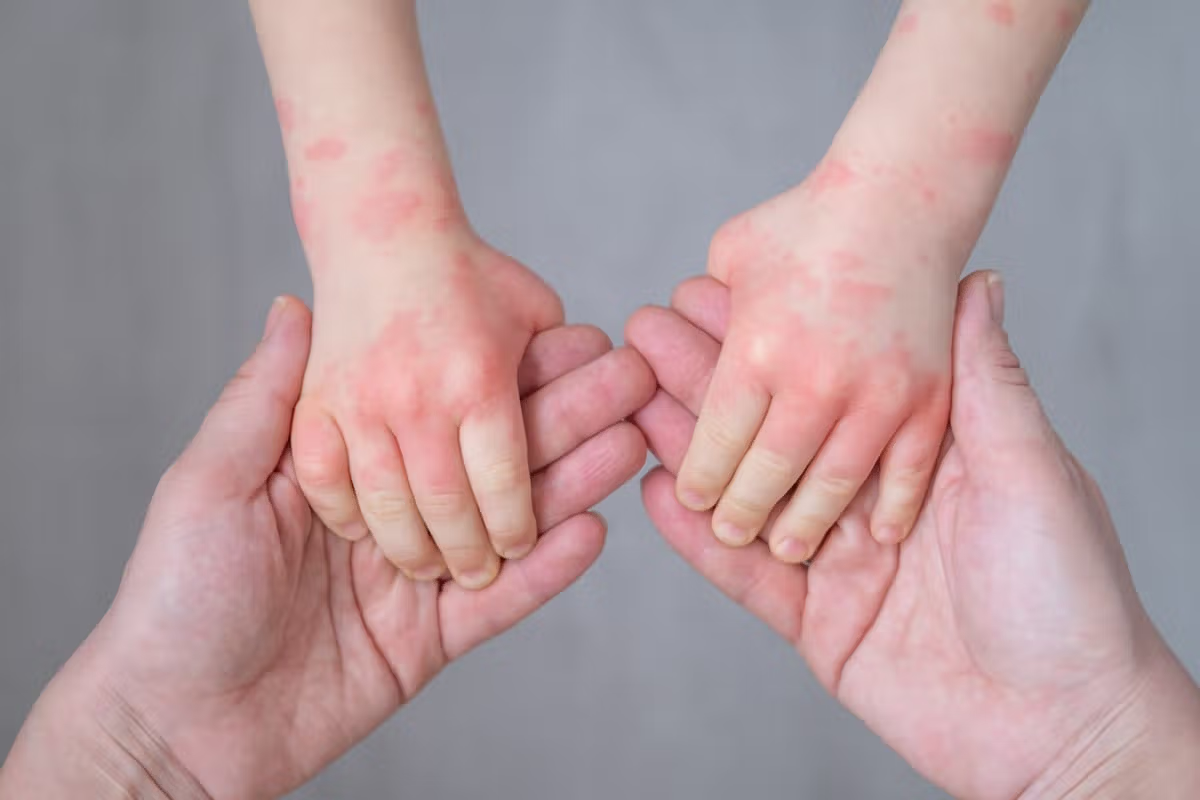
Knowing when allergic reactions to medication happen is key for safety. These reactions can start at different times. It’s important for both patients and doctors to know when they might happen.
Allergic reactions to medication don’t always follow a set timeline. Some start right after taking the drug, while others may wait days or weeks.
Immediate Reactions (Within Minutes to Hours)
Immediate allergic reactions to medication happen minutes to hours after taking it. These reactions are often caused by IgE antibodies and can be severe. Symptoms include hives, itching, swelling, and in severe cases, anaphylaxis.
People who have immediate reactions usually know they’re allergic. This is because the symptoms show up so quickly after they take the drug.
Delayed Allergic Reaction to Medication (Days to Weeks)
Delayed allergic reactions can take days to weeks to show up. These reactions are not always caused by IgE antibodies. A common sign is a drug rash, caused by the body’s immune response to the medication.
Examples of delayed reactions include drug rash with eosinophilia and systemic symptoms (DRESS) syndrome and Stevens-Johnson syndrome (SJS). Both can be serious and need medical help.
Factors Affecting Reaction Timing
Several things can change when allergic reactions to medication happen. These include:
- The type of medication involved
- The route of administration (oral, intravenous, topical)
- The patient’s overall health and immune status
- Previous exposure to the medication or similar drugs
|
Factor |
Influence on Reaction Timing |
|---|---|
|
Type of Medication |
Some medications are more likely to cause immediate reactions (e.g., penicillin), while others may cause delayed reactions. |
|
Route of Administration |
Intravenous administration can lead to faster reactions compared to oral administration. |
|
Patient’s Health and Immune Status |
Patients with compromised immune systems may react differently to medications. |
|
Previous Exposure |
Patients previously exposed to a medication or similar drugs may have a faster reaction upon subsequent exposures. |
Understanding these factors and knowing about both immediate and delayed reactions helps in managing and treating allergic reactions to medication effectively.
Identifying Mild Allergic Reactions
Knowing about mild allergic reactions to medication is key. It helps us tell the difference between minor issues and serious ones. These reactions might not be deadly, but they can be uncomfortable. Sometimes, they can even get worse.
Skin Symptoms: Rashes, Itching, and Hives
Mild allergic reactions often show up on the skin. You might see:
- Rashes: Skin rashes that look blotchy and can appear anywhere.
- Itching: Skin or eye itching that can be mild or severe.
- Hives: Itchy skin welts called hives that come in different sizes.
Localized Swelling
Another sign of mild allergic reactions is swelling in one area. This swelling usually happens around the face, lips, or eyes. It’s the body’s way of reacting to the medicine.
When to Monitor vs. When to Seek Help
Even though mild allergic reactions are not usually serious, it’s important to watch them. If you see any of these signs, get medical help:
- The symptoms get worse over time.
- The reaction spreads to other parts of the body.
- You have trouble breathing or swallowing.
- There’s a big jump in heart rate or a drop in blood pressure.
To know when to watch and when to get help, look at this table:
|
Symptoms |
Action |
|---|---|
|
Mild rash or itching |
Monitor closely; consult a doctor if symptoms worsen |
|
Localized swelling |
Monitor; seek help if swelling increases or spreads |
|
Difficulty breathing or swallowing |
Seek immediate medical help |
By knowing about mild allergic reactions to medication, we can handle them right. This helps avoid more serious problems.
Recognizing Moderate Allergic Reactions to Medication
It’s important to spot moderate allergic reactions to medication early. These reactions have more symptoms than mild ones and need quick medical help.
Widespread Skin Manifestations
One key sign of a moderate allergic reaction is widespread skin issues. These can include:
- Widespread rashes that cover larger areas of the body
- Itching and hives that can be severe and uncomfortable
Doctors say, “Seeing widespread skin symptoms means a bigger immune reaction to the drug.”
Respiratory Symptoms
Respiratory symptoms are also common in moderate allergic reactions. These symptoms may be:
- Wheezing or shortness of breath
- Coughing or a feeling of tightness in the chest
Gastrointestinal Disturbances
Gastrointestinal issues are another sign of moderate allergic reactions. Symptoms can include:
- Nausea and vomiting
- Diarrhea or abdominal cramps
These symptoms can cause dehydration and other problems if not treated quickly.
Fever and Malaise
Fever and malaise, or feeling generally unwell, can also happen with moderate allergic reactions. These signs show the body is fighting off something it sees as harmful.
“Fever and malaise are systemic responses that can signal a more serious allergic reaction, necessitating medical evaluation.”
Knowing and spotting these symptoms early can help manage the reaction well. It can also stop it from getting worse.
Severe Allergic Reactions: Warning Signs of Anaphylaxis
It’s important to know the signs of anaphylaxis to act fast. Anaphylaxis is a serious condition that can be life-threatening. It needs quick action to avoid serious problems.
Breathing Difficulties
Having trouble breathing is a big warning sign. You might wheeze, feel short of breath, or have a tight chest. “Anaphylaxis can cause the airways to constrict, leading to potentially fatal respiratory distress,” says why you need to get help right away.
Cardiovascular Symptoms
Heart problems are also a sign of anaphylaxis. Look out for a fast heartbeat, feeling dizzy, or a drop in blood pressure. These can lead to fainting or shock.
Rapid Progression of Symptoms
Anaphylaxis symptoms get worse fast. They can go from mild to severe in just a few minutes. This is why acting quickly is so important.
When to Call 911
Knowing when to call 911 is key. If you or someone else has trouble breathing, a fast heartbeat, or dizziness, call 911 right away.
“Anaphylaxis is a medical emergency that requires immediate treatment with epinephrine,”
Common Medications That Trigger Allergic Reactions
Knowing which medicines can cause allergic reactions is key to keeping patients safe. Some drugs are more likely to cause these reactions than others.
Antibiotics (Especially Penicillins)
Antibiotics, like those in the penicillin family, are common culprits. Penicillin allergy is a frequent drug allergy. Reactions can range from mild rashes to severe anaphylaxis.
About 10% of patients say they’re allergic to penicillin. But, the real number might be lower because some reactions are mislabeled. It’s important to get an accurate diagnosis through allergy testing.
NSAIDs and Aspirin
NSAIDs and aspirin are also common causes of allergic reactions. These can show up as skin issues, breathing problems, or stomach troubles.
If you’re allergic to NSAIDs or aspirin, be careful with similar drugs. They can cause cross-reactivity.
Chemotherapy Drugs
Chemotherapy agents used to fight cancer can also cause allergic reactions. The severity can vary, from mild symptoms to life-threatening anaphylaxis.
Doctors closely watch patients on chemotherapy because of the risk of severe reactions.
Contrast Dyes and Vaccines
Contrast dyes used in imaging studies can cause allergic reactions in some. Vaccines can also trigger allergic responses, though it’s rare.
The benefits of these tests and vaccines usually outweigh the risks. But, it’s vital for patients to tell their doctors about any allergies they have.
|
Medication Class |
Common Allergic Reactions |
Precautions |
|---|---|---|
|
Antibiotics (Penicillins) |
Rashes, hives, anaphylaxis |
Allergy testing for accurate diagnosis |
|
NSAIDs and Aspirin |
Skin symptoms, respiratory issues |
Avoid cross-reactive medications |
|
Chemotherapy Drugs |
Mild to severe reactions, anaphylaxis |
Close monitoring during treatment |
|
Contrast Dyes and Vaccines |
Allergic reactions, anaphylaxis |
Inform healthcare providers of allergy history |
Allergic Reaction to Narcotics: Special Considerations
It’s important for healthcare providers to know about allergic reactions to narcotics. These reactions can be hard to spot and handle. This is because they might look like side effects or be part of how the medication works.
True Narcotic Allergies vs. Side Effects
It’s key to tell apart true allergies from side effects in patients on narcotics. Allergies happen when the immune system reacts. Side effects, on the other hand, are usually caused by the dose and not by an immune response.
We need to look closely at patients’ symptoms. Common side effects of narcotics include nausea, constipation, and drowsiness. But allergic reactions might show up as hives, itching, or even more serious issues.
Specific Symptoms of Narcotic Allergies
Allergic reactions to narcotics can range from mild to severe. Common symptoms include skin manifestations such as hives and itching. In serious cases, these allergies can cause anaphylaxis, a life-threatening condition that needs quick medical help.
Cross-Reactivity Between Different Narcotics
It’s a big worry that different narcotics might cause the same allergic reaction. If someone is allergic to one narcotic, they might also react to others in the same group. Knowing how different narcotics are structured helps doctors manage patients with known allergies.
|
Narcotic Class |
Examples |
Cross-Reactivity Potentia |
|---|---|---|
|
Morphine Derivatives |
Morphine, Codeine |
High |
|
Synthetic Opioids |
Fentanyl, Methadone |
Moderate to Low |
|
Semi-Synthetic Opioids |
Hydrocodone, Oxycodone |
Moderate |
Knowing about cross-reactivity helps doctors choose safer options for patients with allergies.
Risk Factors for Developing Medication Allergies
Several factors can increase the chance of getting a medication allergy. These include genetics and past allergic reactions. Knowing these risks helps doctors spot who’s at higher risk and how to prevent it.
Genetic Predisposition: Are Drug Allergies Genetic?
Genetics can greatly influence the risk of medication allergies. If your family has allergies, you might be more likely to react to medication. Research points to specific genes that can make some people more allergic.
Some people’s genes make their immune system more likely to react to certain drugs. While we can’t change our genes, knowing this can help us stay safe.
Previous Allergic Reactions
Having had an allergic reaction before makes you more likely to have another one. Always tell your doctor about any past allergic reactions before starting new medication.
Some important things to remember:
- Document your reactions: Keep a record of any allergic reactions you’ve had, including the medication and symptoms.
- Inform your healthcare provider: Share your allergy history with your doctor to help them choose the right treatment for you.
- Be cautious with new medications: Be aware of the risk of allergic reactions with new drugs and tell your doctor right away if you have any.
Medical Conditions That Increase Risk
Some health conditions can make you more likely to have a medication allergy. For example, people with asthma or chronic conditions might be more at risk. Also, those with weakened immune systems, like those with HIV/AIDS or undergoing chemotherapy, face a higher risk.
Medication Administration Methods
How medication is given can also affect the risk of an allergic reaction. For instance, getting medication through an IV can be riskier than taking it by mouth. Knowing these risks helps doctors take the right precautions.
Some important things to consider:
- Monitoring after administration: People getting IV medications should be watched closely for signs of an allergic reaction.
- Dose adjustments: Changing the dose or how the medication is given might help lower the risk of an allergic reaction.
By understanding these risk factors, we can better identify who’s at higher risk and take steps to prevent medication allergies. If you’re worried about your risk or have had an allergic reaction before, talk to your doctor about safe medication use.
Diagnosing Allergic Reactions to Drugs
It’s very important to accurately diagnose drug allergies. This helps doctors take good care of their patients. To do this, doctors look at the patient’s medical history, do a physical exam, and sometimes do tests.
Medical History Assessment
First, doctors look at the patient’s medical history. They want to know if the patient has had any bad reactions to medicines before. They also ask about the drug, when the reaction happened, and what symptoms the patient had. A good history helps doctors tell if it’s a true allergy or not. They also ask about family allergies because some allergies run in families.
Physical Examination Findings
Then, doctors do a physical exam. They look for signs of an allergic reaction like rashes or swelling. They also check for other symptoms that might show an allergy.
Allergy Testing Options
Doctors might do tests to figure out if a drug allergy is present. Skin testing is used for some medicines, like penicillin. They put a small amount of the drug on the skin to see if there’s a reaction. Blood tests can also show if there are allergy antibodies. But, not all medicines can be tested this way.
- Skin testing for immediate hypersensitivity reactions
- Blood tests to measure specific IgE antibodies
- Patch testing for delayed hypersensitivity reactions
Challenge Tests and Their Risks
Challenge tests are when doctors give the suspected drug to the patient in a safe place to see if there’s a reaction. These tests can be very helpful but are risky. So, they’re only done when other tests don’t work or when finding a safe alternative is needed.
“The decision to perform a drug challenge should be made cautiously, weighing the possible benefits against the risks of a severe allergic reaction.”
In summary, finding out if someone has a drug allergy takes a careful and detailed approach. Doctors use medical history, physical exams, and sometimes tests to make an accurate diagnosis. This helps them create a good plan to manage the allergy.
Treatment Approaches for Medication Allergic Reactions
Medication allergic reactions need quick and right treatment to lessen symptoms and avoid serious issues. Good treatment can make symptoms better and stop severe reactions. This helps patients get better.
Immediate Interventions
When an allergic reaction happens, acting fast is key. For serious reactions like anaphylaxis, giving epinephrine is often the first action. “The use of epinephrine auto-injectors has changed how we treat anaphylaxis,” says doctors. It quickly and effectively reverses life-threatening symptoms.
It’s vital to have epinephrine auto-injectors ready, mainly for those who have had severe allergic reactions before.
Medications to Counteract Reactions
Many medicines can help with allergic reaction symptoms. Antihistamines are used for mild to moderate symptoms like itching, hives, and swelling. For more serious reactions, corticosteroids are given to lessen inflammation.
- Antihistamines: Good for mild to moderate reactions, easing symptoms like itching and hives.
- Corticosteroids: Used for more severe reactions to reduce swelling.
Hospital-Based Treatments
Severe allergic reactions often need hospital care. Patients may need to be watched closely, get intravenous fluids, and medicines through IV. In very serious cases, they might be in the ICU for constant care and support.
Desensitization Protocols
For those who need a medicine that causes an allergic reaction, desensitization can help. This method slowly increases the medicine dose to build up tolerance, under close doctor watch.
“Desensitization is a valuable strategy for patients who need to continue a medication that previously caused an allergic reaction, allowing them to safely receive necessary treatment.”
It’s key to have a doctor watch over desensitization to quickly handle any bad reactions.
Preventing Future Bad Reactions to Medication
Managing medication allergies starts with preventing future reactions. Taking proactive steps can greatly reduce the risk of bad reactions. This ensures safety during medical treatment.
Medical Alert Identification
Wearing medical alert identification is a key step. This can be a bracelet or necklace that shows your medication allergy. Medical alert identification alerts healthcare providers in emergencies.
Effective Communication with Healthcare Providers
Talking clearly with healthcare providers is essential. Always tell your doctors and pharmacists about your medication allergies. Clear communication prevents misunderstandings and ensures safe treatment.
“Accurate and timely communication about medication allergies is critical to preventing adverse reactions.” Medical Expert, Allergist
Understanding Medication Cross-Reactivity
Knowing about cross-reactivity between medications is important. Some medications share similar structures, raising cross-reactivity risks. Patients and healthcare providers must be aware of these risks to avoid future reactions.
|
Medication Class |
Cross-Reactivity Risk |
Precautions |
|---|---|---|
|
Penicillins |
High |
Avoid all penicillin derivatives |
|
NSAIDs |
Moderate |
Use alternative pain relief when possible |
|
Contrast Dyes |
Low to Moderate |
Use non-ionic contrast media for patients with history of allergy |
Alternative Medication Options
Looking for alternative medications is a proactive step. Healthcare providers can find safe alternatives that work without causing an allergic reaction. Patients should work closely with their healthcare team to find suitable alternatives.
By using these strategies, people with medication allergies can lower their risk of future allergic reactions. Preventing bad reactions to medication is a team effort between patients and healthcare providers. This ensures safe and effective treatment.
Conclusion
It’s very important to know and handle allergic reactions to medicine. This helps keep patients safe. By knowing the signs, symptoms, and how to treat them, both patients and doctors can prevent and manage these issues.
Managing medicine allergies well means being aware, preventing problems, and treating them quickly. Patients can help by knowing their allergies, talking to their doctors, and understanding the dangers of some medicines.
Doctors also have a big role in handling medicine allergies. They check who might be at risk, figure out if someone is allergic, and come up with the right treatment. Working together, patients and doctors can lower the risks of medicine allergies and make care safer and more effective.
Putting patient safety first and handling medicine allergies well can cut down on bad reactions and improve health. This teamwork lets patients take charge of their safety, making healthcare better and safer for everyone.
FAQ
What are the common signs of an allergic reaction to medication?
Signs include skin rashes, itching, and hives. You might also see swelling, breathing problems, stomach issues, and fever. In serious cases, anaphylaxis can happen, causing trouble breathing and heart problems.
How soon do allergic reactions to medication occur?
Reactions can start right away, within minutes to hours. Or they might take days to weeks to show up. It depends on the drug and how your body reacts.
Are drug allergies genetic?
Yes, your genes can play a part in drug allergies. If your family has allergies, you might be more likely to have a drug allergy too.
What are the risk factors for developing a medication allergy?
Risk factors include your genes, past allergies, certain health conditions, and how you take the drug. For example, intravenous drugs might be riskier than oral ones.
How are allergic reactions to narcotics diagnosed?
Doctors figure out if it’s an allergy or side effect by looking at symptoms. True allergies show as hives, itching, and serious reactions. Knowing how different narcotics might react is also key.
What is the treatment for severe allergic reactions to medication?
For severe reactions, like anaphylaxis, act fast. Give epinephrine and get medical help. They’ll use medicines to help with symptoms.
How can future allergic reactions to medication be prevented?
To prevent reactions, wear a medical alert tag and talk to your doctor about allergies. Know how different drugs might affect you. Look for safer alternatives.
What are some mild allergic reactions to medication?
Mild reactions might show as skin issues like rashes, itching, and hives. You might also see swelling. These are not usually dangerous but need watching.
Can you be allergic to narcotics?
Yes, it’s possible to be allergic to narcotics. True allergies can cause serious symptoms like hives and itching. These are different from common side effects.
How are medication allergies diagnosed?
Doctors use a detailed approach to diagnose allergies. They look at your medical history, do a physical exam, and might do tests. Challenge tests are also used but carry risks.
References
National Center for Biotechnology Information. Recognizing Allergic Reactions to Medication: Signs and Symptoms. Retrieved from https://www.ncbi.nlm.nih.gov/books/NBK599521/