Seeing a rash on your newborn’s skin can worry any parent. It’s key to know what an allergic reaction looks like to spot it early and treat it right. Spot an allergic reaction on newborn skin. Learn urgent signs like swelling or widespread rash that require immediate help.
At Liv Hospital, we know parents need reliable help to spot and handle infant allergic reactions. These reactions can happen from many things like irritants, food allergies, and things in the environment.
It’s important to know the signs of an allergic reaction rash. We offer caring, team-based healthcare. We focus on finding the right diagnosis and keeping your baby safe and comfortable.
Key Takeaways
- Allergic reactions on newborns can show up as specific skin rashes.
- Common causes include irritants, food allergies, and environmental factors.
- Spotting it early is key for the right care and management.
- Liv Hospital offers expert advice and caring support.
- Our team approach ensures accurate diagnosis and your baby’s comfort.
Understanding Allergic Reactions in Newborns
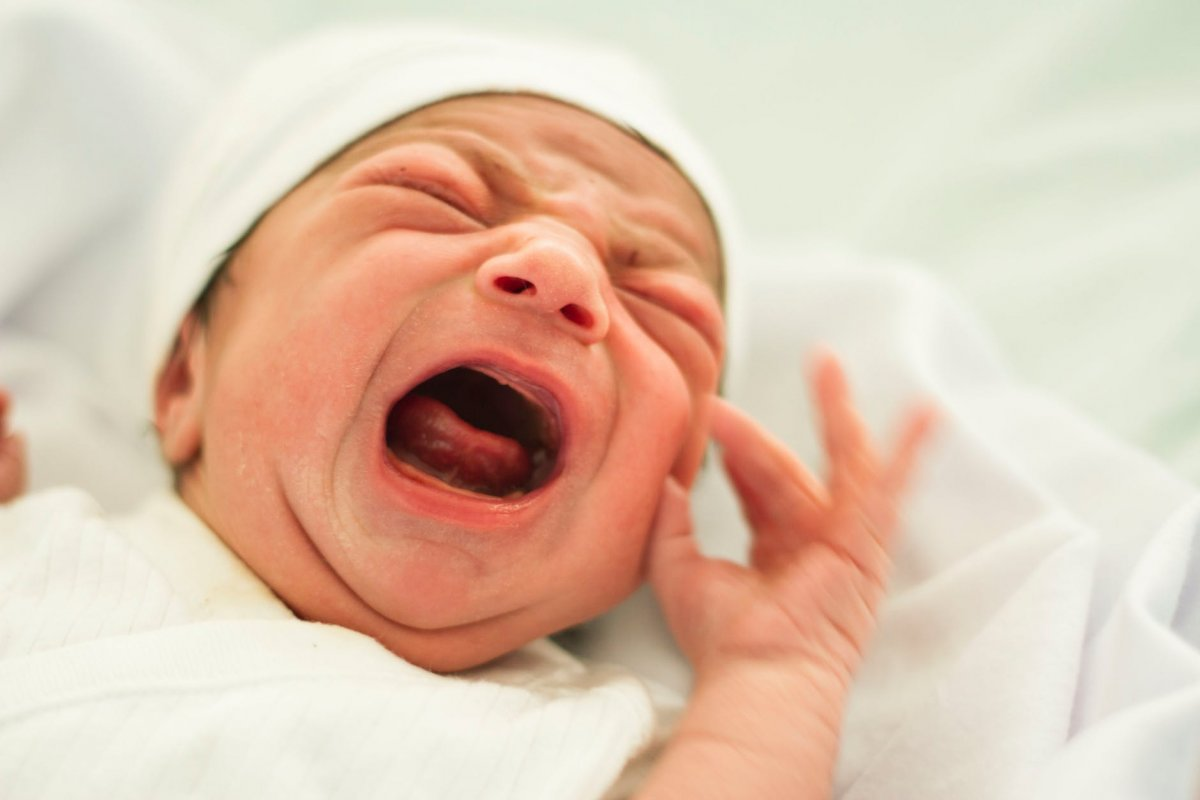 It’s important to know how newborns react to allergens. Their immune systems are learning to tell good from bad. This is key to spotting and treating allergic reactions.
How Newborn Immune Systems Respond to Allergens
Newborns’ immune systems are not fully grown. They start to develop after birth. This can sometimes cause an allergic reaction to things that aren’t harmful.
Studies show that genes and environment play a part in allergies in babies. If allergies run in the family, a baby might be more likely to get one. Early life exposure to certain things can also affect how the immune system reacts.
The Prevalence of Allergic Reactions in Infants
Allergic reactions are common in babies. Research shows many newborns will have an allergic reaction early on. It’s vital to understand and manage these allergies in young ones.
|
Age Group |
Common Allergens |
Typical Symptoms |
|---|---|---|
|
0-3 months |
Food, milk, environmental factors |
Skin rashes, hives |
|
3-6 months |
Food, dust mites, pet dander |
Eczema, digestive issues |
|
6-12 months |
Various foods, pollen |
Respiratory issues, skin reactions |
The table shows different allergens and symptoms at different ages. Parents and caregivers need to watch for these signs in their babies.
Medical News Today says, “Doctors don’t fully understand why some get eczema and others don’t. It’s likely a mix of genes and environment.” This shows how complex allergies are and why we need a detailed approach to deal with them.
Common Causes of Allergic Reaction on Newborn Skin
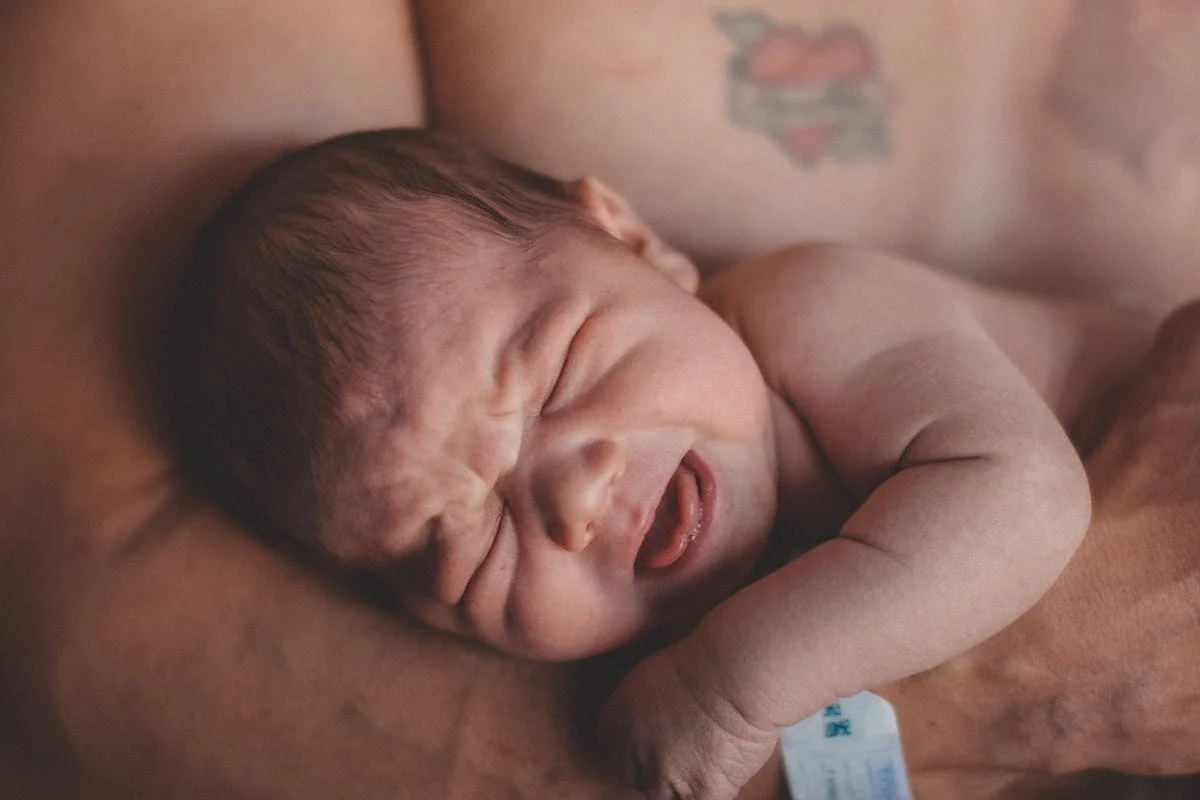
Newborns are very sensitive to allergic reactions because their immune systems are not fully developed. It’s important to know what can cause these reactions.
Food Allergens and Their Impact
Food allergens are a big reason for allergic reactions in newborns. Medical News Today says foods like milk, peanuts, and shellfish often cause allergies in kids. These foods can make a baby’s skin react.
Mothers who breastfeed should watch what they eat. Some foods can pass through breast milk and cause an allergic reaction in their baby.
Some common food allergens include:
- Milk and dairy products
- Peanuts
- Shellfish
- Eggs
- Wheat
Environmental Triggers
Things around us can also cause allergic reactions on newborn skin. These include:
- Detergents and soaps
- Fabrics, like wool or synthetic materials
- Skincare products with harsh chemicals
Parents should know about these triggers and try to keep their baby away from them.
|
Environmental Trigger |
Potential Allergic Reaction |
|---|---|
|
Detergents |
Skin irritation, rash |
|
Synthetic fabrics |
Contact dermatitis |
|
Skincare products with harsh chemicals |
Allergic contact dermatitis |
Medication-Related Allergies
Some medicines can also cause allergic reactions in newborns. This includes:
- Antibiotics
- Topical creams or ointments
Always check with a doctor before giving any medicine to a newborn.
Prevention is key. Knowing what can cause allergic reactions helps parents protect their baby’s skin.
As we’ve seen, many things can cause allergic reactions on newborn skin. Being aware and taking steps to avoid these can help keep a baby’s skin safe.
Hives: The Most Common Allergic Reaction Rash
Allergic reactions in newborns often show up as hives. These are itchy, raised patches on the skin that can vary in size and shape. Hives, or urticaria, are a common sign of an allergic reaction and can be uncomfortable for babies.
Visual Characteristics of Infant Hives
Hives on newborns look like red, itchy, and raised areas on the skin. They can be small or big, and their shape can be round, oval, or irregular. Sometimes, hives can grow together to form bigger patches.
Hives can pop up anywhere on the body and might move around. This is very common in newborns, as hives can shift from one spot to another in just a few hours.
Distribution Patterns and Development of Hives
Hives can show up in one spot or all over the body. They often appear on the face, trunk, arms, and legs. Hives can pop up fast, sometimes in just minutes after being exposed to something they’re allergic to.
At times, hives can come with other signs like fever or fussiness. If you see these, it’s important to talk to a doctor to figure out why.
How Long Hives Typically Last in Newborns
Hives in newborns can last anywhere from a few hours to several days or weeks. How long they last depends on the cause and if the baby keeps getting exposed to the allergen.
If your newborn has hives, it’s key to work with your doctor to find out why and how to help them feel better. Knowing what hives look like and how long they last can help you support your baby through this tough time.
Eczema in Newborns: Identifying Allergic Dermatitis
It’s important to spot eczema in newborns early. This skin condition, also known as atopic dermatitis, can be very uncomfortable for babies. We’ll look at what it looks like, where it often shows up, and how it changes as babies get older.
Visual Characteristics of Infant Eczema
Eczema in newborns looks like dry, scaly, or cracked skin. The skin might be red or inflamed. Sometimes, you might see small blisters or oozing. Over time, the skin can get thicker from constant scratching or rubbing.
Common Locations for Eczema in Babies Under Six Months
Babies under 6 months often get eczema on their scalp, face, and forehead. Medical News Today says these spots are more likely because of skin issues and things they come into contact with.
|
Age Group |
Common Locations for Eczema |
|---|---|
|
0-3 months |
Scalp, face, forehead |
|
3-6 months |
Face, neck, elbows, knees |
How Eczema Patterns Change as Infants Grow
As babies get older, where eczema shows up can change. Younger babies often have it on their scalp and face. But older babies might get it on their neck, elbows, and knees. Knowing this helps in managing the condition better.
By understanding what eczema looks like and where it shows up, parents and caregivers can get the right help. This can make a big difference in their baby’s life.
Food Allergy Rashes: Appearance and Progression
Food allergy rashes in newborns worry parents a lot. It’s key to know how they look and change. We need to spot the signs that show these rashes are different from other skin issues.
Timing and Development of Food Allergy Rashes
Rashes from food allergies show up fast, usually within minutes to two hours after eating the allergenic food. Seattle Children’s says this quick time is important for finding out what’s causing the rash. We’ll look at the usual patterns and traits of these rashes to help parents and caregivers spot them.
The rash can pop up quickly and might come with other signs like being fussy, not wanting to eat, or stomach problems. Sometimes, the rash is the only sign.
Dairy Allergy Rash Characteristics
Dairy allergy is common in babies, and its rash can look different. The rash might be:
- Red, itchy patches on the skin
- Small, raised bumps or hives
- Eczema-like lesions, mainly in skin folds
These signs can vary in how bad they are and might come with other allergy symptoms like stomach issues.
Other Common Food Allergen Rash Patterns
Other foods like eggs, peanuts, tree nuts, fish, shellfish, wheat, and soy can also cause rashes in babies. The rashes from these foods can look different, like:
- Eggs: May cause hives or eczema-like rashes.
- Peanuts and Tree Nuts: Can lead to serious reactions, including widespread rashes that could be dangerous.
Knowing these patterns is key to handling food allergies and avoiding serious reactions.
Contact Dermatitis: When Skin Touches Allergens
Contact dermatitis is a common skin issue in newborns. It happens when their skin meets certain allergens or irritants. It’s important for parents and caregivers to know its causes and symptoms.
Visual Differences Between Irritant and Allergic Contact Dermatitis
Irritant and allergic contact dermatitis can affect newborns. Both are caused by harmful substances, but they look different.
Irritant contact dermatitis is caused by harsh substances like detergents. It shows up as red, dry skin or blisters and burns.
Allergic contact dermatitis is an immune reaction to things like metals or fragrances. It looks like redness, itching, and small blisters.
Common Triggers: Detergents, Fabrics, and Skincare Products
Newborns face many allergens and irritants daily. Knowing these common triggers helps manage and prevent contact dermatitis.
- Detergents and soaps can strip the skin of its natural oils, causing irritation.
- Certain fabrics, like those with dyes or chemicals, can also cause skin reactions.
- Skincare products with fragrances or preservatives can trigger allergic reactions.
Medical News Today says soaps, detergents, and scented lotions can irritate a baby’s skin. This shows why gentle, fragrance-free products are best for newborns.
“The key to managing contact dermatitis is identifying and avoiding the causative agent.” – Expert in Pediatric Dermatology
|
Trigger |
Common Products Involved |
Symptoms |
|---|---|---|
|
Detergents |
Laundry detergent, dish soap |
Redness, dry skin, irritation |
|
Fabrics |
Dyed clothing, synthetic fabrics |
Rashes, itching, blisters |
|
Skincare Products |
Fragranced lotions, creams with preservatives |
Allergic reactions, redness, itching |
Understanding contact dermatitis helps parents and caregivers prevent and manage it in newborns. Choosing gentle products and dressing them in natural fabrics is key. Being aware of allergens is also important to protect their delicate skin.
When to Seek Medical Attention for an Allergic Reaction on Newborn
Newborns are very sensitive to allergic reactions. It’s important for caregivers to know when to get medical help. These reactions can show up in different ways, and knowing how serious they are is key to keeping them safe.
Warning Signs of Severe Allergic Reactions
Severe allergic reactions in newborns can be very dangerous. We need to watch for signs that show a reaction is getting worse. These include:
- Difficulty breathing or wheezing
- Swelling of the face, lips, tongue, or throat
- Rapid heartbeat
- Pale or blue-tinged skin
- Fainting or loss of consciousness
If a newborn shows any of these signs, we must act fast. Medical News Today says, “If a baby has an allergic reaction that includes wheezing, swelling of the lips or tongue, or trouble breathing, they will require immediate medical attention.”
Symptoms That Require Immediate Emergency Care
Some allergic reactions need emergency care right away. If a newborn shows signs of anaphylaxis, a very serious allergic reaction, we must call for emergency help. Symptoms of anaphylaxis include:
- Constricted airways leading to difficulty breathing
- A rapid heartbeat
- Dizziness or fainting
- Confusion or loss of consciousness
In these cases, every second is critical. Waiting too long to get medical help can be very dangerous.
What Information to Provide to Healthcare Providers
When we take a newborn to see a doctor for an allergic reaction, we should give them all the details. This includes:
- A detailed description of the symptoms and when they appeared
- Any known allergens the newborn has been exposed to
- The newborn’s medical history, including any previous allergic reactions
- Any medications or treatments administered so far
By giving all the information we can, we help doctors figure out what’s wrong and treat it quickly.
Diagnosing and Documenting Allergic Rashes
Diagnosing allergic rashes in newborns is a detailed process. It involves looking at the baby’s symptoms, medical history, and environment. Getting the diagnosis right is key to managing and preventing future allergic reactions.
What to Expect at the Doctor’s Visit
At the doctor’s office, expect a full check-up for your newborn’s rash. The doctor will ask about your family’s allergies, the baby’s diet, and any recent changes. This includes new skincare products or environments.
The doctor will then do a physical exam. They’ll look at the rash’s appearance, where it is, and any symptoms like itching or fever. They might also ask about when the rash started and what makes it better or worse.
Diagnostic Approaches for Infant Allergies
Doctors use a mix of clinical checks and tests to diagnose infant allergies. If a food allergy is suspected, they might suggest an elimination diet. They might also tell you to avoid certain things in the environment.
They might do skin prick tests or blood tests to find out what’s causing the allergy. But, these tests aren’t always clear in newborns. Doctors usually rely on their own judgment and what they see.
|
Diagnostic Approach |
Description |
Use in Newborns |
|---|---|---|
|
Elimination Diet |
Removing suspected allergenic foods from the diet |
Commonly used, even for breastfeeding mothers |
|
Skin Prick Test |
A small amount of allergen is placed on the skin |
Used with caution, as results can be inconclusive |
|
Blood Test |
Measures the level of allergy-related antibodies in the blood |
Used when skin prick testing is not feasible |
Documenting Rashes to Help with Diagnosis
Parents and caregivers are key in documenting the rash. This helps doctors a lot. Keeping a diary of when the rash appears, its look, and any changes is very helpful.
Doctors often tell parents to introduce new foods one at a time. This way, they can watch for any allergic reactions. Keeping a detailed record helps identify what might cause the rash and how to manage it.
Treatment and Management of Newborn Allergic Rashes
Dealing with allergic rashes in newborns means figuring out the cause and using the right treatments. It’s also important to prevent them from happening again. This approach must consider the newborn’s delicate skin and how they react to things.
Medical Treatments and Medications
Doctors take a careful approach when treating allergic rashes in newborns. They often use topical corticosteroids to lessen swelling. But, they watch how these are used closely. For serious reactions, antihistamines or corticosteroids might be given, but only under close watch.
Medical News Today suggests avoiding triggers and using fragrance-free cleansers. Applying moisturizers is also key. This helps manage symptoms and stops more irritation.
Home Care Strategies for Different Types of Allergic Rashes
Home care is vital for managing newborn allergic rashes. Keeping the skin clean with gentle cleansers helps. Also, using moisturizers often keeps the skin’s barrier strong.
- Use gentle, fragrance-free cleansers
- Apply moisturizers regularly
- Avoid known allergens and irritants
For eczema, keeping the skin moist is important. For hives, it’s key to stay away from things that cause a reaction. Keeping the environment cool and comfy also helps reduce irritation.
Prevention Strategies for Recurring Allergic Reactions
To stop allergic reactions from coming back, avoid known allergens and take good care of the skin. Breastfeeding can also help protect against allergies. But, if there’s a family history of allergies, watch what the mother eats.
“Prevention is always better than cure, specially for newborns. Knowing the causes and taking steps ahead can greatly lower the chance of allergic rashes.”
By using these strategies, parents and caregivers can manage and prevent allergic rashes in newborns. This ensures they stay comfortable and healthy.
Conclusion: Supporting Your Newborn Through Allergic Reactions
Understanding and caring for newborns with allergies is important. Allergic reactions can show up in different ways, like hives or eczema. It’s key to manage these reactions well for your baby’s health.
We’ve talked about what can cause these reactions, like certain foods or medicines. Knowing what causes them helps you care for your baby better. Spotting the signs early and getting medical help when needed can prevent serious problems.
Some babies outgrow their allergies, but others may develop new ones. So, ongoing support is vital. Working with doctors and following their advice is the best way to care for your baby. This includes managing their allergies and providing the right support.
FAQ
What are the common signs of an allergic reaction rash on a newborn?
Signs include redness, itching, swelling, and hives or eczema. These can be from food, the environment, or irritants.
How do I know if my newborn’s rash is an allergic reaction?
Look for redness, itching, and swelling. If there’s trouble breathing, fever, or it’s bad, get help right away.
Can a newborn have an allergic reaction to breast milk?
Yes, it’s rare but possible. If you think it’s an allergy, talk to a doctor.
What is the difference between hives and eczema in newborns?
Hives are itchy and can be anywhere. Eczema is dry, itchy, and often on the face or behind the ears.
How can I manage my newborn’s allergic reaction rash?
Avoid allergens, use gentle products, and apply creams as a doctor says. Sometimes, medicine is needed.
When should I seek medical attention for my newborn’s allergic reaction?
Get help fast for severe signs like trouble breathing or a fever. Always check with a doctor for any allergy worries.
Can I prevent allergic reactions in my newborn?
You can’t prevent all reactions, but avoiding allergens and keeping things clean helps.
How are allergic rashes in newborns diagnosed?
Doctors look, ask about your baby’s past, and might test. Keeping a symptom diary helps doctors figure out what’s causing the rash.
What are the treatment options for newborn allergic rashes?
Treatments include creams, medicine, and avoiding the allergen. In serious cases, the baby might need to stay in the hospital.
How can I document my newborn’s rash to help with diagnosis?
Take clear photos from different angles. Record when the rash started, any changes, and possible causes. This helps doctors a lot.
References
National Health Service (NHS). Newborn Allergic Rash: Identification and Early Management. Retrieved from https://www.nhs.uk/conditions/baby/allergy-in-children/


 Departments
 Related Videos
 Our Doctors
 News
News